Innovation & Creativity Training
You keep asking your team to innovate. You also keep making it dangerous to try.
Somewhere in your last town hall, a leader said the word "innovation" with real conviction. Be bold. Challenge the status quo. Bring us your best ideas. And everyone in the room nodded — and then went back to their desks and did exactly what they did yesterday. Not because they are lazy or short of ideas, but because they are paying attention. They have seen what happens to the person whose experiment missed, whose bold idea flopped in front of the wrong VP, whose "why do we still do it this way?" landed as a threat. So the smartest thing a smart employee can do is keep their head down and their ideas to themselves. This programme is about the thing underneath all of that — that creativity is not a personality some people were lucky enough to be born with. It is a skill, and a system, that any team can learn, once the fear is removed and the method is actually taught.
★ 5.0 client rating · Across Maharashtra, pan-India & internationally · English, Hindi & Marathi
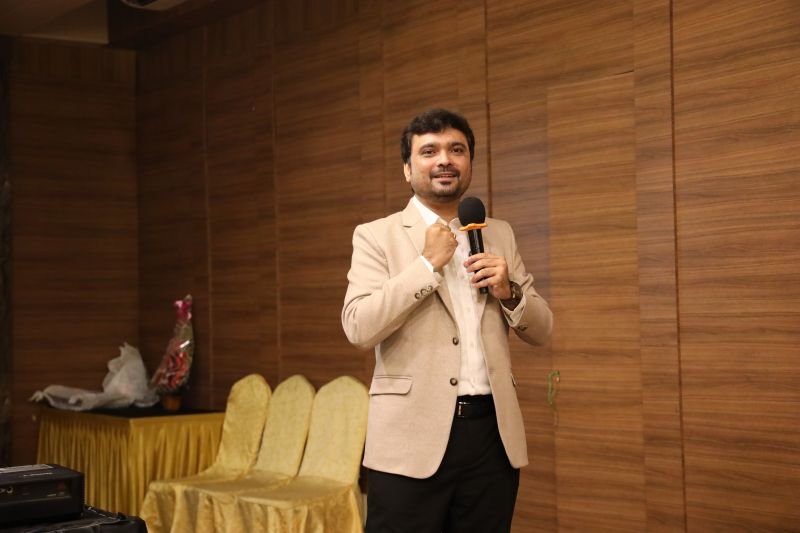
The "Innovate!" Speech Everyone Nods At and No One Believes
It is one of the great quiet contradictions of corporate life. The strategy deck demands innovation. The values on the wall celebrate risk-taking. And the actual machinery of the organisation — the review, the appraisal, the way a missed target is discussed in the meeting — punishes exactly the behaviour the deck asked for. People learn the real rules fast. Say yes to bold in the workshop; do safe on Monday. The idea that would have moved things forward never leaves someone's head, because they have quietly calculated that the downside of being wrong is far larger than the upside of being right.
So the organisation waits. It waits for the one "creative type" — the person everyone points to and says that's just how they are — to save the day, as if ideas were a rare weather event rather than something a team could produce on purpose. And while it waits, it keeps doing the same things it did last year, a little more expensively and a little less well, defending a way of working that a nimbler competitor is busy making obsolete. Nobody decides to fall behind. It happens one un-said idea at a time.
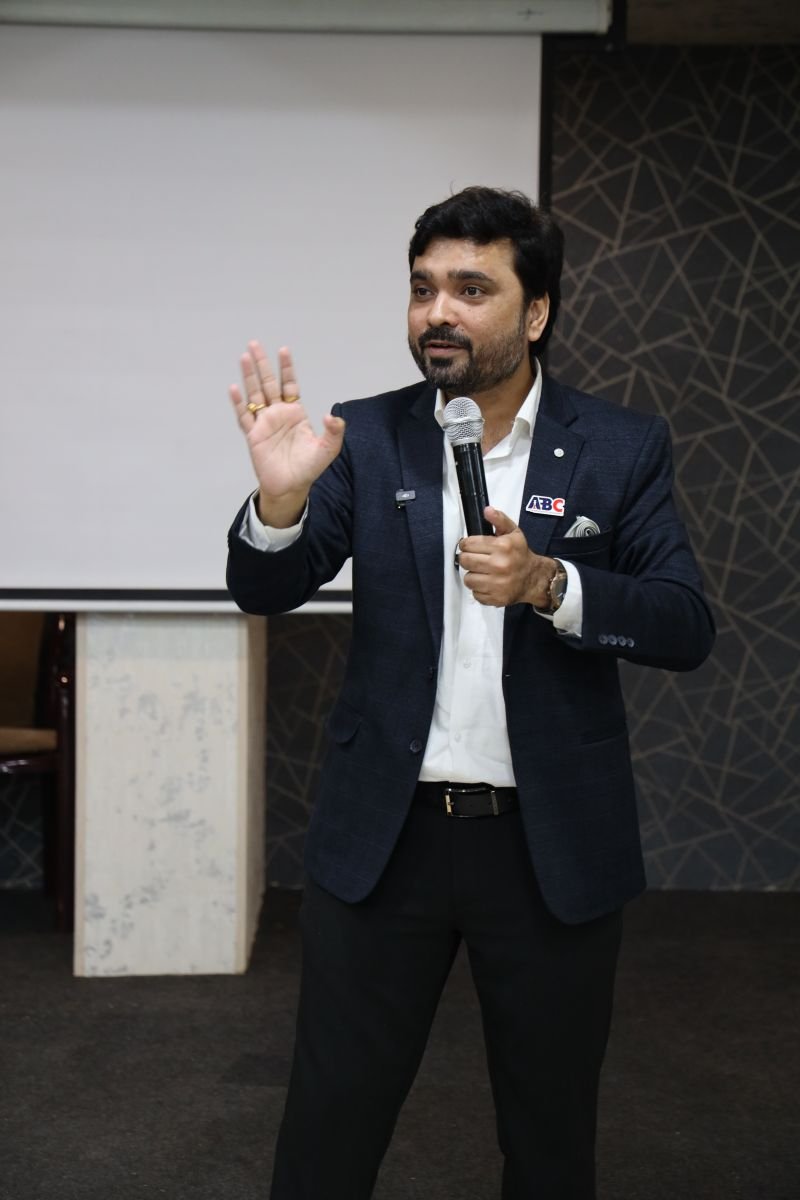
Why the Ideas Dry Up — And Why That Is a System, Not a Shortage of Talent
Here is what most leaders get backwards: they treat a lack of innovation as a shortage of creative people, and go looking to hire one. But the problem is almost never a shortage of ideas. Your people have ideas. The problem is a system that makes it irrational to voice them — where failure is punished faster than caution, where the first reaction to a raw idea is to find what is wrong with it, and where there is no method to turn a half-formed hunch into something worth building. Fear kills the idea before it is spoken; the absence of a method kills the ones that survive.
And creativity itself has been badly mythologised. We are taught it is a spark, a gift, a lightning strike that visits the anointed few. The research says something far more useful and far less romantic: original ideas come from combining things that already exist, from the slow collision of hunches, from techniques anyone can learn to apply on demand. That means innovation is trainable. Remove the fear, teach the method, and give a team a bit of practice, and the "creative type" turns out to be most of the room. This programme does exactly that — deliberately, in the room, on a real challenge of yours.
Does This Sound Familiar?
If your organisation says "innovate" but the ideas never seem to come, it is almost never that you hired the wrong people. It is that the system and the skill are both missing. Here is what you are likely seeing, what it is quietly costing, and exactly which part of the programme fixes it.
| The symptom you see | What it is costing you | The real cause | How the programme fixes it |
|---|---|---|---|
| Everyone says the right things about innovation in the workshop, then nothing changes on Monday | A visible gap between what leaders ask for and what actually happens — and growing cynicism about both | The organisation rewards playing safe far more reliably than it rewards trying something new | The Killing the Fear module — making it safe to have and voice an idea |
| The team waits for one "creative person" to come up with everything | A single point of failure for ideas, and a whole team that has switched its imagination off | Everyone believes creativity is a personality you are born with, not a skill you can practise | The Myth of the Lone Genius module — creativity as a learnable skill |
| Brainstorms happen, but produce the same tired, obvious ideas every time | Hours spent generating nothing usable, and the quiet conclusion that "brainstorming doesn't work here" | No real ideation method — just "any ideas?" and an awkward silence, with judgement arriving too early | The Idea-Generation Techniques module — SCAMPER, lateral thinking and structured divergence |
| Good ideas surface but die on the way from "interesting" to "let's actually try it" | The best thinking evaporates because no one knows how to make it real or sell it internally | The team can generate ideas but has no path from a raw idea to a prototype and a convincing pitch | The Idea to Prototype to Pitch module |
| A nimbler, smaller competitor keeps beating you to the obvious next move | Market share and margin quietly lost, while you defend a way of working the customer has outgrown | Success at today's model makes it feel too risky to disrupt yourselves before someone else does | The Everyday Culture of Innovation module — building a habit, not an event |
What Changes When Creativity Becomes a Skill Your Team Actually Has
Picture the meeting where the raw idea gets built on instead of shot down — where the first response is "yes, and…" and not "that'll never work." A team that reaches for a real method when it needs ideas, so a hard problem produces twenty options instead of the same tired three. People who feel safe enough to say the half-formed thing out loud, because they have learned that a bad idea is just a step on the way to a good one, not a black mark on their record.
And underneath it, the shift that pays for the whole programme: innovation stops being a slogan you announce once a year and becomes a habit the organisation runs every week. The "creative type" turns out to be everybody. And instead of waking up to a competitor who reinvented your game, you become the ones doing the reinventing — on purpose, repeatably, as a matter of ordinary practice.
What Your Team Will Be Able to Do
- ✓ Treat creativity as a skill to be practised, not a gift a lucky few were born with
- ✓ Recognise and dismantle the fear and self-censorship that kill ideas before they are spoken
- ✓ Generate a large volume of genuinely fresh options on demand using SCAMPER, lateral thinking and other real techniques
- ✓ Separate divergent from convergent thinking — and stop judging ideas at the exact moment they need protecting
- ✓ Connect and combine unrelated ideas into original solutions rather than waiting for a bolt of inspiration
- ✓ Take an idea from a raw hunch to a rough prototype to a pitch that others will back
- ✓ Build the everyday rituals that turn a one-off innovation workshop into a durable culture
What the Programme Covers
Seven connected modules that take a team from "we should innovate" to actually doing it — reliably and together. Every module pairs a short, practical input with real practice on a live challenge from your own organisation, and ends with a concrete change in how the team thinks and behaves.
These are building blocks, not a fixed-length course. A two-hour session goes deep on the two or three that matter most to you; a half or full day covers more; a multi-day intensive — or an ongoing monthly, quarterly or half-yearly rhythm — works through them all, with far more practice. We shape which ones, in what order and how deep, with you.
The Myth of the Lone Genius — Creativity as a Skill
What we cover: Where our romantic idea of creativity comes from, and why it quietly disempowers everyone who has decided "I'm just not a creative person." The evidence that original ideas are recombinations of existing ones, not lightning from the sky. Why the "adjacent possible" means the next breakthrough is usually one step from where you already are. Separating the myth of the sudden spark from the reality of a practised, deliberate process anyone can run.
What changes: The team stops outsourcing ideas to one "creative type" and accepts that creativity is a muscle every one of them can build — the belief everything else depends on.
Killing the Fear That Kills Ideas
What we cover: Why the single biggest blocker to innovation is not a lack of ideas but the fear of looking foolish, being wrong, or being punished for a failed experiment. The difference between psychological safety and lowering the bar. How leaders' reactions in the first three seconds of hearing an idea decide whether the next one is ever spoken. Reframing failure as information and cost of learning, and separating smart bets that didn't pay off from genuine carelessness.
What changes: People feel safe enough to voice the half-formed idea and run the small experiment — because the organisation has stopped punishing intelligent failure faster than it punishes inaction.
Idea-Generation Techniques — SCAMPER and Lateral Thinking
What we cover: Replacing "any ideas?" and an awkward silence with real methods that reliably produce fresh options. SCAMPER — Substitute, Combine, Adapt, Modify, Put to another use, Eliminate, Reverse — as a systematic way to interrogate any product, process or problem. Lateral thinking and deliberate provocation to escape the obvious first answer. The discipline of divergent thinking: chasing quantity, deferring judgement, welcoming the wild idea, and building on others' before critiquing.
What changes: The team can walk into any problem and generate twenty options instead of the same tired three — on demand, with a method, not by waiting for inspiration.
Connecting and Combining Ideas
What we cover: Why the best ideas usually live at the intersection of two others, and how to engineer those collisions on purpose. Borrowing solutions from unrelated industries and mashing them into your context. Using the jobs-to-be-done lens to see what the customer is really trying to achieve, so you innovate on the outcome rather than the existing feature. Turning slow hunches into finished ideas by capturing and connecting them over time instead of losing them.
What changes: The team stops waiting for one perfect original idea and starts building better ones out of the parts already lying around — the way real innovation actually happens.
From Idea to Prototype to Pitch
What we cover: The convergent half of the work — narrowing a wall of ideas down to the few worth backing, using clear criteria instead of the loudest voice. Making an idea real fast and cheaply: rough prototypes, sketches and small experiments that test the risky assumption before big money is spent. Building the pitch that gets an idea funded internally — the problem, the insight, the evidence and the ask — so a good idea does not die for want of a good story.
What changes: Ideas survive the journey from "interesting" to "approved," because the team can make them tangible and sell them, not just think them up.
Building an Everyday Culture of Innovation
What we cover: How to make innovation a habit rather than an annual offsite. The small, repeatable rituals — idea time, review forums, fast-and-cheap experiments, a shared language for building on ideas — that keep the pipeline alive. What leaders must model, reward and protect for creativity to survive contact with quarterly pressure. Designing for the disruptive bet the core business will always resist, so you disrupt yourselves before a competitor does it for you.
What changes: Innovation stops being a one-off event and becomes part of how the team works every week — a durable capability, not a motivational memory.
Practice — Solve a Real Challenge, Creatively
What we cover: A live, end-to-end run on an actual challenge from your organisation, chosen with you before the session. The team moves through the full arc in the room: diverging hard with SCAMPER and lateral techniques, combining and connecting the strongest threads, converging on a shortlist against real criteria, prototyping the top idea roughly, and pitching it back to the group. Facilitated, on your own problem, so the learning sticks to the work.
What changes: The team walks out having produced real, usable ideas for a real challenge — and having felt, first-hand, that creativity is a method they can run again tomorrow without the trainer in the room.
How It Is Delivered
This is not a lecture about creativity delivered by someone standing very still. It is a working session where the team does the thing — generating, combining, prototyping and pitching real ideas, most of the time on their feet, using a live challenge from your own organisation rather than a made-up case study. The techniques are kept simple and immediately usable; the safety to try them, and the practice of actually trying them, is where the shift happens.
The format flexes to your needs. It runs as a focused half-day to unstick a stuck team, a full-day workshop to move a group through the whole arc, a multi-day innovation intensive or bootcamp for a product or leadership cohort, or a modular series that threads the habit through the calendar — and it works especially well as an ongoing rhythm, a standing innovation cadence that keeps the pipeline alive long after the first session. For 20 to 40 participants it is organised into small squads so everyone creates, not just watches. The exact depth, duration and cadence are shaped with you in the design call.
Formats That Fit Your Calendar
Half-day or full-day workshop
A high-energy session to break a team out of the same tired ideas and give it a repeatable method — ideal before a big planning cycle or when a problem is stuck.
Multi-day innovation intensive
Two or more days to go deep — perfect for a product team, an R&D group or a leadership cohort running a real challenge end to end, from divergence to prototype to pitch.
Modular series across the quarter
Shorter sessions spread across weeks, so each skill — safety, ideation, combining, prototyping, culture — is learned and then practised on live work between sessions.
An ongoing innovation rhythm
A standing cadence of idea forums and challenges run monthly or quarterly, making creative thinking a permanent habit of the organisation rather than a one-off event.
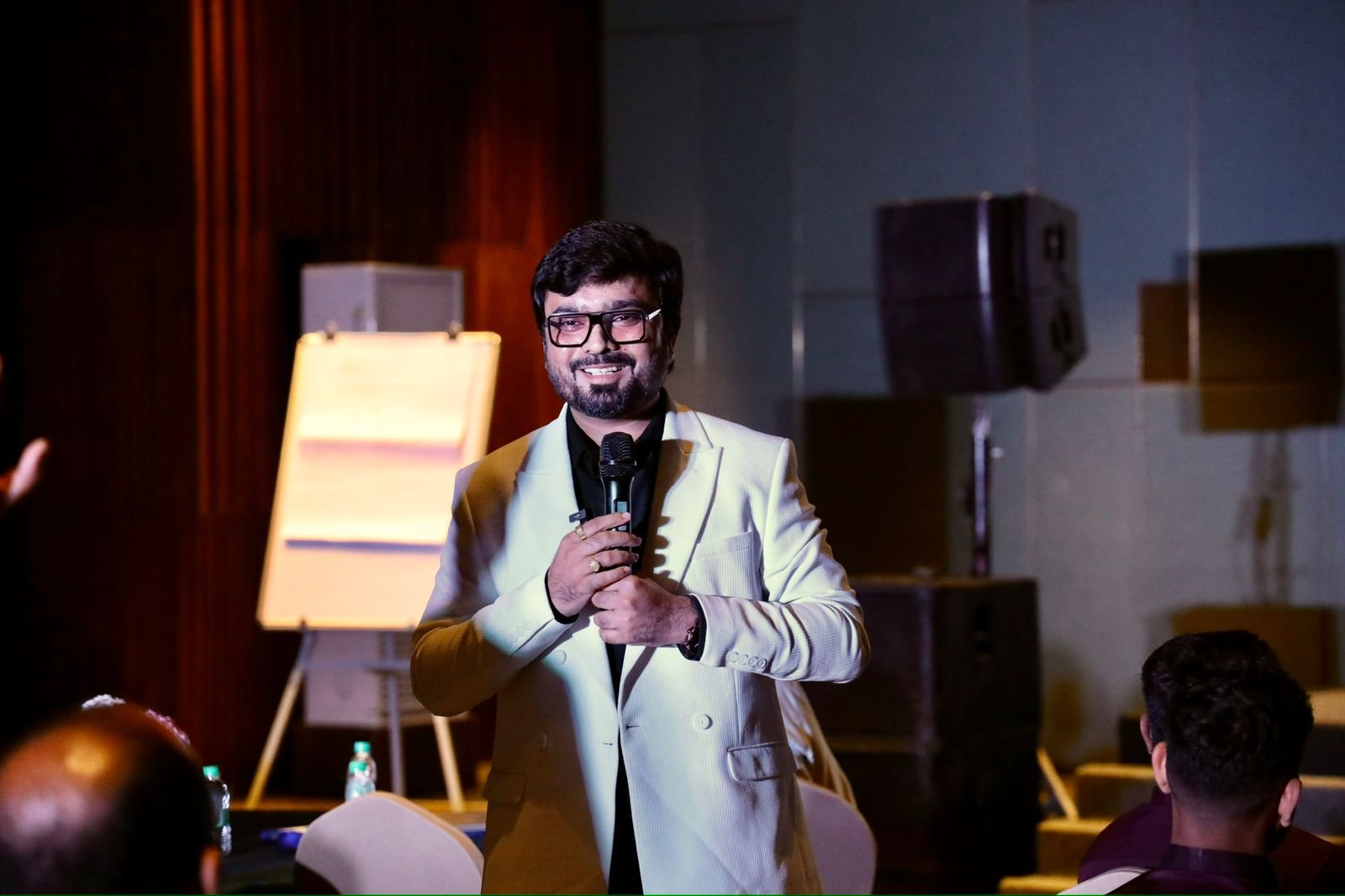
The Thinking Behind It
This programme is not a motivational deck about "thinking outside the box." It draws on the best writing and research on where innovation actually comes from — distilled into a few methods a team can use immediately — and then goes further, into the frameworks Avinash uses to keep ideas alive inside his own 100-plus member organisation.
Ideas & books we draw on
- The Innovator's Dilemma — Clayton Christensen · why the very things that make a company successful are what stop it disrupting itself before a nimbler rival does
- Originals — Adam Grant · the evidence that original thinkers are made, not born — and how to champion a new idea without getting silenced
- Where Good Ideas Come From — Steven Johnson · the natural history of innovation — the adjacent possible, slow hunches and the liquid networks where ideas collide
- A Whack on the Side of the Head — Roger von Oech · the classic on the mental locks — "be practical", "that's not logical", "to err is wrong" — that quietly kill creativity
- Steal Like an Artist — Austin Kleon · the liberating truth that nothing is truly original, so creativity is really the art of remixing and combining
- Thinkertoys — Michael Michalko · a hands-on toolbox of ideation techniques — SCAMPER among them — for producing ideas on demand, not by luck
Models we use to spark ideas
- Divergent vs convergent thinking · open wide to generate options, then narrow deliberately to decide — and never do both at once
- SCAMPER · Substitute, Combine, Adapt, Modify, Put to another use, Eliminate, Reverse — a checklist that forces fresh angles
- Brainstorming rules (defer judgement) · chase quantity, welcome the wild idea, build on others', and hold criticism until later
- Jobs-to-be-done · innovate on the outcome the customer is really hiring you for, not the feature you already have
- The adjacent possible · the next breakthrough is usually one recombination away from what already exists
And Avinash's own frameworks — the part you won't find anywhere else
Beyond the established thinking, the programme is built on frameworks Avinash has created and written about himself — including his KITE leadership framework and the principles in his book The Winning Edge. These come from actually running a 100-plus member organisation and developing its people year after year, not from a textbook. It is the layer competitors cannot copy, and the one your teams remember long after the session ends.
Who It Is For
Any team that has been told to innovate and quietly doesn't know how — product and R&D groups, marketing and strategy teams, operations and process owners hunting for a better way, and cross-functional squads brought together to crack a hard problem. It is especially powerful run as an intact team on a real challenge, so the ideas produced are usable the next morning, and as a leadership cohort, so the people who set the tone learn to reward the behaviour they keep asking for. On manufacturing shop floors and in the MIDC belts it becomes practical continuous-improvement thinking; in IT, services and startups it becomes the discipline that keeps a fast company inventive as it scales.
Taught by Someone Who Has to Keep Ideas Alive in His Own Business
Avinash Chate does not teach this from a textbook. He runs a 100-plus member organisation and has to solve the exact problem this programme addresses every week — how to keep a growing team generating ideas instead of coasting on yesterday's, and how to make it safe to try something and be wrong. He is a TEDx speaker and the author of The Winning Edge, and programmes that build creative-thinking and innovation capability have been delivered across sectors — from manufacturing floors chasing a better process, to IT, sales and services teams that need to out-think, not just out-work, a faster competitor.
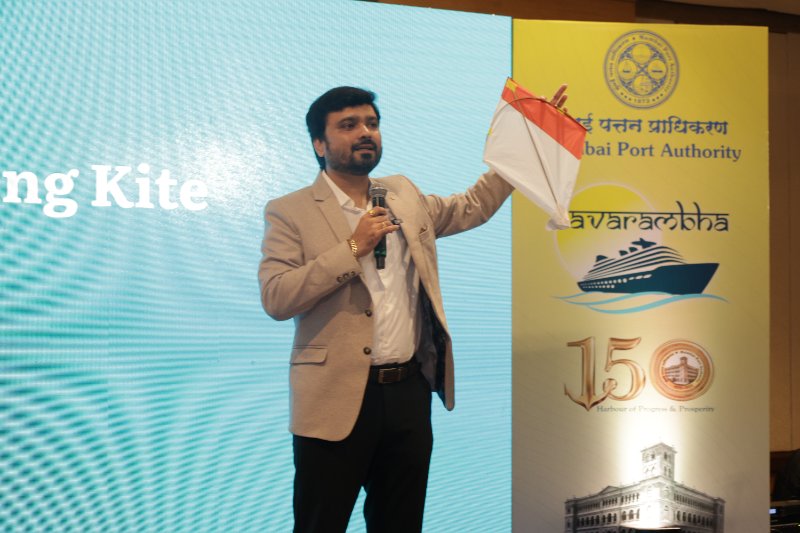
Why Avinash Chate
Avinash Chate is an entrepreneur and corporate trainer who runs ABC Trainings and The Future Corporate & Business Coaching, a TEDx speaker and published author. Over the last decade he has trained teams at 1,000-plus organisations and 15,000-plus professionals.
He teaches these skills not from a manual, but because he practises them himself — leading a 100-plus member team of his own. That is the difference working leaders feel in the room.
Innovation & Creativity Training — FAQ
What is Innovation & Creativity Training?
It is a practical programme that treats creativity as a skill and a system rather than a gift a lucky few are born with. It works on two things at once: the culture — removing the fear and self-censorship that kill ideas before they are ever spoken — and the method — teaching real, repeatable techniques such as SCAMPER, lateral thinking, combining and connecting ideas, and taking an idea from a rough prototype to a convincing pitch. Instead of a motivational talk about "thinking outside the box," the team practises the whole arc on a live challenge from your own organisation until it feels like something they can run again on their own.
Who should attend this training?
Product and R&D teams, marketing and strategy groups, operations and continuous-improvement owners, and cross-functional squads formed to solve a specific hard problem. It is at its most powerful run as an intact team working on a real challenge, so the ideas are usable immediately, and as a leadership cohort, because the people who run reviews and appraisals are the ones who decide whether it is safe to have an idea in the first place. It suits everyone from shop-floor improvement teams to fast-scaling startups that want to stay inventive.
Can you really train creativity, or are some people just born creative?
You can train it, and the belief that you can't is one of the main things holding organisations back. The research on innovation is consistent: original ideas are overwhelmingly recombinations of things that already exist, produced through techniques and habits anyone can learn, not lightning that strikes a chosen few. When a team believes creativity is a fixed personality trait, it switches its own imagination off and waits for the one "creative type." Change that belief, remove the fear of being wrong, teach a real method and give people practice, and the "creative type" turns out to be most of the room.
Our leaders ask for innovation but nothing changes. Why?
Because most organisations ask for bold in the workshop and reward safe on Monday. The strategy deck demands innovation while the review meeting punishes the failed experiment faster than it punishes caution — so the rational move for any smart employee is to keep their ideas to themselves. Until the system makes it genuinely safe to try something and be wrong, no amount of "be more creative" will land. This programme works on that first — the fear and the reactions that kill ideas in the first three seconds — and only then layers the ideation methods on top, because method without safety produces silence.
What does the programme cover?
Seven connected modules: the myth of the lone genius and creativity as a learnable skill; killing the fear that kills ideas; idea-generation techniques including SCAMPER and lateral thinking; connecting and combining ideas into original solutions; taking an idea from prototype to pitch; building an everyday culture of innovation; and a live practice module where the team solves a real challenge of yours from divergence all the way to a pitch. Every module pairs a short, usable method with practice on situations drawn from your own organisation.
How is the training delivered — and how long does it take?
It is highly interactive — real ideation, prototyping and pitching on a live challenge, with minimal lecture. The duration is flexible: the same programme runs as a half-day to unstick a team, a full day to work the whole arc, a multi-day innovation intensive for a product or leadership cohort, or a modular series spread across a quarter, and it works especially well as an ongoing rhythm of idea forums and challenges. We shape the exact length and cadence with you. For 20 to 40 participants, the room is organised into small squads so everyone creates rather than watches.
Is the programme customised to our organisation?
Yes. Before the first session we choose a real challenge from your world — a product problem, a process bottleneck, a customer pain, a market you want to enter — and the whole programme runs on it, so the techniques are learned on your work and the ideas produced are usable immediately. Generic innovation training that uses made-up cases is exactly what convinces people "this doesn't apply to us." The value is in creating real options for a real problem your team actually cares about solving.
Can it be delivered on-site, and in which languages?
Yes. Most engagements are across Maharashtra — Pune, Mumbai, Chhatrapati Sambhajinagar, Nashik, Nagpur and the surrounding MIDC industrial belts — and the programme is equally delivered pan-India and internationally on request. Delivery is available in English, Hindi and Marathi, or a natural mix, which matters especially for shop-floor and continuous-improvement teams where the best ideas often come from people most comfortable in their own language.
What outcomes can we expect?
Teams that build on ideas instead of shooting them down, reach for a real method when they need options, and feel safe enough to voice the half-formed thought and run the small experiment. Meetings that produce twenty possibilities instead of the same tired three. And, over time, innovation that becomes an everyday habit rather than an annual slogan — so instead of being disrupted by a nimbler competitor, your team becomes the one doing the reinventing, on purpose and repeatably.
Why Avinash Chate for this programme?
Avinash Chate is an entrepreneur and corporate trainer who runs a 100-plus member organisation and has to keep his own growing team generating ideas — and making it safe to try and be wrong — every week, so he teaches this from lived practice, not theory. He is a TEDx speaker and author of The Winning Edge, creator of the KITE leadership framework, and has trained teams at 1,000-plus organisations and more than 15,000 professionals. That mix of real operating experience and his own frameworks is what teams respond to when the goal is to actually behave more creatively, not just hear about it.
Related Training Topics
Turn "we should innovate" into something your team actually does
Remove the fear that kills ideas, teach the methods that generate them, and build the everyday habit that keeps them coming. On-site across Maharashtra, pan-India and internationally, in English, Hindi or Marathi.
Request a Proposal →