Handling Difficult People Training
There is one person on your team everyone can name — and no amount of good work makes up for the drain of dealing with them.
You know exactly who they are. So does everyone else. The chronic complainer who walks into a good meeting and quietly lets the air out of it. The peer who nods along to the plan in the room and then unpicks it in the corridor. The bulldozer who talks over three quieter people to win a point that did not need winning. The know-it-all who receives every suggestion as an insult. You did not hire the problem and you cannot simply remove it — this is a capable person, or a protected one, or the founder's cousin, or just someone who is not going anywhere. So you do the only thing left: you absorb it. You rehearse what you will say and then say something safer. You build the workaround, take the longer route, manage around them. And it works, in the sense that nothing explodes — while it costs you a little more focus, a little more goodwill and a little more of your team's energy every single week. Here is what almost no one is told: handling that person well is not a temperament a lucky few are born with. It is a specific set of skills, and this programme teaches it.
★ 5.0 client rating · Across Maharashtra, pan-India & internationally · English, Hindi & Marathi
The One Person Everyone Works Around
Ask any team, off the record, who the difficult one is, and you will get an answer before you finish the sentence. It is rarely a mystery. It is the colleague whose name comes up in the WhatsApp group that does not include them, the one people check the calendar to avoid, the reason a simple request gets routed the long way so it does not have to go through them. On the surface the team is functioning. Underneath, an enormous amount of quiet effort is going into managing one person — softening messages so they do not flare up, redoing work rather than giving them feedback, staying late to fix what their steamrolling broke. None of it shows up in a report. All of it is real.
And the drain is not evenly shared — it lands hardest on your best people. The steady, conscientious ones are precisely the ones who accommodate, who swallow the jibe and carry the extra load rather than make a scene. So the difficult person keeps behaving exactly as they always have, learns nothing, and pays no price — while your most valuable colleagues quietly burn down, wondering why they are the ones adjusting. Eventually one of them stops adjusting: they disengage, or they leave, and in the exit conversation the reason sounds vague because the real one — I could not keep dealing with that person — is awkward to write down. The difficult individual was never the biggest cost. What it took out of everyone around them was.
Why They Get Under Your Skin — And Why That Can Be Trained Out
Start with the honest part most training skips: difficult behaviour is not one thing, and it is not random. The complainer, the sniper, the bulldozer and the know-it-all are not the same problem in different outfits — each is a distinct pattern, usually driven by something underneath it: a need to feel in control, a fear of being wrong, a bid for attention or safety, a frustration that has no better outlet. When you cannot see the pattern, every encounter feels personal and you react on instinct. And instinct, faced with someone difficult, offers two poor options — fight them or flee them. Both hand them the win. Fighting gives the bulldozer the collision they thrive on; fleeing teaches the complainer and the sniper that the behaviour works.
The part that changes everything: the person is not actually the variable you control — your response is. You will not reform the difficult colleague's personality, and you do not need to. What you can learn is to stop being so easy to provoke, to hold a boundary without heat, to refuse the bait a passive-aggressive remark is fishing for, and to steer the exchange toward something workable instead of something that ends in a grudge. That is not charisma and it is not luck. It is a set of concrete, teachable moves — reading the type, regulating yourself, responding assertively, applying the right tactic for the right person — and, like any skill, it strengthens with deliberate practice. That practice is exactly what your people get in this room, on the real individuals they have to face on Monday.
Does This Sound Familiar?
If any of these feel familiar, it is almost never that your people are weak or that the difficult colleague is unmanageable. It is that no one taught them how to handle the behaviour without either exploding or quietly absorbing it. Here is what you are likely seeing, what it is quietly costing, and exactly which part of the programme fixes it.
| The symptom you see | What it is costing you | The real cause | How the programme fixes it |
|---|---|---|---|
| One person's moods and complaints set the emotional weather for the whole team | Good energy leaks out of every meeting, and people brace before interactions instead of doing their best work | No one can read the behaviour or manage their own reaction to it, so the difficult person's state runs the room | The understanding-behaviour module — reading the pattern and your own triggers |
| A peer agrees in the meeting and then undermines the decision afterwards | Decisions quietly unravel, trust erodes, and no one can point to where it went wrong | The passive-aggressive move is designed to provoke a reaction, and people either miss it or take the bait | The staying-calm module — refusing the bait and not getting hooked |
| A bulldozer steamrolls every discussion and the quieter, often better ideas never get heard | You lose the thinking of half the room, and decisions get made by volume instead of merit | No one has the assertiveness to hold their ground with a dominating personality without a fight | The assertive-response module — standing firm and setting a limit without heat |
| The know-it-all shuts down every suggestion, so people have stopped offering them | Better options go unsaid, mistakes repeat, and the team defers to one person who is sometimes wrong | No one knows the specific tactic that lets a know-it-all be redirected without a head-on collision | The tactics-by-type module — the right move for each difficult type |
| The same difficult behaviour has run for months and everyone has simply learned to live with it | Your best people quietly disengage or leave, and the behaviour is silently endorsed by the workaround | No one knows when accommodation should stop and it becomes a matter to document or escalate | The escalate-or-disengage module — knowing when to name it, record it or step back |
What Changes When Your People Can Actually Handle the Difficult One
Picture the complainer walking into the meeting and the room no longer deflating — because the people in it have a way to acknowledge the gripe, close it and move on, instead of being pulled down with it. Picture the passive-aggressive dig landing and simply not working, met with a calm, level response that gives it nothing to feed on. Picture the bulldozer being stopped — courteously, firmly, in front of everyone — so the quiet person's better idea finally gets its thirty seconds. Picture the know-it-all being steered, not fought, into actually hearing an alternative. And picture your steadiest people no longer going home wrung out by one colleague, because they now have limits they can hold without guilt and without a scene.
And underneath all of it, the shift that pays for the programme many times over: the difficult person stops being able to set the temperature of your team. The cost that used to hide in workarounds, redone work, lost ideas and quiet resignations comes back as capacity. People spend their energy on the work instead of on managing one another. And when a boundary genuinely needs to become a formal matter, your people know how to document it and escalate it cleanly — so the rare truly toxic case is handled properly rather than endured indefinitely.
What Your People Will Be Able to Do
- ✓ Recognise the common difficult-behaviour types — and what is actually driving each one
- ✓ Notice their own triggers and reactions, so they respond by choice instead of on reflex
- ✓ Stay calm and refuse the bait when someone is trying to provoke a reaction
- ✓ Respond assertively — holding a clear limit with a difficult person without a fight or a fold
- ✓ Apply the specific tactic that works for each type, from the bulldozer to the know-it-all
- ✓ Set and hold boundaries that protect their time, focus and standards without guilt
- ✓ Know when to keep managing it, and when to document, escalate or disengage instead
What the Programme Covers
Seven connected modules that take a person from dreading the difficult colleague to handling them with steadiness and skill. Every module pairs a short, practical input with real practice on the exact people your team is dealing with right now — and ends with a concrete change in how they handle the next encounter.
These are building blocks, not a fixed-length course. A two-hour session goes deep on the two or three that matter most to you; a half or full day covers more; a multi-day intensive — or an ongoing monthly, quarterly or half-yearly rhythm — works through them all, with far more practice. We shape which ones, in what order and how deep, with you.
Understanding Difficult Behaviour — And Your Own Triggers
What we cover: Why "difficult" is not one thing, and why treating it as a single problem is why nothing works. Behaviour as a pattern with a driver underneath it — a need for control, a fear of being wrong, a bid for attention, an unresolved frustration. Separating the behaviour from the human doing it, so you can be firm without being cruel. The honest, private work of naming your own hot buttons — the specific remark, tone or person that hijacks you — because the reaction you cannot see is the one that runs you. How instinct offers only fight or flight, and why both hand the difficult person the win.
What changes: Each person stops taking difficult behaviour personally and starts reading it clearly — and knows the trigger that used to hijack them, which is the ground every other skill is built on.
The Difficult Types — And What Drives Each One
What we cover: A working map of the people your team actually deals with — the chronic complainer who deflates the room, the sniper who lands the passive-aggressive dig and then denies it, the bulldozer or tank who steamrolls to win, the know-it-all who cannot be told anything, the yes-person who agrees to everything and delivers nothing, and the withdrawn one who goes silent and stalls. What each type is really after, and the mistake most people make in response to each. Why the same behaviour needs a different answer depending on who is producing it, and how to spot which one you are facing before you react.
What changes: People can identify the type in front of them and its likely driver in real time — replacing a vague sense of "they're difficult" with a clear read that points to the right response.
Staying Calm — Not Taking the Bait
What we cover: Why so much difficult behaviour is a hook designed to provoke a reaction, and how reacting is exactly the reward it is fishing for. Recognising the moment you are being baited — the jibe, the eye-roll, the provocation — and the physical tells that you are about to bite. Practical ways to regulate yourself in the moment: the pause, the level tone, the deliberate under-reaction, the choice not to defend or explain. Emotional detachment as a skill, not coldness — staying engaged with the issue while unhooking from the provocation. Depersonalising it: their behaviour is about them, not a verdict on you.
What changes: People stop getting hooked. They can meet a provocation with a calm, unbothered response that gives the difficult behaviour nothing to feed on — and quietly changes the dynamic.
Assertive Responses and Setting Boundaries
What we cover: The difference between passive, aggressive, passive-aggressive and assertive — and why only the last one both protects you and preserves the relationship. Saying the clear thing without heat: naming the behaviour, stating its impact, and asking for the specific change. A simple, repeatable structure for a boundary conversation — describe, express, specify, consequence — that works from a peer to a senior. Holding the limit when it is tested, using the calm broken-record when someone keeps pushing, and saying no without a defensive paragraph of justification. Being hard on the behaviour and respectful to the person at the same time.
What changes: People can hold a clear boundary with a difficult colleague — steadily, respectfully and without either caving or exploding — so their time, focus and standards stop being negotiable.
Specific Tactics for Specific Types
What we cover: The right move for each difficult person, because a blanket approach fails. The complainer: acknowledging the concern, redirecting to a request or a solution, and closing the loop so it does not run forever. The bulldozer or tank: standing your ground courteously, letting them run down, and re-entering firmly without a collision. The sniper: bringing the covert dig into the open with a calm, direct question. The know-it-all: acknowledging their expertise and using questions to open room for another view rather than arguing head-on. The yes-person and the silent staller: getting to real commitment and drawing out what is not being said. Matching tactic to type, drilled on your team's actual people.
What changes: People stop using one response for everyone and start reaching for the specific tactic that defuses the specific person in front of them — the practical heart of the whole programme.
When to Escalate, Document or Disengage
What we cover: The line between behaviour you manage and behaviour you must formally address — the point at which accommodation stops being professional and starts being enabling. Recognising a genuinely toxic or bullying pattern versus an ordinary difficult one, and the difference in how each is handled. Keeping a factual, specific record when a situation may need it — what to note, and why vague grievance is useless where documented behaviour is not. Raising it up the line or to HR without it looking like a personality clash. And the underrated skill of strategic disengagement — reducing exposure, going grey-rock, and knowing when the healthiest move is simply to stop feeding it.
What changes: People know where the limit of "just handle it" sits — and can name, document, escalate or step back from a truly harmful situation cleanly, instead of enduring it indefinitely.
Practice — Role-Playing the Real Difficult People
What we cover: Live role plays on the exact individuals your people are actually dealing with: the complainer who deflates every meeting, the peer who agrees then undermines, the bulldozer who talks over the room, the know-it-all who blocks every idea, the senior stakeholder who bullies through position. Practised in the room, on real (disguised) situations from your own organisation, with honest debriefs and a second attempt to try a different tactic and get it right. Coaching on tone, timing and the boundary language until the response feels natural rather than scripted.
What changes: People walk out having already faced their difficult person once, in safety — so the real encounter, days later, is met with a practised, steady response instead of the old flinch.
How It Is Delivered
This is not a lecture about personality types. It is a workshop where people practise handling the individuals they actually find difficult. They spend most of their time on their feet — refusing the bait, holding a boundary, redirecting a complainer, standing their ground with a bulldozer — using real, disguised situations from their own workplace rather than tidy case studies. The models are kept simple and immediately usable; the steadiness is built in the practice, and in the honest debrief and second attempt that follow each one.
The format flexes to your needs. It runs as a focused half-day, a full-day workshop, a multi-day intensive for a team carrying a genuinely draining dynamic, or a series of shorter modules spaced out so people apply each skill on their own real difficult person between sessions and bring back what happened — and it works well as an ongoing rhythm, revisited as new situations arise. For 20 to 40 participants it is organised into small batches so every person practises out loud, not just listens. The exact depth, duration and cadence are shaped with you in the design call, and where there is a live, sensitive dynamic in the room, it is handled with care.
Formats That Fit Your Calendar
Half-day or full-day workshop
A high-impact session to give a group the core skill fast — reading the type, staying unhooked, and setting a clear boundary — ideal when one difficult dynamic is already draining a team.
Multi-day intensive
Two or more days to go deep — room to drill the tactic for each difficult type on each person's real situations, with feedback and a second attempt until the response feels natural.
Modular series across several weeks
Shorter sessions spaced out so people try each skill on their own real difficult colleague in between, then bring what happened back to the room to refine.
An ongoing rhythm
Revisited as fresh difficult dynamics surface — making steady, skilful handling of difficult behaviour a permanent capability of the team rather than a one-off event.
The Thinking Behind It
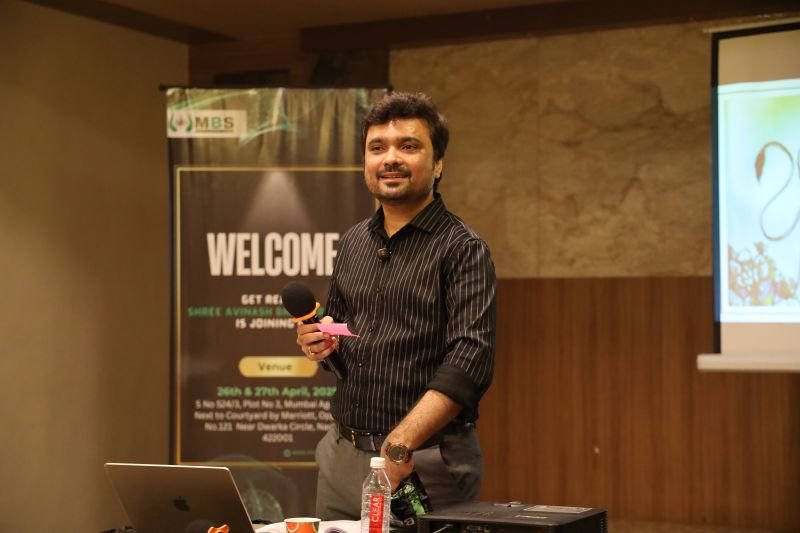
This programme is not a generic communication deck. It draws on the best writing and research on difficult behaviour and how to handle it — distilled into a few models people can use the same afternoon — and then goes further, into the frameworks Avinash uses to keep steadiness and standards alive inside his own 100-plus member organisation.
Ideas & books we draw on
- Dealing with People You Can't Stand — Rick Brinkman & Rick Kirschner · the definitive field guide to the specific difficult types — the tank, the sniper, the know-it-all, the whiner — and the exact move for each
- Emotional Vampires — Albert J. Bernstein · on the draining personalities that feed on your reaction, and how to stop supplying the energy they run on
- Coping with Difficult People — Robert M. Bramson · the early classic that mapped the recurring difficult behaviours at work and gave each a practical, repeatable counter
- Powerful Phrases for Dealing with Difficult People — Renée Evenson · the exact words — ready lines and scripts for the complainer, the bulldozer and the passive-aggressive peer
- Bullies, Tyrants, and Impossible People — Ronald M. Shapiro · a negotiator's method for standing firm with the domineering and the impossible without either caving or a fight
- The Asshole Survival Guide — Robert I. Sutton · Stanford research on protecting yourself from toxic people — when to reframe, when to reduce exposure, and when to get out
Models we use for difficult people
- The difficult-behaviour types (Brinkman & Kirschner) · the tank, sniper, know-it-all, whiner and more — naming the pattern so you can choose the right counter
- The assertiveness continuum · passive, aggressive, passive-aggressive, assertive — locating your default and moving to the response that holds
- The drama triangle (Karpman) · spotting the victim–persecutor–rescuer roles that keep you hooked into a difficult person, and stepping out of them
- Emotional detachment — not taking the bait · staying engaged with the issue while unhooking from the provocation, so there is nothing to feed on
- DESC boundary scripting · Describe, Express, Specify, Consequence — a clean structure for saying the hard thing and setting a limit
And Avinash's own frameworks — the part you won't find anywhere else
Beyond the established thinking, the programme is built on frameworks Avinash has created and written about himself — including his KITE leadership framework and the principles in his book The Winning Edge. These come from actually running a 100-plus member organisation and developing its people year after year, not from a textbook. It is the layer competitors cannot copy, and the one your professionals remember long after the session ends.
Who It Is For
Anyone whose work is being taxed by a colleague they can neither fix nor avoid — managers carrying a difficult report or a draining team member, peers stuck beside a bulldozer or a sniper with no authority over them, project and functional heads who must work through people who resist and undermine, customer-facing and service teams who meet difficult behaviour daily, and HR and People partners who are pulled in to hold the line. It is especially powerful run as a team or a cohort, so a shared, steady way of handling difficult behaviour takes root across a group rather than living in one resilient individual. On shop floors, in project rooms and across sales and service teams alike, it is the skill that stops one difficult person from quietly setting the cost — and the mood — for everyone around them.
Taught by Someone Who Handles Difficult People for Real, Not from a Slide
Avinash Chate does not teach this from a textbook. He runs a 100-plus member organisation, which means he handles the complainer, the bulldozer and the passive-aggressive undercurrent himself — and has learned, in real relationships he still has to keep, how to stay steady, hold a boundary and reach a workable outcome without either exploding or being run over. Programmes that build the skill of handling difficult behaviour have been delivered across sectors — from manufacturing shop floors where a supervisor must manage a long-serving, immovable operator, to IT, sales and services teams where the draining colleague and the steamrolling stakeholder are exactly the same problem in a different room.
Why Avinash Chate
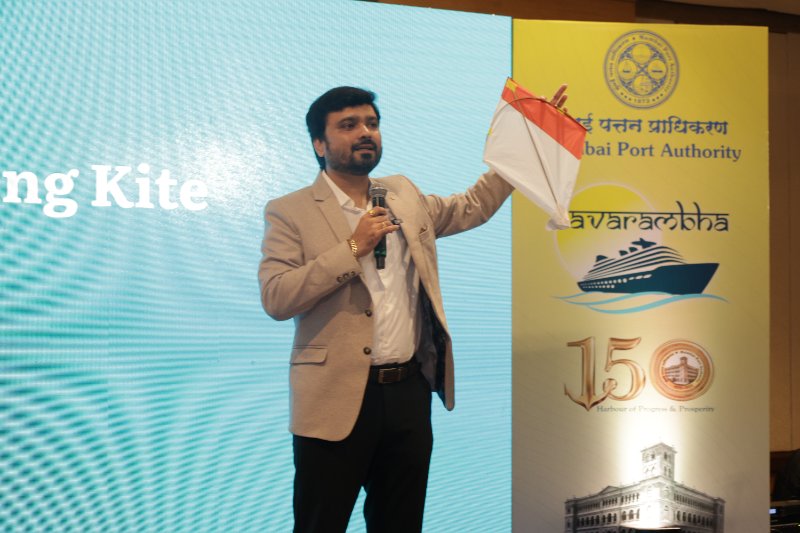
Avinash Chate is an entrepreneur and corporate trainer who runs ABC Trainings and The Future Corporate & Business Coaching, a TEDx speaker and published author. Over the last decade he has trained teams at 1,000-plus organisations and 15,000-plus professionals.
He teaches these skills not from a manual, but because he practises them himself — leading a 100-plus member team of his own. That is the difference working leaders feel in the room.
Handling Difficult People Training — FAQ
What is Handling Difficult People Training?
It is a practical programme that teaches the specific, learnable skill of handling the colleague you can neither fire nor avoid — the chronic complainer, the passive-aggressive peer, the bulldozer, the know-it-all. It builds what actually works: reading the behaviour type and its driver, noticing your own triggers, staying calm and refusing the bait, responding assertively and setting clear boundaries, applying the right tactic for each type, and knowing when to escalate, document or disengage. Unlike generic communication theory, it is built around the real, draining individuals your people deal with, practised in the room until they feel able to handle them.
Who should attend this training?
Managers carrying a difficult report or team member, peers stuck beside a bulldozer or a sniper, project and functional heads who must work through people who resist and undermine, customer-facing and service teams who meet difficult behaviour daily, and HR and People partners who hold the line. It is at its most powerful when run as a team or cohort, so a whole group builds a shared, steady way of responding rather than the skill sitting with one resilient person. It is equally valuable for first-line supervisors on the shop floor and for leaders who set the tone for how much difficult behaviour a culture quietly tolerates.
Isn't handling difficult people just a personality — you either have it or you don't?
No, and that belief is exactly why so many capable people struggle with it. Staying steady with a difficult colleague can look like an innate temperament, but it is really a set of concrete, teachable moves — reading the behaviour type, recognising your own triggers, refusing the bait, holding a boundary without heat, and using the specific tactic that works for the specific person. Like any skill, it strengthens with deliberate practice. The whole point of the programme is to make that practice available, so the calm, effective response becomes something your people can actually do rather than something they envy in others.
Will this fix the difficult person, or just help us cope with them?
It changes the variable you can actually control — your people's response — and that very often changes the difficult person's behaviour too. You will not reform someone's personality, and you do not need to. But when the passive-aggressive dig no longer gets a reaction, when the bulldozer is calmly and consistently stopped, when the complainer's loop gets redirected and closed, the behaviour stops being rewarded and frequently subsides. And where it does not — where the behaviour is genuinely toxic — the programme also teaches when and how to document, escalate or disengage, so the rare unmanageable case is handled properly rather than simply endured.
What does the programme cover?
Seven connected modules: understanding difficult behaviour and your own triggers; the common difficult types and what drives each; staying calm and not taking the bait; assertive responses and setting boundaries; specific tactics for specific types; when to escalate, document or disengage; and extensive role-play practice on your people's real difficult individuals. Every module pairs a short, usable model with practice on situations drawn from your own organisation.
How is the training delivered — and how long does it take?
It is highly interactive — role plays and real, disguised cases, with minimal lecture. The duration is flexible: the same programme runs as a half-day, a full day, a multi-day intensive for a team carrying a genuinely draining dynamic, or a series of shorter modules spread over several weeks so people practise each skill on their own real difficult colleague in between. It also works well as an ongoing rhythm revisited as new situations arise. We shape the exact length and cadence with you. For 20 to 40 participants, sessions are organised into small batches so everyone practises out loud.
Is the programme customised to our organisation?
Yes. Before the first session, the examples and role-play scenarios are built around your context — your industry, your structure, and the real difficult people your team is dealing with, from the immovable operator on the floor to the steamrolling stakeholder in the project room. Generic difficult-people training is exactly what fails; the value is in rehearsing the actual individuals and behaviours your people will face next week, handled in a disguised, respectful way rather than putting anyone on the spot.
Can it be delivered on-site, and in which languages?
Yes. Most engagements are across Maharashtra — Pune, Mumbai, Chhatrapati Sambhajinagar, Nashik, Nagpur and the surrounding MIDC industrial belts — and the programme is equally delivered pan-India and internationally on request. Delivery is available in English, Hindi and Marathi, or a natural mix, which matters especially where emotion and difficult behaviour are involved and people express themselves most honestly in their own language.
What outcomes can we expect?
People who stay steady instead of getting hooked, hold clear boundaries instead of absorbing bad behaviour, and reach a workable outcome with colleagues they used to dread. Difficult individuals who no longer set the emotional temperature of the team, because the reactions that used to reward them have stopped. Less energy lost to workarounds, redone work and quiet resentment, and fewer good people disengaging or leaving over one person no one addressed. And where a situation is genuinely harmful, a team that knows how to document and escalate it cleanly rather than endure it indefinitely.
Why Avinash Chate for this programme?
Avinash Chate is an entrepreneur and corporate trainer who runs a 100-plus member organisation and handles difficult people himself — so he teaches from lived experience, not theory. He is a TEDx speaker and author of The Winning Edge, creator of the KITE leadership framework, and has trained teams at 1,000-plus organisations and more than 15,000 professionals. That combination of real operating experience and his own frameworks is what makes the skill stick for the people in the room.
Related Training Topics
Give your people the skill to handle the one who drains the whole team
Turn the colleague no one can fire or avoid into someone your people can actually manage — staying steady, refusing the bait, setting clear limits and reaching a workable outcome. On-site across Maharashtra, pan-India and internationally, in English, Hindi or Marathi.
Request a Proposal →