Growth Mindset Training
Give your people a hard problem and watch closely — some lean in, and some quietly decide they've hit their limit.
Hand your team a genuinely difficult problem, or let a project fail in front of them, and you will learn more in five minutes than a year of appraisals will tell you. Some people lean into the hard thing, curious, almost energised. Others go quiet, find a reason to step back, and protect their image — and sooner or later you hear the sentence that ends the conversation: "I'm just not good at that." A single stumble becomes proof they've reached the edge of what they can do. A colleague's win lands as a threat instead of a lesson. None of this is a shortage of talent. It is a belief about talent — the quiet, mostly unspoken assumption that ability is fixed, that you either have it or you don't. This programme changes that belief, on purpose, and teaches the one that outperforms it.
★ 5.0 client rating · Across Maharashtra, pan-India & internationally · English, Hindi & Marathi
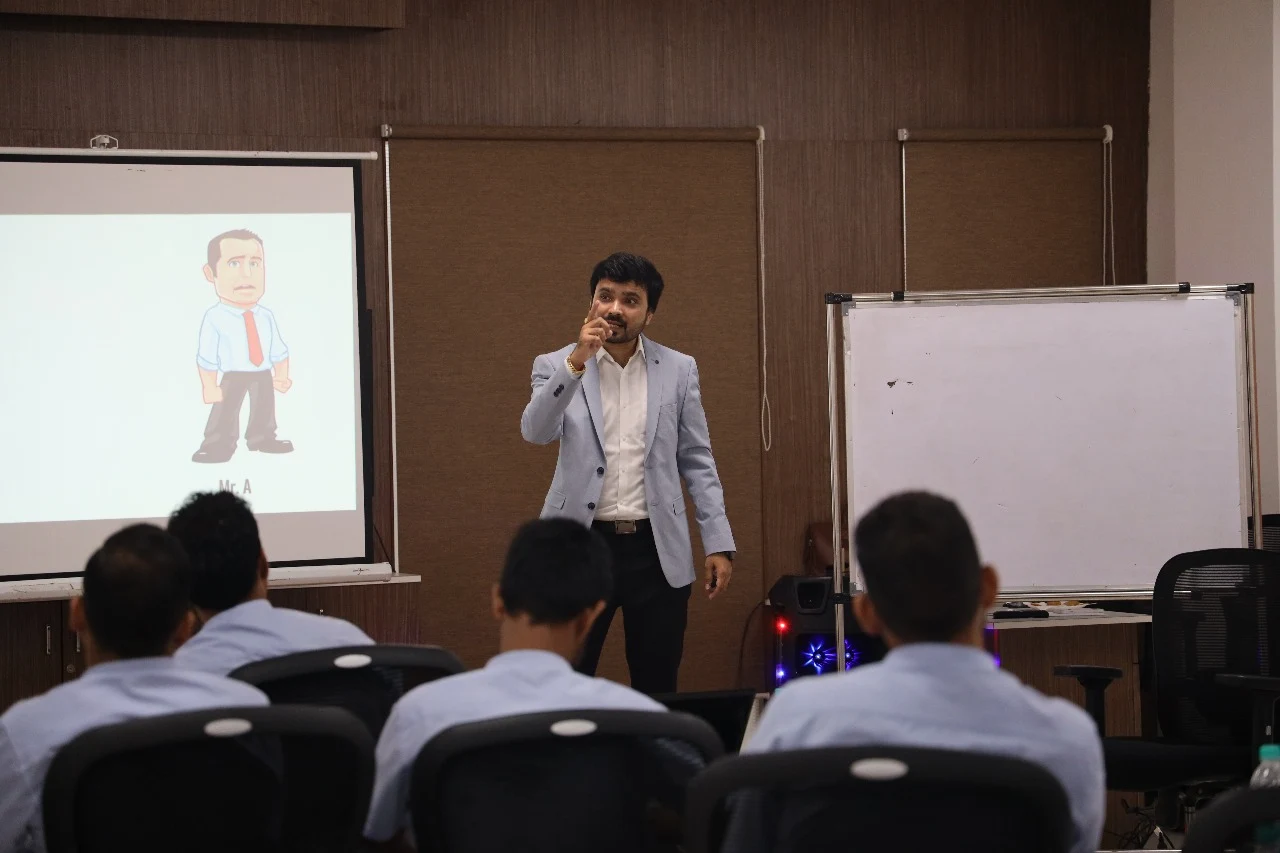
The Ceiling Nobody Admits They've Drawn
It rarely announces itself. Nobody stands up in a review and says "I've decided I can't grow past this point." Instead it shows up as a pattern you feel more than see: the capable person who only ever volunteers for the tasks they already know they'll ace, the one who goes silent the moment a project heads somewhere unfamiliar, the quiet flinch when feedback arrives. Given a stretch assignment, they don't ask "how do I get better at this?" — they ask, privately, "what if this exposes me?" And so they play it safe, defend the reputation they've built, and stay comfortably inside a ceiling they drew themselves.
The cost is easy to miss because nothing dramatic breaks. It just compounds. A team that treats ability as fixed stops volunteering for the hard, career-making work — that goes to someone braver, somewhere else. Setbacks get hidden instead of mined for lessons, so the same mistakes come back around. Talented people plateau not because they've run out of room but because they've stopped believing there's any left. Six months on, the ambitious ones are quietly disengaged and the honest post-mortem — the one no one says out loud — is that the limit was never in the skill. It was in the story your people told themselves about whether the skill could grow.
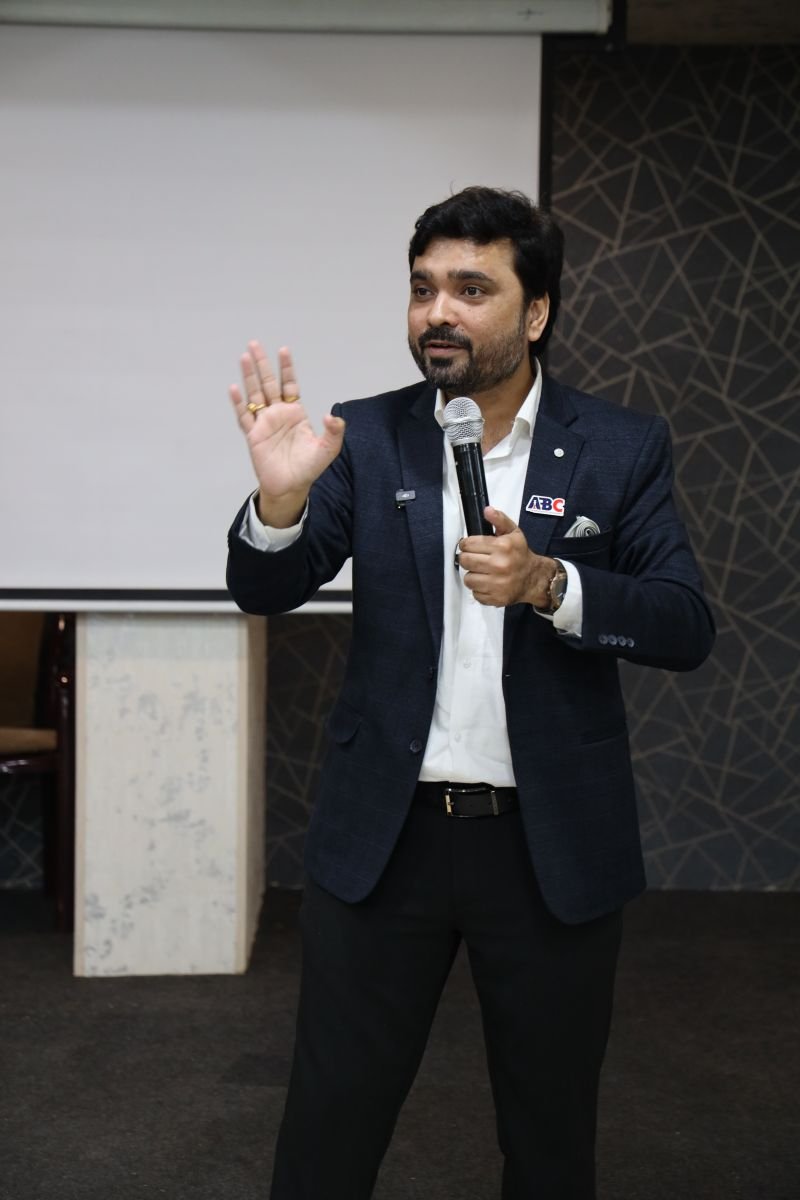
Why It Happens — and Why a Belief Can Be Retrained
Decades of research, most famously Carol Dweck's, point to one deceptively simple variable: what a person believes about the nature of ability. Hold a fixed mindset — the sense that intelligence and talent are fixed quantities you're dealt at birth — and every challenge quietly becomes a test of how much you have. Failure isn't information; it's a verdict. Effort feels like evidence you're not naturally gifted. A peer's success is a measuring stick you come up short against. So you avoid the hard thing, hide the mistake, and shrink your world to what already feels safe — all of it a perfectly logical way to protect a self you believe can't actually change.
Hold a growth mindset — the belief that ability develops through effort, strategy and help — and the very same moments flip meaning. A hard problem becomes a chance to get better. A setback becomes data about what to adjust. Effort becomes the path, not the shame. And this is the part that matters for a business: mindset is not a fixed trait either. It is itself learnable. The brain is genuinely plastic — it rewires with practice at any age — and once people understand that, and are given the language and the reps to catch and reframe their own fixed-mindset moments, the belief shifts. This programme makes that shift deliberate rather than accidental.
Does This Sound Familiar?
If your team shows any of these patterns, it is almost never a talent problem — it is a belief about talent quietly running the show. Here is what you are likely seeing, what it is costing you, and exactly which part of the programme reshapes it.
| The symptom you see | What it is costing you | The real cause | How the programme fixes it |
|---|---|---|---|
| People avoid stretch work and stick to what they're already good at | Your hardest, most career-making projects go undermanned — or go elsewhere | They read a challenge as a test of fixed ability, so the safe move is to not risk it | The Fixed vs Growth module — spotting the belief and choosing the other one |
| A single failure convinces a capable person they've hit their limit | Talented people plateau early and stop reaching, long before they've run out of room | Setbacks are experienced as a verdict on ability rather than feedback on approach | The Reframing Failure module — turning setbacks into data |
| Feedback is met with defensiveness, silence or a bruised ego | The very input that would grow your people bounces off and stops coming | Feedback feels like a threat to identity instead of fuel for improvement | The Feedback & Challenge as Fuel module |
| The moment work gets hard, people conclude "I'm just not good at this" | Effort dries up right at the point where the real learning was about to happen | Struggle is misread as proof of low ability rather than the normal price of growth | The Power of "Yet" module — productive struggle, not "can't" |
| A colleague's success is treated as a threat, not something to learn from | Comparison and quiet insecurity replace shared learning and healthy ambition | In a fixed frame another's win implies your own lack — so it stings instead of teaches | The Growth Culture module — making learning safe and shared |
What Changes When Your Team Believes Ability Can Grow
Picture the same team, six weeks later, meeting a hard problem with curiosity instead of retreat. Someone volunteers for the unfamiliar project precisely because it will stretch them. A failed launch becomes a working session — what did this teach us, what do we change — instead of a search for someone to blame or a reason to go quiet. Feedback is asked for, not braced against. And "I'm not good at this" quietly becomes "I'm not good at this yet," which is a completely different sentence, because it points forward.
Underneath the language, the thing that pays for the whole programme: your people stop protecting a fixed image of themselves and start investing in a growing one. They become more resilient under pressure, more willing to try the thing that might not work, and far more coachable. You don't just get better performance from the talent you have — you get talent that keeps getting better.
What Your Team Will Be Able to Do
- ✓ Recognise fixed-mindset thinking in themselves in real time — the moment it shows up
- ✓ Understand the science of neuroplasticity and why ability genuinely grows with effort
- ✓ Reframe failures and setbacks as usable data instead of verdicts on their ability
- ✓ Use the power of "yet" and stay in productive struggle instead of quitting at hard
- ✓ Treat feedback and challenge as fuel for growth rather than a threat to defend against
- ✓ Replace comparison with learning — using a peer's success as a lesson, not a wound
- ✓ Help build a team culture where trying, stretching and learning out loud are the norm
What the Programme Covers
Seven connected modules that take a team from a quiet, fixed sense of "this is how good I am" to a genuine belief that ability grows — and the daily habits that keep the belief alive. Every module pairs a short, evidence-based input with real practice on the fixed-mindset moments your people actually hit, and ends with a concrete change in how they think and act.
These are building blocks, not a fixed-length course. A two-hour session goes deep on the two or three that matter most to you; a half or full day covers more; a multi-day intensive — or an ongoing monthly, quarterly or half-yearly rhythm — works through them all, with far more practice. We shape which ones, in what order and how deep, with you.
Fixed vs Growth — and How to Catch Your Own
What we cover: The two mindsets and what each quietly assumes about talent. How a fixed mindset turns challenge into threat, effort into shame and a peer's success into a measuring stick — while a growth mindset flips every one of those. Spotting your own fixed-mindset triggers: the situations, words and feelings that switch it on. Why nobody is purely one or the other, and why that is good news.
What changes: Each person can name the belief running underneath their reactions — the first step to choosing a different one.
The Science — Neuroplasticity, Effort and the Brain
What we cover: Why "you either have it or you don't" is simply wrong about how brains work. Neuroplasticity in plain language — how practice physically rewires the brain at any age. What effort is actually doing at the neural level, and why struggle is a sign of learning, not of limitation. The research behind mindset — from Dweck's studies to what we now know about skill acquisition.
What changes: The team stops treating ability as a fixed quantity and starts treating it as something that visibly, biologically grows.
Reframing Failure and Setbacks as Data
What we cover: Why a fixed mindset reads one failure as a final verdict — and what that costs. Separating "I failed" from "I am a failure." Turning a setback into a debrief: what happened, what it teaches, what changes next time. Making mistakes discussable so lessons surface instead of hiding. Borrowing the athlete's and the scientist's relationship with failure as ordinary, useful information.
What changes: Setbacks become the richest source of improvement rather than the moment people decide to stop reaching.
The Power of "Yet" and Productive Struggle
What we cover: The one word — "yet" — that reopens a door a fixed mindset had closed. Why the point where work gets hard is exactly where growth is available, and why quitting there is quitting at the worst possible moment. Staying in the discomfort of not-yet-competent long enough to get competent. Telling productive struggle apart from banging your head at the wrong thing — and knowing when to change strategy rather than give up.
What changes: People stay in the hard part long enough to break through it, instead of retreating to "I'm just not good at that."
Feedback and Challenge as Fuel, Not Threat
What we cover: Why feedback bruises a fixed ego and feeds a growth-minded one. Hearing critique as information about the work rather than a judgement on the self. Actively seeking feedback and hard challenges instead of avoiding them. Responding to a stretch assignment with "how do I get better at this?" rather than "what if this exposes me?" Turning the appraisal, the tough client and the difficult project into growth fuel.
What changes: The input that grows people finally lands — feedback is welcomed and challenge is chosen, not dodged.
Building a Growth-Mindset Team Culture
What we cover: Why individual mindset erodes fast in a culture that punishes mistakes and worships raw talent. Praising effort, strategy and learning rather than "being smart." Making it safe to say "I don't know" and "that didn't work." Turning a colleague's success into a shared lesson rather than a private threat. What leaders say and do that quietly grows — or kills — the belief that ability can develop.
What changes: The team builds an environment where stretching, trying and learning out loud become the norm, so the mindset sticks.
Practice — Turning Real Fixed-Mindset Moments Around
What we cover: Live work on the actual moments your people face: the stretch project they'd rather decline, the failure they'd rather bury, the feedback that stings, the peer's promotion that quietly rankles, the "I'm just not good at numbers / presenting / this new tool." Catching the fixed-mindset reaction as it happens and rewriting it — in the room, on real situations from your own organisation.
What changes: Each person has already turned a real fixed-mindset moment around once, in safety — so the next one, days later, is one they can handle.
How It Is Delivered
This is not a motivational talk about "believing in yourself." It is a working session where a team practises catching and reframing its own thinking. People spend most of their time on real, uncomfortable material — the actual challenges, failures and feedback they meet in their work — learning to notice the fixed-mindset reaction and deliberately choose the growth-minded one. The science is kept clear and memorable so it convinces; the practice, done on live situations from your own organisation, is where the belief actually changes.
The format flexes to your needs. It runs as a focused half-day, a full-day workshop, a multi-day intensive for a leadership or high-potential cohort, or a series of shorter modules spread over weeks so new habits have time to bed in between sessions — and it works especially well as an ongoing rhythm that keeps the mindset alive rather than letting it fade after one event. Sessions are organised into small batches so everyone practises and speaks, not just listens. The exact depth, duration and cadence are shaped with you in the design call.
Formats That Fit Your Calendar
Half-day or full-day workshop
A high-energy session to shift how a team relates to challenge, failure and feedback — ideal as a reset before a demanding quarter or a big change.
Multi-day intensive
Two or more days to go deep — well suited to a leadership programme, a high-potential cohort or a campus-to-corporate batch building the habits early.
Modular series across weeks
Shorter sessions spaced out so each idea — neuroplasticity, "yet", feedback as fuel — is practised on real work between meetings and becomes a habit, not a memory.
An ongoing growth-mindset rhythm
A recurring cadence that keeps the language and the practice alive across the organisation, so the mindset compounds instead of fading after a single event.
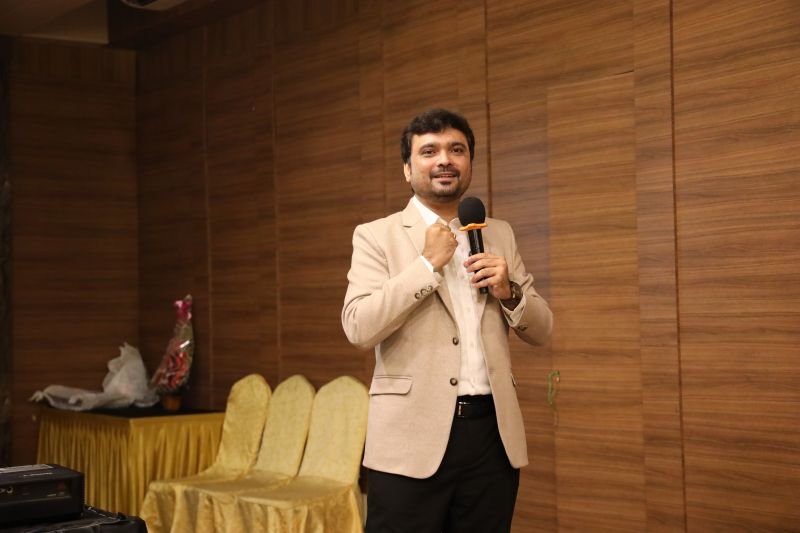
The Thinking Behind It
This programme is not a repackaged self-help talk. It draws on the best research and writing on mindset, learning and mastery — distilled into a few ideas a team can use the same afternoon — and then goes further, into the frameworks Avinash uses to build a growth mindset inside his own 100-plus member organisation.
Ideas & books we draw on
- Mindset — Carol S. Dweck · the foundational research that named fixed vs growth mindset and proved a belief about ability can be changed
- Bounce — Matthew Syed · a compelling case that world-class performance is built through practice and response to failure, not innate talent
- The Art of Learning — Josh Waitzkin · a chess and martial-arts champion on embracing struggle, setbacks and the deep process of getting better
- The Growth Mindset Coach — Annie Brock & Heather Hundley · a practical, week-by-week playbook for growing the mindset in others — language, habits and culture
- Ultralearning — Scott H. Young · an aggressive, strategy-first approach to acquiring hard skills fast — growth mindset turned into method
- Limitless — Jim Kwik · on mindset, motivation and method as the levers that unlock how much anyone can learn
Models we use to build growth mindset
- Fixed vs growth mindset (Carol Dweck) · the belief that ability is fixed versus grows — the single biggest lever on learning and resilience
- The power of "yet" · turning "I can't do this" into "I can't do this yet" — reopening a door the fixed mindset had shut
- The learning zone vs the performance zone · deliberately switching from proving to improving, so growth actually gets space to happen
- Neuroplasticity · the brain physically rewires with practice at any age — the biology that makes "ability grows" literally true
- Deliberate practice · focused, feedback-rich effort at the edge of ability — how growth mindset becomes measurable skill
And Avinash's own frameworks — the part you won't find anywhere else
Beyond the established thinking, the programme is built on frameworks Avinash has created and written about himself — including his KITE leadership framework and the principles in his book The Winning Edge. These come from actually running a 100-plus member organisation and developing its people year after year, not from a textbook. It is the layer competitors cannot copy, and the one your teams remember long after the session ends.
Who It Is For
Any team whose results depend on people being willing to stretch, learn and recover from setbacks — which is nearly every team worth investing in. It is especially valuable for high-potentials and leaders being groomed for bigger roles, for teams facing new tools, markets or ways of working, and for anyone whose talent has quietly plateaued behind a fixed sense of "this is how good I am." Run as a cohort, it gives a whole team a shared language for challenge and failure. In campus-to-corporate pipelines it sets the habit early, before a fixed mindset has a chance to harden.
Taught by Someone Who Builds a Growth Mindset in His Own Team Every Day
Avinash Chate does not teach this from a slide deck. He runs a 100-plus member organisation where stretching people, normalising failure and turning feedback into fuel is how the business actually grows — so the reframes taught here are the real thing, tested on real people and real setbacks. As a TEDx speaker and the author of The Winning Edge, he has spent years on exactly this question of what separates people who keep growing from people who stall. Programmes that build mindset, resilience and learning agility have been delivered across sectors — manufacturing, IT, sales, services and campus-to-corporate batches — to teams making the leap to the next level.
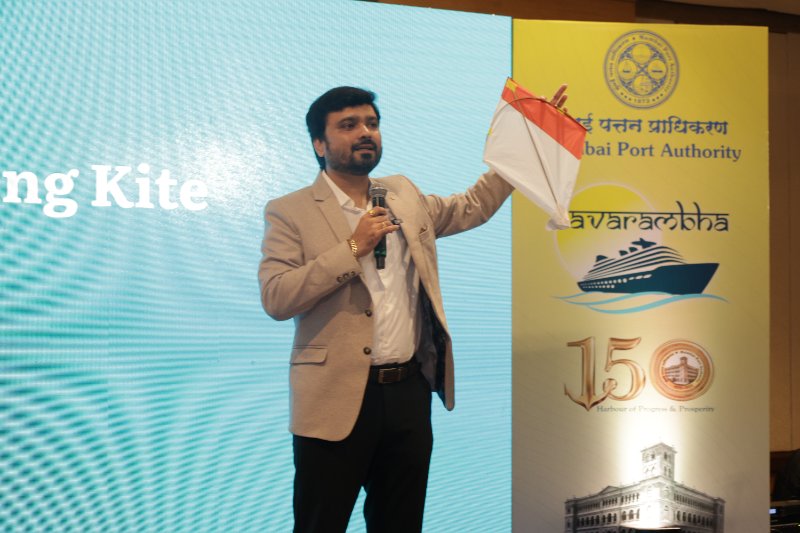
Why Avinash Chate
Avinash Chate is an entrepreneur and corporate trainer who runs ABC Trainings and The Future Corporate & Business Coaching, a TEDx speaker and published author. Over the last decade he has trained teams at 1,000-plus organisations and 15,000-plus professionals.
He teaches these skills not from a manual, but because he practises them himself — leading a 100-plus member team of his own. That is the difference working leaders feel in the room.
Growth Mindset Training — FAQ
What is Growth Mindset Training?
It is a practical development programme that helps people replace the hidden belief that ability is fixed with the belief that ability grows through effort, strategy and help — the single biggest driver of learning, resilience and results. It builds the specific habits that follow from that shift: spotting fixed-mindset thinking as it happens, understanding the neuroscience of why ability really does grow, reframing failure as data, using the power of "yet", treating feedback and challenge as fuel, and building a culture where all of that is normal. Unlike a one-off motivational talk, it is practised on the real challenges and setbacks your people face, until the new thinking becomes a habit.
Who should attend this training?
Any team whose results depend on people being willing to stretch, learn and bounce back — and especially high-potentials and leaders being prepared for bigger roles, teams facing new tools, markets or change, and talented people who have quietly plateaued. It is at its most powerful run as a cohort, so a whole team shares a language for challenge and failure. It is also the natural fit for campus-to-corporate batches, where building the habit early prevents a fixed mindset from setting in.
Isn't a growth mindset something you either have or you don't?
That question is itself a fixed-mindset way of thinking — and the answer is a firm no. Decades of research, most famously Carol Dweck's, show that mindset is learnable: with the right understanding, language and practice, people can genuinely shift how they relate to challenge, effort and failure. The brain is plastic — it rewires with practice at any age — which is exactly why "ability grows" is not a slogan but biology. The whole point of this programme is that the belief can be deliberately retrained, not simply hoped for.
What does the programme cover?
Seven connected modules: fixed versus growth mindset and how to catch your own; the science of neuroplasticity, effort and the brain; reframing failure and setbacks as data; the power of "yet" and productive struggle; feedback and challenge as fuel rather than threat; building a growth-mindset team culture; and extensive practice turning real fixed-mindset moments around. Every module pairs a short, evidence-based input with practice on situations drawn from your own organisation.
How is the training delivered — and how long does it take?
It is highly interactive — real cases, live practice and reflection, with minimal lecture. The duration is flexible: the same programme runs as a half-day, a full day, a multi-day intensive for a leadership or high-potential cohort, or a series of shorter modules spread across weeks so the habits have time to bed in, and it works well as an ongoing rhythm that keeps the mindset alive. We shape the exact length and cadence with you. Sessions are organised into small batches so everyone practises and speaks, not just listens.
How is this different from a motivational talk?
A motivational talk aims to make people feel good for an afternoon; this aims to change how they think and behave for good. The difference is the science and the practice. People leave understanding why ability genuinely grows, not just being told to believe it — and they leave having rehearsed the actual fixed-mindset moments they face at work: the stretch project they'd rather decline, the failure they'd rather bury, the feedback that stings. A belief you have practised acting on is very different from a belief you were merely inspired towards.
Is the programme customised to our organisation?
Yes. Before the first session, the examples and practice scenarios are built around your context — your industry, your challenges, the real setbacks and stretch situations your people face. Generic mindset training is exactly the kind that fades by the following week; the value is in practising the actual reframes your team needs on the actual challenges in front of them, so the shift is relevant and it lasts.
Can it be delivered on-site, and in which languages?
Yes. Most engagements are across Maharashtra — Pune, Mumbai, Chhatrapati Sambhajinagar, Nashik, Nagpur and the surrounding MIDC industrial belts — and the programme is equally delivered pan-India and internationally on request. Delivery is available in English, Hindi and Marathi, or a natural mix, which helps the ideas land honestly with every level of a team, from the shop floor to the leadership room.
What outcomes can we expect?
People who volunteer for stretch work instead of avoiding it, who mine setbacks for lessons instead of hiding them, and who ask for feedback instead of bracing against it. Talented people who keep climbing instead of plateauing behind a fixed sense of their own ceiling. And, over time, a team culture where trying, stretching and learning out loud are simply how things are done — so you get more from the talent you have, and talent that keeps getting better.
Why Avinash Chate for this programme?
Avinash Chate is an entrepreneur and corporate trainer who runs a 100-plus member organisation, where growing people, normalising failure and turning feedback into fuel is how the business actually grows — so he teaches this from lived experience, not theory. He is a TEDx speaker and author of The Winning Edge, creator of the KITE leadership framework, and has trained teams at 1,000-plus organisations and more than 15,000 professionals across manufacturing, IT, sales and services. That combination of real operating experience and his own frameworks is what teams respond to.
Related Training Topics
Turn "I'm just not good at that" into "not yet"
Give your team the belief that outperforms every other — that ability grows — and the daily habits that keep it alive. On-site across Maharashtra, pan-India and internationally, in English, Hindi or Marathi.
Request a Proposal →