Consultative Selling Training
Your reps show up and present before they understand — so the buyer defaults to the one question a pitch invites: "what's your best price?"
Watch a typical sales call and you can feel it go wrong in the first two minutes. The rep opens the laptop, launches the deck, and starts talking — features, differentiators, the shiny bit on slide nine — while the buyer has not yet said a single word about what they are actually trying to fix. The customer sits through the pitch, politely, and then asks the only question a pitch ever earns: "So what's your best price?" Because when a seller leads with the product instead of the problem, they hand the buyer nothing to value except the number at the end. This programme rewires that instinct — it teaches your team to diagnose before they prescribe, to earn the right to recommend, and to become the advisor a buyer wants in the room rather than the vendor they haggle down.
★ 5.0 client rating · Across Maharashtra, pan-India & internationally · English, Hindi & Marathi
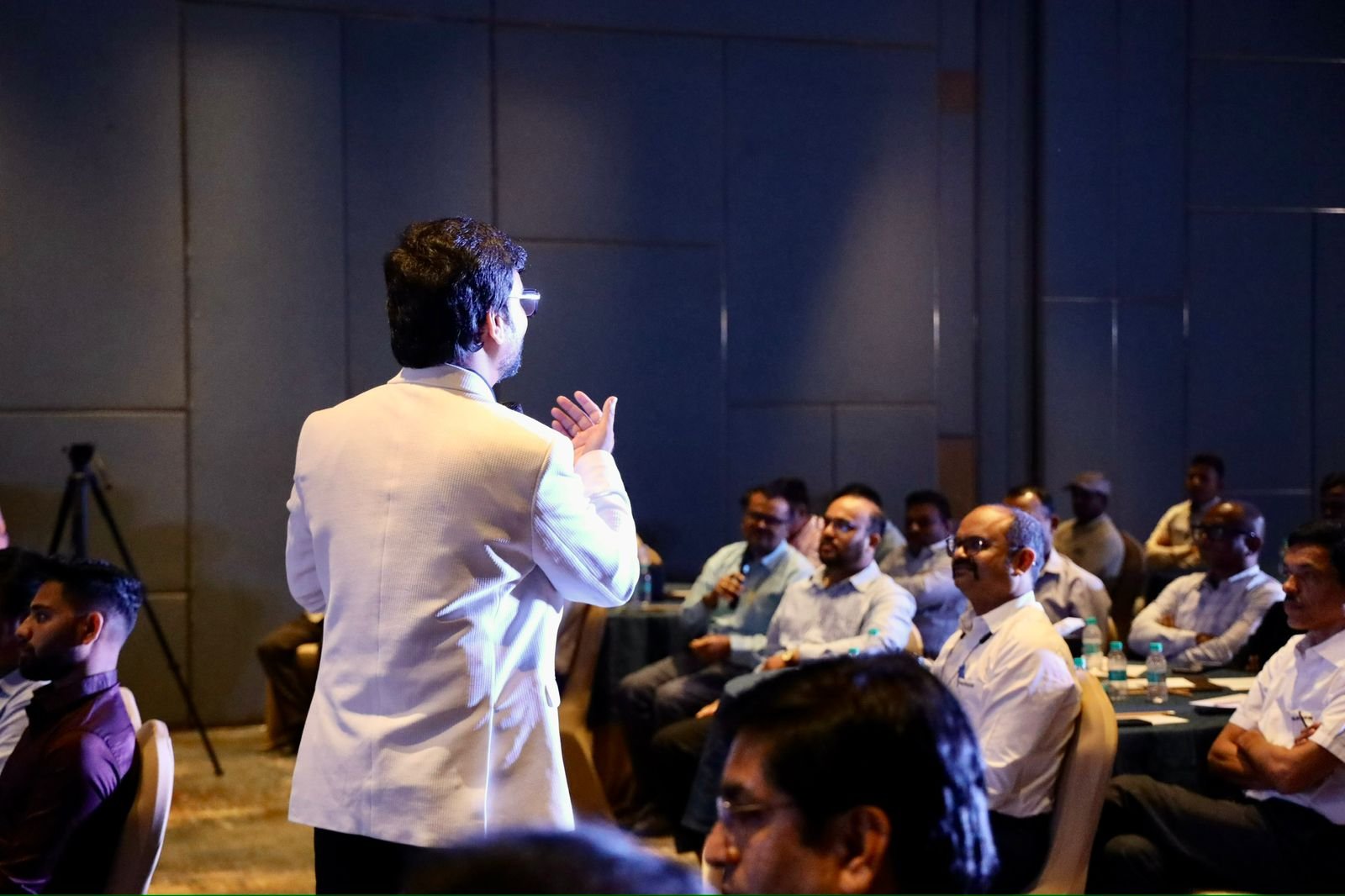
The Pitch That Turns Every Deal Into a Price War
It looks like productivity. The rep is prepared, the deck is polished, the demo is slick — and none of it is landing. The buyer's arms are folded, the questions are all about cost, and the "I'll think about it" is already loading. What has happened is quiet but fatal: the seller told the customer about the product before they understood the customer's problem, so the customer never felt understood — only sold to. And a buyer who feels sold-to protects themselves the only way they know how, by treating what is in front of them as a commodity and squeezing the price.
The cost of this shows up everywhere in your pipeline. Deals that should have closed on value stall on discount requests. Your best people spend the quarter defending margin instead of expanding it. Buyers who could have been partners become adversaries the moment the conversation starts, because the very first move signalled "I am here to sell you something," not "I am here to help you solve something." And the painful part is that your reps are working hard — they are just running the wrong play, presenting when they should be diagnosing, and losing the trust that would have made the price a footnote.
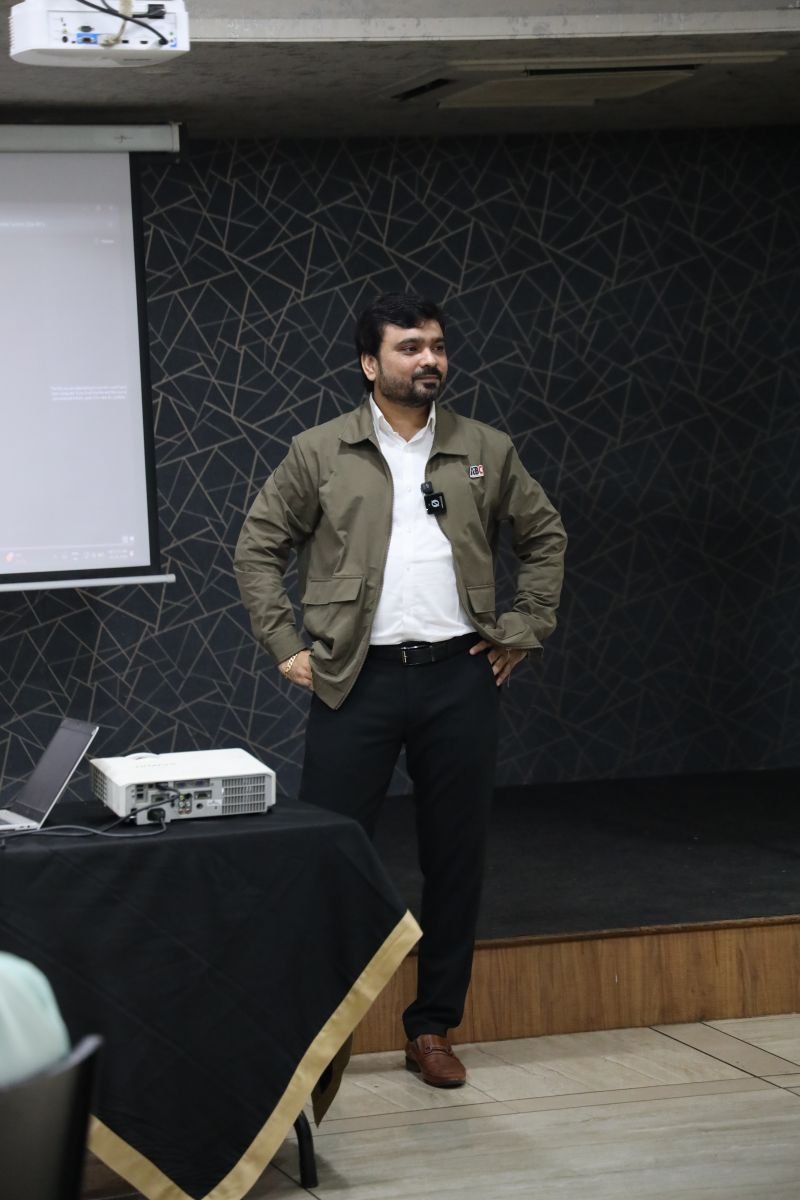
Why Capable Reps Pitch Too Soon — And Why It Is Completely Fixable
The reason is simpler than it looks: presenting feels safe and diagnosing feels risky. A rep knows the product cold, so leading with it is comfortable — it is the ground they are confident on. Asking questions, sitting in the customer's problem, staying quiet long enough to actually hear what is wrong — that feels slow, exposed, like they are not "doing anything." So under target pressure they default to the pitch, mistaking talking for selling. It is not laziness or a lack of drive; it is that no one ever taught them the harder, higher-paid skill of shutting the laptop and understanding the buyer first.
And it is entirely trainable, because consultative selling is a discipline, not a personality trait. There is a real sequence — research the customer's world, ask the questions that surface the pain beneath the pain, connect the solution to that specific problem, then quantify what solving it is worth — and once a rep has practised it, they stop dreading discovery and start owning it. This programme gives your team that sequence and the reps to make it a habit, so they walk into the room as the person the buyer wants to think out loud with, not the one they want off the phone.
Does This Sound Familiar?
If your sales conversations keep collapsing into price and your reps keep pitching before they understand, it is almost never that they lack effort or product knowledge. It is that no one taught them to diagnose before they prescribe. Here is what you are likely seeing, what it is quietly costing, and exactly which part of the programme fixes it.
| The symptom you see | What it is costing you | The real cause | How the programme fixes it |
|---|---|---|---|
| Nearly every deal comes down to "what's your best price?" | Margins bleed, discounting becomes the default, and you win on price or not at all | Reps lead with the product, so the buyer has nothing to value but the number | The Value, Not Features module — quantifying worth so price stops being the whole conversation |
| Reps open the deck and start presenting before the customer has said what they need | The buyer feels sold-to, not helped, and quietly stops trusting the rep | Presenting feels safe; no one taught them to diagnose before prescribing | The Mindset Shift module — from pitching to diagnosing |
| Discovery is shallow — a few surface questions, then straight into the demo | The real problem is never surfaced, so the solution never quite fits | Reps do not have a questioning method to reach the pain beneath the pain | The Questioning & Uncovering Needs module |
| Your team walks in knowing your product but not the customer's business | Reps sound like every other vendor and never earn the "advisor" seat | No habit of researching the customer's world before the meeting | The Understanding the Customer's World module |
| An objection or a stall ends the conversation instead of deepening it | Winnable deals die on "we'll think about it" and never come back | Objections are met defensively rather than as a signal to understand more | The Handling Objections Consultatively module |
What Changes When Your Reps Diagnose Before They Sell
Picture your team walking into the room and closing the laptop first. Asking the questions that make a buyer stop and say, "That's a good question — no one's asked me that." Mapping the customer's real problem before a single feature is mentioned, then connecting your solution to exactly that, in the customer's own words. Talking about what solving the problem is worth — in rupees, in time, in risk removed — so the price lands as an investment, not a cost. Meeting an objection with a question instead of a rebuttal, and watching the buyer talk themselves toward the decision.
And underneath it, the shift that changes your whole pipeline: your reps stop being vendors the customer haggles with and become advisors the customer wants in the room. Deals close on value instead of discount. Margin holds. And the buyer who used to ask "what's your best price?" starts asking "what do you think we should do?" — which is the question every seller is actually trying to earn.
What Your Sales Team Will Be Able to Do
- ✓ Make the shift from pitching to diagnosing — leading with the customer's problem, not the product
- ✓ Research a customer's business and world so they walk in as an informed advisor, not another vendor
- ✓ Ask layered questions that surface the real need — the pain beneath the stated pain
- ✓ Connect the solution to the buyer's specific problem, in the buyer's language, not a feature dump
- ✓ Quantify value in the buyer's terms so price becomes an investment case, not a haggle
- ✓ Handle objections and stalls consultatively — as a signal to understand more, not a fight to win
- ✓ Earn trust as an advisor and move the buyer to a decision without pressure or discount-led closing
What the Programme Covers
Seven connected modules that take a seller from pitching on autopilot to diagnosing with confidence. Every module pairs a short, practical input with real practice on live deals from your own pipeline — and ends with a concrete change in how your team sells.
These are building blocks, not a fixed-length course. A two-hour session goes deep on the two or three that matter most to you; a half or full day covers more; a multi-day intensive — or an ongoing monthly, quarterly or half-yearly rhythm — works through them all, with far more practice. We shape which ones, in what order and how deep, with you.
The Mindset Shift — From Pitching to Diagnosing
What we cover: Why leading with the product is the fastest route to a price war, and why the buyer only ever values the number when the seller pitches first. The core reframe: a seller's job is to diagnose a problem before prescribing a solution, exactly like a doctor who would never write a prescription before examining the patient. Why presenting feels safe but diagnosing is where trust and margin are actually made. Killing the reflex to open the laptop, and learning to earn the right to recommend before recommending anything.
What changes: The rep stops walking in to present and starts walking in to understand — the shift every other skill in the programme depends on.
Understanding the Customer's World
What we cover: Doing the homework that separates an advisor from a vendor: researching the customer's industry, business model, pressures and the specific role of the person across the table before the meeting. Understanding what the buyer is measured on and what keeps them up at night. Mapping the buying committee — who feels the pain, who signs, who can block. Walking in with a point of view about their business, not just a pitch about your product, so the first conversation already sounds different.
What changes: The rep enters every meeting already credible — talking about the customer's business first, which is what buys the right to talk about the solution at all.
Questioning — Uncovering the Real Need
What we cover: The engine of consultative selling: a questioning discipline that moves from the customer's situation, to the problem, to the full impact of that problem, to the value of solving it. Reaching the pain beneath the stated pain — the operational problem that is really an executive problem in disguise. The discipline of listening more than talking, of silence, of the follow-up question. Distinguishing a latent problem the buyer has rationalised away from an active one, and helping them see the cost of the gap.
What changes: The rep runs discovery that makes the buyer feel genuinely understood — and surfaces the real problem the solution will be built around.
Connecting Solution to Problem — Value, Not Features
What we cover: Turning discovery into a recommendation the buyer sees as their own: mapping specific capabilities to the specific problems the customer named, in the customer's language, never a feature dump. Building the value case — quantifying the cost of the problem and the worth of solving it in rupees, time saved and risk removed. Why "features tell, value sells," and how to make the price land as an investment against a number the buyer already agreed is real. Tailoring the story to each stakeholder's stake.
What changes: The rep presents a solution the buyer recognises as the answer to their own problem — so price becomes a case to make, not a war to fight.
Handling Objections Consultatively
What we cover: Treating an objection as information, not opposition. Why the defensive rebuttal kills trust and the curious question deepens it. Separating a real concern from a smokescreen, and surfacing the unspoken hesitation behind "we'll think about it," "send me a proposal" and "it's too expensive." Handling the price objection without reflex discounting — reconnecting to value instead. Slowing down to understand before answering, so the objection becomes the moment the buyer feels most heard.
What changes: The rep meets resistance with curiosity instead of pressure — turning the objection that used to end deals into the conversation that advances them.
Earning Trust as an Advisor — and Closing
What we cover: Becoming the person the buyer wants to think out loud with: the behaviours that build credibility, candour and genuine intent to help the customer succeed. The confidence to walk away from a bad-fit deal, and why that willingness is what earns trust. Closing as the natural next step of a well-run diagnosis, not a high-pressure event — agreeing next actions, confirming the value, and helping the buyer decide. Building the relationship beyond the single deal into the reason they call you first next time.
What changes: The rep closes on trust and value rather than pressure and discount — and leaves the buyer wanting them in the room for the next decision too.
Practice — Role Plays on Your Real Deals
What we cover: Live role plays on the moments that decide a consultative sale, using real deals from your own pipeline: the opening that resists the urge to pitch, the discovery call that reaches the real pain, the value conversation that reframes price, the objection that used to stall the deal, the close that feels like a decision rather than a squeeze. Practised in the room, on your actual accounts, with feedback — so the new habits are lived once in safety before the real call.
What changes: The rep walks out having already run the hard conversations once, on real deals — so the next live call feels like a repeat, not a first attempt.
How It Is Delivered
This is not a lecture about sales theory. It is a workshop where your team practises the job on their own live deals. Reps spend most of their time on their feet — role-playing the discovery call, the value conversation, the price objection — using real accounts from your pipeline, not made-up scenarios. The models are kept simple and immediately usable; the practice is where the selling behaviour actually changes. Managers can join so the coaching continues in the field long after the session.
The format flexes to your needs. It runs as a focused half-day, a full-day workshop, a multi-day intensive for a full sales team, or a series of shorter modules spread across a quarter so each skill is embedded through real deals between sessions — and it works beautifully as an ongoing programme tied to your sales rhythm and QBRs. For 20 to 40 participants it is organised into small batches so every rep practises, not just listens. The exact depth, duration and cadence are shaped with you in the design call.
Formats That Fit Your Calendar
Half-day or full-day workshop
A high-impact session to shift a sales team from pitching to diagnosing quickly — ideal ahead of a big quarter or a new product push.
Multi-day intensive
Two or more days to go deep on the full consultative sequence — perfect for a whole sales force, a new-hire cohort, or a channel-partner team you want selling on value.
Modular series across the quarter
Shorter sessions spread across a selling cycle, so each skill is practised on live deals between sessions and reinforced in real pipeline reviews.
An ongoing sales-capability programme
Run it on a recurring rhythm tied to your QBRs and onboarding — making consultative selling the permanent way your team sells, not a one-off event.
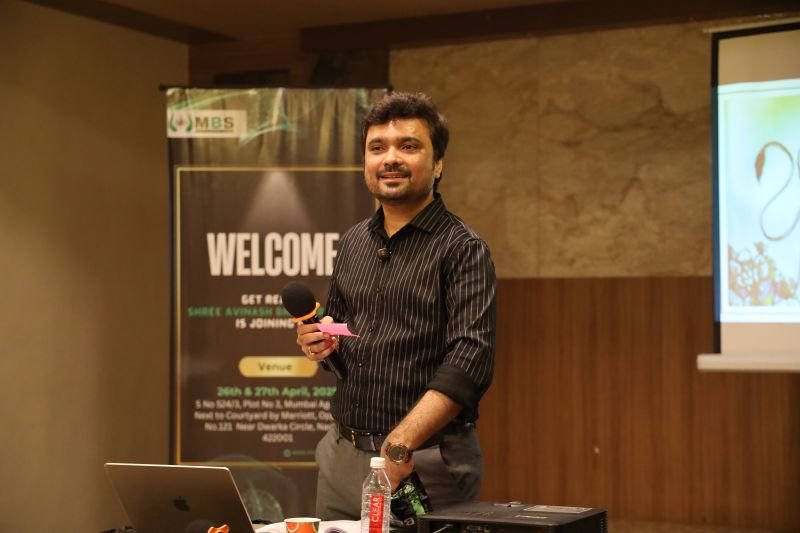
The Thinking Behind It
This programme is not a generic sales deck. It draws on the definitive writing and research on consultative, solution and value selling — distilled into a few methods reps can use on Monday — and then goes further, into the frameworks Avinash uses to build sales capability across the 1,000-plus organisations he has trained and inside his own 100-plus member organisation.
Ideas & books we draw on
- Solution Selling — Michael Bosworth · the classic that made "diagnose the buyer's pain before you prescribe" the spine of modern selling
- Consultative Selling — Mack Hanan · the book that named the shift — from vendor pushing product to advisor improving the customer's business
- Insight Selling — Mike Schultz & John Doerr · the research on what sales winners do differently — bringing insight, not just answering the brief
- Let's Get Real or Let's Not Play — Mahan Khalsa & Randy Illig · the FranklinCovey approach to selling by helping the client succeed, with candour instead of pressure
- Secrets of Question-Based Selling — Thomas Freese · a practical system for how and what to ask — because you must uncover a need before you present a thing
- Little Red Book of Selling — Jeffrey Gitomer · the blunt reminder that people buy for their reasons, not yours — value first, price last
Models your sales team will use
- Diagnose before prescribe · the doctor's rule of consultative selling — understand the problem fully before recommending anything
- SPIN questioning (Neil Rackham) · Situation, Problem, Implication, Need-payoff — the question sequence that surfaces and grows the real need
- The buyer's pain chain (Solution Selling) · mapping how an operational problem becomes a management and executive one, so you sell to the whole impact
- Value quantification · translating the problem and its fix into rupees, time and risk, so price is weighed against a real number
- Solution mapping · linking each capability to a specific problem the buyer named, in their language — not a feature dump
And Avinash's own frameworks — the part you won't find anywhere else
Beyond the established thinking, the programme is built on frameworks Avinash has created and written about himself — including his KITE leadership framework and the principles in his book The Winning Edge. These come from actually running a 100-plus member organisation and developing its people year after year, not from a textbook. It is the layer competitors cannot copy, and the one your sales teams remember long after the session ends.
Who It Is For
Anyone whose results depend on winning trust before winning the deal — B2B field and inside sales reps, account managers, business development and pre-sales teams, and the technical experts who join sales calls and need to sell on value, not just explain the product. It is especially powerful run as a whole-team cohort, so your sales force builds one shared language for discovery, value and objection-handling. For teams selling considered, higher-value or solution-led offerings — across manufacturing, IT, industrial products, financial and professional services — it is the difference between being shortlisted as an advisor and being squeezed as a vendor.
Taught by Someone Who Sells Consultatively Every Week
Avinash Chate does not teach this from a textbook. He runs a 100-plus member organisation and wins its business himself — so the diagnosing, value-building and objection-handling taught here are the real thing, tested in his own sales conversations, not lifted from a slide. Programmes that build consultative and value-selling capability have been delivered across sectors, from manufacturing and industrial sales teams competing on price, to IT, BFSI and services organisations that must sell a solution rather than a spec sheet.
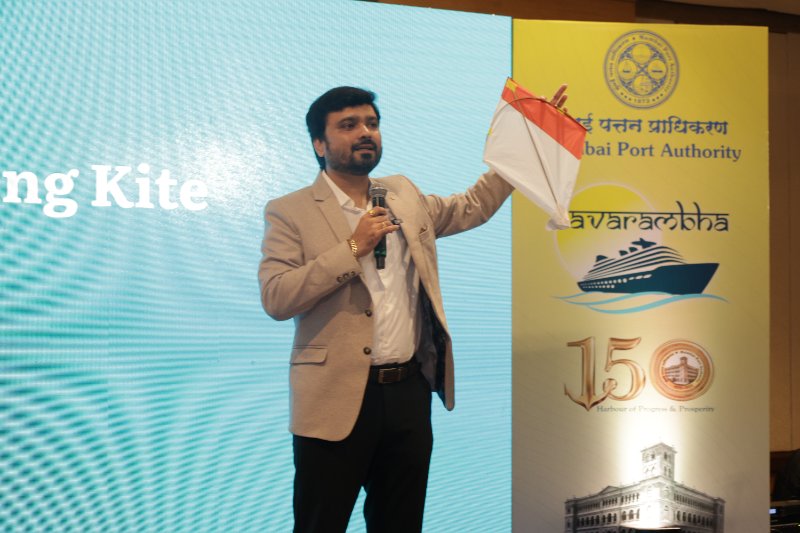
Why Avinash Chate
Avinash Chate is an entrepreneur and corporate trainer who runs ABC Trainings and The Future Corporate & Business Coaching, a TEDx speaker and published author. Over the last decade he has trained teams at 1,000-plus organisations and 15,000-plus professionals.
He teaches these skills not from a manual, but because he practises them himself — leading a 100-plus member team of his own. That is the difference working leaders feel in the room.
Consultative Selling Training — FAQ
What is Consultative Selling Training?
It is a practical development programme that teaches sales teams to sell by diagnosing the customer's problem before prescribing a solution — the opposite of leading with a pitch. Rather than opening with the deck and the demo, the rep researches the customer's world, asks layered questions that uncover the real need, connects the solution to that need in the buyer's own language, quantifies value instead of listing features, and handles objections and price consultatively. Because the buyer feels understood rather than sold-to, the conversation moves from "what's your best price?" to "what do you think we should do?" It is often called solution selling or value selling, and unlike generic sales theory it is built around your team's real deals and practised in the room until the new habits stick.
Who should attend this training?
B2B field and inside sales reps, account managers, business development and pre-sales teams, and the technical or product experts who join sales calls and need to sell on value. It is at its most powerful when run as a whole-team cohort, so your entire sales force builds one shared language for discovery, value and objection-handling. It is also a natural fit for new sales hires who need to learn the consultative approach from day one, and for channel partners you want representing you as advisors rather than order-takers.
Will this help us stop competing only on price?
Yes — that is the core of it. Deals collapse into price when the seller leads with the product, because the buyer has nothing else to value but the number. The programme teaches reps to surface the real problem, quantify what solving it is worth in the buyer's own terms, and present the solution as an investment against a cost the buyer has already agreed is real. When value is established before price is discussed, the price becomes a case to make rather than a war to fight, and discounting stops being the only lever your team has.
What does the programme cover?
Seven connected modules: the mindset shift from pitching to diagnosing; researching and understanding the customer's world; questioning to uncover the real need; connecting the solution to the problem through value rather than features; handling objections and price consultatively; earning trust as an advisor and closing; and extensive role-play practice on your own live deals. Every module pairs a short, usable method with practice on situations drawn from your actual pipeline.
How is the training delivered — and how long does it take?
It is highly interactive — role plays and real deals, with minimal lecture. The duration is flexible: the same programme runs as a half-day, a full day, a multi-day intensive for a whole sales team, or a series of shorter modules spread across a quarter so skills are embedded on live deals between sessions, and it works well as an ongoing programme tied to your sales rhythm. We shape the exact length and cadence with you. For 20 to 40 participants, sessions are organised into small batches so every rep practises rather than just watches.
Is the programme customised to our business and what we sell?
Yes. Before the first session, the questions, value cases and role-play scenarios are built around your context — your industry, your offering, your buyers, and the real objections and price pressures your team faces. Reps practise on their own accounts, not invented ones. Generic sales training is exactly what fails to change behaviour; the value is in rehearsing the actual discovery calls, value conversations and objections your people will meet next week.
Does this work for technical or solution sales, not just simple products?
It is built for exactly that. The more considered, technical or solution-led the sale, the more the consultative approach matters — because the buyer needs to be understood, not pitched, and the value has to be constructed rather than assumed. The programme is especially effective for teams selling industrial products, capital equipment, IT and software, BFSI and professional services, where competing on a spec sheet or a price line loses to a rep who can diagnose the problem and quantify the fix.
Can it be delivered on-site, and in which languages?
Yes. Most engagements are across Maharashtra — Pune, Mumbai, Chhatrapati Sambhajinagar, Nashik, Nagpur and the surrounding MIDC industrial belts — and the programme is equally delivered pan-India and internationally on request. Delivery is available in English, Hindi and Marathi, or a natural mix, which matters especially for field sales teams selling across regional markets and to buyers who are most comfortable in their own language.
What outcomes can we expect?
Reps who diagnose before they pitch, run discovery that makes buyers feel understood, and talk value before price — from their next calls, not after a painful year of lost margin. Fewer deals decided on discount and more won on trust and fit. Sales conversations that move from "what's your best price?" to "what do you think we should do?" And, over time, a sales team that customers treat as advisors they call first, rather than vendors they line up to squeeze.
Why Avinash Chate for this programme?
Avinash Chate is an entrepreneur and corporate trainer who runs a 100-plus member organisation and wins its business through consultative selling himself — so he teaches diagnosing, value-building and objection-handling from lived experience, not theory. He is a TEDx speaker and author of The Winning Edge, creator of the KITE leadership framework, and has trained teams at 1,000-plus organisations and 15,000-plus professionals across manufacturing, IT, BFSI and services. That combination of real selling experience and his own frameworks is what working sales teams respond to.
Related Training Topics
Turn your reps from vendors into advisors
Give your sales team the skill no one taught them — diagnosing before prescribing, uncovering the real need, quantifying value, and handling price without discounting. On-site across Maharashtra, pan-India and internationally, in English, Hindi or Marathi.
Request a Proposal →