Train-the-Trainer Programme
Knowing your subject and being able to teach it are two entirely different skills.
You have brilliant people. The engineer who understands the plant better than the drawings do. The product expert who can answer any question thrown at them. The manager with twenty years of hard-won judgement. So you ask them to train the team — and something deflates in the room. What comes out is a firehose: every fact they own, poured over people at speed, in a deck with ninety slides. The audience nods, checks a phone, forgets most of it by lunch, and applies almost none of it on the job the next week. The expert did nothing wrong. They simply were never taught the second skill — how to move what is in their head into someone else's, and make it stay. This programme teaches that skill.
★ 5.0 client rating · Across Maharashtra, pan-India & internationally · English, Hindi & Marathi
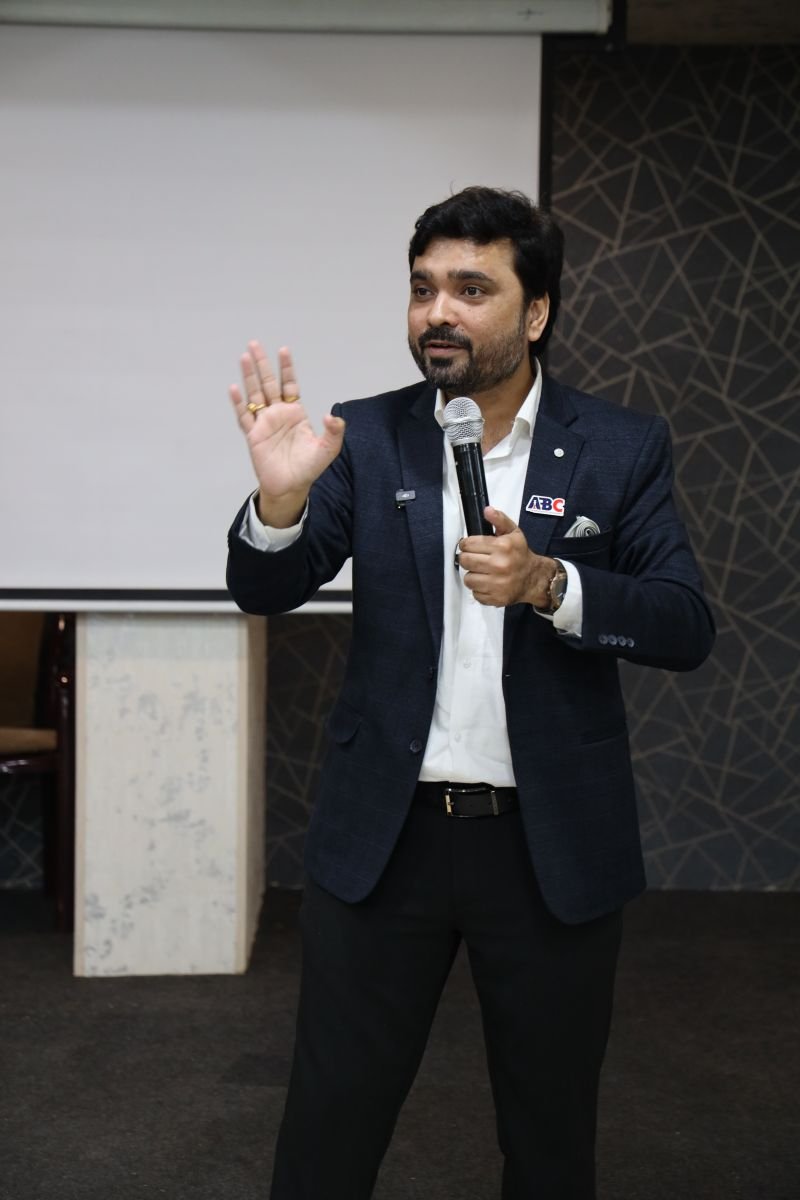
The Expert Who Knows Everything — and Can't Make It Land
It happens in every organisation that promotes on competence. The person who knows the most is asked to teach it, and everyone assumes the knowing is the hard part. It is not. Put your best SME in front of a room and, untrained, they do the only thing that feels safe — they tell. They cover everything, because leaving anything out feels like doing the job badly. They talk for hours, answer their own questions, and mistake the silence in the room for understanding. It is death by PowerPoint, delivered with the best of intentions by someone who genuinely cares.
And the waste is enormous, precisely because it is invisible. You paid for the room, the trainer's day, the participants' time away from work — and bought a morning people sat through and a skill that never showed up on the floor. Worse, the audience concludes they are bad at learning it, when the truth is it was never taught in a way a human could absorb. The knowledge was all there. It simply never made the jump from the expert's head to the team's hands.
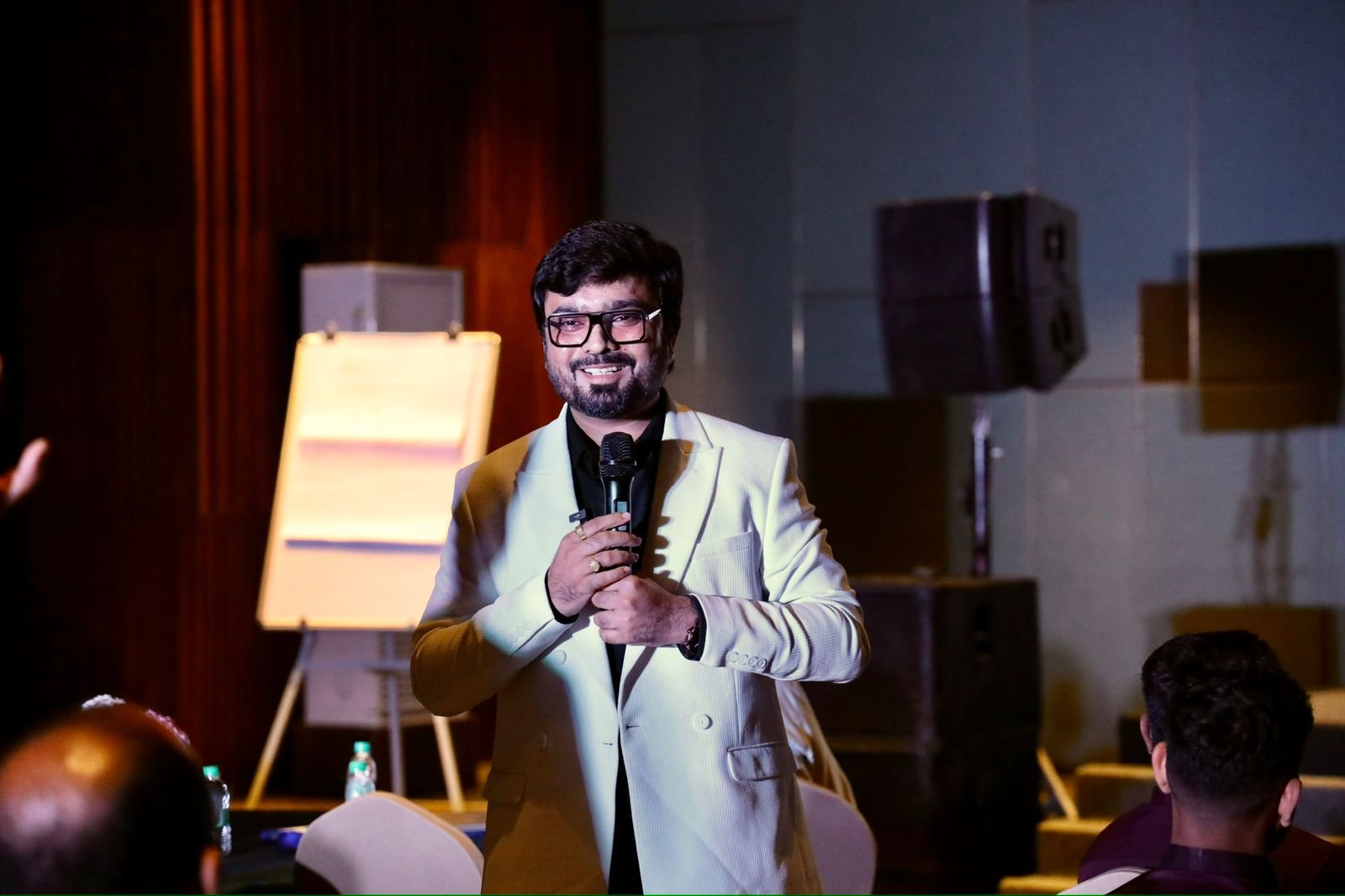
Why Great Experts Make Poor Trainers — And How That Changes
Here is what no one says when they hand an expert a training slot: deep knowledge and the ability to transfer it are unrelated skills. In fact expertise often gets in the way — the expert has forgotten what it felt like not to know, so they skip the very steps a beginner needs and pitch everything at their own level. Real teaching is a different craft entirely. It is about what the learner does, not what the trainer covers — designing for how adults actually take in and retain information, building in practice, reading the room, and engineering the moment the idea clicks. Telling is not training; being interesting is not the same as being understood.
None of this is a talent you are born with. It is a set of learnable skills — how to structure a session so it sticks, how to pull participation instead of pushing content, how to handle the sceptic and the silent room, how to make sure the learning survives contact with Monday morning. Your SMEs were hired for what they know and never shown how to teach it. This programme closes exactly that gap — deliberately, with practice, so the expertise you already have inside the building finally gets transferred instead of merely displayed.
Does This Sound Familiar?
If your internal training is landing softly, it is almost never that you picked the wrong experts. It is that no one taught them to teach. Here is what you are likely seeing, what it is quietly costing, and exactly which part of the programme fixes it.
| The symptom you see | What it is costing you | The real cause | How the programme fixes it |
|---|---|---|---|
| Your trainer talks the whole time and the room just listens | Participants disengage within minutes and retain a fraction of what was covered | The expert defaults to telling — the only mode they know — because no one taught them to teach | The Engagement module — activity, discussion and practice over lecture |
| People nod through the session and then don't apply any of it at work | You paid for training time and a skill that never reaches the job | The session was designed to cover content, not to change what people can do | The Backward Design module — building from the learning outcome |
| The trainer crams in everything they know and overwhelms the room | Nothing sticks; volume drowns the few points that actually mattered | Expertise blinds them to what a learner can absorb — they pitch at their own level | The Andragogy module — how adults actually learn |
| A tough question or a sceptic in the room throws your trainer completely | Authority evaporates and the whole group's confidence in the session goes with it | They have subject knowledge but no facilitation skill or presence under pressure | The Difficult Participants module — questions and challenge |
| Learning fades within a week and never becomes a habit on the job | The same content gets re-trained repeatedly, and behaviour never actually changes | The session ended at the classroom door, with nothing built in to make it transfer | The Make It Stick module — retention and transfer to the job |
What Changes When Your Trainers Are Actually Trained
Picture the same expert, now standing in front of the same room, running it completely differently. They open with why it matters to the people in front of them, not with slide one of ninety. They talk less and the room does more — discussing, trying, getting it wrong safely, getting it right. They read the faces, slow down where it is landing hard, and handle the awkward question without losing the room. People leave able to do something they could not do that morning, and it is still there a week later, on the job, where it counts.
And underneath it, the quiet compounding win: the deep knowledge already inside your organisation finally moves. Your best people stop being walking encyclopaedias no one can learn from and become multipliers — every session they run makes the whole team better. You built the expertise once. Now, at last, you can transfer it as often as you like.
What Your Trainers Will Be Able to Do
- ✓ Understand how adults actually learn — and why lecturing at them fails
- ✓ Design a session backward from a clear learning outcome, not forward from a pile of content
- ✓ Pull genuine engagement through activity, discussion and practice instead of talking at the room
- ✓ Facilitate with presence and control — reading the room and managing energy, time and flow
- ✓ Build in retention and transfer so the learning survives past the classroom and reaches the job
- ✓ Handle difficult participants, sceptics and hard questions without losing authority
- ✓ Deliver, receive coaching, and refine their own training with honest video feedback
What the Programme Covers
Seven connected modules that take a subject-matter expert from "knows it" to "can teach it so it sticks". Every module pairs a short, practical input with real practice on the trainer's own material — and ends with a concrete change in how they run a room.
These are building blocks, not a fixed-length course. A two-hour session goes deep on the two or three that matter most to you; a half or full day covers more; a multi-day intensive — or an ongoing monthly, quarterly or half-yearly rhythm — works through them all, with far more practice. We shape which ones, in what order and how deep, with you.
How Adults Actually Learn — and Why Lecture Fails
What we cover: The difference between how children are schooled and how adults learn — why grown professionals learn from relevance, experience and problem-solving, not from being talked at. Why the brain discards a monologue and remembers what it does. The expert's curse — forgetting what it was like not to know, and pitching everything too high. Why "I covered it" is not "they learned it", and what attention and memory actually require.
What changes: The trainer stops measuring success by how much they told and starts measuring it by what the learner can now do — the shift everything else is built on.
Designing a Session Backward from the Outcome
What we cover: Starting from the single question that changes everything — what should people be able to do differently when they walk out? Writing a real, observable learning outcome and designing everything back from it. Cutting the content that serves the expert's ego but not the learner's need. Sequencing a session so each part builds on the last, with a strong open and a close that lands. Turning a ninety-slide brain-dump into a lean, purposeful arc.
What changes: The trainer designs sessions that change behaviour on purpose, instead of covering everything they know and hoping something sticks.
Engagement — Activity and Practice Over Telling
What we cover: Why telling is not training, and how to pull participation instead of pushing content. Building in discussion, small-group work, practice and application so the room does the work, not just the trainer. Designing an activity that teaches a point better than a slide ever could. Asking questions that make people think rather than answering your own. Keeping energy up across the day and turning passive audiences into active participants.
What changes: The trainer runs a room where people learn by doing — engaged, involved and retaining far more than any lecture could deliver.
Facilitation and Presence in the Training Room
What we cover: The shift from presenter to facilitator — guiding learning rather than performing knowledge. Commanding the room with voice, body and calm rather than volume. Managing time, energy and flow so a session neither drags nor stampedes. Reading the room — spotting confusion, boredom and the moment to change gears. Handling silence, drawing out the quiet, and creating a climate where people feel safe to try, ask and get it wrong.
What changes: The trainer holds a room with genuine presence and control, so the session runs on their intent rather than the group's mood.
Making Learning Stick and Transfer to the Job
What we cover: Why most learning evaporates within days, and what actually fights forgetting — spacing, retrieval, practice and testing over re-reading. Designing for transfer so the skill shows up on the floor, not just in the room. Building reinforcement, application tasks and follow-through into and beyond the session. Connecting every point to the participant's real work so it has somewhere to land. Measuring whether the training actually changed anything, not just whether people enjoyed it.
What changes: The trainer's sessions produce learning that survives past the classroom door and shows up as changed behaviour on the job.
Handling Difficult Participants and Hard Questions
What we cover: Staying in control when the room tests you — the sceptic, the dominator, the silent resister, the side-conversation. Fielding a question you do not know the answer to without losing authority. Managing the expert who wants to argue and the group that has checked out. Turning challenge into engagement rather than confrontation. Recovering when a session goes sideways, and protecting the learning of the whole room from the behaviour of one person.
What changes: The trainer handles the hardest moments in a room with composure, so difficulty becomes a chance to build credibility rather than lose it.
Practice — Deliver, Get Coached, See Yourself on Video
What we cover: Every trainer designs and delivers a real segment of their own material to the group. Structured, honest feedback from the facilitator and peers on what landed and what did not. Reviewing yourself on video — the single fastest way to see the habits you cannot feel while presenting. Applying the whole programme live, then refining and delivering again. Practising on the actual content your trainers will teach back in the business, not a generic case.
What changes: The trainer walks out having already stood up, been coached, and watched themselves improve — with visible, practised confidence rather than borrowed theory.
How It Is Delivered
This programme is run exactly the way it teaches trainers to run a room — by doing, not by lecturing about doing. Participants spend most of their time on their feet: designing sessions, running activities, facilitating each other, and delivering real segments of their own material. Every input is short and immediately applied. The centrepiece is coached practice with video feedback, because nothing changes a trainer faster than seeing themselves on screen and being shown, kindly and specifically, exactly what to do differently.
The format flexes to your needs. It runs as a focused half-day introduction, a full-day workshop, a multi-day intensive to certify a cohort of internal trainers, or a modular series spread over weeks so trainers practise, go teach, and return with real experience to work on — and it works beautifully as an ongoing programme that keeps developing your trainer bench as people rotate in. For 12 to 25 participants it is organised into small batches so every trainer delivers and is coached, not just watches. The exact depth, duration and cadence are shaped with you in the design call.
Formats That Fit Your Calendar
Half-day or full-day workshop
A high-impact session to lift a group of SMEs from telling to teaching — ideal before a wave of internal training or a product rollout.
Multi-day trainer certification intensive
Several days to go deep and certify an internal-trainer or master-trainer cohort — with every participant delivering, being coached and re-delivering.
Modular series across weeks
Shorter sessions spaced out so trainers learn, go run a real session, and come back with live experience to refine — the way skill actually builds.
An ongoing trainer-development programme
Run it each time fresh SMEs join the training pool, making trainer capability a permanent, renewable strength rather than a one-off event.
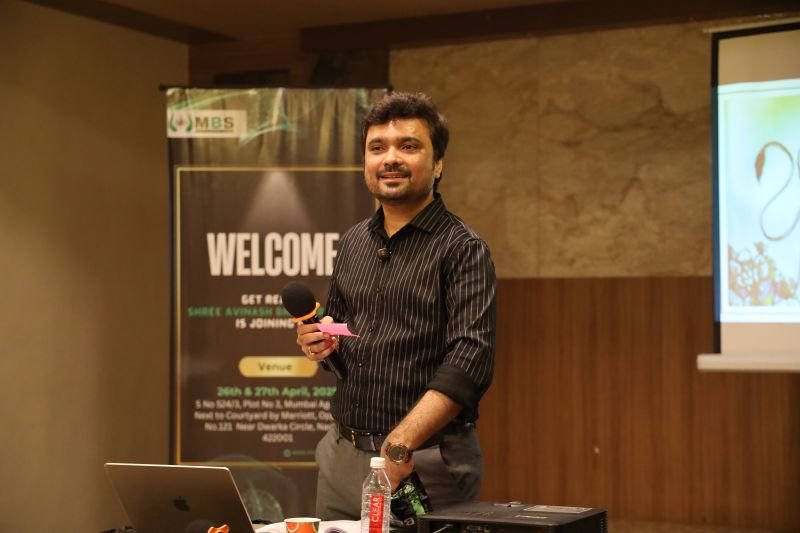
The Thinking Behind It
This programme is not a generic facilitation deck. It draws on the best research and writing on adult learning and instructional design — distilled into a few models trainers can use the very next day — and then goes further, into the frameworks Avinash uses to build and coach the trainers inside his own 100-plus member organisation.
Ideas & books we draw on
- Telling Ain't Training — Harold D. Stolovitch & Erica J. Keeps · the title says it all — the definitive case for why covering content is not teaching, and what to do instead
- The Adult Learner — Malcolm S. Knowles · the foundational text on andragogy — how and why adults learn differently from children
- Design for How People Learn — Julie Dirksen · a clear, practical bridge from learning science to sessions that actually change what people can do
- Make It Stick — Peter C. Brown, Henry L. Roediger III & Mark A. McDaniel · the research on what genuinely fights forgetting — retrieval, spacing and practice over the illusion of the well-covered lecture
- Training from the Back of the Room! — Sharon L. Bowman · the working trainer's playbook for getting the room to do the learning instead of the trainer doing the talking
- The Six Disciplines of Breakthrough Learning — Roy V. H. Pollock, Andrew Jefferson & Calhoun W. Wick · on the piece most training misses — making the learning transfer to the job and actually deliver results
Models we teach trainers
- Andragogy (Malcolm Knowles) · the principles of how adults learn — relevance, experience and self-direction over being lectured
- Kolb's experiential learning cycle · experience, reflect, conceptualise, apply — the loop that turns activity into real learning
- 4MAT / accelerated learning · designing for the why, what, how and what-if learners so a session reaches the whole room
- Bloom's taxonomy · writing outcomes at the right level — from remembering a fact to applying and creating with it
- Kirkpatrick's four levels · reaction, learning, behaviour and results — evaluating whether training actually worked
- The ADDIE model · Analyse, Design, Develop, Implement, Evaluate — a disciplined way to build a session that holds together
And Avinash's own frameworks — the part you won't find anywhere else
Beyond the established thinking, the programme is built on frameworks Avinash has created and written about himself — including his KITE leadership framework and the principles in his book The Winning Edge. These come from actually running a 100-plus member organisation and developing its people year after year, not from a textbook. It is the layer competitors cannot copy, and the one your trainers remember long after the session ends.
Who It Is For
Anyone expected to train others but never taught how — internal trainers and L&D facilitators, subject-matter experts asked to run sessions, and the senior engineers, product specialists and seasoned managers who hold the knowledge the rest of the team needs. It is especially powerful run as a cohort, so a group builds a shared standard for what good training looks like and a peer group to keep raising it. In manufacturing, IT, sales and services alike, it is what turns the person who knows the most into the person others can finally learn from.
Taught by Someone Who Builds and Coaches Trainers Every Year
Avinash Chate does not teach this from a manual. He is a TEDx speaker and the author of The Winning Edge, and he runs a 100-plus member organisation where he develops and coaches trainers himself — so the facilitation, session design and video feedback taught here are the real methods he uses to build a training bench, not borrowed theory. Programmes that turn experts into trainers have been delivered across sectors, from manufacturing shop floors where the best engineer must now teach the line, to IT, sales and services teams that need their specialists to transfer what they know.
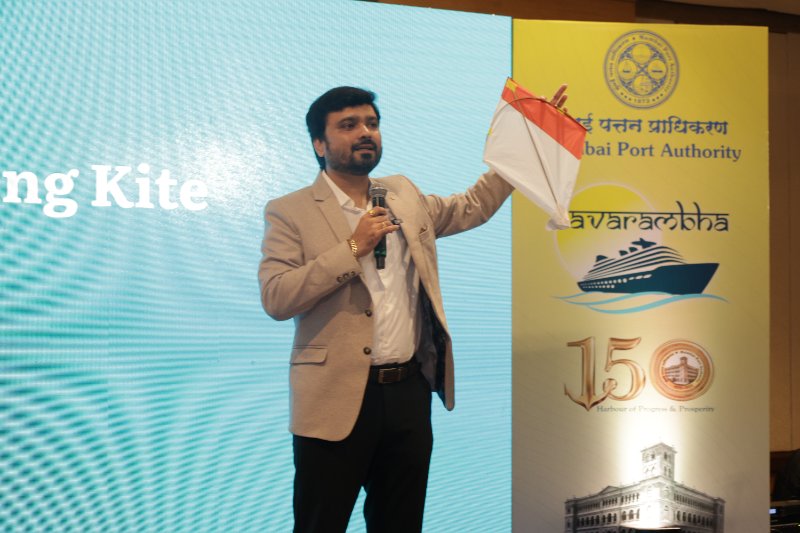
Why Avinash Chate
Avinash Chate is an entrepreneur and corporate trainer who runs ABC Trainings and The Future Corporate & Business Coaching, a TEDx speaker and published author. Over the last decade he has trained teams at 1,000-plus organisations and 15,000-plus professionals.
He teaches these skills not from a manual, but because he practises them himself — leading a 100-plus member team of his own. That is the difference working leaders feel in the room.
Train-the-Trainer Programme — FAQ
What is a Train-the-Trainer programme?
It is a practical programme that develops the skill of teaching itself — turning people who know a subject into people who can transfer it so it sticks. It covers how adults actually learn, designing a session backward from a clear outcome, engaging a room through activity and practice rather than lecture, facilitation and presence, making learning stick and transfer to the job, handling difficult participants, and coached delivery with video feedback. Knowing a subject and being able to teach it are two different skills; this programme builds the second one.
Who should attend this training?
Internal trainers, L&D facilitators, and above all the subject-matter experts asked to train others — senior engineers, product specialists, quality and safety experts, and seasoned managers who hold knowledge the team needs. It is at its most powerful run as a cohort, so a group of trainers builds a shared standard and a peer group. It is also the natural foundation for anyone being certified as an internal or master trainer.
Why do brilliant experts so often make poor trainers?
Because deep knowledge and the ability to transfer it are unrelated skills — and expertise can even get in the way. An expert has forgotten what it was like not to know, so they skip the steps a learner needs and pitch everything at their own level. Left untrained, they default to the only mode that feels safe: telling everything they know, at speed. That is not a character flaw; it is a missing skill set, and it is entirely learnable. This programme teaches the craft of teaching that their subject expertise never included.
What does the programme cover?
Seven connected modules: how adults actually learn and why lecture fails; designing a session backward from the learning outcome; engagement through activity, discussion and practice; facilitation and presence in the room; making learning stick and transfer to the job; handling difficult participants and hard questions; and a full practice module where every trainer delivers, is coached and reviews themselves on video. Every module pairs a short, usable model with practice on the trainer's own material.
How is the training delivered — and how long does it take?
It is highly experiential — trainers design, deliver, facilitate and get coached, with minimal lecture. The duration is flexible: the same programme runs as a half-day introduction, a full day, a multi-day certification intensive, or a modular series spread over weeks so trainers practise between sessions, and it works well as an ongoing programme as new experts join the training pool. We shape the exact length and cadence with you. For 12 to 25 participants, sessions are organised into small batches so everyone delivers and is coached.
Do participants get to practise and receive feedback?
Yes — that is the heart of it. Every trainer designs and delivers a real segment of their own material, receives structured feedback from the facilitator and peers, and reviews themselves on video, which is the single fastest way to see the habits you cannot feel while presenting. Wherever the format allows, they then refine and deliver again. Trainers leave having stood up and been coached, not merely having heard about good training.
Is the programme customised to our organisation?
Yes. The practice is built around your context — participants work on the actual content they will teach back in the business, whether that is a technical process on the shop floor, a product for the sales team, or a compliance topic for the whole company. Generic facilitation training is exactly what fails; the value is in coaching each trainer on the real sessions they will run, not on a borrowed case study.
Can it be delivered on-site, and in which languages?
Yes. Most engagements are across Maharashtra — Pune, Mumbai, Chhatrapati Sambhajinagar, Nashik, Nagpur and the surrounding MIDC industrial belts — and the programme is equally delivered pan-India and internationally on request. Delivery is available in English, Hindi and Marathi, or a natural mix, which matters especially for trainers who must teach frontline and shop-floor teams in the language the work actually happens in.
What outcomes can we expect?
Trainers who teach instead of tell, engage a room instead of lecturing at it, and design sessions that change what people can do rather than just cover content — with learning that survives past the classroom and shows up on the job. Over time, the deep knowledge already inside your organisation finally gets transferred reliably, your training bench keeps renewing itself, and your best experts become multipliers instead of bottlenecks.
Why Avinash Chate for this programme?
Avinash Chate is a corporate trainer and entrepreneur who builds and coaches trainers himself inside a 100-plus member organisation — so he teaches the craft of training from daily practice, not theory. He is a TEDx speaker and author of The Winning Edge, creator of the KITE leadership framework, and has trained teams at 1,000-plus organisations including RBI, JSW Steel, BARC, the Indian Army and Ferrero, reaching over 15,000 professionals. That blend of real facilitation experience and his own frameworks is what your trainers respond to.
Related Training Topics
Turn your experts into trainers people actually learn from
Give your SMEs and internal trainers the second skill no one taught them — how adults learn, session design, engagement, facilitation and making it stick, with coached practice and video feedback. On-site across Maharashtra, pan-India and internationally, in English, Hindi or Marathi.
Request a Proposal →