Workplace Ethics & Integrity Training
The scandal on the news started years earlier — as one good person, under pressure, deciding "just this once".
Almost no ethical failure begins with a villain. It begins with someone decent, stretched thin by a deadline or a target, who nudges a number, bends a rule "just this once", or swallows a concern because raising it felt too risky. Nothing bad happens. So the next compromise comes a little easier, and the one after that easier still — until one day it is a headline, a resignation, or a regulator at the door, and everyone asks how good people let it get this far. A code of conduct in a drawer changes none of this. Ethics is not a poster on the wall; it is how a person decides when no one is watching and the pressure is real. This programme builds that judgement — and the courage to act on it — into how your teams actually work.
★ 5.0 client rating · Across Maharashtra, pan-India & internationally · English, Hindi & Marathi
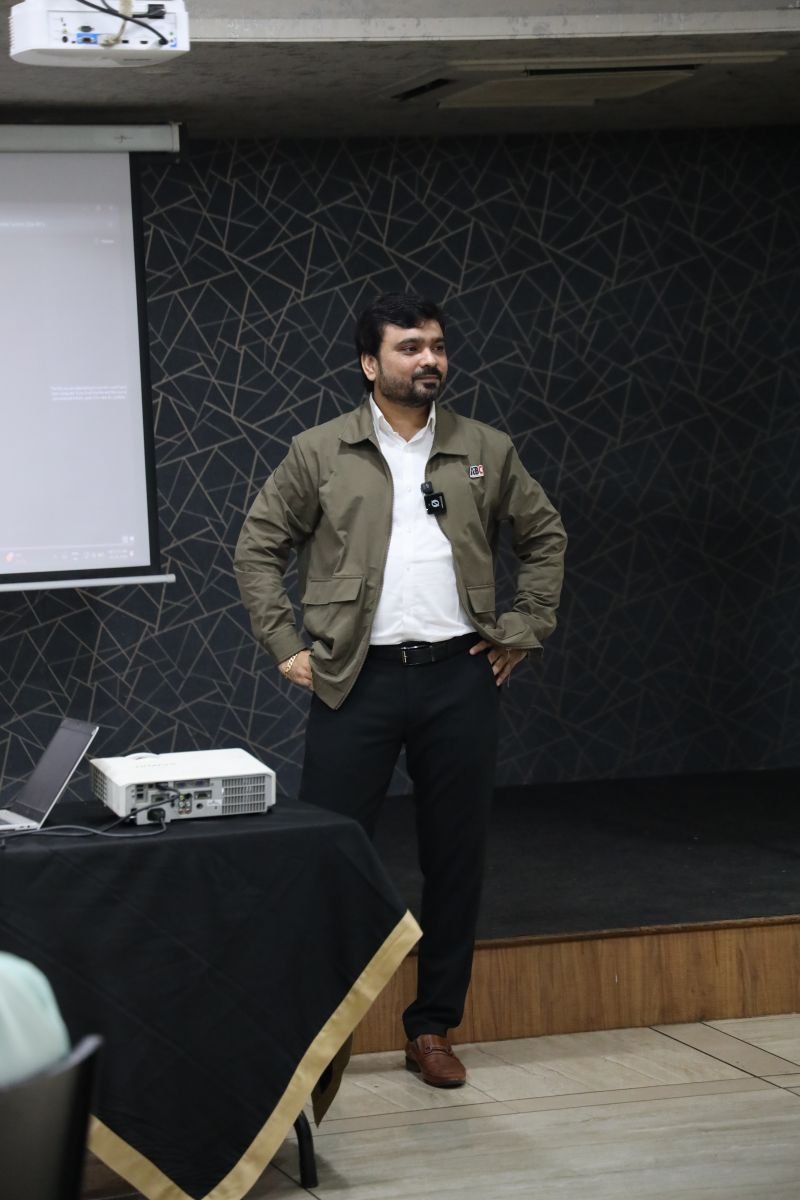
The Small Corners Nobody Talks About — Until One Becomes a Scandal
Sit in on the quiet moments in any organisation and you will find them: the everyday compromises no one flags. The figure that gets rounded the helpful way to make the review look cleaner. The corner cut on a check because the shipment has to leave tonight. The uncomfortable thing a colleague said that everyone heard and no one repeated. The favour to a vendor that is a little too warm. None of it feels like wrongdoing in the moment — it feels like getting the job done, being a team player, keeping the peace. And that is exactly why it spreads.
The damage builds silently. Each corner that goes unremarked quietly redraws the line of what is normal here, so the next one sits inside the new boundary. Your most conscientious people — the ones who notice — start to wonder whether integrity is naive, whether the ones who bend the rules are simply the ones who get ahead. By the time a real breach surfaces, it is rarely a lone bad actor. It is a culture that stopped noticing, one small corner at a time, and a code of conduct that everyone had signed and no one had ever actually used.
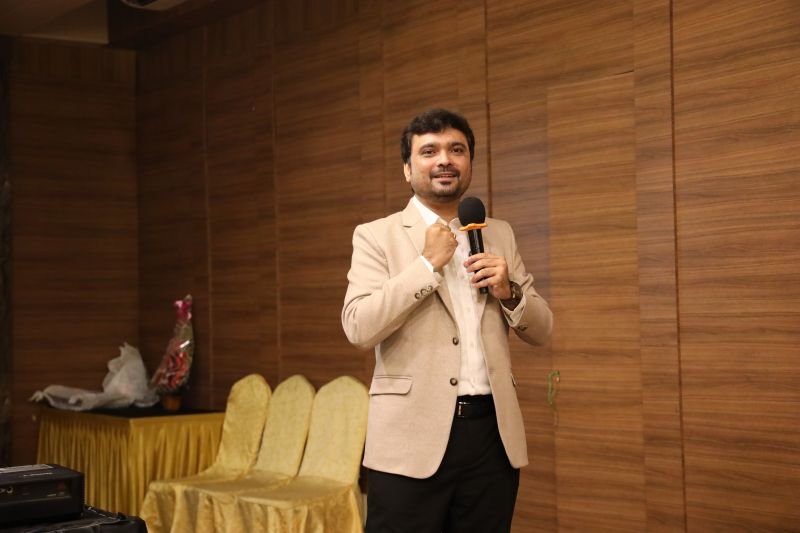
Why Good People Cross Lines They Never Meant To — And Why It's Trainable
The uncomfortable finding from decades of research is that ethical failure is rarely a failure of character. Good, honest people cross lines they would swear they never would — not because they are secretly corrupt, but because of how the human mind behaves under pressure. Ethics quietly fades out of the frame when a decision is dressed up as a business call, a budget target, or a favour. We judge our own motives generously and reach for the reasons that let us do what is convenient. And a first small compromise makes the next one feel consistent rather than wrong. None of this shows up as a dramatic moral choice; it shows up as an ordinary Tuesday.
That is the good news hiding inside the bad. If unethical behaviour came only from bad people, training would be pointless — you would just screen them out. But because it comes from ordinary pressures, predictable blind spots and a slippery slope, it can be seen coming and interrupted. People can be taught to recognise the grey zone before they are inside it, to run a decision through a clear test, to find the words to voice a concern instead of swallowing it, and to build a team where speaking up is safe and expected. Judgement and courage are not fixed traits. They are practised — which is exactly what this programme does.
Does This Sound Familiar?
If any of these feel familiar in your organisation, it is almost never that you have hired bad people. It is that no one has built the judgement and the safety to decide well under pressure. Here is what you are likely seeing, what it is quietly costing, and exactly which part of the programme addresses it.
| The symptom you see | What it is costing you | The real cause | How the programme fixes it |
|---|---|---|---|
| "Just this once" corners get cut when a deadline or target is under pressure | Each compromise resets the norm lower, so the next breach starts from a worse baseline | People do not recognise the slippery slope, or how pressure quietly fades ethics from the decision | The Why Good People Do Unethical Things module — pressure, blind spots and the slope |
| Your code of conduct is signed once a year and never actually used to decide anything | A compliance box gets ticked while real decisions are made with no ethical reasoning at all | People were given rules to acknowledge, never a way to think through the grey areas the rules do not cover | The Ethical Decision-Making Framework module — a test people can actually run |
| People clearly see problems but stay silent — the concern only surfaces after the damage | Small, fixable issues grow into breaches, harm and scandals no one flagged in time | Knowing what is right is not the hard part; people lack the words and the safety to say it out loud | The Giving Voice to Values and Speak-Up Culture modules (Modules 04 and 05) |
| Leaders say the right things about integrity but quietly reward the results that cut corners | People follow what is rewarded, not what is stated — and learn that ethics is for the poster only | The standard is preached, not role-modelled; the everyday signals contradict the stated values | The Ethical Leadership & Role-Modelling module |
| The same ambiguous situations keep tripping people up because no one has a way to work them through | Inconsistent, defensible-in-the-moment calls that add up to real reputational and legal exposure | People have never practised real dilemmas out loud, so the framework stays theoretical | The Practice module — working real ethical dilemmas together |
What Changes When Integrity Is Built In, Not Bolted On
Picture the pressured moment going differently. The number stays honest because nudging it now feels like the start of something, not a harmless tidy-up. The corner does not get cut, because someone names the risk out loud and it is heard, not resented. The concern gets raised the same week it is noticed — calmly, in words the person actually has — instead of festering until it is a crisis. People run the hard call through a shared test rather than their gut and a good excuse, and they arrive at answers they can stand behind.
Underneath it, the quiet shift that protects everything you have built: integrity stops being a document people signed and becomes how they decide when no one is watching. Your conscientious people stop wondering whether honesty is naive, because they can see it is the norm and it is safe. And the scandal that begins with one good person cutting one small corner never gets its first corner — because your people can see it coming, and they have the judgement and the courage to stop it.
What Your Teams Will Be Able to Do
- ✓ Understand why good people slide into unethical choices — pressure, blind spots and the slippery slope — and catch it in themselves
- ✓ Recognise the everyday ethical grey zones early, before they harden into a real problem
- ✓ Run a genuine dilemma through a clear decision-making framework instead of gut feel and convenient reasoning
- ✓ Find the words and the tactics to voice a value under pressure — to act on what they know is right, not just know it
- ✓ Speak up about a concern effectively, and help build a team where speaking up is safe and expected
- ✓ Lead ethically by role-modelling the standard, so the everyday signals match the stated values
- ✓ Work real, ambiguous dilemmas out loud with colleagues and reach decisions they can defend
What the Programme Covers
Seven connected modules that move a team from "we have a code of conduct somewhere" to genuine, practised ethical judgement. Every module pairs a short, honest input with real practice on the exact grey-zone situations your people face — and ends with a concrete change in how they decide and how they speak up.
These are building blocks, not a fixed-length course. A two-hour session goes deep on the two or three that matter most to you; a half or full day covers more; a multi-day intensive — or an ongoing monthly, quarterly or half-yearly rhythm — works through them all, with far more practice. We shape which ones, in what order and how deep, with you.
Why Good People Do Unethical Things
What we cover: The uncomfortable truth that most ethical failure is not villainy but predictable human behaviour under pressure. How ethics quietly fades from a decision once it is framed as a business call, a target or a favour. The gap between the person we intend to be and the person who actually decides in the moment. The slippery slope — how a first small compromise makes the next one feel consistent rather than wrong. The everyday pressures — deadlines, targets, loyalty, fear — that bend honest people. What real corporate scandals looked like years before the headline: ordinary, incremental, deniable.
What changes: People stop believing "that could never be us" and start recognising the exact conditions and blind spots that turn good colleagues into a headline — so they can catch it early, in themselves.
The Everyday Grey Zones
What we cover: Why the hard cases are rarely the obvious ones — the real risk lives in the ambiguous, small, defensible-in-the-moment decisions. Spotting the grey zone before you are inside it: the helpful rounding, the corner cut under time pressure, the gift that is a little too generous, the conflict of interest that "isn't really" one, the confidential thing shared as a favour, the "everyone does it here" that quietly normalises. Separating a genuine dilemma from a rationalisation. The warning signs that you are about to talk yourself into something.
What changes: People develop an early-warning sense for the ordinary situations that actually cause ethical trouble — the ones a code of conduct never quite covers — instead of only noticing after the damage is done.
An Ethical Decision-Making Framework
What we cover: Moving from gut feel and convenient reasoning to a clear, repeatable way to work through a hard call. A practical decision test people can actually run under pressure — is it legal, is it fair to everyone involved, how would it look made public, and could you look the people you respect in the eye. Weighing duties, consequences and character rather than defaulting to whatever is expedient. Using the code of conduct as a live tool for the grey areas, not a document to sign once a year. Making the reasoning visible so decisions are consistent and defensible.
What changes: People stop deciding ethical questions by instinct and a good excuse and start running them through a shared test — arriving at answers that are consistent, defensible and the same whether or not anyone is watching.
Giving Voice to Values — Acting, Not Just Knowing
What we cover: The real problem is almost never that people cannot tell right from wrong — it is that they cannot find a way to act on it against opposing pressure. Pre-scripting the response so you are not searching for words in the moment. Answering the rationalisations you will actually hear — "it's not my call", "everyone does it", "it's just this once", "don't rock the boat". Choosing your ally, your framing and your moment so a value can be voiced without it becoming a confrontation. Practising the actual sentences until they are ready to use.
What changes: People move from privately knowing what is right to being genuinely able to act on it under pressure — with the words, the tactics and the confidence to voice a value when it counts.
Speaking Up & Building a Speak-Up Culture
What we cover: Why people stay silent even when they see the problem clearly — fear of retaliation, of being wrong, of being the difficult one, of hurting a colleague. Raising a concern well: the channel, the framing and the evidence that get it heard rather than dismissed. What a real speak-up culture takes — psychological safety, a leader who thanks the messenger, and concerns that visibly lead somewhere. The difference between a healthy internal challenge and staying quiet until it becomes a crisis. Making silence, not speaking up, the thing that feels abnormal.
What changes: Concerns surface early and calmly, while they are still small and fixable — and the team becomes one where raising an issue is safe, expected and acted on, not career-limiting.
Ethical Leadership & Role-Modelling
What we cover: Why people follow what leaders reward, not what they say — and how a single "just get it done" quietly cancels a year of values posters. Setting the tone at the top and in the middle, where most real decisions are made. Handling the moment ethics costs you something — the deal you turn down, the result you refuse to hit the wrong way. Responding to a concern so that raising the next one feels safe. Making the everyday signals — what gets praised, promoted and let slide — match the stated standard.
What changes: Leaders stop preaching integrity and start role-modelling it, so the everyday signals reinforce the standard instead of contradicting it — and people trust that ethics here is real, not decorative.
Practice — Working Real Ethical Dilemmas
What we cover: Live work on the genuine grey-zone dilemmas your people actually face, drawn from your own industry and situations. The pressure to round a number for a review. The corner someone wants cut to hit a deadline. The gift, the conflict of interest, the favour to a vendor. The colleague whose behaviour everyone noticed and no one named. Running each through the decision framework, then rehearsing the words to voice the value or raise the concern — out loud, in the room, with real disagreement in the group.
What changes: People leave having already worked and voiced the hard dilemmas once, in safety — so when a real one lands days later, they have a way through it and the words ready, instead of a poster and a shrug.
How It Is Delivered
This is not a lecture on ethics, and it is emphatically not a compliance slideshow read aloud. It treats ethics as what it actually is — the everyday, pressured decisions people make when no one is watching — and builds real judgement through honest discussion and practice. People spend most of the time working genuine grey-zone dilemmas from your own context: naming the pressure, running the decision test, and rehearsing the actual words to voice a value or raise a concern. The tone is practical and non-preachy; nobody is lectured at, and nobody is made to feel accused. The models are kept simple and immediately usable, because the point is a better decision on Tuesday, not a philosophy exam.
The format flexes to your needs. It runs as a focused half-day, a full-day workshop, a multi-day intensive for a leadership or high-risk-function cohort, or a modular series spread over time — and it works particularly well as an ongoing rhythm that keeps integrity a live conversation rather than a once-a-year sign-off. Sessions are organised into small groups so every person actually practises the reasoning and the speaking up, not just listens. The exact depth, cadence and the dilemmas used are shaped with you in the design call so the practice is your real situations, not generic case studies.
Formats That Fit Your Calendar
Half-day or full-day workshop
A high-impact session to shift how a team decides under pressure — ideal as a reset, an onboarding cornerstone, or the practical follow-through after a code-of-conduct rollout.
Multi-day intensive
Two or more days to go deep — well suited to leaders, high-risk functions such as finance, procurement, sales and operations, or a cohort you want to become the ethical backbone of the organisation.
Modular series over time
Shorter sessions spread across weeks or months, so each layer — spotting grey zones, the decision framework, giving voice to values, speaking up — is learned and embedded before the next.
An ongoing ethics rhythm
A recurring cadence built around real dilemmas as they arise, keeping integrity a living conversation and a speak-up culture healthy — rather than a poster and an annual signature.
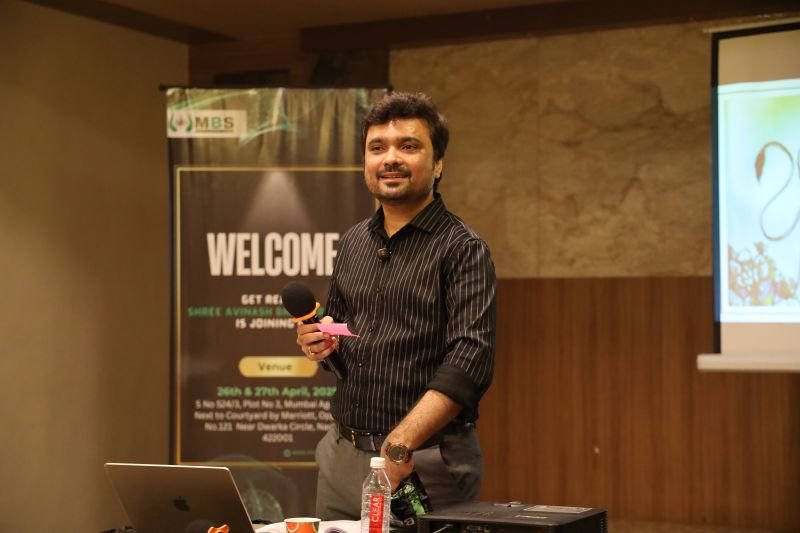
The Thinking Behind It
This programme is not a generic compliance deck. It draws on the best research and writing on how ordinary people actually behave ethically under pressure — distilled into a few tools people can use on Monday — and then goes further, into the frameworks Avinash uses to build a culture of integrity inside his own 100-plus member organisation.
Ideas & books we draw on
- Blind Spots — Max Bazerman & Ann Tenbrunsel · the definitive account of how ethics quietly fades and good people fail to do what they know is right
- Giving Voice to Values — Mary Gentile · the shift from knowing what is right to actually voicing it under pressure — scripted, rehearsable, practical
- The Power of Ethical Management — Ken Blanchard & Norman Vincent Peale · the simple three-question Ethics Check that turns a values statement into a decision people can actually run
- Integrity — Henry Cloud · integrity as a whole, integrated character with the courage to meet reality — not merely not lying
- Ethical Intelligence — Bruce Weinstein · five plain principles for untangling the tough, ambiguous calls people face at work and beyond
- Why They Do It — Eugene Soltes · inside the minds of white-collar offenders — why they acted on gut and drift, not cold calculation, and what that warns us of
Frameworks we use for ethics
- An ethical decision-making model · a repeatable path from the dilemma to a defensible decision — duties, consequences and character weighed, not just what is expedient
- Giving Voice to Values (Gentile) · pre-scripting the response and answering the predictable rationalisations, so a value gets voiced and not just held
- The slippery slope of small compromises · how a first minor corner resets the norm and makes the next one feel consistent — the mechanism behind most scandals
- Bounded ethicality / ethical blind spots · the predictable ways the mind lets honest people do the convenient thing without noticing they have
- The newspaper test · would this decision look fine on tomorrow's front page — a fast gut-check for the grey zone
And Avinash's own frameworks — the part you won't find anywhere else
Beyond the established thinking, the programme is built on frameworks Avinash has created and written about himself — including his KITE leadership framework and the principles in his book The Winning Edge. These come from actually running a 100-plus member organisation and developing its people year after year, not from a textbook. It is the layer competitors cannot copy, and the one your teams remember long after the session ends.
Who It Is For
Any team where honest people make judgement calls under pressure — which is every team. It matters most for the functions where the grey zones carry real consequences: finance and accounting, procurement and vendor management, sales and targets, operations and quality, and anyone handling data, money or confidential information. It is especially powerful for leaders and managers, who set the tone that decides whether integrity is real or decorative, and for high-potentials being shaped into the ethical backbone of the organisation. It also works as a shared foundation for a whole workforce — from the shop floor to the boardroom — so that "how we decide here" means the same thing at every level.
Taught by Someone Who Has to Live the Standard, Not Just Teach It
Avinash Chate does not teach ethics from a compliance manual. He runs a 100-plus member organisation, where the pressures, the grey zones and the temptation to cut a corner "just this once" are real and daily — so the judgement, the decision tests and the speak-up culture taught here are the ones he has to build and hold himself. Programmes that develop ethical judgement, integrity and a speak-up culture have been delivered across sectors — from manufacturing and operations, where quality and safety corners carry real cost, to finance, sales and services teams making the everyday calls that quietly define a culture.
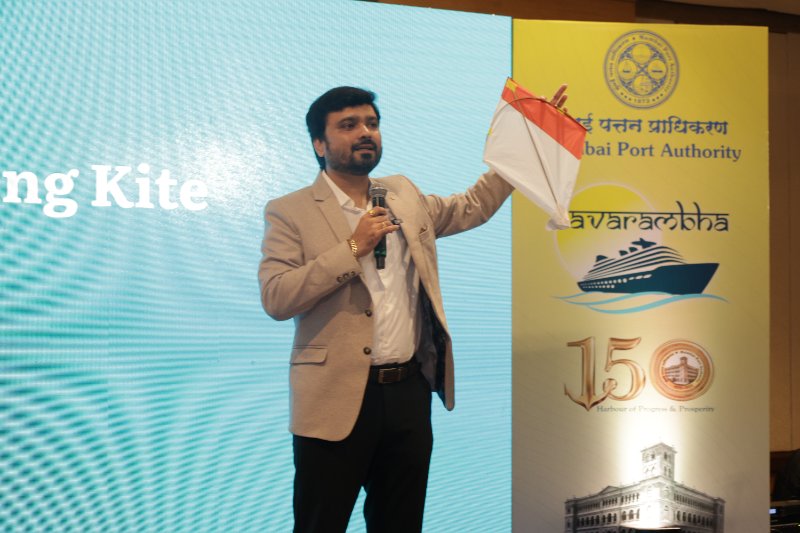
Why Avinash Chate
Avinash Chate is an entrepreneur and corporate trainer who runs ABC Trainings and The Future Corporate & Business Coaching, a TEDx speaker and published author. Over the last decade he has trained teams at 1,000-plus organisations and 15,000-plus professionals.
He teaches these skills not from a manual, but because he practises them himself — leading a 100-plus member team of his own. That is the difference working leaders feel in the room.
Workplace Ethics & Integrity Training — FAQ
What is Workplace Ethics & Integrity Training?
It is a practical programme that builds the everyday judgement and courage people need to decide well under pressure — not a lecture on morality and not a compliance slideshow. It covers why good people slide into unethical choices, how to recognise the ordinary grey zones early, a clear decision-making framework people can actually run, how to give voice to values and act on what they know is right, how to speak up and build a culture where that is safe, and how leaders role-model the standard. Unlike a code of conduct that gets signed and filed, it is built around the real, pressured decisions your people face — practised in the room until the judgement is genuine.
Who should attend this training?
Any team that makes judgement calls under pressure, which is every team — with particular value for finance, procurement, sales, operations and anyone handling money, data or confidential information, where the grey zones carry real consequences. It is especially powerful for leaders and managers, who set the tone that decides whether integrity is real or decorative. Many organisations also run it as a shared foundation for the whole workforce, from the shop floor to the boardroom, so that "how we decide here" means the same thing at every level.
Why do good, honest people cross ethical lines they never meant to?
Because ethical failure is rarely a failure of character — it is how the mind behaves under pressure. Ethics quietly fades from a decision once it is framed as a business call, a target or a favour; people judge their own motives generously and reach for convenient reasoning; and a first small compromise makes the next one feel consistent rather than wrong. It shows up not as a dramatic moral choice but as an ordinary day. The encouraging part: because it comes from predictable pressures and blind spots rather than bad people, it can be seen coming and interrupted — which is exactly what the training builds.
Is this the same as a compliance or code-of-conduct session?
No — and that is the point. Compliance tells people the rules; this programme builds the judgement to handle the grey areas the rules never quite cover, and the courage to act on it. A code of conduct that is signed once a year and never used changes almost nothing about how people decide in a pressured moment. This is about turning stated values into a live decision test, giving people the words to voice a concern, and building a culture where speaking up is safe. It complements your compliance and code-of-conduct work by making it actually change behaviour.
What does the programme cover?
Seven connected modules: why good people do unethical things — pressure, blind spots and the slippery slope; recognising the everyday grey zones; a practical ethical decision-making framework; giving voice to values so people act and not just know; speaking up and building a speak-up culture; ethical leadership and role-modelling; and an extended practice module working real dilemmas from your own organisation. Every module pairs a short, honest input with practice on the actual situations your people face.
How is the training delivered — and how long does it take?
It is highly interactive — honest discussion, real dilemmas and rehearsing the actual words to voice a concern, with minimal lecture. The duration is flexible: the same programme runs as a half-day, a full day, a multi-day intensive for a leadership or high-risk-function cohort, or a modular series spread over time, and it works particularly well as an ongoing rhythm that keeps integrity a live conversation. We shape the exact length and cadence with you. Sessions are organised into small groups so everyone actually practises the reasoning and the speaking up.
Is the programme customised to our organisation?
Yes. Before the first session the dilemmas, examples and scenarios are built around your context — your industry, your functions and the real grey zones your people face, whether that is a rounded number under review, a corner cut to hit a deadline, a vendor gift or a conflict of interest. Generic ethics training is exactly what people tune out; the value is in working the actual decisions and conversations your people will face next week, so the judgement transfers straight to the job.
Can it be delivered on-site, and in which languages?
Yes. Most engagements are across Maharashtra — Pune, Mumbai, Chhatrapati Sambhajinagar, Nashik, Nagpur and the surrounding MIDC industrial belts — and the programme is equally delivered pan-India and internationally on request. Delivery is available in English, Hindi and Marathi, or a natural mix, which matters especially when the standard has to land the same way with the shop floor and the boardroom alike.
What outcomes can we expect?
People who catch the slippery slope early instead of sliding down it, run a hard call through a shared test instead of gut feel and a good excuse, and voice a concern the week they notice it rather than after the damage. Concerns that surface while they are still small and fixable, in a team where speaking up is safe. Leaders whose everyday signals match the stated values. And, over time, an organisation where the scandal that starts with one good person cutting one small corner never gets its first corner — because your people see it coming and have the courage to stop it.
Why Avinash Chate for this programme?
Avinash Chate is an entrepreneur and corporate trainer who runs a 100-plus member organisation, so he teaches integrity from the pressures he has to live and hold himself, not from a compliance manual. He is a TEDx speaker and author of The Winning Edge, creator of the KITE leadership framework, and has trained teams at 1,000-plus organisations and 15,000-plus professionals across sectors. That combination of real operating experience — where cutting a corner is a genuine daily temptation — and his own frameworks is what makes the training land as honest and practical rather than preachy.
Related Training Topics
Build the judgement and courage to decide well under pressure
Turn a code of conduct in a drawer into real ethical judgement — spotting the grey zones, a decision framework people actually use, giving voice to values, and a speak-up culture. On-site across Maharashtra, pan-India and internationally, in English, Hindi or Marathi.
Request a Proposal →