Meeting Facilitation Training
Do the maths on one recurring meeting — the salaries in the room, times the hours, times the year. Now ask what it produces.
Take any standing meeting on your calendar and cost it honestly. Add the salary of everyone in the room, multiply by the hour it runs, multiply again by how often it repeats across the year. It is a large number — and then comes the harder question: what does it actually produce? Far too often the honest answer is another meeting. The same three voices talk, there is no real agenda anyone is holding to, no decision gets made in the room — and the actual call gets made afterwards, in the corridor, by a few people who stayed behind. Everyone's calendar is full, everyone is quietly frustrated, and the work is happening everywhere except the meeting. This programme teaches the skill that turns that tax back into an asset.
★ 5.0 client rating · Across Maharashtra, pan-India & internationally · English, Hindi & Marathi
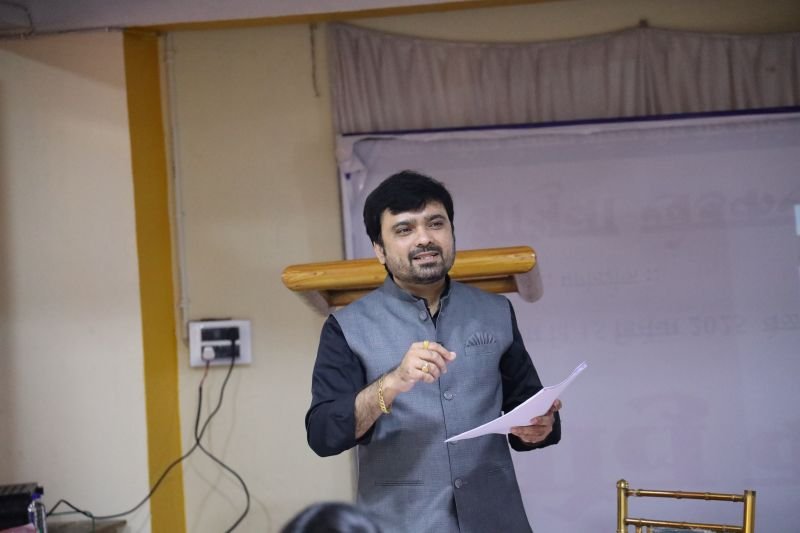
The Meeting Everyone Attends and No One Runs
You know the room before you walk into it. A dozen people, a vague title in the calendar invite, and no one entirely sure why they are there. The loudest two settle into their usual argument; a few nod along; the rest open their laptops and answer email under the table. Twenty minutes in, someone says "let's take that offline," which everyone understands to mean nothing was resolved. The hour ends because the next meeting needs the room, not because anything was concluded. People file out, and within the hour a smaller group re-litigates the whole thing on a chat thread or in the corridor — which is where the decision was always going to be made.
The cost of this is enormous and almost invisible, because it never appears as a line item. It shows up as a senior team whose best hours are gone before lunch, as decisions that take three meetings instead of one, as the sharp junior who stops speaking up because it never changes anything anyway, and as work that slips because the room agreed to "circle back" instead of committing to an owner and a date. Multiply one badly run recurring meeting across a year, across a company, and you are funding a very expensive machine whose main output is more meetings.
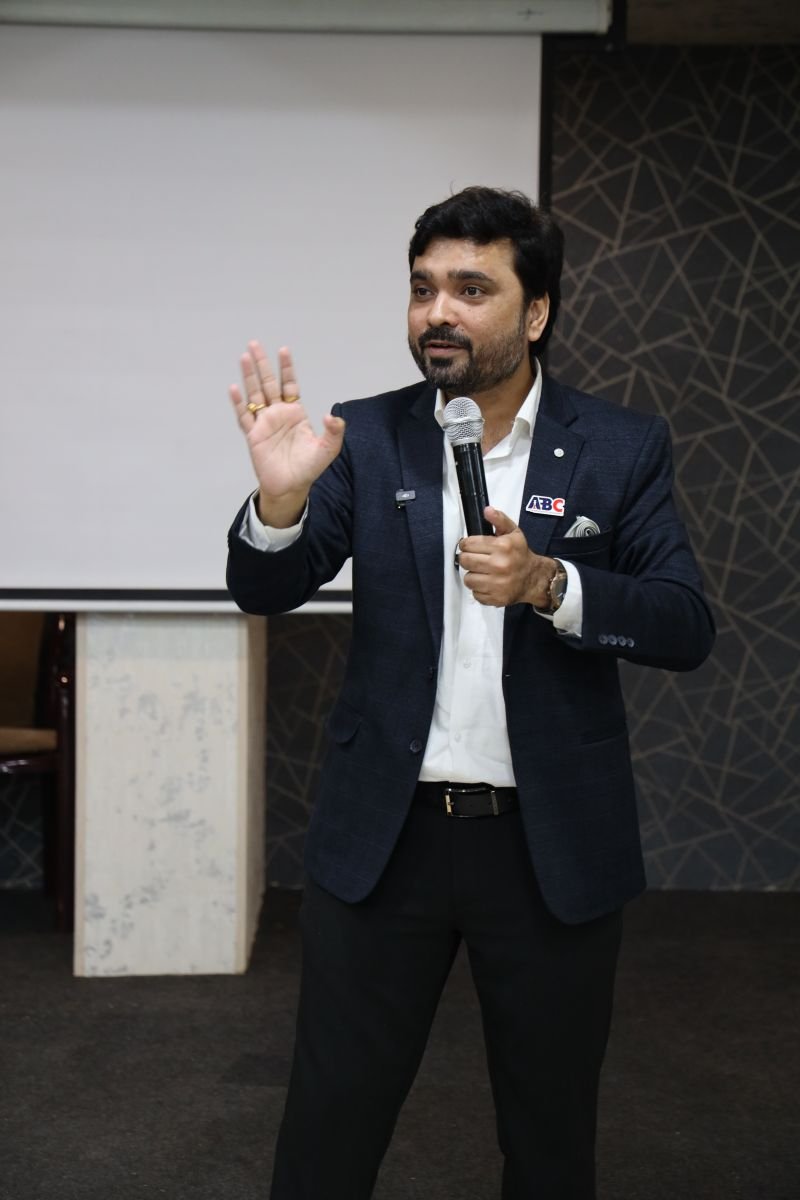
Why Meetings Fail — And Why It Is a Skill, Not a Curse
Bad meetings are not caused by bad people or bad intentions. They are caused by a missing skill. Almost no one is ever taught to run a meeting — we are handed calendars and told to "set one up," as if calling people into a room were the same as making the room useful. So meetings default to their worst shape: no clear purpose, so no one knows what "done" looks like; no real agenda, so the loudest topic wins; no method for deciding, so the group talks until it runs out of time and mistakes exhaustion for consensus. The person nominally chairing is usually just the most senior attendee, not someone equipped to facilitate — and chairing and facilitating are not the same job.
Facilitation is that separate, learnable job: designing the meeting so it has a reason to exist, holding the group to it, deliberately pulling in the people who have gone quiet, containing the ones who fill every silence, and steering an honest discussion all the way to a decision the room will actually stand behind. None of it is charisma or luck. It is a set of moves — in the design, in the opening, in the discussion, in the close — that anyone can be taught and can practise until they are second nature. That is exactly what this programme builds.
Does This Sound Familiar?
If your meetings feel like a tax the whole organisation pays and no one collects on, it is almost never that your people are lazy or unengaged. It is that nobody was taught to run the room. Here is what you are likely seeing, what it is quietly costing, and exactly which part of the programme fixes it.
| The symptom you see | What it is costing you | The real cause | How the programme fixes it |
|---|---|---|---|
| Meetings end with "let's take it offline" and no decision | The same issue eats three meetings instead of one, and the calendar keeps filling | No one is steering the discussion toward a decision, or knows how to close one out | The steering-to-a-decision module — divergence, the groan zone and convergence |
| The same two or three people talk while everyone else stays silent | You pay for a full room but hear from a fraction of it — and lose your best quiet thinkers | No one is deliberately drawing others in or containing the voices that dominate | The facilitating-discussion module — drawing everyone in, managing dominators |
| Nobody can say why a recurring meeting exists, but it keeps recurring | Senior time bleeds every week into a ritual that produces nothing decidable | The meeting was never designed around a purpose — inform, decide or generate | The designing-the-meeting module — purpose, agenda and who is in the room |
| Actions agreed in the room quietly evaporate before the next one | Decisions do not turn into progress, and trust in meetings erodes further | Actions are never captured with an owner and a date, and follow-through is left to chance | The capturing-actions module — owners, dates and driving follow-through |
| Discussion sprawls, drifts off-topic and runs long every single time | Every meeting overruns, the next one starts late, and the day compounds into chaos | There is no agenda design, no timeboxing and no parking lot to hold the tangents | The designing and opening modules — agenda, timeboxing and setting the frame |
What Changes When Your Managers Can Actually Run the Room
Picture the same recurring meeting, six weeks after this programme. It starts on time with a stated purpose everyone can see, and a short agenda built around what actually needs to be decided. The quiet expert who never spoke gets asked a direct question and turns out to have had the answer all along. The two who used to dominate are drawn in and then reined in, so airtime follows value, not volume. When the discussion hits the hard, messy middle, no one panics — the facilitator names it, works through it, and steers the group to a real decision the room owns. And it ends with actions on the board, each with a name and a date beside it.
The compounding effect is the whole return on the programme: meetings get shorter and fewer because they finally decide things; the corridor conversation disappears because the real decision now happens in the room, with everyone bought in; and the calendar stops being a tax and starts being where your organisation's best thinking actually converges into action. You are not adding meetings — you are getting your week back and better decisions out of it.
What Your Managers Will Be Able to Do
- ✓ Decide whether a meeting should even happen — and design it around a clear purpose: to inform, to decide or to generate
- ✓ Build a real agenda with timeboxes, the right people in the room, and a defined outcome for each item
- ✓ Open a meeting so the frame, roles and ground rules are set in the first three minutes
- ✓ Draw quieter people in and manage the dominators, so airtime follows contribution, not confidence
- ✓ Steer an honest discussion through the messy middle to a decision the group will actually stand behind
- ✓ Choose the right decision method — consensus, consent or a vote — instead of talking until time runs out
- ✓ Capture actions with owners and dates, and run the follow-through so decisions become progress
What the Programme Covers
Seven connected modules that take a manager from convening yet another meeting to genuinely facilitating one. Every module pairs a short, practical input with real practice on the exact meetings your people run — and ends with a concrete change in how the room behaves.
These are building blocks, not a fixed-length course. A two-hour session goes deep on the two or three that matter most to you; a half or full day covers more; a multi-day intensive — or an ongoing monthly, quarterly or half-yearly rhythm — works through them all, with far more practice. We shape which ones, in what order and how deep, with you.
Why Meetings Fail — and What They Actually Cost
What we cover: The honest arithmetic of a meeting — salaries in the room times hours times frequency — and what that number buys today. The three failure patterns: no purpose, no agenda, no decision. Why chairing and facilitating are different jobs, and why seniority is not the same as skill. The corridor decision, and why real calls migrate out of badly run rooms. The single test that should precede every invite: does this need a meeting at all, or a message, a document or a decision by one person?
What changes: Managers stop treating meetings as a default and start treating them as an expensive tool to be used deliberately — or not called at all.
Designing the Meeting — Purpose, Agenda and Who Is in the Room
What we cover: Naming the meeting's job before anything else — to inform, to decide, or to generate — because each demands a different design. Writing an agenda as a set of outcomes, not topics, with a timebox and a desired result for every item. Deciding who genuinely needs to be there and who is merely being copied in out of politeness. Sending the pre-read that lets the room arrive ready to think, not to be briefed. Matching the meeting type to the format it deserves.
What changes: Every meeting your managers call now has a reason to exist and a shape that serves it — half the failure is designed out before anyone walks in.
Opening Well — Setting the Frame in the First Three Minutes
What we cover: Why the first three minutes decide the next sixty. Stating the purpose and the intended outcome out loud so everyone is oriented the same way. Establishing roles — who facilitates, who decides, who takes notes, who keeps time. Setting light ground rules that make it safe to disagree and unsafe to dominate. Confirming the agenda and getting explicit buy-in to it. Reading the room's energy and adjusting before the discussion, not after it has gone wrong.
What changes: The room starts aligned, engaged and clear about how it will work — instead of drifting for twenty minutes before anyone knows why they are there.
Facilitating the Discussion — Drawing Everyone In, Managing the Dominators
What we cover: The facilitator's core moves: asking the open question, holding the silence long enough for a real answer, and going round the room so contribution does not depend on confidence. Deliberately bringing in the quiet expert and the junior who has stopped speaking up. Containing the person who fills every gap — with warmth, not confrontation. Handling the tangent with a parking lot, the conflict by surfacing it, and the side-conversation by naming it. Staying neutral on content while owning the process.
What changes: Airtime starts to follow value rather than volume, and the room's full intelligence — not just its loudest quarter — actually gets into the discussion.
Steering to a Real Decision
What we cover: Kaner's diamond of participation: opening up with divergent thinking, surviving the uncomfortable groan zone in the middle instead of fleeing it, then converging deliberately. Recognising the difference between healthy exploration and aimless circling. Choosing and naming the decision method up front — consensus, consent, a vote, or the leader deciding with input. Testing for genuine agreement rather than tired silence. Making the decision explicit so no one leaves with a different version of it.
What changes: Discussions reliably reach a decision the room understands and will stand behind — so the corridor re-run simply stops happening.
Capturing Actions and Driving Follow-Through
What we cover: Closing the meeting on outcomes: what was decided, what happens next, who owns it and by when — captured visibly before anyone leaves. Why an action without a name and a date is a wish, not a commitment. Distinguishing decisions, actions and open questions so nothing blurs. The lightweight record people will actually read. Opening the next meeting on last time's actions so follow-through becomes the norm, and closing the loop so the room learns it can trust its own decisions.
What changes: Decisions turn into progress between meetings, and the group rebuilds its faith that time in the room actually changes something.
Practice — Facilitate a Real Meeting, with Feedback
What we cover: Each participant facilitates a live meeting drawn from their own world — a project stand-up, a decision meeting, a cross-functional review, a problem-solving session — while the group plays the real characters: the dominator, the sceptic, the silent expert, the tangent-maker. Structured feedback on the design, the opening, the discussion moves and the close. A second pass to embed what the feedback surfaced, so the learning is in the hands and not just the notes.
What changes: Managers leave having actually run the room and been coached on it — so the next real meeting on Monday is one they have already rehearsed.
How It Is Delivered
This is not a talk about meetings. It is a workshop where your managers run them. They spend most of the time on their feet — designing a real agenda, opening a real meeting, drawing out a silent participant, containing a dominator and steering a genuine discussion to a decision — using the actual meetings they sit in every week. The frameworks are kept few and immediately usable; the confidence comes from facilitating live, in front of the group, and being coached on exactly what worked and what did not.
The format flexes to your needs. It runs as a focused half-day, a full-day workshop, a multi-day intensive for a leadership cohort, or a series of shorter modules spread across a quarter so each skill is practised on real meetings between sessions — and it works well as an ongoing rhythm that keeps a management team's facilitation sharp. For 15 to 30 participants it is organised into small batches so every manager facilitates and is observed, not just watches. The exact depth, duration and cadence are shaped with you in the design call.
Formats That Fit Your Calendar
Half-day or full-day workshop
A high-impact session to reset how a management team runs its meetings — ideal before a busy planning cycle or a reorganisation of the meeting calendar.
Multi-day intensive
Two or more days to go deep — perfect for a leadership cohort or a group who facilitate high-stakes meetings, workshops and cross-functional reviews and need every move practised.
Modular series across a quarter
Shorter sessions spaced out so managers apply each skill — design, opening, discussion, decision, follow-through — to their own real meetings between sessions.
An ongoing facilitation rhythm
Run periodically to keep a management team's facilitation sharp and to bring every newly promoted manager up to the same standard for running a room.
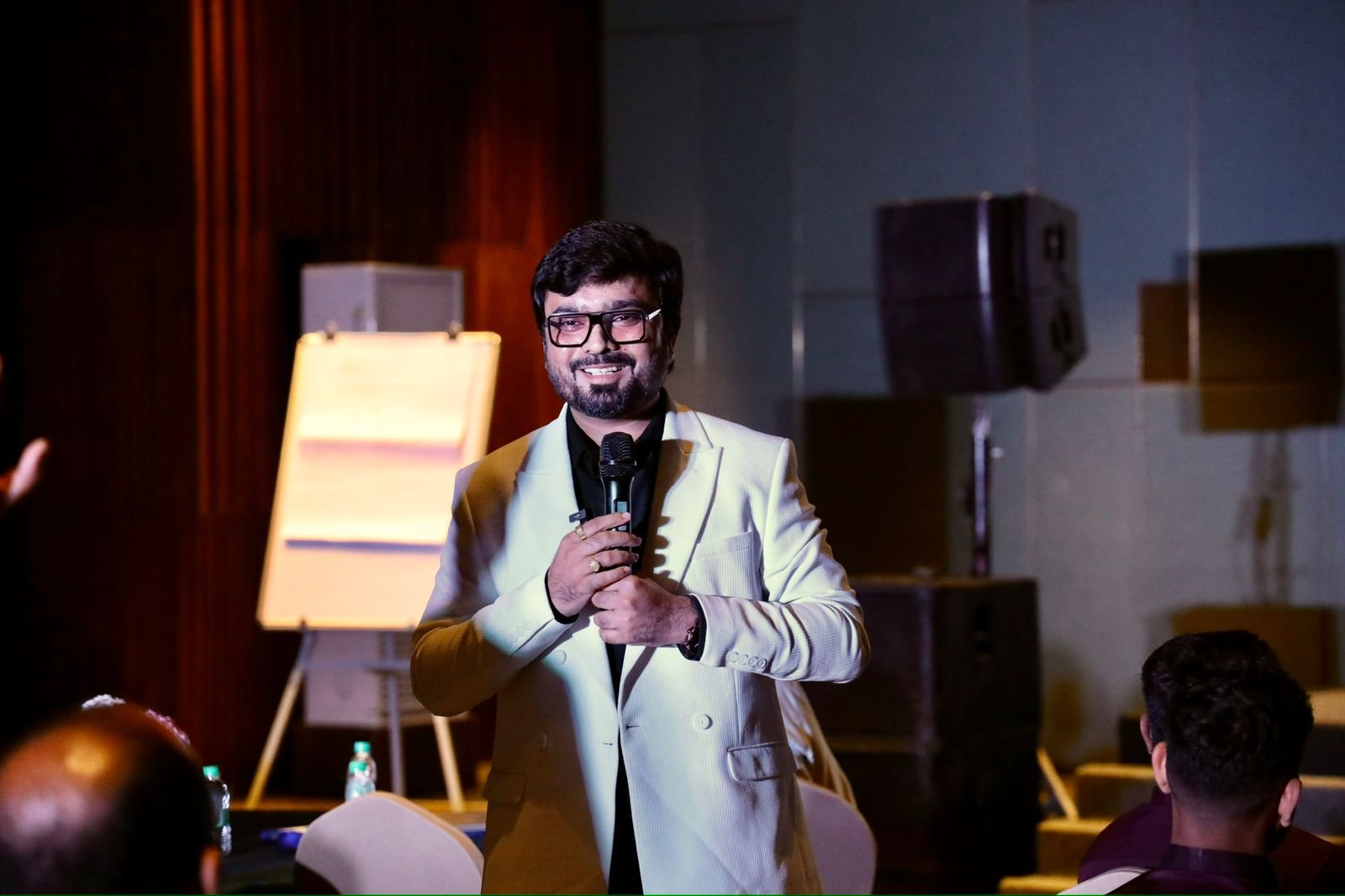
The Thinking Behind It
This programme is not a generic "better meetings" deck. It draws on the sharpest writing and research on meetings and facilitation — distilled into a few models a manager can use on Monday — and then goes further, into the frameworks Avinash uses to run decision-making meetings inside his own 100-plus member organisation.
Ideas & books we draw on
- Death by Meeting — Patrick Lencioni · the fable that reframes meetings by matching each type to its real purpose — and makes them worth attending again
- The Surprising Power of Liberating Structures — Henri Lipmanowicz & Keith McCandless · a practical repertoire of simple structures that pull genuine participation out of every person in the room
- Facilitator's Guide to Participatory Decision-Making — Sam Kaner · the definitive source of the diamond of participation and the courage to work through the groan zone to a real decision
- How to Make Meetings Work — Michael Doyle & David Straus · the classic that separated the facilitator's role from the chair's and gave meetings a method, not just a chair
- Read This Before Our Next Meeting — Al Pittampalli · a short, bracing manifesto for calling far fewer meetings and making the ones you keep actually decide something
- The Art of Gathering — Priya Parker · why purpose and the way you convene people shapes everything that follows — meetings included
Models we use to run great meetings
- Purpose-driven meeting types (decide / inform / generate) · naming the meeting's job first, because each purpose demands a different design
- Kaner's diamond of participation · divergent thinking, the groan zone and convergence — the true shape of reaching a decision together
- Agenda and timeboxing design · outcomes not topics, each with a timebox, so the room spends its minutes where they matter
- Decision methods (consensus / consent / vote) · choosing and naming how the call gets made, instead of talking until time runs out
- The parking lot · capturing worthy tangents without letting them hijack the meeting's purpose
And Avinash's own frameworks — the part you won't find anywhere else
Beyond the established thinking, the programme is built on frameworks Avinash has created and written about himself — including his KITE leadership framework and the principles in his book The Winning Edge. These come from actually running a 100-plus member organisation and developing its people year after year, not from a textbook. It is the layer competitors cannot copy, and the one your managers remember long after the session ends.
Who It Is For
Anyone who calls people into a room and is responsible for what comes out of it — team leads, managers and heads of function who run standing meetings, project managers and Scrum masters facilitating stand-ups and reviews, and anyone leading cross-functional forums where several teams have to align and decide. It is especially powerful run as a cohort, so a management team builds a shared standard for how meetings are run and holds each other to it. For project offices, planning committees and leadership teams whose calendars are dense with recurring meetings, it is the skill that hands the week back.
Taught by Someone Who Runs Decision Meetings for a Living
Avinash Chate does not teach this from a template. He runs a 100-plus member organisation, where the cost of a bad meeting is his own week and the quality of a decision is his own P&L — so the design, the drawing-in, the steering and the follow-through taught here are the moves he uses himself. Programmes that build facilitation and meeting-discipline have been delivered across sectors — manufacturing, IT, sales and services teams — wherever leaders were spending their best hours in rooms that decided nothing and wanted them to start deciding something.
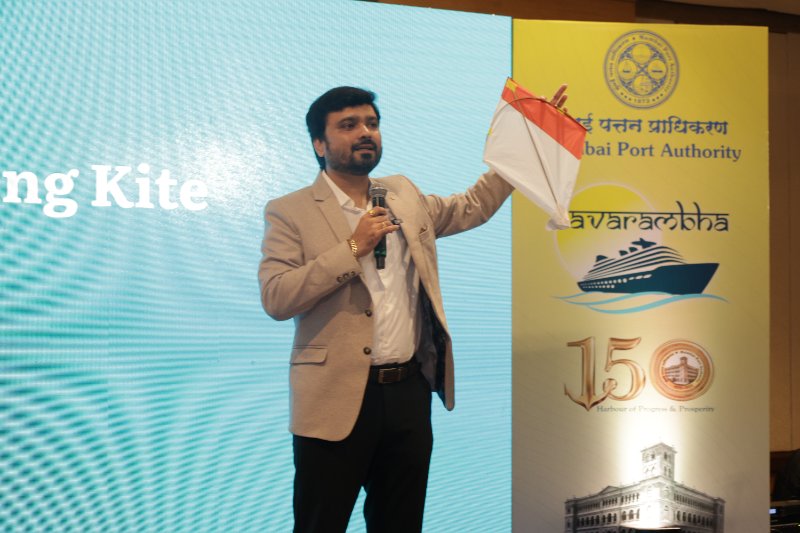
Why Avinash Chate
Avinash Chate is an entrepreneur and corporate trainer who runs ABC Trainings and The Future Corporate & Business Coaching, a TEDx speaker and published author. Over the last decade he has trained teams at 1,000-plus organisations and 15,000-plus professionals.
He teaches these skills not from a manual, but because he practises them himself — leading a 100-plus member team of his own. That is the difference working leaders feel in the room.
Meeting Facilitation Training — FAQ
What is Meeting Facilitation Training?
It is a practical programme that teaches managers the specific, learnable skill of running a meeting well — deciding whether a meeting is even needed, designing it around a clear purpose and agenda, opening it so the frame is set, drawing quieter people in while managing those who dominate, steering an honest discussion all the way to a decision the room owns, and capturing actions that actually get done. Unlike generic "better meetings" advice, it is built around the real meetings your people run every week, and practised in the room until facilitation becomes second nature.
Who should attend this training?
Managers, team leads and heads of function who run standing meetings; project managers and Scrum masters who facilitate stand-ups, reviews and retrospectives; and anyone leading cross-functional forums where several teams must align and decide. It is most powerful when run as a cohort, so a whole management team adopts a shared standard for how meetings work. It is also a natural fit for newly promoted managers who suddenly find themselves chairing rooms they were never taught to run.
We already have too many meetings — how does more training help?
The goal is the opposite of more meetings — it is fewer, shorter ones that actually decide things. The programme starts by costing your meetings honestly and asking which of them should exist at all, then equips managers to make the remaining ones genuinely productive. Organisations typically come out running fewer recurring meetings, ending them on time with real decisions, and reclaiming the senior hours that used to disappear into rooms that produced nothing but another meeting.
What does the programme cover?
Seven connected modules: why meetings fail and what they cost; designing the meeting around purpose, agenda and the right people; opening well and setting the frame; facilitating the discussion by drawing everyone in and managing dominators; steering to a real decision; capturing actions and driving follow-through; and a full practice module where each participant facilitates a real meeting and is coached on it. Every module pairs a short, usable model with practice on meetings drawn from your own organisation.
How is the training delivered — and how long does it take?
It is highly interactive — participants facilitate live meetings and get coached, with minimal lecture. The duration is flexible: the same programme runs as a half-day, a full day, a multi-day intensive for a leadership cohort, or a series of shorter modules spread across a quarter so skills are applied to real meetings between sessions, and it works well as an ongoing rhythm. We shape the exact length and cadence with you. For 15 to 30 participants, sessions are organised into small batches so everyone facilitates and is observed.
Is this only for formal meetings, or does it help with workshops and stand-ups too?
It covers the full range. The core facilitation skills — purpose, agenda, opening, drawing people in, steering to a decision, capturing actions — apply just as much to a daily stand-up, a sprint retrospective, a problem-solving workshop or a cross-functional review as they do to a formal decision meeting. The practice module lets each participant rehearse the specific kind of meeting they actually run, so the skills transfer directly to their world.
Is the programme customised to our organisation?
Yes. Before the first session, the examples and practice scenarios are built around your context — your meeting types, your recurring forums, the real situations your managers face, from the project stand-up to the leadership review. Generic meeting training is exactly what fails; the value is in redesigning and re-running the actual meetings your people will facilitate next week, with feedback, until the new habits stick.
Can it be delivered on-site, and in which languages?
Yes. Most engagements are across Maharashtra — Pune, Mumbai, Chhatrapati Sambhajinagar, Nashik, Nagpur and the surrounding MIDC industrial belts — and the programme is equally delivered pan-India and internationally on request. Delivery is available in English, Hindi and Marathi, or a natural mix, which suits multi-site organisations and rooms where people are most candid in their own language.
What outcomes can we expect?
Meetings that start on time with a clear purpose and end with real decisions and named actions, instead of a vague "let's take it offline." Quieter experts contributing and dominators managed, so you hear from the whole room. Fewer and shorter recurring meetings, because they finally decide things. And, over time, the corridor decision disappears — because the real call now gets made in the room, with everyone bought in — handing your organisation back a meaningful share of its week.
Why Avinash Chate for this programme?
Avinash Chate is an entrepreneur and corporate trainer who runs a 100-plus member organisation and facilitates high-stakes decision meetings himself — so he teaches meeting facilitation from lived practice, not theory. He is a TEDx speaker and author of The Winning Edge, creator of the KITE leadership framework, and has trained teams at 1,000-plus organisations and more than 15,000 professionals. That combination of real operating experience and his own frameworks is what working managers respond to.
Related Training Topics
Turn your meetings from a tax into where decisions get made
Give your managers the skill of running the room — designing meetings that decide, drawing everyone in, managing the dominators and driving follow-through. On-site across Maharashtra, pan-India and internationally, in English, Hindi or Marathi.
Request a Proposal →