Behavioural Skills Training
You selected them for their skill. You're losing them over their behaviour.
Think of the most technically gifted person on your team. The one whose work you trust completely — and whose name still comes up in every calibration meeting for the wrong reasons. The engineer who is right in every review and impossible in every review. The analyst whose numbers are flawless and whose emails leave a wake. The manager who is genuinely competent and genuinely oblivious to the mood he leaves in the room. You didn't hire these people for warmth; you hired them for horsepower. And now the very thing that made them valuable is buried under how they listen, how they react under pressure, and how they treat the people around them. That gap is not a personality you're stuck with. It is a set of skills — and skills can be taught.
★ 5.0 client rating · Across Maharashtra, pan-India & internationally · English, Hindi & Marathi
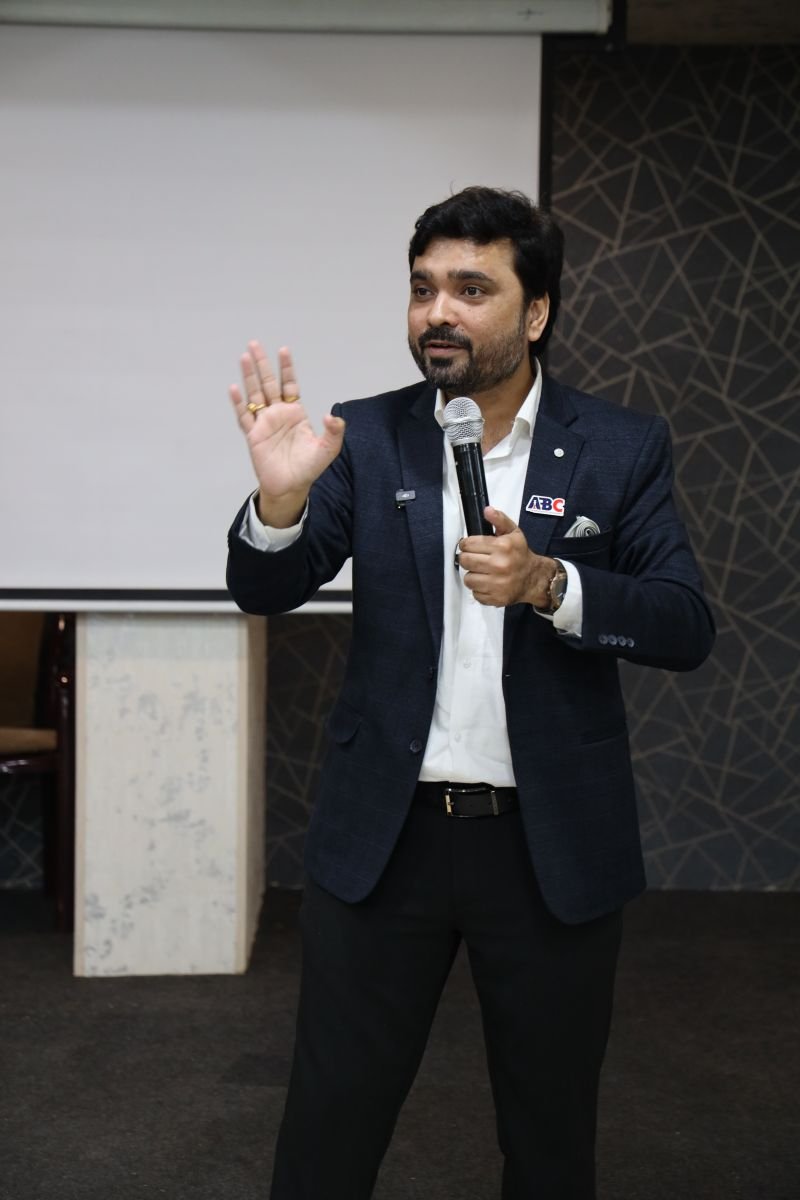
The Gap Nobody Puts in the Job Description
Every organisation is built to spot competence. The interview tests it, the promotion rewards it, the whole machine is tuned to find people who are good at the work. What almost nothing measures — until it becomes a problem — is how a person behaves while doing it. So you end up with rooms full of capable people who have never once been given honest feedback on the thing that is actually capping them: they interrupt, they bristle at challenge, they go quiet and cold when stressed, they win the argument and lose the person. Everyone around them can see it. No one has ever quite said it.
And it costs you in the currency that hurts most — good people. A team stops volunteering ideas because one senior voice makes it unsafe. A high performer is quietly passed over for the lead role, not for lack of skill but because no one wants to work for him. A resignation letter arrives citing "growth", and the real reason — a manager nobody could talk to — never makes it into the exit interview. You didn't lose these people over strategy or salary. You lost them over behaviour that no one ever named, and no one ever helped anyone change.
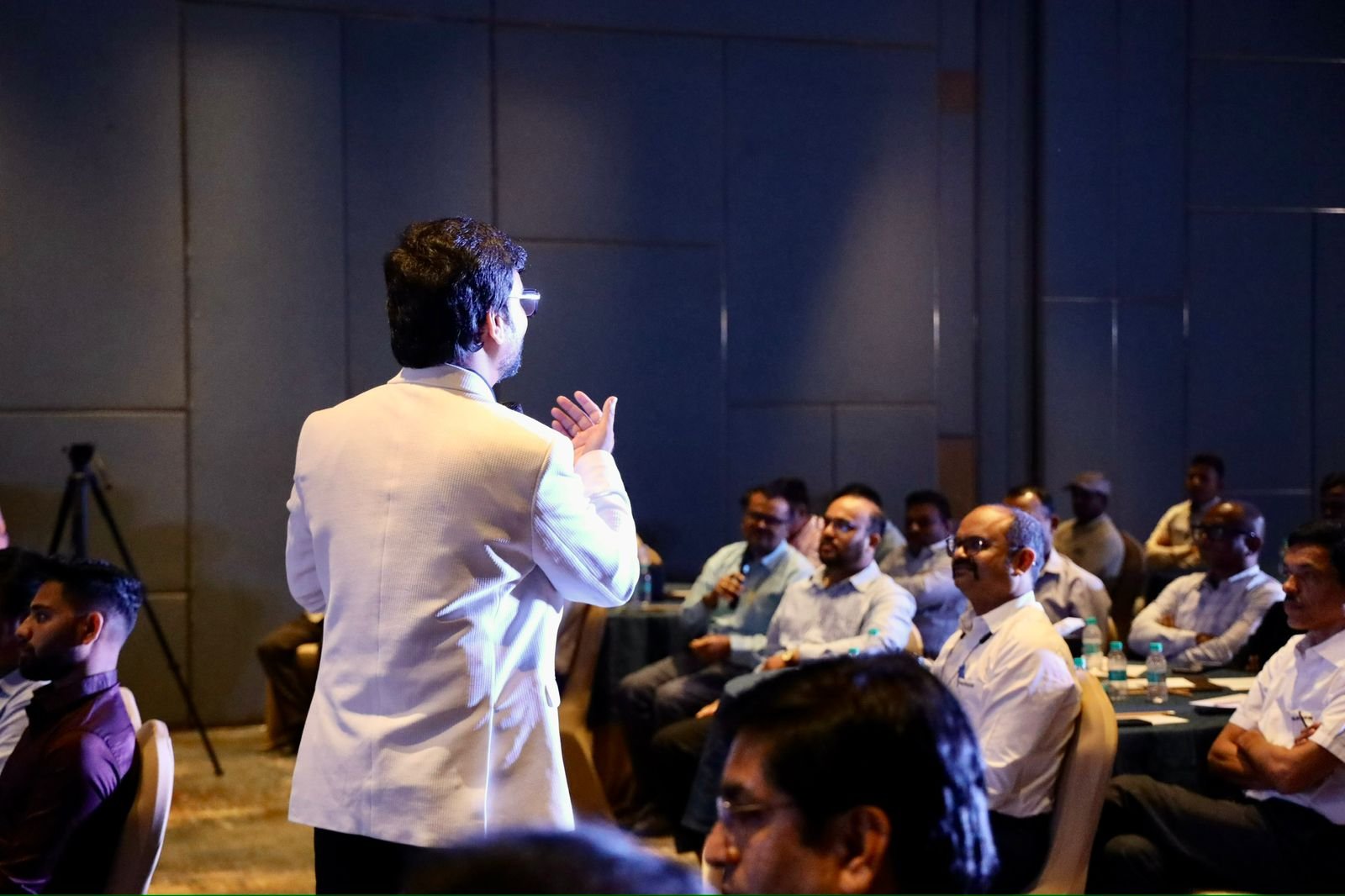
Why It Happens — And Why Behaviour Can Be Trained
The comfortable story is that some people are "just like that" — abrasive, thin-skinned, tone-deaf, take it or leave it. It's a convenient story because it lets everyone off the hook, but it's mostly wrong. Behaviour is not a fixed trait handed out at birth; it is a stack of learned habits, running mostly on autopilot, shaped by what a person was rewarded for early and never had reason to question. The brilliant engineer who steamrolls a discussion isn't a bad person — he learned, over years, that being fastest and loudest got results, and no one ever showed him what it costs. That is a habit, and habits are exactly the kind of thing that can be rewired.
What's missing is almost never willingness. Most people genuinely do not know how their behaviour lands — the manager who thinks he's being "direct" has no idea the room reads it as contempt. Give someone an honest mirror, a simple model for what's happening, and structured practice on the real moments — the tense review, the interruption, the moment the pressure spikes — and behaviour shifts. Not through a personality transplant, but through the same route any skill improves: awareness, a better pattern, and reps. This programme is that route, run deliberately, before the next good person quietly decides to leave.
Does This Sound Familiar?
If your most capable people are the ones generating the most friction, it is rarely a hiring mistake and almost never a lost cause. It is behaviour running on old habits that no one has ever named or helped them change. Here is what you are likely seeing, what it is quietly costing, and exactly which part of the programme addresses it.
| The symptom you see | What it is costing you | The real cause | How the programme fixes it |
|---|---|---|---|
| A skilled team member is abrasive — right in every debate, hard to work with in every one | The team stops challenging them, ideas dry up, and good people angle to move away | They genuinely cannot see how their behaviour lands; no one has ever held up the mirror | The Self-Awareness module — seeing your own impact on others |
| Someone keeps repeating the same derailing behaviour despite feedback and good intentions | Feedback stops being given, the pattern hardens, and it becomes "just how they are" | The behaviour is an automatic habit, not a choice — willpower alone never rewires it | The Habits module — building better patterns and breaking the ones that derail |
| People feel unheard around a particular person — talked over, cut off, not really listened to | Weak buy-in, quiet resentment, and decisions that unravel because no one truly agreed | They were never taught listening as a discipline — they wait to talk instead of taking in | The Listening & Rapport module |
| Under pressure, a capable person turns sharp, defensive, or shuts down completely | The whole team walks on eggshells in exactly the moments they most need to speak up | No one built the skill of staying composed and adaptable when the stakes rise | The Composure Under Pressure module |
| A high performer is quietly stalled — technically ready, but no one wants to work for them | You can't promote your best individual contributor, and they can feel the ceiling | The interpersonal side — give-and-take, small talk, everyday respect — was never developed | The Interpersonal Skills module — the everyday give-and-take |
What Changes When Behaviour Becomes a Skill Your People Own
Picture the same talented people, only now the behaviour matches the ability. The brilliant engineer still pushes hard — but he reads the room, hears the objection out, and disagrees without leaving a scorch mark. The analyst who was "difficult" is suddenly the person others want on the tricky project, because being right no longer comes at the cost of being unbearable. Under pressure, the team stays steady instead of sharp. People finish conversations feeling heard rather than handled.
And the shift that quietly pays for the whole programme: you stop losing your best people to your other best people. The talent you fought to hire actually gets to lead, because they've earned the trust to. Behaviour stops being the invisible ceiling on careers you can't explain — and becomes something your people can see, own and keep improving, long after the room empties.
What Your People Will Be Able to Do
- ✓ See — honestly, maybe for the first time — how their own behaviour actually lands on others
- ✓ Build better workplace habits and interrupt the automatic ones that quietly derail them
- ✓ Listen to genuinely understand, and build rapport instead of just waiting to reply
- ✓ Stay composed and adaptable under pressure, instead of turning sharp or shutting down
- ✓ Handle the everyday give-and-take — small talk, disagreement, plain respect — with ease
- ✓ Behave in ways that build trust over time, and recognise the small habits that erode it
- ✓ Carry a personal behaviour-change plan out of the room and keep practising it at work
What the Programme Covers
Seven connected modules that treat behaviour the way it should be treated — as a set of learnable skills, not a fixed personality. Each module pairs a short, honest input with real practice on the exact behavioural moments your people face, and ends with a concrete change they can name and repeat.
These are building blocks, not a fixed-length course. A two-hour session goes deep on the two or three that matter most to you; a half or full day covers more; a multi-day intensive — or an ongoing monthly, quarterly or half-yearly rhythm — works through them all, with far more practice. We shape which ones, in what order and how deep, with you.
Self-Awareness — How Your Behaviour Lands on Others
What we cover: The gap between intention and impact — why "I was only being direct" and "he was rude to me" are both true at once. Surfacing your own default behaviours and blind spots with an honest mirror. Reading the signals you send without meaning to — tone, timing, body language, the face you make when you disagree. Understanding what sits beneath a behaviour — the belief or trigger driving it. Inviting feedback instead of flinching from it.
What changes: People finally see their own impact clearly — the essential first move, because you cannot change a behaviour you cannot see.
Habits — Building Better Ones, Breaking the Ones That Derail
What we cover: Why behaviour is mostly habit running on autopilot, not a fresh choice each time. The loop underneath every pattern — the cue that fires it, the routine that follows, the reward that keeps it alive. Spotting the specific derailing habits — interrupting, defensiveness, going cold, over-committing — and the triggers that set them off. Designing a replacement behaviour and making it the easier path. Why small, repeated reps beat grand resolutions.
What changes: People stop relying on willpower and start changing behaviour by design — swapping a derailing habit for a better one that actually holds.
Listening and Building Rapport
What we cover: Listening as a discipline, not a pause before talking. The difference between hearing words and understanding a person. The habits that make others feel unheard — interrupting, finishing sentences, rehearsing your reply while they speak. Asking questions that open people up rather than close them down. Reading and matching the other person to build genuine rapport quickly, across levels and functions.
What changes: People leave conversations with your team feeling genuinely heard — which is where trust, buy-in and real influence begin.
Adaptability and Composure Under Pressure
What we cover: What happens to behaviour when the stakes rise — the sharpness, the defensiveness, the shutdown. Spotting your own early warning signs before they hijack the moment. Simple techniques to stay steady and think clearly when challenged, criticised or caught off guard. Managing your energy across a hard day so you don't run out of patience by the afternoon. Flexing your behaviour to the person and the situation instead of running one setting for everyone.
What changes: People hold their composure in exactly the moments that used to expose them — and the team stops bracing for the reaction.
Interpersonal Skills — Give-and-Take, Small Talk, Respect
What we cover: The everyday human skills that quietly decide who people want to work with. Making easy conversation and warm first contact — the "small talk" that opens doors, especially for people who find it pointless or awkward. Disagreeing without turning it personal, and giving ground without losing the point. Everyday respect — how you treat people who can do nothing for you. Repairing a relationship after a clumsy moment instead of letting it calcify.
What changes: People become someone others actively want on the team — turning raw capability into real working relationships.
Behaviour That Builds Trust — and the Habits That Erode It
What we cover: Why trust is earned in small, repeated behaviours, not grand gestures. The everyday habits that quietly build it — reliability, honesty, credit given freely, follow-through on the small stuff. The equally small habits that erode it — broken promises, taking credit, the sarcastic aside, being one person up and another down. Rebuilding trust after it's been dented. Behaving consistently so people always know which version of you they'll get.
What changes: People understand trust as an outcome of behaviour they control — and start banking it deliberately instead of spending it by accident.
Practice — Real Behavioural Scenarios and Live Feedback
What we cover: Live practice on the behavioural moments that actually trip people up: the tense review where being right isn't enough, the interruption you're about to make, the pressure spike that usually turns you sharp, the awkward first conversation with someone senior, the trust you need to repair. Run on real situations from your own organisation, with honest peer and facilitator feedback — and each person leaves with a written personal behaviour-change plan.
What changes: People walk out having already rehearsed the hard behavioural moments once, in safety — with a concrete plan for the real ones waiting at their desk.
How It Is Delivered
This is not a personality lecture and it is definitely not a "just be nicer" session. It is a workshop built on a single premise — behaviour is a skill — so people spend most of their time working on their own real patterns. Honest self-awareness exercises, live role plays on the exact moments that expose them, peer feedback given safely, and a personal behaviour-change plan each person builds for themselves. The models are kept simple and immediately usable; the practice, and the honesty, are where the change is made.
The format flexes to your needs. It runs as a focused half-day, a full-day workshop, a multi-day behavioural intensive for a cohort, or a modular series spread across weeks so new behaviours have time to bed in between sessions — and it works especially well as an ongoing rhythm, because behaviour change is a practice, not an event. For 20 to 40 participants it is organised into small batches so every person practises and gets feedback, not just listens. The exact depth, duration and cadence are shaped with you in the design call.
Formats That Fit Your Calendar
Half-day or full-day workshop
A high-impact session to build shared behavioural awareness fast — ideal for a team that keeps tripping over the same interpersonal friction.
Multi-day behavioural intensive
Two or more days to go deep — room to work honestly through self-awareness, habits and live practice for a cohort you want to genuinely shift.
Modular series across weeks
Shorter sessions spaced out, so people try new behaviours at work between modules and bring the real results back to practise — where habit change actually takes hold.
An ongoing behavioural rhythm
A recurring cadence that keeps behaviour a live topic, because habits drift back without practice — making behavioural development part of how your people keep growing.
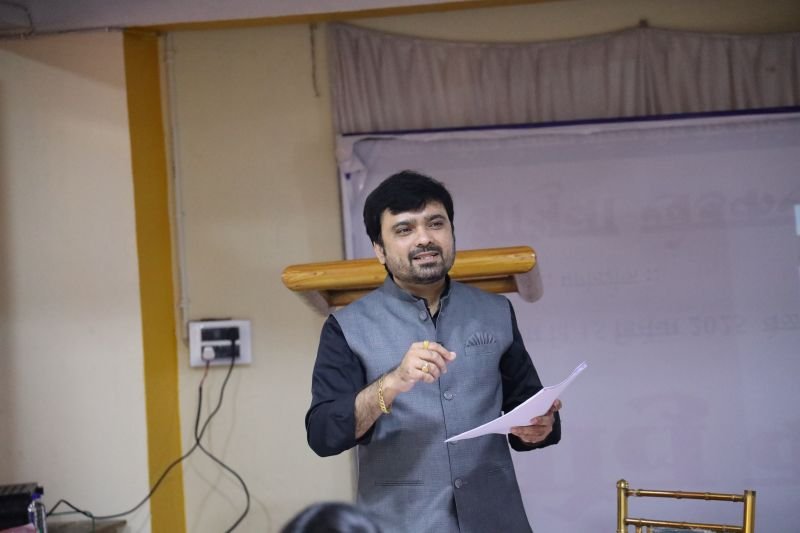
The Thinking Behind It
This programme is not a generic soft-skills deck. It draws on the best writing and research on habits, human behaviour and interpersonal skill — distilled into a few models people can use the same afternoon — and then goes further, into the frameworks Avinash uses to develop behaviour inside his own 100-plus member organisation.
Ideas & books we draw on
- Atomic Habits — James Clear · the definitive modern playbook for changing behaviour through small habits — the engine under this whole programme
- How to Win Friends and Influence People — Dale Carnegie · the enduring classic on the everyday interpersonal behaviours that make people want to work with you
- The Power of Full Engagement — Jim Loehr & Tony Schwartz · why managing your energy, not just your time, is what keeps behaviour steady under real pressure
- Change Anything — Kerry Patterson, Joseph Grenny, David Maxfield, Ron McMillan & Al Switzler · the science of why willpower fails at behaviour change — and the six forces that actually make it stick
- The Fine Art of Small Talk — Debra Fine · small talk treated as a learnable skill, for the capable people who find warm first contact genuinely hard
- People Skills — Robert Bolton · the practical bible of listening, reading others and handling friction — interpersonal behaviour, taught step by step
Models we use to build behaviour
- The habit loop (cue–routine–reward) · the anatomy of any behaviour — change the loop and you change the habit
- The behaviour–belief iceberg · the behaviour you see is driven by a belief or trigger beneath the surface
- The Johari window · mapping your blind spots — the behaviours others see that you don't
- Transactional analysis (Parent–Adult–Child) · spotting which "you" is showing up under pressure — and choosing the adult
- Self-awareness → self-management · you can only manage a behaviour once you can see it — awareness comes first
And Avinash's own frameworks — the part you won't find anywhere else
Beyond the established thinking, the programme is built on frameworks Avinash has created and written about himself — including his KITE leadership framework and the principles in his book The Winning Edge. These come from actually running a 100-plus member organisation and developing its people year after year, not from a textbook. It is the layer competitors cannot copy, and the one your professionals remember long after the session ends.
Who It Is For
The technically strong people whose careers are being quietly capped by the human side — brilliant engineers, sharp analysts, expert specialists and capable managers who were selected for skill and never developed on behaviour. It is powerful for a team that keeps tripping over the same interpersonal friction, for high performers you want to promote but can't yet because of how they land, and for campus-to-corporate and shop-floor talent building workplace behaviour from the start. Run as a cohort, it gives a group a shared language for behaviour and the safety to give each other honest feedback.
Taught by Someone Who Builds Behaviour in a Real Team Every Day
Avinash Chate does not teach this from a textbook. He runs a 100-plus member organisation, where developing people's behaviour — the self-awareness, the habits, the everyday give-and-take that turns skilled individuals into a team — is his daily work, not a theory. As a behavioural and leadership trainer he has worked with teams at 1,000-plus organisations and 15,000-plus professionals across sectors, from manufacturing shop floors to IT, sales and services — the same skilled people, everywhere, held back by the same human behaviours, and helped to change them.
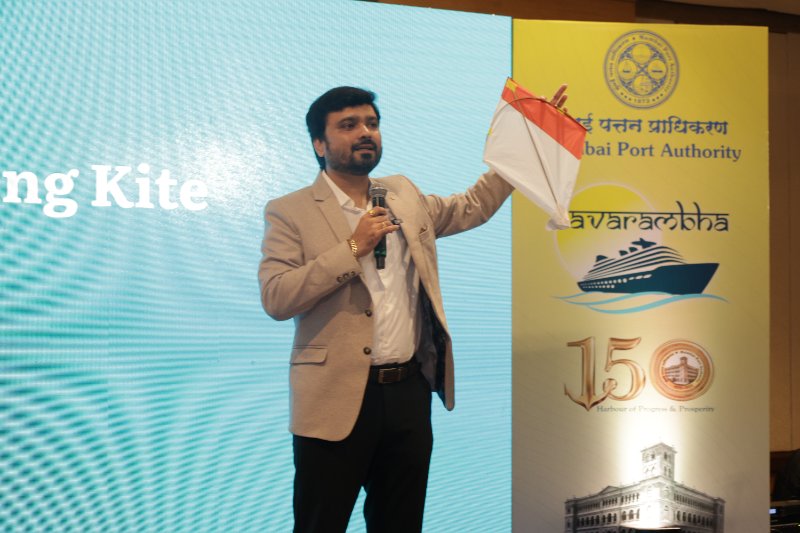
Why Avinash Chate
Avinash Chate is an entrepreneur and corporate trainer who runs ABC Trainings and The Future Corporate & Business Coaching, a TEDx speaker and published author. Over the last decade he has trained teams at 1,000-plus organisations and 15,000-plus professionals.
He teaches these skills not from a manual, but because he practises them himself — leading a 100-plus member team of his own. That is the difference working leaders feel in the room.
Behavioural Skills Training — FAQ
What is Behavioural Skills Training?
It is a practical development programme that treats workplace behaviour as a set of learnable skills rather than fixed personality. It builds self-awareness — how your behaviour actually lands on others — then works on the behaviours that decide how far skilled people go: building better habits and breaking derailing ones, listening and rapport, composure and adaptability under pressure, everyday interpersonal give-and-take, and the behaviour that builds trust. Unlike a "just be nicer" talk, it works on people's real patterns and has them practise the actual moments, in the room, until change starts to stick.
Who should attend this training?
Technically strong professionals whose careers or teams are being held back by the human side — engineers, analysts, specialists and managers hired for skill and never developed on behaviour. It is especially valuable for a team that keeps hitting the same interpersonal friction, and for high performers you want to promote but can't yet because of how they land on people. It also suits campus-to-corporate and shop-floor talent building solid workplace behaviour from the start, and works best run as a cohort so people build a shared language and give each other honest feedback.
Isn't behaviour just personality — can it really be changed?
That's the common assumption, and it's mostly wrong. Most workplace behaviour is habit running on autopilot — patterns a person was rewarded for early and never had reason to question, not fixed traits handed out at birth. The engineer who steamrolls discussions learned that being fastest and loudest got results; that's a habit, and habits can be rewired. What's usually missing isn't willingness but awareness — people genuinely don't see how they land. Give them an honest mirror, a simple model, and structured practice on the real moments, and behaviour shifts. Like any skill, it improves through awareness, a better pattern, and repetition.
What does the programme cover?
Seven connected modules: self-awareness of how your behaviour lands on others; building better habits and breaking the ones that derail you; listening and building rapport; adaptability and composure under pressure; interpersonal skills — give-and-take, small talk and everyday respect; behaviour that builds trust versus the habits that erode it; and extensive live practice on real behavioural scenarios, ending with a personal behaviour-change plan each person builds for themselves. Every module pairs a short, honest model with practice on situations drawn from your own organisation.
How is the training delivered — and how long does it take?
It is highly interactive — honest self-awareness work, live role plays and real cases, with minimal lecture. The duration is flexible: the same programme runs as a half-day, a full day, a multi-day intensive for a cohort, or a modular series spread across weeks so people can try new behaviours at work between sessions, and it works well as an ongoing rhythm. Because behaviour change is a practice, not a one-off event, the spaced and ongoing formats tend to stick best. We shape the exact length and cadence with you. For 20 to 40 participants, sessions are organised into small batches so everyone practises and gets feedback.
How is this different from an emotional intelligence or communication course?
There's overlap, but the lens is different. Behavioural Skills Training is deliberately behaviour-first: it starts from the visible habits and reactions others actually experience — the interruption, the sharp reply, the way someone lands in a room — and works to change them as skills, using habit science and honest feedback. Emotional intelligence and communication programmes are natural companions and go deeper on their own themes; many organisations run this as the practical, behaviour-changing foundation and add those where they want more depth. If you're unsure which fits, we'll help you choose in the design call.
Is the programme customised to our organisation?
Yes. Before the first session, the examples and role-play scenarios are built around your context — your industry, your structure, and the real behavioural situations your people face, from the review room to the shop floor. Generic soft-skills training is exactly what fails, because behaviour only changes when people practise their own actual moments. The value is in working on the specific patterns and conversations your people will face next week, not on abstract examples from a slide.
Can it be delivered on-site, and in which languages?
Yes. Most engagements are across Maharashtra — Pune, Mumbai, Chhatrapati Sambhajinagar, Nashik, Nagpur and the surrounding MIDC industrial belts — and the programme is equally delivered pan-India and internationally on request. Delivery is available in English, Hindi and Marathi, or a natural mix, which matters especially for behavioural work with mixed teams and with talent promoted from the shop floor.
What outcomes can we expect?
Skilled people whose behaviour finally matches their ability — pushing hard without leaving a scorch mark, staying composed when the pressure spikes, listening so others feel heard, and building trust through everyday habits rather than eroding it by accident. Teams that speak up instead of walking on eggshells around one difficult voice. And, over time, the quiet win that matters most: you stop losing good people to other good people, and your best individual performers earn the trust to lead. Each participant also leaves with a concrete behaviour-change plan to keep practising.
Why Avinash Chate for this programme?
Avinash Chate is an entrepreneur and corporate trainer who runs a 100-plus member organisation, where developing people's behaviour is daily work rather than theory. He is a TEDx speaker and author of The Winning Edge, creator of the KITE leadership framework, and has trained teams at 1,000-plus organisations and over 15,000 professionals across manufacturing, IT, sales and services. That mix of real operating experience — building behaviour in his own team — and his own frameworks is what skilled, sceptical professionals actually respond to.
Related Training Topics
Turn your most skilled people into your most trusted ones
Develop the behaviour that decides how far talent goes — self-awareness, better habits, listening, composure under pressure and the everyday give-and-take that builds trust. On-site across Maharashtra, pan-India and internationally, in English, Hindi or Marathi.
Request a Proposal →