Interviewing & Hiring Skills Training
You made the call in forty-five minutes. You will spend the next twelve months living with it.
The most consequential decision a manager makes is who joins the team — and almost no one was ever taught how to make it. So it happens the way it always has: a CV that reads well, a candidate who interviews smoothly, a good feeling in the room, and an offer by Friday. Then the real person arrives, and the gap between the interview and the job slowly reveals itself. The confident answers do not translate into work. The energy that filled the room does not fill the role. And the manager who chose on instinct now spends a year coaching, covering for, or quietly exiting a hire a sharper interview would never have made. This programme replaces the gut with a method.
★ 5.0 client rating · Across Maharashtra, pan-India & internationally · English, Hindi & Marathi
The Most Expensive Decision Managers Make Untrained
Sit in on enough interviews and a pattern emerges. The manager has read the CV once, on the way in. There is no agreed picture of what great in this role even looks like — just a vague sense of "someone good". The questions are the same ones everyone asks, the ones every candidate has rehearsed: tell me about yourself, what is your biggest weakness, where do you see yourself in five years. The articulate, confident candidate sails through; the quieter one who could actually do the job does not. And within twenty minutes, the manager has already decided — the rest of the conversation is just looking for reasons to confirm it.
The bill for this arrives later, and it is enormous. A wrong hire is not a single bad day — it is months of underperformance, the drag on a team that has to carry it, the manager's time swallowed by supervision and difficult conversations, the eventual cost of exiting and replacing, and the quiet damage to everyone who watched it happen. Study after study puts the cost of a mis-hire at many times the person's salary. Yet the interview that caused it took under an hour, run on instinct, by someone who was never shown a better way. It is one of the most expensive mistakes an organisation makes — quietly, and again and again.
Why Smart Managers Keep Getting It Wrong — And Why It Is Learnable
Here is what almost no one admits: interviewing feels like a skill managers already have, which is exactly why they never learn it. We are all social, we all "read people", and every one of us quietly believes we are a good judge of character. But the unstructured interview — the free-flowing chat that most hiring still relies on — is one of the weakest predictors of job performance there is, and the research has said so for decades. It rewards confidence, polish and likeness to ourselves, none of which is the job. We fall for the candidate who is like us, anchor on a first impression in the opening minutes, and remember the charming story instead of the relevant evidence.
None of that is a failure of intelligence — it is the absence of a method. Hiring well is not an instinct you are born with; it is a discipline: define the role precisely, ask every candidate the same evidence-seeking questions, probe past achievements for what a person actually did, separate the signal from the charm, and decide against a standard instead of a feeling. Those are learnable moves, and this programme teaches them deliberately — in the room, on real roles from your own organisation — so your managers stop hiring the person who interviews best and start hiring the person who will do the job best.
Does This Sound Familiar?
If your managers are hiring on instinct and living with the results, the pattern is almost never that they are poor judges of people. It is that no one gave them a method. Here is what you are likely seeing, what each miss is quietly costing, and exactly which part of the programme fixes it.
| The symptom you see | What it is costing you | The real cause | How the programme fixes it |
|---|---|---|---|
| Managers walk into interviews having barely read the CV, with no agreed picture of "great" | Every interviewer is measuring against a different, unspoken standard — so the decision is a coin toss | The role was never defined and no scorecard exists before the interviewing starts | The Scorecard module — defining the role and the standard before anyone interviews |
| The same tired questions get asked, and every candidate has a polished answer ready | You learn how well someone rehearses, not how well they will actually do the job | Interviews are unstructured chats instead of evidence-seeking, behaviour-based conversations | The Structured & Behavioural Interviewing module, built on STAR |
| The most confident, charming candidate keeps winning — and keeps disappointing on the job | You hire performers of the interview, not performers of the role, and pay for it for a year | No one was taught to separate real evidence of capability from charm and self-presentation | The Evidence vs Charm module — reading what people did, not how well they tell it |
| Your panels keep hiring people who look and sound like the people already there | A narrower team, missed talent, and decisions skewed by bias no one notices in the moment | Unmanaged interviews let affinity, first impressions and gut feeling run the decision | The Interrupting Bias module — structure and safeguards for fairer, better hiring |
| References are a rushed formality and offers get fumbled or lost to a counter-offer | The last checks that would have caught a red flag get skipped, and the best candidate walks | No one learned how to run a reference that reveals anything, or how to close the person they want | The References, Decisions & Selling the Offer module |
What Changes When Your Managers Actually Know How to Hire
Picture a hiring process your managers are genuinely good at. They start by agreeing what great looks like in the role and writing it down, so every interviewer measures against the same standard. They ask the same sharp, behaviour-based questions of every candidate and probe for what the person actually did, not what they claim they would do. They notice when they are being charmed and go looking for evidence instead. They catch their own bias before it decides for them. And when they find the right person, they check the references that matter and close the offer with conviction.
Underneath it sits the shift that pays for the entire programme: your hit rate goes up and your mis-hires go down. You stop pouring a year of management time into decisions that were lost in a forty-five-minute conversation, and you build teams out of people who can genuinely do the work — chosen deliberately, on evidence, instead of picked on a feeling and regretted at leisure.
What Your Managers Will Be Able to Do
- ✓ Define what "great" looks like in a role and build a scorecard before anyone interviews
- ✓ Run a structured interview that asks every candidate the same evidence-seeking questions
- ✓ Use behavioural interviewing and the STAR technique to probe real past performance
- ✓ Tell genuine evidence of capability apart from charm, confidence and rehearsed answers
- ✓ Recognise and interrupt the biases that quietly skew every interview and panel
- ✓ Run reference checks that reveal something real, not a rehearsed formality
- ✓ Make the hiring decision against a standard — then sell the offer and close the person they want
What the Programme Covers
Seven connected modules that take a manager from hiring on instinct to hiring on evidence. Every module pairs a short, practical input with real practice — on live roles and real candidates from your own organisation — and ends with a concrete change in how your managers interview and decide.
These are building blocks, not a fixed-length course. A two-hour session goes deep on the two or three that matter most to you; a half or full day covers more; a multi-day intensive — or an ongoing monthly, quarterly or half-yearly rhythm — works through them all, with far more practice. We shape which ones, in what order and how deep, with you.
Why Hiring Goes Wrong — Gut, Bias and the Unstructured Interview
What we cover: The true cost of a mis-hire — in team drag, management time, and the churn of exiting and rehiring. Why the free-flowing "chat" interview is one of the weakest predictors of job performance there is. How confidence, polish and likeness to ourselves get mistaken for capability. The mental traps that decide the hire before the interview is over — first-impression anchoring, the halo effect, hiring in our own image, and looking only for what confirms our snap judgement.
What changes: Managers stop trusting the instinct that has been quietly failing them and see, clearly, why a method beats a feeling — the shift the rest of the programme is built on.
Define the Role & Build the Scorecard — Before You Interview
What we cover: Why most hiring fails before the first question is ever asked. Moving from a vague "someone good" to a precise picture of what success in this role actually requires. Writing a scorecard: the mission of the role, the outcomes it must deliver, and the competencies and behaviours that predict them. Aligning the whole panel on one standard, so everyone is measuring the same thing. Turning that scorecard into the questions the interview will ask.
What changes: Managers walk into every interview knowing exactly what they are looking for — so the decision is made against a clear standard, not an unspoken hunch.
Structured & Behavioural Interviewing — the STAR Technique
What we cover: Why structure — the same planned questions, asked of every candidate, scored the same way — is the single biggest upgrade to hiring accuracy. The core principle of behavioural interviewing: past behaviour is the best predictor of future behaviour. Asking for real examples rather than hypotheticals. Using STAR — Situation, Task, Action, Result — to unpack an achievement, and probing relentlessly for the Action: what did you actually do, not what did the team do. Following the thread until you reach real evidence.
What changes: Managers run interviews that surface what a candidate has genuinely done — replacing rehearsed, generic answers with concrete, checkable evidence of capability.
Reading Evidence, Not Charm
What we cover: Separating the performance of the interview from the ability to do the job. Spotting the tells of a vague, borrowed or inflated story versus a real one. Distinguishing "we" from "I", intention from action, and activity from result. Scoring answers against the scorecard as you go, on evidence, so a great talker with a thin record cannot coast on charisma. Calibrating notes and ratings across a panel so the decision rests on what was demonstrated, not who was most likeable.
What changes: Managers stop being swayed by the smoothest candidate in the room and start choosing the one whose evidence actually predicts they will do the job.
Interrupting Bias — for Fairer, Better Hiring
What we cover: The biases that quietly steer every interview: affinity and "culture fit" as a mask for sameness, the halo and horns effects, confirmation bias, and the anchoring first impression. Why bias is not just unfair but expensive — it narrows the talent you can see and weakens the team you build. The structural fixes that actually work: consistent questions, independent scoring before the panel discusses, diverse interviewers, and evaluating on evidence rather than gut. Building fairness into the process instead of relying on good intentions.
What changes: Managers hire from a wider, stronger field and make fairer, more defensible decisions — because the process, not the gut, is doing the guarding.
Reference Checks, the Decision & Selling the Offer
What we cover: Turning the reference check from a rushed formality into a real source of evidence — who to ask, the behaviour-based questions that get past the script, and how to hear what is said and what is carefully left unsaid. Making the final call as a panel: weighing evidence against the scorecard, surfacing dissent, and avoiding the pressure to settle. Then the last mile too many managers fumble — selling the role to the person you want, handling hesitation and the counter-offer, and closing the offer with conviction so your first-choice candidate actually joins.
What changes: Managers make the decision on evidence, catch the red flags a lazy reference check would miss, and land the candidate they chose instead of losing them at the finish.
Practice — Run Mock Interviews & Score Them
What we cover: Live mock interviews on real roles from your own organisation. Managers build a scorecard, plan behavioural questions, interview a candidate — played by a peer or a facilitator working from a real brief — probe with STAR, take evidence-based notes, and score independently. Then the reveal: the panel compares scores, sees where charm swayed them, where bias crept in, and where their probing stopped short of the real answer. Repeated until structured, evidence-based interviewing feels natural.
What changes: Managers leave having already run the disciplined interview once, in safety — so the next real one, with a real candidate and a real hire on the line, they run properly.
How It Is Delivered
This is not a lecture on recruitment theory. It is a working session in which managers interview. They build real scorecards, plan real questions, and run mock interviews on live roles from your own organisation — then get shown, with their own scoring in front of them, exactly where charm swayed them, where bias slipped in, and where their probing stopped one question short of the truth. The models are kept lean and immediately usable; the confidence is built in the practice, not the slides.
The format flexes to your needs. It runs as a focused half-day for a hiring panel before a recruitment drive, a full-day workshop, a multi-day intensive for a cohort of hiring managers, or a modular series that layers scorecards, behavioural interviewing and bias work over successive sessions — and it works beautifully as an ongoing standard, delivered to every manager the moment they gain the authority to hire. For 20 to 40 participants it is organised into small batches so every manager actually interviews and is scored, not merely watches. The exact depth, duration and cadence are shaped with you in the design call.
Formats That Fit Your Calendar
Half-day or full-day workshop
A high-impact session to sharpen a hiring panel fast — ideal right before a recruitment drive or a season of heavy hiring.
Multi-day intensive
Two or more days to go deep — perfect for a cohort of hiring managers or a talent-acquisition team building one shared, rigorous interviewing standard.
Modular series
Shorter sessions that build the discipline in stages — scorecards, then behavioural interviewing and STAR, then evidence and bias — with real hiring practised between them.
An ongoing hiring-manager standard
Deliver it to every manager the moment they earn the authority to hire — making structured, evidence-based interviewing simply how your organisation selects people.
The Thinking Behind It
This programme is not a generic recruitment deck. It draws on the best writing and research on selection and hiring — distilled into a few methods your managers can use in their very next interview — and then goes further, into the frameworks Avinash uses to hire and build inside his own 100-plus member organisation.
Ideas & books we draw on
- Who: The A Method for Hiring — Geoff Smart & Randy Street · the scorecard-driven A Method — define the role, then select against it — that gives this programme its backbone
- Work Rules! — Laszlo Bock · Google's head of People Operations on why structured interviews beat gut, and how to hire on data, not charisma
- Hiring for Attitude — Mark Murphy · the research that most new hires fail on attitude, not skill — and how to interview for the part CVs never show
- Topgrading — Bradford D. Smart · the deep, evidence-hungry interview that attacks the three killers of bad hiring: spin, shallow interviews and unchecked references
- The Essential Guide for Hiring & Getting Hired — Lou Adler · performance-based hiring — interview for what the job must achieve, not for a checklist of past titles
- Recruit Rockstars — Jeff Hyman · a practical, data-over-instinct playbook for lifting your hiring accuracy from a coin-flip toward reliable
Models we teach for hiring
- Structured / behavioural interviewing · the same planned, evidence-seeking questions for every candidate — the single biggest lift to hiring accuracy
- The STAR technique · Situation, Task, Action, Result — probing a real achievement, and pressing for the "I" inside the "we"
- The scorecard (the Who method) · define the mission, outcomes and competencies of the role, then hire against that standard, not a hunch
- Competency-based interviewing · interview to the specific competencies that actually predict success in this role
- Interrupting hiring bias · independent scoring, consistent questions and diverse panels to guard against affinity, halo and anchoring
And Avinash's own frameworks — the part you won't find anywhere else
Beyond the established thinking, the programme is built on frameworks Avinash has created and written about himself — including his KITE leadership framework and the principles in his book The Winning Edge. These come from actually running a 100-plus member organisation and developing its people year after year, not from a textbook. It is the layer competitors cannot copy, and the one your managers remember long after the session ends.
Who It Is For
Anyone who decides who joins the team — line managers and team leads who interview, department and functional heads who build and sign off panels, founders and business owners hiring for a growing company, and the HR and talent-acquisition partners who run the process alongside them. It is especially powerful delivered to a whole hiring panel at once, so an organisation interviews to one shared, rigorous standard instead of every manager improvising their own. On shop floors and in fast-scaling teams alike, it is the difference between hiring by luck and hiring by method.
Taught by Someone Who Hires and Builds a Team Every Year
Avinash Chate does not teach this from a textbook. He runs a 100-plus member organisation and hires into it himself — so the scorecards, behavioural questions and evidence-over-charm discipline taught here are the real thing, tested against real hires and real consequences in his own business. Programmes that sharpen interviewing and selection have been delivered across sectors, from manufacturing and MIDC plants hiring for the shop floor and the supervisor's chair, to IT, sales and services teams competing hard for scarce talent — everywhere the cost of a wrong hire is felt first and worst.
Why Avinash Chate
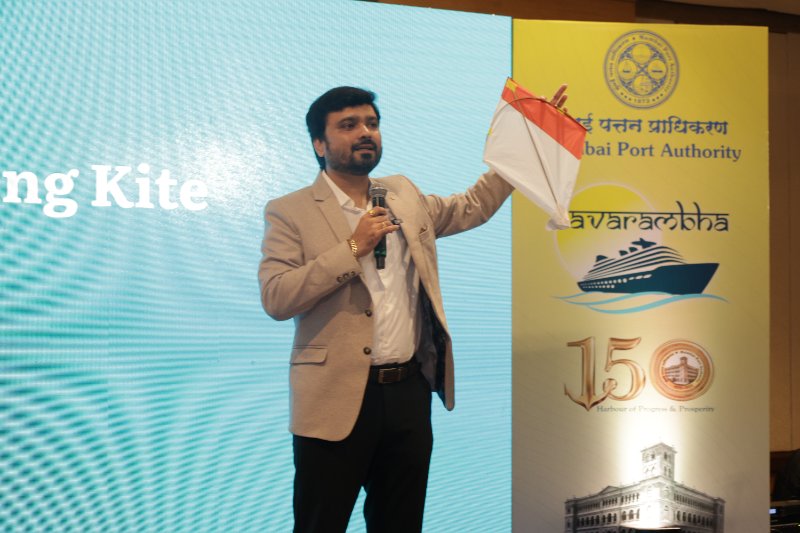
Avinash Chate is an entrepreneur and corporate trainer who runs ABC Trainings and The Future Corporate & Business Coaching, a TEDx speaker and published author. Over the last decade he has trained teams at 1,000-plus organisations and 15,000-plus professionals.
He teaches these skills not from a manual, but because he practises them himself — leading a 100-plus member team of his own. That is the difference working leaders feel in the room.
Interviewing & Hiring Skills Training — FAQ
What is Interviewing & Hiring Skills Training?
It is a practical development programme that turns hiring from a gut-feel activity into a structured, learnable discipline. It builds the specific skills that separate a good hire from an expensive one — defining the role and building a scorecard before you interview, running structured and behavioural interviews using the STAR technique, reading real evidence of capability instead of charm, interrupting the bias that skews every panel, checking references that reveal something, and closing the offer with the candidate you want. Unlike a generic recruitment briefing, it is built around your own live roles and practised in the room until the method feels natural.
Who should attend this training?
Anyone who interviews and decides who joins the team — line managers, team leads, department and functional heads, founders and business owners, and the HR and talent-acquisition partners who run hiring alongside them. It is at its most powerful when a whole hiring panel attends together, so the organisation interviews to one shared standard rather than every manager improvising. It is also the natural training to give any manager the moment they gain the authority to hire.
Why do capable managers keep making bad hires?
Because interviewing feels like a skill they already have, so they never learn it — everyone believes they are a good judge of character. But the unstructured "chat" interview is one of the weakest predictors of job performance there is: it rewards confidence, polish and candidates who resemble the interviewer, none of which is the job. Managers anchor on a first impression, fall for the charming story, and hire in their own image. It is not a failure of intelligence — it is the absence of a method. Define the role, ask every candidate the same evidence-based questions, probe real past behaviour, and decide against a standard, and the hit rate rises sharply. Those are learnable skills, which is exactly what this programme teaches.
What does the programme cover?
Seven connected modules: why hiring goes wrong (gut, bias and the unstructured interview); defining the role and building a scorecard before you interview; structured and behavioural interviewing with the STAR technique; reading evidence instead of charm; interrupting bias for fairer, better hiring; reference checks, the decision and selling the offer; and an extensive practice module where managers run mock interviews and score them. Every module pairs a short, usable method with practice on real roles from your own organisation.
What is behavioural interviewing and the STAR technique?
Behavioural interviewing rests on a simple, well-evidenced principle: past behaviour is the best predictor of future behaviour. So instead of hypotheticals — "what would you do if…" — you ask for real examples of what a candidate has actually done. STAR is the structure for unpacking each example: Situation, Task, Action, Result. The skill is in probing the Action relentlessly — separating what the candidate personally did from what "the team" did — until you reach genuine, checkable evidence of capability rather than a rehearsed, generic answer. Managers practise this live until it is second nature.
How is the training delivered — and how long does it take?
It is highly interactive — managers build real scorecards and run mock interviews, then see their own scoring played back to show where charm swayed them and bias crept in, with minimal lecture. The duration is flexible: the same programme runs as a half-day for a hiring panel before a recruitment drive, a full day, a multi-day intensive for a cohort of hiring managers, or a modular series that layers the skills over successive sessions, and it works well as an ongoing standard for every new manager who gains hiring authority. We shape the exact length and cadence with you. For 20 to 40 participants, sessions run in small batches so everyone actually interviews and is scored.
Is the programme customised to our organisation?
Yes. Before the first session, the scorecards, role briefs and mock-interview scenarios are built around your context — your industry, the specific roles you hire for, and the real selection decisions your managers face, from the shop floor to the leadership team. Generic recruitment training is exactly what fails; the value is in practising the actual interviews and hiring calls your managers will run next week, so the method transfers straight into the real thing.
Can it be delivered on-site, and in which languages?
Yes. Most engagements are across Maharashtra — Pune, Mumbai, Chhatrapati Sambhajinagar, Nashik, Nagpur and the surrounding MIDC industrial belts — and the programme is equally delivered pan-India and internationally on request. Delivery is available in English, Hindi and Marathi, or a natural mix, which matters especially when managers are hiring and interviewing for shop-floor and frontline roles.
What outcomes can we expect?
Managers who interview to a scorecard instead of a hunch, ask evidence-based questions instead of tired ones, see past charm to real capability, and catch their own bias before it decides for them — from their very next interview, not after another costly mis-hire. A measurably better hit rate and fewer wrong hires, which means far less management time poured into supervising and exiting people who were the wrong choice. And, over time, teams built deliberately out of people who can genuinely do the work — hired by method rather than by luck.
Why Avinash Chate for this programme?
Avinash Chate is an entrepreneur and corporate trainer who runs a 100-plus member organisation and hires into it himself — so he teaches interviewing and selection from lived experience, not theory. He is a TEDx speaker and author of The Winning Edge, creator of the KITE leadership framework, and has trained teams at 1,000-plus organisations including RBI, JSW Steel, BARC, the Indian Army and Ferrero. That combination of real hiring experience and his own frameworks is what working managers and hiring panels respond to.
Related Training Topics
Turn hiring on gut into hiring on evidence
Give your managers the structured method that catches a mis-hire in the interview instead of in the next twelve months — scorecards, behavioural interviewing with STAR, reading evidence over charm, interrupting bias, and closing the offer. On-site across Maharashtra, pan-India and internationally, in English, Hindi or Marathi.
Request a Proposal →