Executive Presence Training
They have the results. They just don't have the room. And presence, not competence, is what's holding them back.
You know the person. Sharp, dependable, the one who actually delivers — and yet, somehow, not the one the room turns to. In the leadership meeting they get talked over, and a thinner idea from someone more commanding carries the day. When the stretch role opens up, a name that isn't theirs comes up first, followed by that maddening phrase: not quite leadership material yet. It was never the work. Their work has always been excellent. It is that when they speak, the room doesn't lean in — sound thinking lands flat, and someone with half the substance but twice the gravitas gets the nod. Presence has been treated as something you are simply born with or without. It isn't. It is a set of learnable signals, and this programme teaches them.
★ 5.0 client rating · Across Maharashtra, pan-India & internationally · English, Hindi & Marathi
The Ceiling No One Names in the Performance Review
Somewhere above solid competence there is a ceiling that no amount of extra effort seems to break. Your most capable people keep hitting it. The feedback, when it finally comes, is frustratingly vague — be more strategic, have more impact, show up more like a leader — never anything they can actually pick up and do. So they do more of what already works: more preparation, more detail, more hours. And the ceiling stays exactly where it was, because the thing standing between them and the next level was never the quality of their thinking. It was whether the room registered it.
The cost of that is quiet and expensive. Your strongest technical minds stall one rung below where their ability should carry them, and eventually a few of them leave for a competitor who saw the leader instead of the specialist. Boardrooms and client meetings get won by whoever is most convincing in the moment, not whoever is most right — so good decisions lose to confident ones. And a generation of high-potentials watches presence get rewarded over substance, and quietly concludes the work was never the point. None of it shows up cleanly in a review, which is precisely why it never gets fixed.
Why Presence Feels Innate — And Why It Is Entirely Trainable
Here is what makes presence so slippery: we experience it as a single, magnetic quality — someone simply has it — when it is really a bundle of very concrete, observable signals. How you carry weight in a silence rather than rushing to fill it. Whether your voice falls at the end of a sentence with certainty or lifts into a question you didn't mean to ask. What your hands, your posture and your pace say a half-second before your words do. How much you say, and how much you leave unsaid. People read all of it in seconds and translate it into a verdict — this person is a leader — without ever knowing that is what they did.
And every one of those signals can be seen, understood and rebuilt. Presence is not a personality you are stuck with or a charisma gene you missed; it is gravitas, communication and command that can be developed with the right awareness and the right practice — which is exactly why the most senior leaders in the world hire coaches to work on it. This programme gives your people that same work, deliberately and in the room, so the leader everyone already respects on paper finally lands that way in person.
Does This Sound Familiar?
If your most capable senior people are being read as less than they are, it is almost never a competence problem — it is a presence problem, and presence is coachable. Here is what you are likely seeing, what it is quietly costing, and exactly which part of the programme addresses it.
| The symptom you see | What it is costing you | The real cause | How the programme fixes it |
|---|---|---|---|
| A strong performer gets talked over and cut off in senior meetings | Good thinking never reaches the decision, and the room stops expecting it to | They signal deference — softening, hedging, yielding the floor — instead of authority | The Gravitas module — commanding a room and holding the floor |
| Sound ideas land flat while a thinner pitch from someone more polished wins | Decisions go to the most convincing voice rather than the most correct one | The message is accurate but delivered without conviction, structure or weight | The Executive Communication module — clarity and concision for senior audiences |
| Under pressure or scrutiny they visibly shrink — rushing, over-explaining, apologising | In the exact moments that define a leader, they read as rattled rather than steady | No one taught them how to hold composure and presence when the stakes spike | The Presence Under Pressure module — steadiness in high-stakes moments |
| Their voice and body undercut their words — trailing off, filler, closed posture | The room trusts the nervous signals over the competent content | Non-verbal and vocal habits are running unmanaged, contradicting the message | The Voice & Body Language module — aligning every signal |
| Told to "have more presence," they either stay themselves or turn stiff and performative | Vague feedback produces either no change or a fake, off-putting version of them | Presence was framed as a trait to fake, not an authentic style to develop | The Authentic Presence module — real gravitas, not a performance |
What Changes When Your Leaders Are Actually Seen
Picture that same capable person walking into the leadership meeting and, this time, the room settling when they speak. They hold a pause instead of racing through it. They make the case in three clean sentences and stop, and the point lands and stays landed. When a sharp question comes at them across the table, they meet it steadily rather than scrambling. Nothing about who they are has changed — the substance was always there — but now every signal is finally pointing the same way, and the room reads them as exactly what they already were.
And underneath it, the shift that pays for the whole programme: your best people stop being overlooked. The stretch role goes to the person who earned it. The client is persuaded by the one who is actually right. Your bench of quiet, capable experts becomes a bench of leaders the organisation — and the market — can see. You keep the talent you were about to lose, and you finally get the full value of the substance you already had.
What Your Leaders Will Be Able to Do
- ✓ Command a room and hold the floor with calm authority, without talking over anyone or shrinking back
- ✓ Speak to boards and senior audiences with clarity and concision — the point made, weighted, and left to land
- ✓ Align voice, body language and every non-verbal signal so they reinforce the message instead of undercutting it
- ✓ Stay composed and present under pressure, scrutiny and in a genuine crisis
- ✓ Read how they are being perceived in the moment and adjust their signals deliberately
- ✓ Manage up and hold their own with boards and senior leadership as a credible peer
- ✓ Build a presence that is authentically theirs — real gravitas grounded in personal style, never a performance
What the Programme Covers
Seven connected modules that take a capable leader from overlooked to unmistakable. Every module pairs a short, practical input with real practice — on camera, on their own high-stakes moments — and ends with a concrete, visible change in how they land in the room.
These are building blocks, not a fixed-length course. A two-hour session goes deep on the two or three that matter most to you; a half or full day covers more; a multi-day intensive — or an ongoing monthly, quarterly or half-yearly rhythm — works through them all, with far more practice. We shape which ones, in what order and how deep, with you.
What Executive Presence Really Is — and What It Isn't
What we cover: Cutting through the myth that presence is charisma you are born with. The three things a room is actually reading — gravitas, communication and image — and why gravitas carries the most weight. Separating real presence from arrogance, volume and performance. An honest diagnosis of each leader's current signals: where they already have presence, and precisely where they leak it.
What changes: The leader stops chasing a vague "more impact" and knows exactly which concrete signals to build — and which to stop leaking.
Gravitas — Commanding a Room and Speaking with Authority
What we cover: The quiet weight that makes a room settle and listen. Owning space and holding the floor without dominating it. The power of the deliberate pause, and the discipline of not rushing to fill silence. Speaking with conviction rather than apology — cutting the hedges, qualifiers and upward inflections that signal permission-seeking. Entering, standing and staying present so authority is felt before a word is spoken.
What changes: The leader walks into the room already carrying weight — and holds it, so their thinking finally gets the hearing it deserves.
Voice, Body Language and the Signals You Send
What we cover: The half of the message that never reaches words. Using the voice with intent — pace, pitch, pause, and the falling tone that reads as certainty. Killing the fillers and the trailing sentence. Posture, stance, eye contact and gesture that project steadiness rather than nerves. Reading the room's non-verbals in real time. Closing the gap between what a leader means and what their body is quietly broadcasting.
What changes: Every signal a leader sends — voice, face, posture, hands — starts pointing the same way, so the room trusts the content instead of the nerves.
Executive Communication — Clarity and Concision for Senior Audiences
What we cover: Why senior audiences reward the leader who says less, better. Leading with the point instead of the build-up. Structuring a message so a busy board grasps it in the first thirty seconds. Cutting jargon, caveats and volume without losing accuracy. Speaking the language of the room — outcomes, decisions and trade-offs, not activity. Landing a recommendation and then, crucially, stopping.
What changes: The leader makes the case in a fraction of the words with twice the weight — and their point survives contact with a room full of senior people.
Presence Under Pressure and in a Crisis
What we cover: The moments that actually define a leader — the hostile question, the escalation, the room where things are going wrong. Staying grounded when the stakes and the adrenaline spike. Handling the challenge, the interruption and the loaded question without shrinking, snapping or over-explaining. The physiology of composure — breath, pace and posture — used deliberately. Projecting steadiness that steadies everyone else in the room.
What changes: In the exact moments that make or break a reputation, the leader reads as the calmest, most certain person present.
Authentic Presence and Personal Style
What we cover: Why a borrowed, performed presence always rings false — and eventually exhausts the performer. Finding the version of gravitas that fits this specific leader rather than a template. Presence that flexes across culture, hierarchy and setting while staying genuinely them. The role of appearance and personal style as one honest signal among many, handled without vanity. Building command that is sustainable because it is real.
What changes: The leader develops a presence that is unmistakably their own — commanding and credible without ever feeling like an act they have to keep up.
Practice — Video Feedback on Real High-Stakes Moments
What we cover: Live, on-camera practice on the moments each leader actually faces: the board update, the difficult client, the town hall, the hostile question, the pitch that has to land. Playback with precise, kind feedback on the exact signals — the pause, the hedge, the posture, the pace. Reps until the new signals hold under pressure, using real situations brought from the leader's own world.
What changes: The leader sees themselves as the room sees them, fixes it on camera, and walks out having already landed the hard moments once — so the real ones don't catch them off guard.
How It Is Delivered
This is not a talk about confidence or a set of tips to fake authority. It is a workshop where leaders see and rebuild their own signals. Much of the time is spent on camera, on their feet, working real high-stakes moments — the board update, the tough question, the client room — with precise playback and feedback on the exact things a room reads: the pause, the hedge, the posture, the pace, the trailing sentence. The models are kept few and immediately usable; the change happens in the reps, watching the difference land back on screen.
The format flexes to your people and your calendar. It runs as a focused half-day, a full-day intensive, a multi-day programme for a leadership cohort, or a series of shorter modules with practice between them so new signals have time to set — and it works especially well as an ongoing rhythm for a leadership pipeline. Because presence is intensely personal, it is kept to small groups so every leader gets real camera time and individual feedback, not just a seat. The exact depth, format and cadence are shaped with you in the design call.
Formats That Fit Your Calendar
Half-day or full-day intensive
A high-impact session to sharpen the presence of a leadership group quickly — ideal ahead of a big board cycle, investor round or client push.
Multi-day programme
Two or more days to go deep across gravitas, executive communication and presence under pressure — perfect for a senior cohort or a high-potential leadership batch.
Modular series with practice between
Shorter sessions spaced out, so leaders apply each set of signals in real meetings and bring the results back — the way presence actually sticks.
An ongoing leadership-presence rhythm
Run it as a recurring part of your leadership pipeline, so every cohort stepping into senior roles is built to be seen, not just to perform.
The Thinking Behind It
This programme is not a generic confidence deck. It draws on the best research and writing on presence, gravitas and personal impact — distilled into a few models a leader can use immediately — and then goes further, into the frameworks Avinash uses to build presence in the leaders inside his own 100-plus member organisation.
Ideas & books we draw on
- Executive Presence — Sylvia Ann Hewlett · the study that named the three pillars — gravitas, communication and appearance — and made presence something you can actually work on
- The Charisma Myth — Olivia Fox Cabane · proof that magnetism is a set of trainable behaviours, not a gift you are born with
- Presence — Amy Cuddy · the science of showing up as your boldest, most grounded self when the stakes are highest
- What Got You Here Won't Get You There — Marshall Goldsmith · the senior-leader habits that quietly cap presence — and how to unlearn them
- Compelling People — John Neffinger & Matthew Kohut · the strength-and-warmth balance that decides whether a room respects and trusts you at once
- Leadership Presence — Belle Linda Halpern & Kathy Lubar · presence borrowed from the actor's craft — being fully, authentically present in the room
Models we use to build presence
- Hewlett's three pillars · gravitas, communication and appearance — the concrete anatomy of executive presence
- Strength + warmth (Neffinger–Kohut) · the two axes a room reads instantly — project both to be respected and trusted at once
- Vocal and non-verbal signals (paralinguistics) · pace, pitch, pause and posture — the message the room hears before the words
- Managing perception and impression · reading how you are being received in the moment and adjusting your signals deliberately
- Presence under pressure · breath, pace and composure used on purpose to stay grounded when the stakes spike
And Avinash's own frameworks — the part you won't find anywhere else
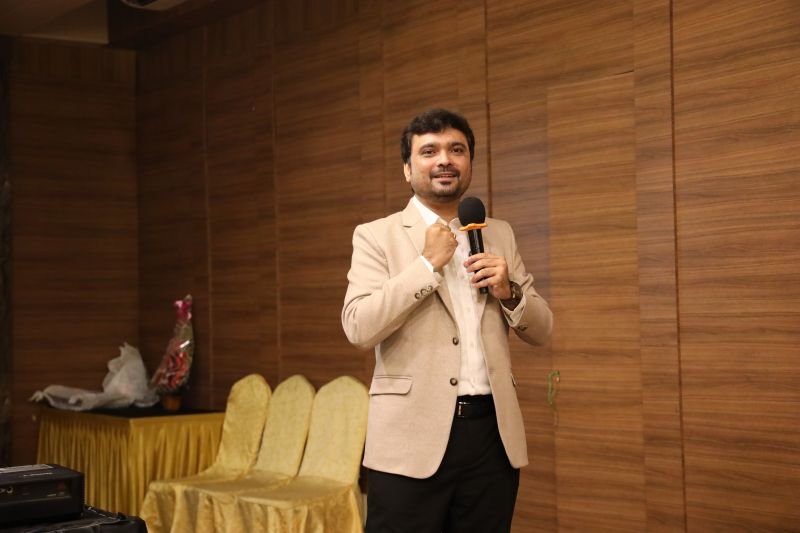
Beyond the established thinking, the programme is built on frameworks Avinash has created and written about himself — including his KITE leadership framework and the principles in his book The Winning Edge. These come from actually running a 100-plus member organisation and developing its people year after year, not from a textbook. It is the layer competitors cannot copy, and the one your leaders remember long after the session ends.
Who It Is For
Capable, proven people who are being read as less than they are — senior specialists and technical experts moving into leadership, high-potentials being groomed for the next level, and established managers and directors who keep hearing "more presence" without knowing what to do with it. It is especially powerful for the brilliant, understated leader whose substance has always outrun their visibility, and for a leadership cohort that needs to hold its own in boardrooms, with clients and on a public stage. On shop floors and in technical organisations, it is what turns a respected expert into a leader the whole room follows.
Taught by Someone Who Has Held the Room He Teaches
Avinash Chate does not teach presence from a slide. He is a TEDx speaker who has commanded rooms from boardrooms to auditoriums, an author, and an entrepreneur who runs a 100-plus member organisation — so the gravitas, executive communication and composure under pressure taught here are things he has had to hold himself, in front of real, senior, sceptical audiences. Programmes that build presence, communication and leadership impact have been delivered across sectors, from manufacturing and engineering to IT, banking and services, with the very leaders who need to be seen as clearly as they perform.
Why Avinash Chate
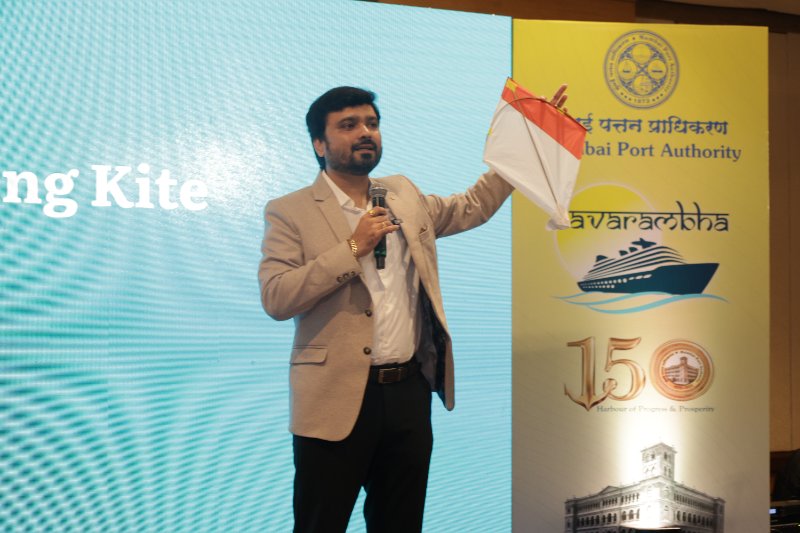
Avinash Chate is an entrepreneur and corporate trainer who runs ABC Trainings and The Future Corporate & Business Coaching, a TEDx speaker and published author. Over the last decade he has trained teams at 1,000-plus organisations and 15,000-plus professionals.
He teaches these skills not from a manual, but because he practises them himself — leading a 100-plus member team of his own. That is the difference working leaders feel in the room.
Executive Presence Training — FAQ
What is Executive Presence Training?
It is a practical development programme for capable, senior people who are being read as less than they are. It builds the concrete signals a room uses to decide someone is a leader — gravitas and the ability to command a room, executive communication that is clear and concise for senior audiences, voice and body language that reinforce rather than undercut the message, composure under pressure, and an authentic personal style. Unlike vague "have more impact" feedback, it works on the specific, observable behaviours of presence, practised on camera until they hold.
Who should attend this training?
Senior specialists and technical experts stepping into leadership, high-potentials being prepared for bigger roles, and established managers and directors who keep being told to "show up more like a leader." It is especially valuable for the understated, highly capable leader whose visibility has never matched their substance. It works powerfully as a cohort, so a group of senior leaders builds a shared language of presence, and it is a natural fit for anyone who has to hold their own in boardrooms, with clients or on a public stage.
Isn't executive presence something you either have or you don't?
No — and that belief is exactly what keeps capable people stuck. We experience presence as a single magnetic quality, but it is really a bundle of concrete, observable signals: how you hold a pause, whether your voice lands with certainty, what your posture and pace say, how much you say and how much you leave unsaid. Every one of those can be seen, understood and rebuilt — which is precisely why the most senior leaders in the world hire coaches to work on it. Presence is learnable, and this programme teaches it deliberately.
What does the programme cover?
Seven connected modules: what executive presence really is and isn't; gravitas — commanding a room and speaking with authority; voice, body language and non-verbal signals; executive communication with clarity and concision for senior audiences; presence under pressure and in a crisis; authentic presence and personal style; and extensive on-camera practice on each leader's real high-stakes moments. Every module pairs a short, usable model with practice on situations drawn from the leaders' own world.
How is the training delivered — and how long does it take?
It is highly interactive — on-camera practice, playback and real cases, with minimal lecture. The duration is flexible: the same programme runs as a half-day, a full day, a multi-day intensive for a leadership cohort, or a series of shorter modules with practice between them, and it works well as an ongoing rhythm for a leadership pipeline. We shape the exact length and cadence with you. Because presence is intensely personal, groups are kept small so every leader gets real camera time and individual feedback.
Will this turn our people into a scripted, performed version of themselves?
No — that is the failure mode we deliberately avoid. Performed presence rings false and eventually exhausts the performer, and a room can feel it instantly. The whole point of the authentic presence work is to find the version of gravitas that fits each specific leader rather than a template, so what develops is unmistakably theirs — commanding and credible without ever feeling like an act. We build on who a leader already is; we do not paint over it.
Is the programme customised to our organisation?
Yes. Before the first session, the practice scenarios are built around your context — your industry, your leaders' real board updates, client rooms, town halls and the specific high-stakes moments they face. Generic "confidence" training is exactly what fails; the value is in each leader working their own actual meetings and questions on camera, and seeing the change land back on screen before they need it for real.
Can it be delivered on-site, and in which languages?
Yes. Most engagements are across Maharashtra — Pune, Mumbai, Chhatrapati Sambhajinagar, Nashik, Nagpur and the surrounding MIDC industrial belts — and the programme is equally delivered pan-India and internationally on request. Delivery is available in English, Hindi and Marathi, or a natural mix, which matters especially for leaders who need presence in more than one language across a diverse room.
What outcomes can we expect?
Leaders who hold the floor instead of being talked over, whose sound ideas actually land and carry the decision, and who stay composed and credible when the pressure spikes — from their next board meeting rather than after years of vague feedback. The stretch roles start going to the capable people who used to be overlooked, boardrooms and client meetings are won on substance made visible, and you retain the quiet experts who were one rung short of being seen as leaders.
Why Avinash Chate for this programme?
Avinash Chate is an entrepreneur and corporate trainer who has commanded rooms himself — a TEDx speaker and author of The Winning Edge who runs a 100-plus member organisation — so he teaches presence from having had to hold it, not from theory. He is the creator of the KITE leadership framework and has trained teams at 1,000-plus organisations and over 15,000 professionals. That combination of real time in front of demanding, senior audiences and his own frameworks is what capable leaders respond to.
Related Training Topics
Get your most capable leaders seen the way their results deserve
Give your senior people the gravitas, executive communication and composure to command any room — so presence stops holding back the substance they already have. On-site across Maharashtra, pan-India and internationally, in English, Hindi or Marathi.
Request a Proposal →