Faculty Development Training
A brilliant subject expert can still lose a classroom in ten minutes — and never be told why.
They know their subject cold. Twenty years of it, or a doctorate, or a career in the field before they ever stood at the board — and that is exactly what got them hired. Then the bell rings, thirty students settle in, and something no one warned them about begins. Ten minutes in, a phone glows in a lap. The back two rows have quietly checked out. The same lecture that lit up a room five years ago now meets a wall of blank Gen-Z faces, thumbs already twitching. The teacher pushes on, a little louder, a little faster, and finishes the period with the uneasy sense that most of what they said landed nowhere. No one sat in on the class. No one gave them a word of feedback. So the private verdict forms, the one that quietly ends careers: these students just do not want to learn. This programme exists because that verdict is almost always wrong — and the real gap is one that can be closed.
★ 5.0 client rating · Across Maharashtra, pan-India & internationally · English, Hindi & Marathi
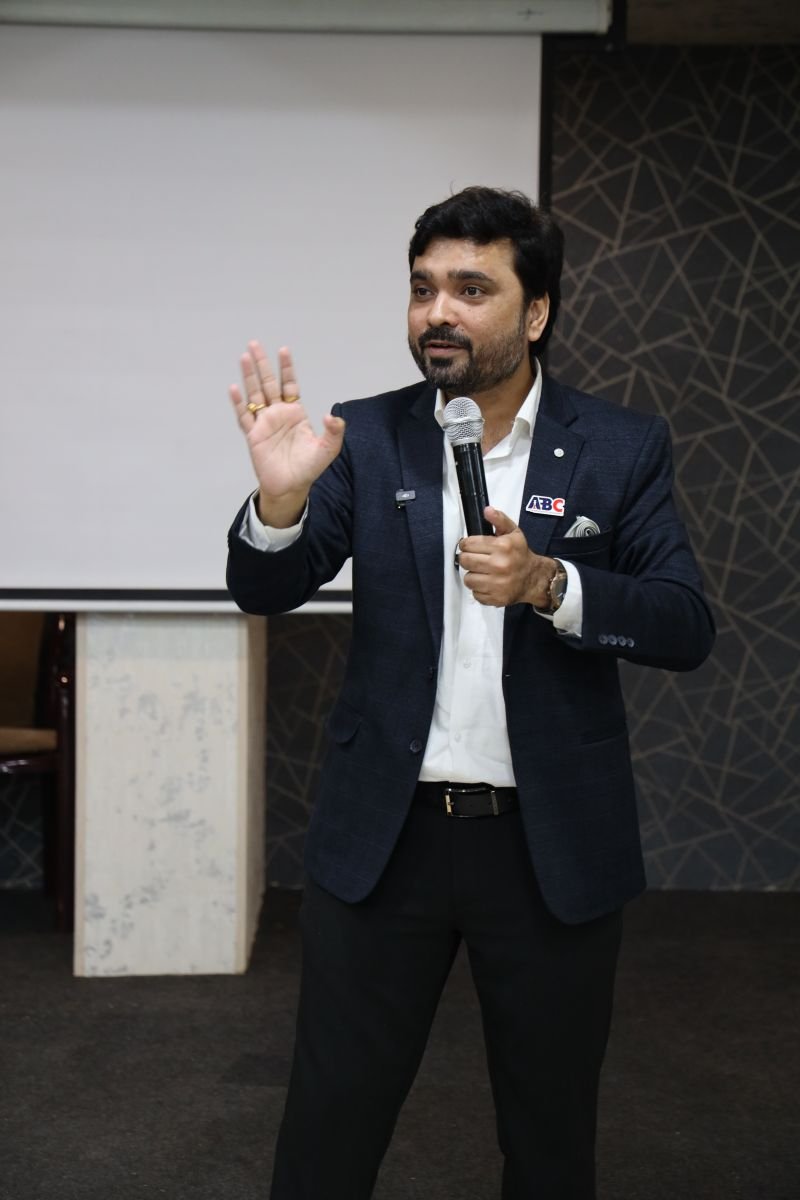
The Gap Between Knowing a Subject and Teaching It
Every institution is full of them: people hired for a brilliant mind and then handed a classroom as if the two were the same skill. They are not. Knowing a subject is one thing; making thirty distracted young people want it is another thing entirely — and no one ever taught the second. A new lecturer walks in armed with everything except the craft that actually matters in the room: how to open a class so people lean in, how to ask a question that makes the back bench think instead of hide, how to read the moment attention breaks and win it back, how to know whether anyone learned anything before the exam reveals that they did not. So they default to the only model they have ever seen — the one their own professors used on them — and talk at the room for fifty minutes, hoping.
And the cost is almost invisible, which is precisely why it festers. There is no monthly report that says "the class disengaged in week three." The syllabus gets covered, marks get entered, and on paper everything is fine. Underneath, students drift, the sharp ones coast and the struggling ones give up quietly, results soften a grade at a time, and the teacher — never coached, never told — slowly concludes the problem is the students. A few years of that and a genuinely capable educator is either burnt out, cynical, or gone, replaced by someone who will repeat the same unwitnessed decline. The institution loses good people not because they lacked knowledge, but because nobody ever developed the one thing that turns knowledge into teaching.
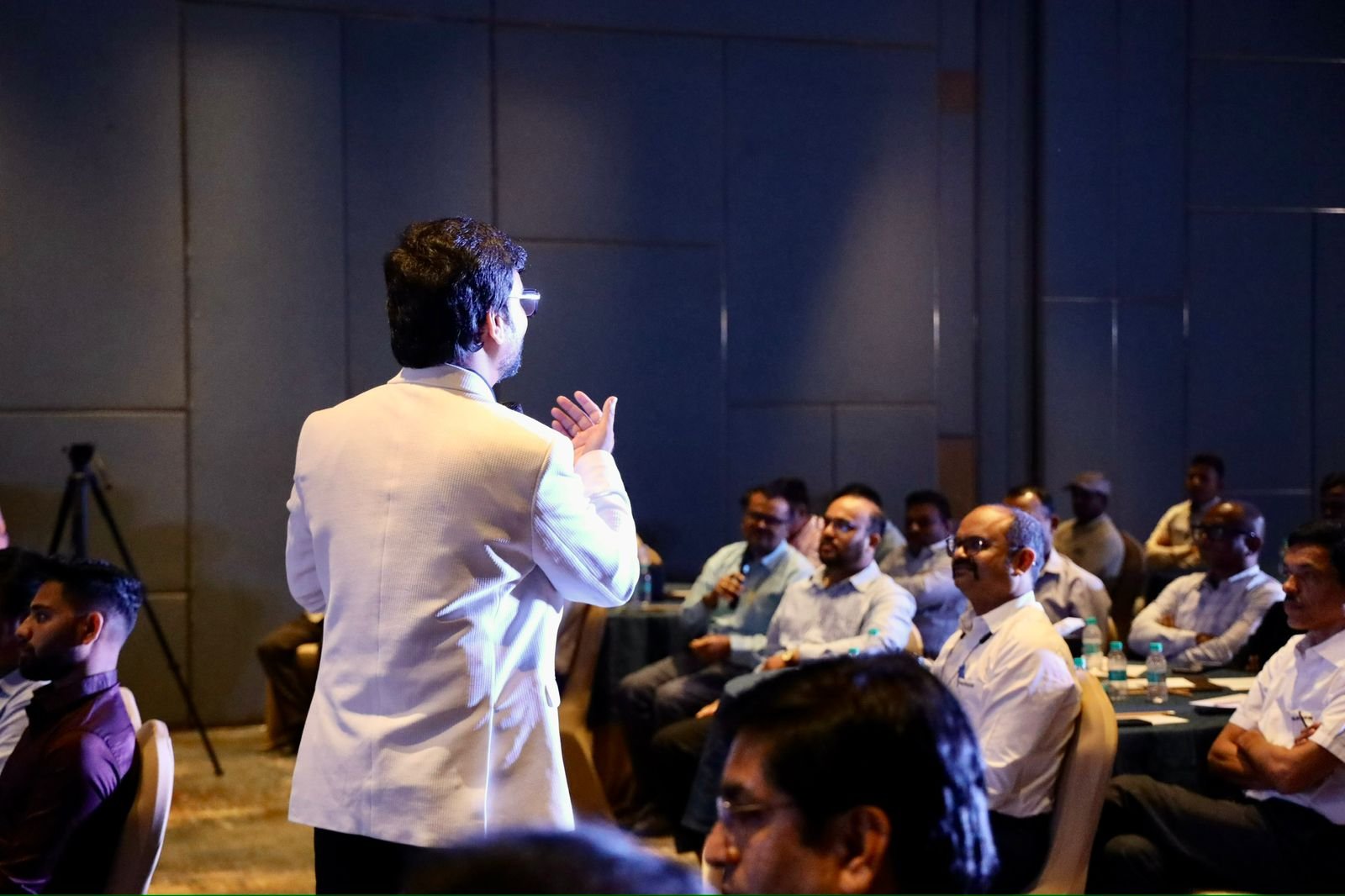
Why Brilliant Experts Struggle in the Classroom — And Why It Is Entirely Fixable
Here is the honest diagnosis, and it takes the blame off everyone: subject mastery and teaching craft are two different skills, and a lifetime of the first gives you almost none of the second. The expert knows the material so deeply that they have forgotten what it feels like not to know it — so they explain from the summit, skipping the footholds a beginner actually needs. They were themselves taught by lecture, so lecture is the only instrument they own, even though it is the weakest tool for a generation raised on interactive screens. And they have never once been shown the moves that great teachers use — the deliberate question, the pause, the check for understanding, the small piece of active work that turns a passive room into an engaged one — because those moves are a craft, and craft is learned by practice and feedback, neither of which a new teacher is ever given.
That reframing matters, because "they just cannot teach" sounds like a fixed trait and it is nothing of the sort. Teaching presence, engagement, questioning, assessment and classroom management are learnable skills, every one of them, and they close faster than most faculty dare to hope once they are named and practised. The teacher who feels they are losing the room is not short on intelligence or dedication; they are short on a specific, teachable toolkit that their degree never included on the syllabus. This programme puts that toolkit in their hands and gives them deliberate practice with it — the demonstration, the microteaching, the honest feedback — so the craft is built in the workshop rather than left to a decade of unwitnessed trial and error at the expense of real students.
Does This Sound Familiar?
If your faculty are showing any of these signs, it is almost never that they do not know their subject or do not care about their students. It is the gap between subject expertise and teaching craft — the skills no degree ever taught. Here is what you are likely seeing, what it is quietly costing, and exactly which part of the programme closes it.
| The symptom you see | What it is costing you | The real cause | How the programme fixes it |
|---|---|---|---|
| Phones come out and the back rows check out within minutes of the class starting | Students are physically present but mentally gone; the lecture lands nowhere and results quietly soften | The class is a one-way lecture built for a generation that no longer learns that way | The engagement and active-learning module — turning a passive room into a working one |
| A knowledgeable teacher visibly loses command of the room and cannot get it back | Authority erodes, the class grows restless, and a capable educator starts to dread teaching | Subject mastery was never paired with the teaching presence and stagecraft that hold a room | The teaching-presence module — commanding a classroom with confidence |
| Students nod along all term, then a third of them fail the exam | Learning gaps stay hidden until it is too late to fix them, and results disappoint everyone | Nothing checks for understanding during the class; teaching and testing are disconnected | The assessment-and-feedback module — knowing what landed before the exam does |
| The teacher explains beautifully, yet weaker students still do not follow | The struggling half falls further behind while the class appears, on the surface, to be going fine | The expert teaches from the summit and has forgotten the footholds a beginner needs | The explaining-clearly module — the curse of knowledge and how to break it |
| Classroom time is lost to noise, disruption and constant battles for attention | Precious teaching minutes evaporate, the sincere students suffer, and the teacher goes home drained | No one taught the routines and boundaries that run a modern, screen-native classroom | The classroom-management module — attention, discipline and the Gen-Z room |
| Faculty are never observed and never coached, so no one improves year to year | The same mistakes repeat class after class, and good teachers plateau or quietly burn out | Teaching is treated as a fixed talent rather than a craft that grows through feedback | The reflective-practice and microteaching module — improving the craft on purpose |
What Changes When Your Faculty Are Actually Developed
Picture the same teacher, the same subject, one term later — developed. They open the class with a question that pulls the room in before anyone thinks to reach for a phone. The lecture is broken by short bursts of real work, so students are doing rather than merely watching, and the back bench has nowhere to hide. When a concept is hard, they explain it from the learner's side, footholds and all, so the struggling half keeps up instead of quietly dropping off. They check, mid-class, whether it actually landed — and adjust on the spot, long before the exam could deliver the bad news. The room is theirs: attentive, working, and, unmistakably, learning.
And underneath the visible transformation is the shift that pays for the whole programme: your faculty stop being subject experts who happen to stand in a classroom and become genuine teachers who can carry a room and move learning. The private verdict flips — from "these students do not want to learn" to "I finally know how to make them." Results lift because engagement lifts. Good teachers stay, because teaching stops feeling like a daily battle they are quietly losing. You have not merely trained your staff; you have turned the knowledge already sitting in your institution into learning that actually reaches the students it was hired to serve.
What Your Faculty Will Be Able to Do
- ✓ Command a classroom with genuine teaching presence — confidence, voice, movement and authority
- ✓ Engage a screen-native generation with active learning instead of one-way lecturing
- ✓ Ask questions that make every student think, not just the two who always answer
- ✓ Explain complex ideas from the learner's side, breaking the curse of their own expertise
- ✓ Design assessment and feedback that reveal what students actually learned — and drive it forward
- ✓ Run a modern classroom: attention, routines, discipline and the phone problem, handled
- ✓ Mentor and advise students, and keep improving their own craft through honest reflection
What the Programme Covers
Eight connected modules that take a faculty member from expert-who-lectures to teacher-who-reaches-the-room. Every module pairs a short, practical input with real practice on the exact situations a teacher faces — demonstrated live, then rehearsed through microteaching — and ends with a concrete change in how they run a class.
These are building blocks, not a fixed-length course. A two-hour session goes deep on the two or three that matter most to you; a half or full day covers more; a multi-day intensive — or an ongoing monthly, quarterly or half-yearly rhythm — works through them all, with far more practice. We shape which ones, in what order and how deep, with you.
The Shift — From Knowing a Subject to Teaching It
What we cover: Why expertise and teaching are two different skills, and why a lifetime of the first grants almost none of the second. The move from covering the syllabus to causing learning — being measured by what students take away, not by what was said. Confronting the honest question every developing teacher must face: not "did I explain it?" but "did they get it?" Reframing "these students don't want to learn" as the belief that quietly ends teaching careers, and replacing it with a craftsperson's mindset.
What changes: The teacher stops equating knowing with teaching and starts owning the learning in the room — the single shift every other module builds on.
Teaching Presence — Commanding the Classroom
What we cover: What makes a room turn toward a teacher and stay there: voice, pace, pause, eye contact, movement and the quiet authority that needs no shouting. Opening a class in the first ninety seconds so students lean in before a phone ever appears. Using the physical space instead of hiding behind the desk or the slides. Handling nerves, the dead-quiet room, and the class that tests a new teacher. Building the stage presence that turns a lecturer into someone worth listening to.
What changes: The teacher walks in and owns the room — commanding attention through presence rather than fighting for it, or losing it, minute by minute.
Engagement and Active Learning — Beyond the Lecture
What we cover: Why one-way lecturing is the weakest tool for a screen-native generation, and what to use instead. Breaking a class into short cycles of input and activity so students do rather than merely watch. Think-pair-share, quick polls, problems worked in the room, discussion that actually moves. Designing a single lesson so no student can quietly disengage for fifty minutes. Turning passive rows — including the back bench — into a working, participating class.
What changes: The teacher converts a room of watchers into a room of doers, so attention is earned by design rather than begged for against the pull of a phone.
Explaining Clearly — Breaking the Curse of Knowledge
What we cover: Why the expert who knows the most often explains it worst — the curse of knowledge, and how to break it. Teaching from the learner's side: anticipating where beginners stumble and building the footholds an expert has long forgotten they needed. Analogies, worked examples, stories and the deliberate sequencing that makes a hard idea click. Managing cognitive load so students are not overwhelmed. Checking that the explanation landed with the whole room, not just the front two rows.
What changes: The teacher makes difficult material genuinely learnable for the whole class, so the struggling half keeps up instead of silently falling behind.
Assessment and Feedback That Drive Learning
What we cover: Why nodding along is not learning, and why the exam should never be the first time anyone finds out. Checking for understanding during the class — quick, low-stakes ways to see who actually got it, and adjusting on the spot. Designing assessments that measure real understanding rather than memory. Giving feedback students can act on, in class and on their work. Using retrieval and spaced practice so learning sticks rather than evaporating after the test.
What changes: The teacher sees what has and has not landed in real time and closes the gaps early — so far fewer students are surprised by their own exam results.
Managing the Modern Classroom — Attention, Discipline and the Phone
What we cover: Running a Gen-Z classroom without losing half the period to noise and distraction. The routines, expectations and boundaries that set a productive tone from day one. The phone question, handled with a real strategy rather than a running battle. De-escalating disruption, dealing with the difficult student, and protecting the attention of the sincere majority. Building a climate where students feel respected and therefore choose to engage.
What changes: The teacher reclaims the classroom minutes lost to chaos, so precious teaching time is spent teaching — and the room feels calm, focused and fair.
Reflective Practice and Microteaching — Improving the Craft
What we cover: Why teaching, uniquely, is the profession most often practised without observation or feedback — and how to fix that. Microteaching in the workshop: teach a short segment, get honest, structured feedback from peers and facilitator, and teach it again, better. Watching yourself and learning to see your own habits. Building simple peer-observation and reflection routines the faculty can keep running long after the programme ends. Treating the craft as something that grows on purpose, every term.
What changes: The teacher leaves with a repeatable way to keep improving — so growth becomes a habit rather than a plateau, and good teachers stop quietly burning out.
Mentoring, Advising and the Whole Educator
What we cover: The part of teaching that reaches beyond the syllabus: mentoring students, advising them through choices and setbacks, and being the teacher a student remembers for life. Holding one-to-one conversations that build a young person up rather than merely correcting them. Spotting the student who is struggling silently. Protecting your own energy and purpose across a long career so the calling does not curdle into cynicism. The inner life of a teacher — why you teach, and how to keep that alive.
What changes: The teacher becomes an educator students trust and remember, not just a source of information — and sustains the sense of purpose that makes a career in teaching worth it.
How It Is Delivered
This is not a lecture about pedagogy — which would be its own contradiction. It is a workshop where teachers practise teaching. The craft is first demonstrated live, so faculty see the moves rather than merely hear them named; then they do the moves themselves through microteaching — teaching a short segment, receiving honest and structured feedback, and teaching it again, better — on real content from their own subjects. The frameworks are kept few and immediately usable; the practice, the feedback and the second attempt are where the craft is actually built.
The format flexes to your institution. It runs as a focused half-day, a full-day workshop, a multi-day faculty-development programme for a whole department, or a modular series threaded across a semester so each skill is practised as teachers use it in live classes — and it works beautifully as an ongoing rhythm, run each term or each academic year as new faculty join and existing teachers deepen their craft. For a group of 20 to 40 educators it is organised into small batches so every teacher microteaches and gets feedback, not just listens. The exact depth, duration and cadence are shaped with you in the design call.
Formats That Fit Your Calendar
Half-day or full-day workshop
A high-impact session to lift a group of faculty quickly — ideal before a new term or as a departmental development day.
Multi-day faculty-development programme
Two or more days to go deep — perfect for a whole department, a new-faculty induction, or an institution-wide teaching-quality drive.
Modular series across a semester
Shorter sessions spread across the term, so each skill is practised in live classes exactly as the teacher learns it.
An ongoing faculty-development rhythm
Run it each term or academic year, as new faculty join and existing teachers refine their craft — making teaching quality a permanent institutional habit.
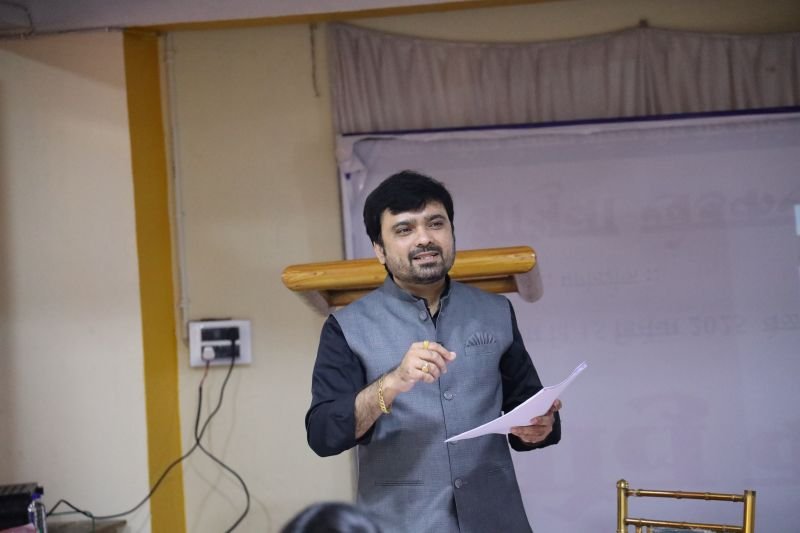
The Thinking Behind It
This programme is not a generic education-theory deck. It draws on the best writing and research on how great teachers actually teach and how the mind actually learns — distilled into a few methods faculty can use in their very next class — and then goes further, into the frameworks Avinash uses to develop the trainers and facilitators inside his own 100-plus member organisation.
Ideas & books we draw on
- Teach Like a Champion — Doug Lemov · the field-tested classroom techniques of the most effective teachers, broken into concrete, learnable moves any faculty member can start using tomorrow
- What the Best College Teachers Do — Ken Bain · the landmark study of outstanding higher-education teachers — what they actually do differently to make students think, not just memorise
- Small Teaching — James M. Lang · a genuine deep cut: tiny, evidence-based changes to a single class that lift learning without redesigning the whole course
- Why Don't Students Like School? — Daniel T. Willingham · a cognitive scientist on how the mind really learns — memory, attention, practice and why students disengage, translated into classroom practice
- Understanding by Design — Grant Wiggins & Jay McTighe · the backward-design approach to assessment and curriculum — starting from what students should be able to do, so teaching and testing finally connect
- The Courage to Teach — Parker J. Palmer · the quiet classic on the inner life of a teacher — identity, integrity and the why that keeps a long career from curdling into cynicism
Methods your faculty will actually use
- Active learning (input-and-activity cycles) · breaking a class into short bursts of doing, so students participate rather than passively watch
- The curse of knowledge · why experts explain worst, and teaching from the learner's side to break it
- Retrieval and spaced practice · the cognitive-science engine of learning that sticks rather than evaporating after the exam
- Backward design (Wiggins & McTighe) · start from the learning you want, then design the assessment and the teaching to reach it
- Bloom's taxonomy · moving students from remembering up to analysing and creating, and pitching questions at the right level
- Formative assessment (checking for understanding) · seeing what landed during the class, not after it, and adjusting on the spot
And Avinash's own frameworks — the part you won't find anywhere else
Beyond the established thinking, the programme is built on frameworks Avinash has created and written about himself — including his KITE leadership framework and the principles in his book The Winning Edge. These come from actually running a 100-plus member organisation and developing its people year after year, not from a textbook. It is the layer competitors cannot copy, and the one your faculty remember long after the session ends.
Who It Is For
Anyone whose job is to teach — school teachers, junior-college and college lecturers, university professors, coaching and test-prep faculty, polytechnic and ITI instructors, and the subject-matter experts and industry professionals who step into a classroom to teach what they know. It is especially powerful run as a whole department or an entire faculty, so a shared language of good teaching takes root across the institution rather than in one enthusiastic individual. For new faculty it is the induction their degree never gave them; for experienced faculty facing a changed, screen-native generation, it is the refresh that reconnects hard-won knowledge to students who learn differently than students once did.
Taught by Someone Who Develops Teachers for a Living
Avinash Chate does not teach this from an education textbook. He is a professional trainer and public speaker who holds rooms for a living — the presence, engagement and questioning craft taught here are the very skills he uses in front of large, demanding audiences and the skills he builds in the facilitators inside his own 100-plus member organisation. His work spans schools, colleges, coaching institutes and universities alongside the corporate floor, so the methods are proven with real classes and real teachers, not lifted from a manual. Institutions across Maharashtra and India have brought him in precisely because he can do the thing he teaches — command a room and move a group of learners — and can break that craft down into moves their faculty can practise and own.
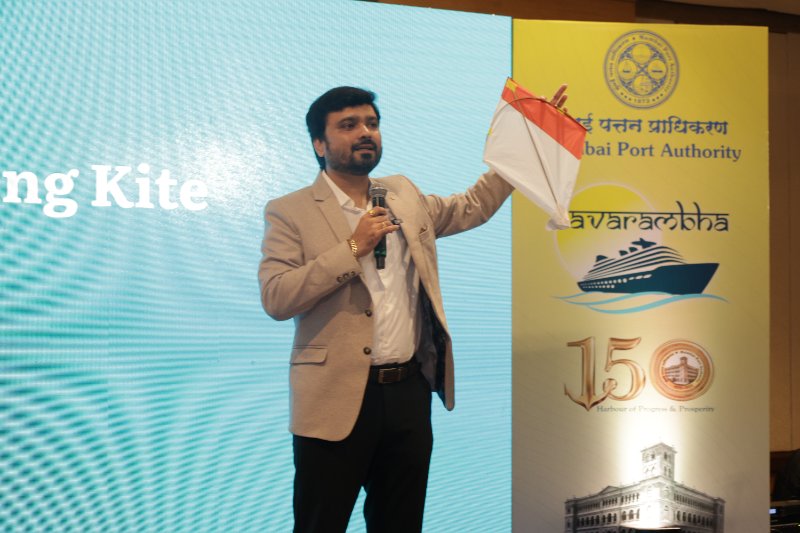
Why Avinash Chate
Avinash Chate is an entrepreneur and corporate trainer who runs ABC Trainings and The Future Corporate & Business Coaching, a TEDx speaker and published author. Over the last decade he has trained teams at 1,000-plus organisations and 15,000-plus professionals.
He teaches these skills not from a manual, but because he practises them himself — leading a 100-plus member team of his own. That is the difference working leaders feel in the room.
Faculty Development Training — FAQ
What is Faculty Development Training?
It is a practical programme that develops the teaching craft of people who already know their subject — school teachers, college lecturers, professors, coaching faculty and subject-matter experts who teach. It builds the skills a subject degree never covers: teaching presence and commanding a room, engaging a screen-native generation with active learning, asking questions that make students think, explaining difficult ideas clearly, designing assessment and feedback that drive learning, managing a modern classroom, and mentoring students. Unlike an education-theory lecture, it is a hands-on workshop where teachers see the craft demonstrated and then practise it through microteaching until it feels natural.
Who should attend this training?
School teachers, junior-college and college lecturers, university professors, coaching and test-prep faculty, polytechnic and ITI instructors, and industry experts or professionals who step into a classroom to teach. It is at its most powerful run as a whole department or full faculty, so a shared language of good teaching spreads across the institution. It is the induction new faculty were never given, and the refresh experienced faculty need when a changed, phone-native generation stops responding to the way they have always taught.
Why do brilliant subject experts often struggle to teach?
Because knowing a subject and teaching it are two different skills, and mastery of the first grants almost none of the second. The expert knows the material so deeply they have forgotten what it feels like not to know it, so they explain from the summit and skip the footholds beginners need. They were taught by lecture, so lecture is the only tool they own — the weakest tool for a generation raised on interactive screens. And they have never been shown the deliberate moves great teachers use, because those are a craft learned through practice and feedback, which new teachers are almost never given. Left uncoached, a capable expert quietly concludes the students are the problem. The good news: presence, engagement, questioning, assessment and classroom management are all learnable, and they close fast once named and practised.
What does the programme cover?
Eight connected modules: the shift from knowing a subject to teaching it; teaching presence and commanding the classroom; engagement and active learning beyond the lecture; explaining clearly and breaking the curse of knowledge; assessment and feedback that drive learning; managing the modern classroom including attention, discipline and phones; reflective practice and microteaching; and mentoring, advising and the whole educator. Every module pairs a short, usable method with live demonstration and hands-on practice on the teacher's own subject content.
How is the training delivered — and how long does it take?
It is highly interactive — demonstration, microteaching and honest feedback, with minimal lecture, because a lecture about teaching would contradict itself. The duration is flexible: the same programme runs as a half-day, a full-day workshop, a multi-day faculty-development programme for a whole department, or a series of shorter modules spread across a semester, and it works well as an ongoing rhythm run each term or academic year. We shape the exact length and cadence with you. For a group of 20 to 40 educators, sessions are organised into small batches so every teacher microteaches and gets feedback.
Our faculty already know their subjects deeply. Will this feel basic to them?
No — and it is designed precisely for people who know their subjects deeply. The programme never touches subject content; it develops the teaching craft that even the most learned faculty were never taught, because a doctorate certifies knowledge, not the ability to make thirty distracted young people learn it. Experienced faculty typically find it the most useful development they have had, because it finally names and fixes the exact frustrations they have felt in the room for years but were never given the tools or the feedback to solve.
Is the programme customised to our institution?
Yes. Before the first session, the demonstrations and microteaching are built around your context — school, college, coaching or university; your subjects, your students and the real classroom situations your faculty face, from the disengaged back bench to the phone problem to the struggling student. Faculty practise on their own subject content, not generic examples. Generic teacher training is exactly what fails to stick; the value is in rehearsing the actual classes your teachers will run next week.
Can it be delivered on-site, and in which languages?
Yes. Most engagements are across Maharashtra — Pune, Mumbai, Chhatrapati Sambhajinagar, Nashik, Nagpur and the surrounding education and MIDC belts — and the programme is equally delivered pan-India and internationally on request. Delivery is available in English, Hindi and Marathi, or a natural mix, which matters especially for faculty who teach regional cohorts and want the craft modelled in the language they teach in.
What outcomes can we expect?
Faculty who open a class so students lean in, break the lecture with active work so the room engages, explain hard ideas so the struggling half keeps up, and check understanding before the exam does — from within a term rather than after years of unwitnessed decline. Classrooms where attention is earned by design instead of fought for against the phone. Results that lift because engagement lifts. And, over time, a faculty that keeps improving on purpose, so good teachers stay and grow instead of plateauing or quietly burning out.
Why Avinash Chate for this programme?
Avinash Chate is a corporate trainer and public speaker who holds large, demanding rooms for a living — so he teaches teaching presence, engagement and questioning from lived skill, not theory, and can break each move down for faculty to practise. He is a TEDx speaker and author of The Winning Edge, creator of the KITE framework, and develops the facilitators inside his own 100-plus member organisation. He has worked with schools, colleges, coaching institutes and universities alongside 1,000-plus organisations and more than 15,000 professionals. That combination of doing the craft and teaching it is what faculty — and the institutions developing them — respond to.
Related Training Topics
Turn your subject experts into teachers who hold the room
Give your faculty the craft no degree taught — presence, engagement, clear explanation, assessment and managing a modern classroom. On-site for schools, colleges, coaching institutes and universities across Maharashtra, pan-India and internationally, in English, Hindi or Marathi.
Request a Proposal →