Diversity, Equity & Inclusion Training
You made the headcount diverse. Then you let the same quiet bias decide whose idea wins.
You did the visible part. The hiring got broader, the panel photo looks like the country it serves, the numbers on the diversity slide finally move in the right direction. And yet, in the meeting that actually matters, it is the same three voices deciding — the same person interrupted mid-sentence, the same idea ignored until a louder colleague repeats it, the same names that come up when a stretch project needs an owner. Nobody in that room is a villain. Everyone means well. But the decisions that quietly shape a career — who gets heard, trusted, stretched, promoted — are still being made by instincts nobody examines and everybody has. You hired the difference. This programme teaches your people to actually include it.
★ 5.0 client rating · Across Maharashtra, pan-India & internationally · English, Hindi & Marathi
The Number Everyone Reports — and the Behaviour No One Examines
Most organisations "do" diversity as a figure. A headcount target on a slide, a poster in the lobby, a day marked on the calendar, a photo that ticks the boxes. It is easy to count, easy to present, easy to feel good about. And it is not where inclusion lives. Inclusion lives in the ordinary moments the dashboard never sees — who gets cut off in the stand-up and who gets the floor, whose suggestion is built on and whose is quietly dropped, who is looped into the informal chat where the real decision gets made, and whose name simply does not surface when the interesting work is handed out.
And so the cost hides in plain sight. You have paid to bring difference into the building, and then arranged the room so it changes nothing. The person you worked hard to hire sits through meeting after meeting learning that speaking up is not worth it, that their idea only lands when someone else says it, that the growth conversations happen without them. Eventually they do the sensible thing and leave — and in the exit conversation nobody says the real reason, because it never showed up as a single unfair act. It showed up as a thousand small ones, each too minor to name, adding up to a clear message: you can be here, but you cannot fully belong here.
Why Good, Fair-Minded People Still Get This Wrong — And Why It Is Learnable
Here is the part that stings, and the part that sets everyone free at the same time: this is not a problem of bad people. It is a problem of ordinary minds. Every human brain runs on shortcuts — it sorts, it pattern-matches, it decides in a fraction of a second who feels like a safe pair of hands, and it does all of this below the level of conscious intent. Which means a genuinely fair-minded manager can still, without ever choosing to, hear the confident accent as more competent, read the assertive man as a leader and the assertive woman as difficult, and hand the stretch assignment to the person who reminds them of themselves. Good intentions do not switch bias off. They just make us certain we do not have it.
The research is unambiguous on the upside, too: diverse teams genuinely make better decisions, see more angles and avoid more blind spots — but only when people are actually included. Hire difference and then ignore it, and you get the friction of diversity with none of the benefit: more discomfort, no better thinking. The good news is that inclusion is not a personality trait you either have or lack, and it is not a slogan you put on a wall. It is a set of concrete, everyday behaviours — how you run a meeting, how you give credit, how you interrupt a bias in the moment, how you make room for a voice that is not being heard. Behaviours can be named, practised and built into a habit. That is exactly what this programme does.
Does This Sound Familiar?
If your organisation has moved the diversity numbers but not the day-to-day experience, these are the signs. None of them means your people are prejudiced — they mean the everyday behaviours of inclusion were never taught. Here is what you are likely seeing, what it quietly costs, and exactly which module builds the skill that closes it.
| The symptom you see | What it is costing you | The real cause | How the programme fixes it |
|---|---|---|---|
| The same few voices dominate every meeting; quieter or newer colleagues rarely get heard | You paid for diverse perspectives and then designed them out of the decision | Meetings run on whoever is loudest and most senior, not on drawing every voice in | The Inclusive Everyday Behaviours module — running meetings where difference is actually heard |
| You hit hiring targets, but the same kinds of people keep getting promoted and stretched | A "diverse" headcount at the bottom and a homogenous one at the top — and talent that leaves | Who gets trusted with the big work is decided by unexamined instinct, not clear criteria | The Unconscious Bias module — seeing the pattern in your own decisions |
| Small "harmless" comments and jokes leave some colleagues subtly deflated or on guard | A steady drip of exclusion that never becomes a formal complaint — people just disengage | Subtle acts of exclusion go unrecognised, so no one names them and they simply continue | The Interrupting Bias & Subtle Exclusion module |
| People notice unfairness but stay silent — "not my place", "don't want to make it awkward" | Bias goes unchallenged and those affected conclude no one has their back | No one has the words or the safety to speak up in the moment without it becoming a confrontation | The Allyship & Speaking Up module — intervening well, without the drama |
| Diverse hires join full of energy and quietly become disengaged — or resign within a year | You keep paying to recruit difference and keep losing it before it ever pays off | They can join but never belong — no everyday sense of being valued, heard or free to be themselves | The Building an Inclusive Team Culture module |
What Changes When Inclusion Becomes a Behaviour, Not a Poster
Picture the same meeting, run by people who have actually been trained. The manager notices that two people have not spoken and deliberately opens the door for them. The idea from the quietest person in the room gets built on, and credited to the person who had it. When someone gets talked over, a colleague smoothly hands the floor back — no lecture, no tension, just a small correction that says every voice here counts. The stretch assignment goes to the person best placed to grow, chosen against clear criteria rather than gut familiarity. Nobody is walking on eggshells; people are simply better at the ordinary craft of including each other.
And underneath the meeting, the shift that makes the whole thing worth it: the difference you hired finally starts paying off. Better decisions, because more real perspectives are genuinely in the room. Fewer blind spots, because someone in the group sees what the majority would have missed. And people who stay — because belonging, unlike a headcount, is something they can feel every single day. You stop getting the friction of diversity with none of the benefit, and start getting the actual bonus that diverse teams are capable of.
What Your People Will Be Able to Do
- ✓ Understand why a diverse headcount alone changes nothing — and what inclusion actually requires day to day
- ✓ Recognise their own unconscious bias without shame or defensiveness, and slow the decisions where it does the most harm
- ✓ Run meetings, hiring and credit-giving so that every voice — across gender, generation, region, ability and background — is genuinely heard
- ✓ Spot and interrupt subtle acts of exclusion in the moment, kindly and without escalation
- ✓ Act as an ally and speak up safely when they see unfairness, instead of staying silent
- ✓ Build the everyday habits of belonging that make diverse people want to stay and do their best work
- ✓ Apply all of it to the real texture of an Indian workplace — the mix of languages, regions, generations and backgrounds in the room
What the Programme Covers
Seven connected modules that take a team from "we hit the number" to genuinely inclusive behaviour. Every module pairs a short, honest input with real practice on the ordinary situations where inclusion is won or lost — the meeting, the shortlist, the offhand comment, the moment someone should have said something. Handled seriously and respectfully throughout, and grounded in the reality of an Indian workplace.
These are building blocks, not a fixed-length course. A two-hour session goes deep on the two or three that matter most to you; a half or full day covers more; a multi-day intensive — or an ongoing monthly, quarterly or half-yearly rhythm — works through them all, with far more practice. We shape which ones, in what order and how deep, with you.
Why Diversity Without Inclusion Fails — The Business and Human Case
What we cover: The difference between diversity (who is in the room) and inclusion (whether they are actually heard, valued and free to contribute) — and why the first without the second is money spent for nothing. The genuine evidence that diverse teams make better, less blind-spotted decisions, and the crucial condition attached: only when people are truly included. What "the friction of diversity with none of the benefit" looks like in practice, and the simple human truth underneath it all — that everyone wants to belong, not merely to be counted. Framed around better decisions, respect and belonging, not politics or slogans.
What changes: The team stops treating diversity as a number to report and starts seeing inclusion as a set of behaviours that decide whether that number ever pays off.
Understanding Unconscious Bias — Yours and the System's
What we cover: How every human mind takes mental shortcuts, and why that makes bias a feature of ordinary brains rather than a mark of bad people. The common patterns that quietly shape work decisions — affinity ("people like me"), the halo of a confident accent or a familiar background, in-group and out-group instinct, and the way assertiveness gets read differently depending on who shows it. How individual bias compounds into a system: which CVs get a second look, who gets the benefit of the doubt, who gets stretched. Handled without blame, so people can look honestly at their own instincts instead of defending against the word "bias".
What changes: Each person can name their own most likely biases and recognise the specific decisions — hiring, crediting, stretching — where those instincts do the most quiet damage.
Inclusive Everyday Behaviours — Meetings, Hiring and Credit
What we cover: The concrete craft of including people in the moments that matter. Running meetings so the quiet, the new and the talked-over actually get the floor — deliberate invitations, airtime awareness, and building on ideas rather than dropping them. Making hiring fairer with clear criteria set before the CVs arrive, structured questions, and a check on the "just a feeling" reject. Giving credit where it is due, so the person who had the idea is the person the room remembers having it. Small, repeatable moves that any manager can start using the next morning.
What changes: The team can turn good intentions into visible everyday behaviour — the meeting, the shortlist and the credit all start including the difference the organisation worked to hire.
Interrupting Bias and Subtle Exclusion
What we cover: The small, often unintended comments and assumptions that add up to a clear message that someone does not fully belong — the backhanded compliment, the assumption about what someone can or cannot do, the joke that lands on one person's identity. Why these subtle acts of exclusion rarely become complaints yet steadily wear people down. How to respond well when you are on the receiving end, when you witness it, and — crucially — when you realise you were the one who caused it. Naming and repairing without shame, so a moment of harm becomes a moment of learning rather than a fight.
What changes: People can spot the small exclusions the dashboard never captures and interrupt or repair them calmly, before they accumulate into disengagement or a departure.
Allyship and Speaking Up Safely
What we cover: What it means to be an ally in practice — using whatever standing you have to make room for a voice that is not being heard, rather than staying comfortably silent. Why good people so often say nothing ("not my place", "don't want the awkwardness") and how to get past it. Practical, low-drama ways to intervene in the moment: handing the floor back to someone who was cut off, re-attributing a borrowed idea, gently naming a comment. Speaking up to a peer, and speaking up when the person in the wrong outranks you. Doing it in a way that invites people in rather than putting them on trial.
What changes: People stop leaving unfairness unchallenged and gain a repertoire for stepping in well — so those affected can feel, concretely, that someone has their back.
Building an Inclusive Team Culture — The India Context
What we cover: Turning individual behaviour into a team habit, in a workplace where diversity is uniquely broad — gender and generation, region and mother tongue, urban and small-town background, ability, and diversity of thought. Setting shared norms for how this team includes people. Being deliberate about language so a common tongue does not silently exclude, and about the informal networks where real decisions and mentoring quietly happen. Managing across generations without deficit assumptions, and across regions and backgrounds without stereotype. Making belonging a property of the team's everyday rhythm rather than a poster on the wall.
What changes: The team has a shared, practical definition of how it includes people — one that fits the real mix of an Indian workplace — so diverse hires want to stay and do their best work.
Practice — Real Scenarios, Handled With Care
What we cover: Guided practice on the real situations these skills exist for, worked through respectfully and without putting anyone on the spot: the meeting where one person is always talked over, the shortlist decision made on "fit", the offhand comment that landed badly, the moment a colleague clearly should have said something and did not, the realisation that you were the one who caused a subtle exclusion. Scenarios are drawn from the everyday texture of your own organisation, and are handled with care — the aim is confidence and skill, never confession or blame.
What changes: People leave having already practised the hard, ordinary moments once, in safety — so when a real one arrives days later, they act with skill instead of freezing or looking away.
How It Is Delivered
This is not a lecture on why diversity matters, and it is emphatically not a session that makes people feel accused. It is a practical workshop on the everyday behaviours of inclusion, handled seriously and with respect. People spend most of their time working real situations — the meeting where a voice goes unheard, the shortlist decision, the comment that landed badly — and building small, repeatable habits they can use the next morning. The tone is honest and non-preachy: bias is treated as a feature of ordinary minds, not a moral failing, so people engage with it instead of defending against it.
The format flexes to your needs. It runs as a focused half-day awareness session, a full-day workshop, a multi-day intensive for a leadership group or a DEI council, or a modular series that lets inclusive habits embed between sessions — and it works well as an ongoing rhythm that keeps inclusion a live practice rather than a one-off event. Leadership cohorts, hiring managers and mixed teams each get scenarios pitched to their reality. For 20 to 40 participants it is organised into small groups so everyone practises, not just listens. The exact depth, duration and cadence are shaped with you in the design call, and always framed around inclusion, respect and belonging — never politics.
Formats That Fit Your Calendar
Half-day or full-day workshop
A focused session to build shared language and the core inclusive behaviours across a team or a leadership group — ideal to move from "we hit the number" to real everyday practice.
Multi-day intensive
Two or more days to go deep — well suited to a leadership team, a DEI council or people managers, covering bias, inclusive behaviours, allyship and culture-building with extended practice.
Modular series
Shorter sessions spread over weeks so each habit — inclusive meetings, fairer hiring, interrupting subtle exclusion, allyship — is practised and embedded before the next is added.
An ongoing inclusion rhythm
A recurring cadence — refreshers, manager clinics, new-joiner and new-manager inputs — that keeps inclusion a living practice rather than a once-a-year calendar event.
The Thinking Behind It
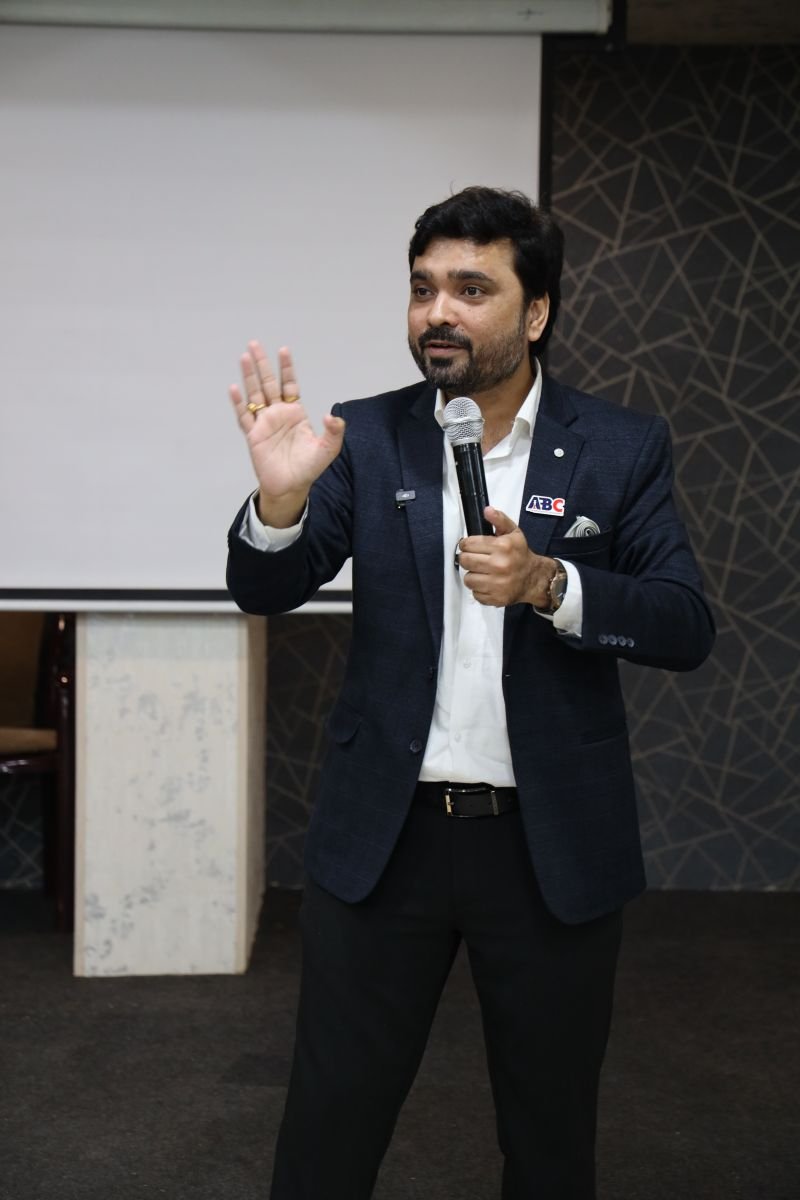
This programme is not a generic diversity deck. It draws on the most credible writing and research on bias, inclusion and belonging — distilled into a few ideas people can act on immediately — and then goes further, into the frameworks Avinash uses to build a genuinely inclusive culture inside his own 100-plus member organisation.
Ideas & books we draw on
- How to Be an Inclusive Leader — Jennifer Brown · the everyday journey from unaware to advocate, and the leader's real job in making people belong
- The Person You Mean to Be — Dolly Chugh · how genuinely good people can still act on bias — and how to keep striving to be better rather than settling for "not a bad person"
- Blindspot — Mahzarin R. Banaji & Anthony G. Greenwald · the science of the hidden biases we all carry, from the researchers behind the Implicit Association Test
- The Diversity Bonus — Scott E. Page · the hard evidence that diverse teams think better on complex problems — the business case, made rigorously
- Subtle Acts of Exclusion — Tiffany Jana & Michael Baran · a calm, practical guide to spotting and stopping the small everyday exclusions that quietly drive people out
- Diversity, Inc. — Pamela Newkirk · an honest reckoning with why headcount-and-poster diversity so often fails — and why behaviour, not spend, is what moves the needle
Frameworks we build inclusion on
- Unconscious / implicit bias · the mental shortcuts every brain runs, and why fair-minded people still act on them without meaning to
- The Inclusion Continuum (Jennifer Brown) · unaware to aware to active to advocate — a map for where each person is and how they grow
- Allyship · using your standing to make room for a voice not being heard, rather than staying silent
- Psychological safety (Amy Edmondson) · the shared belief that it is safe to speak up — the precondition for inclusion to be real
- Covering (Kenji Yoshino) · how people downplay parts of who they are to fit in, and what it costs a team when they must
And Avinash's own frameworks — the part you won't find anywhere else
Beyond the established thinking, the programme is built on frameworks Avinash has created and written about himself — including his KITE leadership framework and the principles in his book The Winning Edge. These come from actually running a 100-plus member organisation and developing its people year after year, not from a textbook. It is the layer competitors cannot copy, and the one your teams remember long after the session ends.
Who It Is For
Any organisation that has moved its diversity numbers and now wants those numbers to actually pay off — and any leader who senses that "we hired diverse people" has not translated into "diverse people thrive here". It is especially powerful for people managers and hiring managers, whose everyday decisions on who is heard, credited, stretched and promoted quietly shape careers, and for leadership teams and DEI councils setting the tone for everyone else. It works equally well for whole mixed teams building a shared language of inclusion. In the Indian workplace — with its remarkable span of gender, generation, region and language, ability, background and thought — it turns that diversity from a source of friction into a genuine advantage.
Taught by Someone Who Builds Inclusion in His Own Organisation
Avinash Chate does not teach this from a textbook. He runs a 100-plus member organisation and lives the everyday work of building a culture where people from very different backgrounds are heard, trusted and given room to grow — so the inclusive behaviours taught here are the real thing, tested in his own business rather than borrowed from a slide. Behavioural and respect-focused programmes have been delivered across sectors and across the wide human mix of Indian workplaces — manufacturing, IT, sales and services teams — always framed around inclusion, respect and better decisions, and handled with the seriousness and care the subject deserves.
Why Avinash Chate
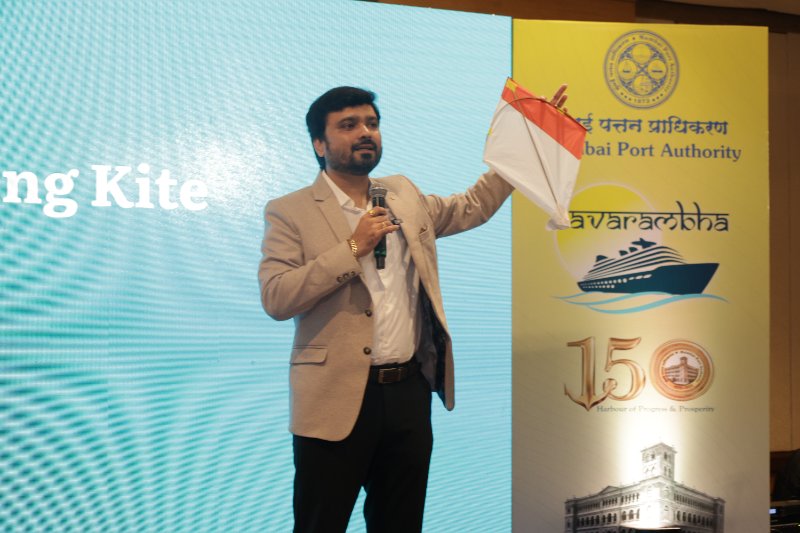
Avinash Chate is an entrepreneur and corporate trainer who runs ABC Trainings and The Future Corporate & Business Coaching, a TEDx speaker and published author. Over the last decade he has trained teams at 1,000-plus organisations and 15,000-plus professionals.
He teaches these skills not from a manual, but because he practises them himself — leading a 100-plus member team of his own. That is the difference working leaders feel in the room.
Diversity, Equity & Inclusion Training — FAQ
What is Diversity, Equity & Inclusion (DEI) training?
It is practical training that helps teams and leaders move past a diversity headcount to the everyday behaviours that actually make diversity work — understanding unconscious bias, running meetings and hiring so every voice is heard, giving fair credit, interrupting subtle exclusion, practising allyship, and building a genuine sense of belonging. It is framed entirely around inclusion, respect and better decision-making — the business and human case — not politics or activism. The emphasis is on concrete, learnable behaviours people can use the next morning, not slogans or a poster on the wall.
Isn't diversity just about hiring the right numbers?
Hiring is only the visible half. You can hit every diversity target and still arrange the workplace so it changes nothing — the same few voices decide, the same people get stretched and promoted, and the difference you hired is quietly ignored. Research is clear that diverse teams make better, less blind-spotted decisions, but only when people are genuinely included. Hire difference and then ignore it, and you get the friction of diversity with none of the benefit. This programme builds the everyday inclusion behaviours that turn the number into an actual advantage.
Is this going to make people feel blamed or lectured?
No — and that is deliberate. The programme treats unconscious bias as a feature of ordinary minds, not a mark of bad people, so participants engage honestly with their own instincts instead of defending against them. The tone is respectful, practical and non-preachy, and the practice scenarios are handled with care — the aim is confidence and skill, never confession, guilt or blame. Good, fair-minded people leave with useful behaviours, not a sense of having been put on trial.
What does "diversity" mean in the Indian workplace context?
A great deal more than one dimension. In an Indian workplace, diversity spans gender and generation, region and mother tongue, urban and small-town background, ability, and diversity of thought — often all in the same team. That breadth is a real strength when it is included well, and a source of quiet friction when it is not. The programme is built for that reality: it deals directly with how a common language can unintentionally exclude, how the informal networks where decisions happen can leave people out, and how to include across generations and regions without stereotype.
What does the programme cover?
Seven connected modules: why diversity without inclusion fails (the business and human case); understanding unconscious bias, yours and the system's; inclusive everyday behaviours in meetings, hiring and credit; interrupting bias and subtle exclusion; allyship and speaking up safely; building an inclusive team culture in the India context; and a practice module working real scenarios with care. Every module pairs a short, honest input with practice on the ordinary situations where inclusion is won or lost.
How is the training delivered — and how long does it take?
It is highly interactive — real scenarios and practice, with minimal lecture. The duration is flexible: the same programme runs as a half-day awareness session, a full day, a multi-day intensive for a leadership group or DEI council, or a modular series that lets inclusive habits embed between sessions, and it works well as an ongoing rhythm. We shape the exact length and cadence with you. For 20 to 40 participants, sessions are organised into small groups so everyone practises, not just listens.
Can it be delivered on-site, and in which languages?
Yes. Most engagements are across Maharashtra — Pune, Mumbai, Chhatrapati Sambhajinagar, Nashik, Nagpur and the surrounding MIDC industrial belts — and the programme is equally delivered pan-India and internationally on request. Delivery is available in English, Hindi and Marathi, or a natural mix — which matters all the more for a topic about inclusion, where meeting people in the language they think in is part of the point.
Who should attend this training?
It is most powerful for people managers and hiring managers, whose everyday choices about who is heard, credited, stretched and promoted quietly shape careers, and for leadership teams and DEI councils who set the tone. It also works very well for whole mixed teams building a shared language of inclusion, and as an input for new managers and new joiners. Organisations that have already moved their diversity numbers get the most from it, because the behaviours taught are exactly what turns that headcount into real belonging.
Is the programme customised to our organisation?
Yes. Before the first session, the examples and practice scenarios are built around your context — your industry, your structure, the real inclusion moments your people actually face, from the meeting room to the shortlist. Generic diversity training is precisely what fails; the value is in practising the actual situations and decisions your people meet, in the real human mix of your workplace, handled seriously and respectfully throughout.
Why Avinash Chate for this programme?
Avinash Chate is an entrepreneur and corporate trainer who runs a 100-plus member organisation and does the everyday work of building an inclusive culture himself — so he teaches inclusion as lived behaviour, not theory. He is a TEDx speaker and author of The Winning Edge, creator of the KITE leadership framework, and has trained teams at 1,000-plus organisations and 15,000-plus professionals across the country. He handles the subject with the seriousness and care it deserves, framed around respect, belonging and better decisions rather than politics — which is exactly what makes people lean in rather than switch off.
Related Training Topics
Turn a diverse headcount into a genuinely inclusive team
Give your people the everyday behaviours that decide who is heard, stretched and promoted — unconscious bias, inclusive meetings and hiring, interrupting subtle exclusion, allyship and belonging. Handled seriously and respectfully, on-site across Maharashtra, pan-India and internationally, in English, Hindi or Marathi.
Request a Proposal →