How to Foster a Growth Mindset in Your Organization: A Step-by-Step Guide
Learn how to foster a growth mindset in your organization with a practical, step-by-step approach to leadership, learning, feedback, and culture building for sustainable performance.
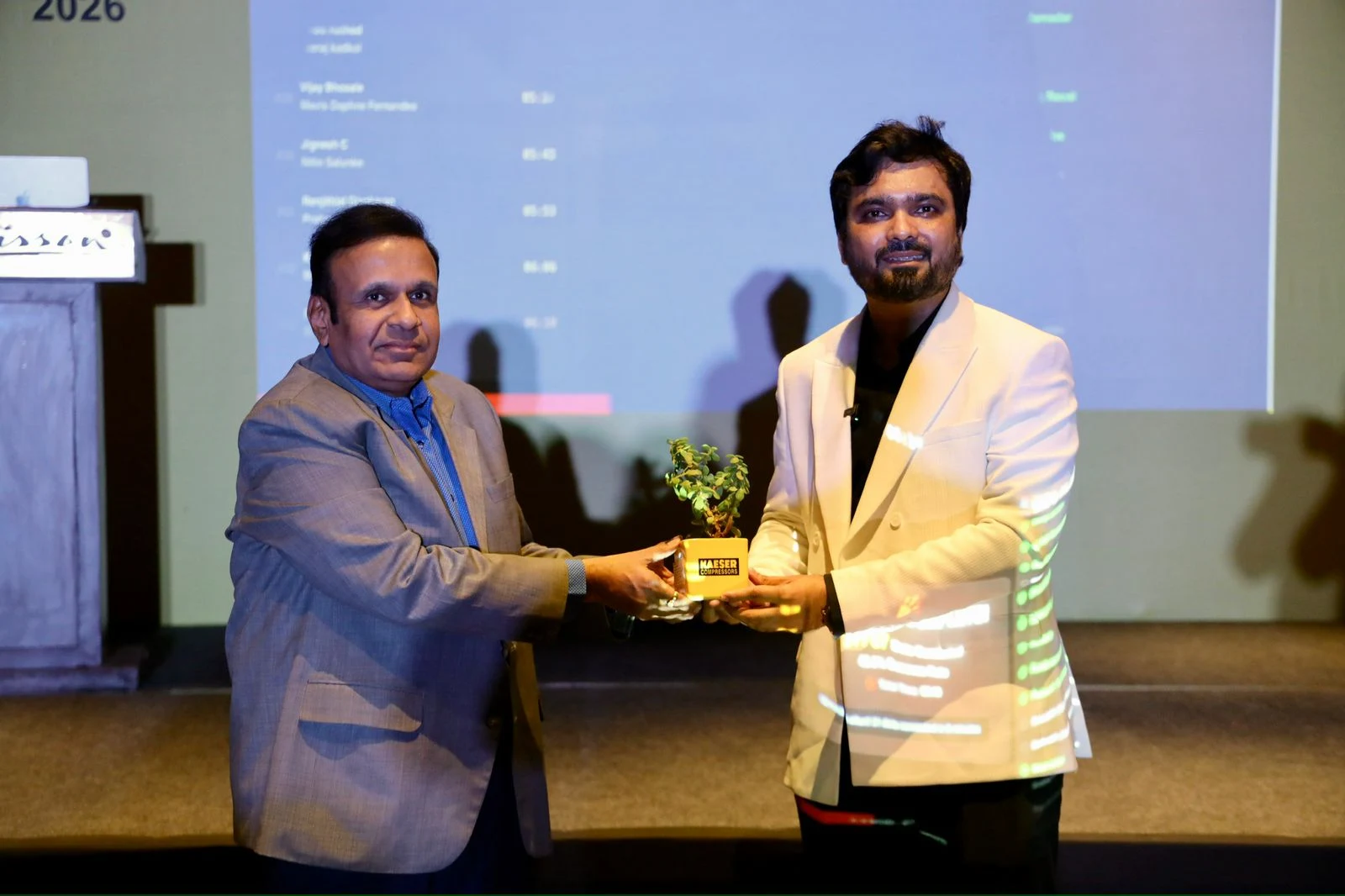
Avinash Chate - Sales Training Specialist motivating sales team
How to Foster a Growth Mindset in Your Organization: A Step-by-Step GuideIn my experience, organizations do not transform because of strategy documents alone. They transform when people begin to believe they can learn, adapt, and improve consistently. That is the essence of a growth mindset. It is not a motivational slogan. It is a practical cultural foundation that shapes how teams respond to challenges, feedback, failure, and change.
Key takeaway: A growth mindset in an organization is built intentionally through leadership behavior, learning systems, feedback practices, and everyday conversations.
As a TEDx speaker and author of The Winning Edge, I have seen one pattern repeatedly across 15+ years of working with professionals and business leaders: the organizations that keep growing are the ones that make learning part of their identity. Whether I am engaging with leadership teams, managers, or frontline employees, the question is rarely whether talent exists. The real question is whether the culture allows talent to evolve.
At Avinash Chate, my work with 80+ organizations has reinforced a simple truth: people perform better when they are encouraged to stretch, reflect, and improve without fear. A growth mindset helps organizations move from blame to ownership, from fixed roles to expanding capabilities, and from short-term compliance to long-term excellence.
When people believe abilities can be developed, effort becomes meaningful, feedback becomes useful, and setbacks become lessons instead of labels.
In this step-by-step guide, I will show you how to foster a growth mindset in your organization in a practical and sustainable way.
What a Growth Mindset Means in an Organizational Context
A growth mindset is the belief that intelligence, capability, leadership, communication, and performance can be developed through effort, learning, coaching, and disciplined practice. In an organization, this belief changes the way people think about results.
Instead of saying, This person is not leadership material, a growth mindset encourages us to ask, What support, exposure, and coaching does this person need to grow?
Instead of treating mistakes as proof of incompetence, teams begin to treat them as data for improvement. Instead of rewarding only natural performers, organizations start valuing consistency, resilience, curiosity, and progress.
This is especially important in today’s fast-changing business environment. If your people are afraid to experiment, ask questions, or admit gaps, your organization will struggle to innovate. That is why I often tell leaders that culture is not built by posters on walls. It is built by what gets rewarded, what gets corrected, and what gets repeated.
If you want to understand how learning culture is evolving, I recommend reading The Future of Corporate Training in India: Trends L&D Leaders Must Know in Maharashtra.
Step 1: Start with Leadership Language and Behavior
The first step in building a growth mindset is not launching a workshop. It is aligning leadership behavior. Employees do not learn culture from policy manuals. They learn it by observing managers and senior leaders.
If leaders react defensively to feedback, punish honest mistakes, or act as though they already know everything, teams will become cautious and closed. On the other hand, when leaders say, I learned something from this, Let us improve the process, or What can we do better next time?, they create psychological permission for growth.
I advise leaders to make three visible shifts. First, replace judgmental language with developmental language. Second, appreciate effort linked to learning, not just outcomes. Third, ask reflective questions in reviews and meetings.
What did we learn from this project?
What skill do we need to strengthen next?
Where did we improve compared to last quarter?
What support will help this team perform better?
In my sessions, I often use elements of the KITE Leadership Framework to help leaders become more intentional about how they influence team mindset. Leadership is not just about giving direction. It is about creating an environment where people feel challenged and supported at the same time.
Avinash Chate has consistently emphasized that mindset begins at the top. If leadership remains fixed, the culture will remain fixed.
Step 2: Build Learning into Everyday Work
A growth mindset cannot survive in an organization where learning is treated as a one-time event. If development happens only during annual training calendars, employees will see learning as separate from work. To build a true growth culture, learning must become part of the workflow.
This means encouraging managers to coach regularly, conducting short review huddles after projects, and helping employees identify one or two skills they are actively developing. It also means making room for experimentation.
One of the reasons some organizations struggle is that they expect perfect execution from people who are still learning. That expectation creates fear. A better approach is to define clear standards while allowing room for guided practice.
I have seen this work effectively across industries, including organizations such as Aurus Group Real Estate, where capability building and mindset alignment can directly influence collaboration, customer interaction, and execution quality.
Here are a few practical ways to embed learning into daily work:
Begin team meetings with one lesson learned from the previous week.
Encourage peer learning and cross-functional shadowing.
Create small skill-building goals for each quarter.
Use project debriefs to discuss both outcomes and insights.
Recognize improvement publicly, not just top performance.
When learning becomes visible, people stop seeing development as optional. They begin to see it as part of professional identity.
Step 3: Redesign Feedback to Encourage Progress
Feedback plays a major role in shaping mindset. In many organizations, feedback is either too vague, too late, or too focused on what went wrong. That style creates defensiveness. Growth-oriented feedback, by contrast, is specific, timely, and future-focused.
I encourage leaders to shift from evaluation-only feedback to development-focused feedback. Instead of saying, Your presentation was weak, say, Your message was clear, and with stronger structure and storytelling, your impact can improve significantly. This preserves accountability while opening the door to progress.
Employees should leave feedback conversations with clarity, not confusion. They should know what they did well, what needs improvement, and what action comes next.
This is also where culture and mindset intersect. If people believe feedback is a personal attack, they resist it. If they believe feedback is an investment in their growth, they engage with it.
For leaders trying to improve workplace relationships and trust, I also suggest reading The 3 Types of People in Corporate Life: Givers, Takers, and Matchers and How Takers Quietly Damage Company Culture. Mindset grows faster in environments where contribution, fairness, and accountability are valued.
Step 4: Normalize Smart Failure and Reflection
One of the biggest barriers to a growth mindset is the fear of failure. In many workplaces, employees avoid taking initiative because mistakes are remembered longer than learning. This creates a fixed mindset culture where people prefer safety over growth.
I believe organizations must distinguish between careless mistakes and learning mistakes. Careless mistakes come from negligence and should be corrected. Learning mistakes happen when people try something new with the right intent and preparation. Those moments should be reviewed constructively.
Reflection is what turns experience into wisdom. Without reflection, teams repeat errors. With reflection, they improve faster.
You can normalize smart failure by asking questions like:
What worked better than expected?
What did not work, and why?
What assumptions did we make?
What will we do differently next time?
These conversations help teams become less defensive and more adaptive. Over time, this builds resilience, accountability, and innovation.
As Avinash Chate, I have found that teams become stronger when they are taught not just to perform, but to process experience intelligently.
Step 5: Align Systems, Recognition, and Culture
A growth mindset will not last if your systems reward only short-term output. Culture is sustained when hiring, onboarding, performance management, recognition, and leadership development all reinforce the same message: people can grow, and growth matters.
Start by reviewing what your organization celebrates. Do you recognize only star performers, or do you also acknowledge improvement, collaboration, initiative, and learning agility? Do managers discuss development in performance reviews, or only targets? Are new employees encouraged to ask questions, or expected to prove themselves immediately?
To strengthen a growth mindset culture, align your systems around these principles:
Hire for attitude, learning ability, and coachability along with technical skill.
Train managers to coach, not just supervise.
Include development goals in performance discussions.
Reward experimentation, ownership, and continuous improvement.
Create safe spaces for questions, ideas, and reflection.
When these systems work together, mindset stops being a concept and becomes a lived experience.
That is one reason Avinash Chate continues to focus on practical transformation rather than theoretical motivation. Sustainable culture change happens when people see consistency between what leaders say and what the organization actually does.
How to Sustain a Growth Mindset Over Time
Fostering a growth mindset is not a one-time campaign. It is an ongoing discipline. Organizations that succeed in this area keep reinforcing the message through language, leadership, learning, and systems.
If you want lasting change, begin small but stay consistent. Train your leaders. Improve your feedback culture. Make reflection a habit. Recognize progress. Encourage learning in public. Most importantly, model the mindset you want others to adopt.
As a TEDx speaker, author of The Winning Edge, and corporate trainer, I have seen that real growth begins when organizations stop asking, Who is already good enough? and start asking, How do we help our people become better?
That shift changes everything. It increases engagement, strengthens accountability, improves collaboration, and builds a culture that can adapt to change with confidence.
If you want to build a stronger learning culture and foster a growth mindset across your teams, book a corporate training session with me. I would be glad to help your organization create practical, measurable, and lasting transformation.
Frequently Asked Questions
What is a growth mindset in an organization?
A growth mindset in an organization is the shared belief that employees can develop their skills, capabilities, and performance through learning, effort, coaching, and feedback. It encourages continuous improvement instead of fixed assumptions about talent.
Why is a growth mindset important for companies?
A growth mindset helps companies improve adaptability, innovation, employee engagement, collaboration, and resilience. It creates a culture where people are more willing to learn, take ownership, and respond positively to feedback and change.
How can leaders encourage a growth mindset at work?
Leaders can encourage a growth mindset by using developmental language, modeling learning behavior, giving constructive feedback, recognizing improvement, and creating psychologically safe environments where employees can ask questions and learn from mistakes.
How long does it take to build a growth mindset culture?
Building a growth mindset culture is an ongoing process, not a one-time initiative. With consistent leadership behavior, learning systems, and feedback practices, organizations can begin to see meaningful shifts within a few months, with deeper cultural change developing over time.
Can corporate training help build a growth mindset?
Yes, corporate training can play a major role in building a growth mindset when it is practical, leadership-driven, and reinforced through daily work practices. Training helps teams understand mindset, apply new behaviors, and create a common language for growth.
Related Articles by Avinash Chate
- Why Investing in Personal Development is Key for Leadership Success in Osmanabad
- The Future of Corporate Training: Embracing Virtual Reality and AI Technologies
- The Role of Motivational Speaking in Reducing Employee Burnout
About the Author
Avinash Chate is a TEDx speaker, published author of The Winning Edge and The Unanswered, and founder of The Future Corporate & Business Coaching. With over 15 years of experience training 80+ organizations including Matchwell Engineering, JSW Steel, Daspati Maratha Charitable Trust Mumbai, Aurangabad electricals, Avinash is recognized as Maharashtra's leading corporate trainer. He created the KITE Leadership Framework and the 25-Star Competency Framework™, delivering high-impact programs across leadership, team building, sales transformation, and emotional intelligence.
📞 +91 8793630001 | ✉️ connect@avinashchate.com | 🌐 avinashchate.com
Book Avinash Chate for Your Next Event
Maharashtra's #1 Corporate Trainer · India's leading Motivational Speaker & Team Building Expert · 2x TEDx · Available across India in English, Hindi & Marathi.
✅ Thanks! Avinash team will reach out within 24 hours.'}).catch(function(e){f.outerHTML='Something went wrong. WhatsApp +91 8793630001
'});return false;"> Select Service Motivational Speaking / Keynote Team Building Workshop Corporate Training / Leadership Development Manager Development Employee Training Outbound Training Book Avinash Now →Or WhatsApp directly: +91 87936 30001
Avinash Chate services
Corporate Trainer in Maharashtra · Top Corporate Trainers in Maharashtra · Leadership Trainer in Maharashtra · Top Leadership Trainers in Maharashtra · Team Building Trainer in Maharashtra · Top Team Building Trainers in Maharashtra · Motivational Speaker in Maharashtra · Top Motivational Speakers in Maharashtra · All service locations
← Back to all articles · Book Avinash Chate
By Avinash Chate — Maharashtra’s #1 Corporate Trainer & Motivational Speaker. .