Shrinath – The Overconfident Operations Manager
Shrinath was a hardworking operations manager whose unchecked self-confidence cost him promotions, his team's trust, and eventually his job — the same pattern following him to every company after. A Stars at India Inc lesson on the fine line between self-belief and self-sabotage.
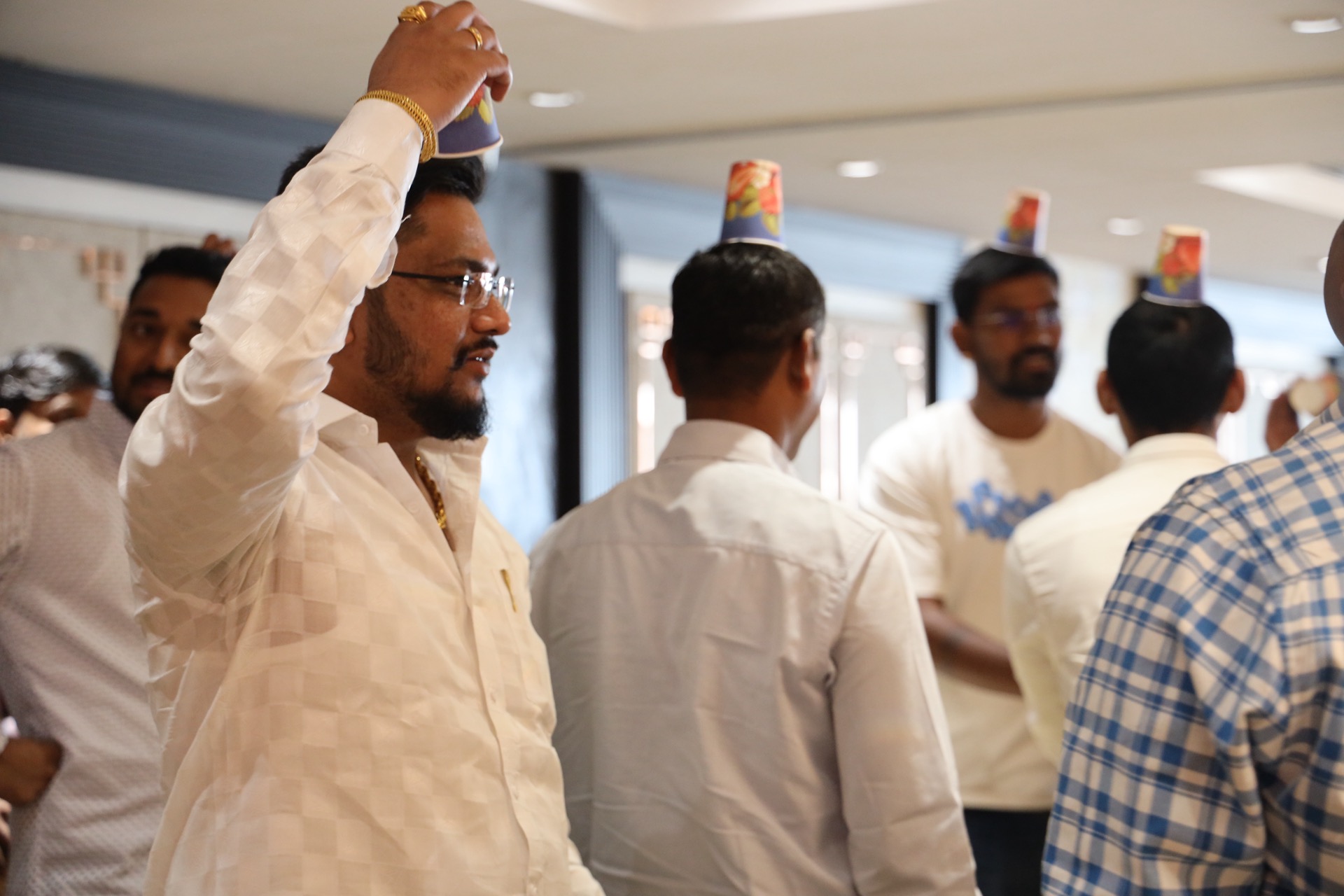
Shrinath walked into my company as a hardworking, likeable operations manager with a strong equation with our Business Head. Within a couple of years, that same self-confidence that got him noticed had cost him promotions, his team's trust, and eventually his job — and it followed him to his next company too, because he never once stopped to ask why.
In short- Shrinath, an operations manager at my company, started strong — hardworking, close to the Business Head — but his self-confidence curdled into overconfidence.
- He believed his ideas were always right, took on work beyond his ability, and rarely listened to his team's input.
- His team felt ignored, morale dropped, and when promotions came up, he was passed over — he couldn't accept constructive criticism.
- He left the company, but the same pattern followed him into his next roles because he never fixed the root cause.
- Self-confidence is a genuine EQ strength — but without the humility to stay open to feedback, it becomes the very thing that blocks your growth.
Where this sits on your Winning Kite
Self-confidence is Trait #3 on the EQ — left — side of your Winning Kite (KITE Leadership Framework). A kite needs tension on all four sides to fly steady. When one side pulls too hard without the others balancing it, the kite doesn't rise higher — it spins out of control and crashes. Shrinath had EQ in the form of raw self-belief. What he lacked was the RQ (Relationship Intelligence) to pair with it — the humility to value his team's voice and the self-awareness to notice when his confidence had stopped being useful and started being a wall.
The manager everyone liked — at first
Shrinath joined my company, ABC Trainings, as an operations manager. From day one, he made a good impression. He was hardworking, put in the hours, and built an easy, friendly rapport with our Business Head. On paper and in the room, he looked like exactly the kind of person you'd want running operations — someone with drive, someone unafraid to take charge.
But underneath that drive was a crack that widened with every passing month. Shrinath's self-confidence, which should have been an asset, quickly went overboard. He genuinely believed his own ideas were always correct. He took on tasks that were beyond his actual ability — not because he'd been asked to stretch, but because he assumed he could handle anything, and admitting otherwise felt like weakness. And in meetings, in one-on-ones, in the everyday back-and-forth of running a team, he rarely listened to what his teammates had to say.
When confidence stops listening
Here is the part every manager needs to sit with: Shrinath wasn't a bad person, and he wasn't lazy or incompetent. He was, by most measures, a hard worker. His failure wasn't a skills failure. It was a listening failure dressed up as confidence.
As the weeks turned into months, his team started to feel the weight of it. They felt ignored. They felt unappreciated. When you raise a concern or offer a suggestion and it's waved off again and again, you stop raising your hand. That's exactly what happened on Shrinath's team — people stopped offering opinions, not because they had none, but because experience had taught them it wasn't worth the friction. That silence bred arguments when disagreements did surface, misunderstandings that could have been avoided with five minutes of actual listening, and a slow, steady drop in morale.
Because Shrinath believed he was always right, he genuinely could not see his own mistakes. That's the trap of overconfidence — it doesn't just make you dismiss other people's input, it blinds you to the evidence sitting right in front of you. Even though the CEO liked him personally and had faith in him early on, the rest of the team quietly began losing faith in his leadership. A leader's authority isn't just granted from above — it has to be earned from the people who report to you, every single day, through how you treat their ideas.
The promotion that never came
When it came time to consider promotions, Shrinath was overlooked. This wasn't a political decision or a personal grudge — the managers and senior colleagues who weighed in genuinely felt his overconfidence held him back. They had watched him operate. They had seen how he handled feedback, or rather, how he failed to. Whenever someone tried to guide him — a senior colleague offering a course correction, a peer flagging a risk in his plan — he brushed them off. Not aggressively, necessarily, but firmly enough that people learned not to bother a second time.
That is one of the costliest things overconfidence does to a career: it doesn't just cost you the argument in the room, it costs you the goodwill of the people who might otherwise advocate for you when the promotion committee meets. Shrinath had built a strong bond with one senior leader, but he'd built no bench of support among the people who actually worked alongside him day to day — the people whose feedback carries real weight when a company decides who's ready for more responsibility.
Eventually, feeling the ceiling close in, Shrinath decided to leave the company to explore new opportunities. On the surface, it looked like ambition — a talented person moving on to bigger things. Underneath, it was an unresolved pattern walking out the door, unexamined.
The pattern that followed him
This is the part of Shrinath's story that I find most important — and the part people skip over when they tell similar stories about themselves. His overconfidence didn't disappear when he changed companies. It came with him.
In the new workplaces he joined, he ran into the same walls. He couldn't adapt to fresh environments because adapting requires admitting you don't already know everything about how things work in a new context. He couldn't value his new team's inputs, for the same reasons he couldn't value his old team's. He kept ignoring feedback, because the habit of dismissing other people's perspective wasn't tied to that one office or that one Business Head — it was tied to him. Because of this, he struggled to climb the career ladder, job after job, without ever fully understanding why the same story kept repeating.
That's the real danger of overconfidence: it convinces you the problem is always external. The last company didn't recognize your talent. The last team wasn't smart enough to see your point. The last manager was threatened by you. Every explanation is available except the one that matters — the one about your own blind spot.
The right balance: self-efficacy over self-delusion
Shrinath's story shows how having too much self-confidence can actually stop you from growing. Being confident is good — essential, even — but being so sure of yourself that you ignore others causes conflicts and keeps you from discovering your own weaknesses. The key is finding the right balance: believe in yourself but stay open to advice, criticism, and change. That is how real progress and success happen.
To harness the positive impact of self-confidence, you have to connect it with reality. People who are very sure of themselves tend to lose touch with what's actually happening around them, and they stop accepting that they've made mistakes. That disconnect from reality is exactly what separates healthy confidence from the kind that derails careers.
Psychologists have a more precise term for the healthy version: self-efficacy — having a positive, realistic judgment of your own abilities and performance. It isn't just about skills. It's a belief in yourself that stays anchored to evidence. People with strong self-efficacy are willing to take on challenges regardless of the outcome, and they keep believing in themselves, which helps them keep getting better. Their belief system gives birth to aspirations that motivate them toward greatness — psychologist Albert Bandura's original research on self-efficacy makes a similar distinction, and it's a useful outside reference point, but Shrinath's story is the one that makes it real for an Indian workplace. The crucial difference between Shrinath and a star performer with real self-efficacy isn't the amount of confidence — it's whether that confidence keeps checking itself against feedback, or stops checking altogether.
What this looks like in your own team
You don't need an operations manager named Shrinath to recognize this pattern. Watch for it in yourself and in the people you lead:
| Healthy Self-Confidence | Overconfidence (Shrinath's pattern) |
|---|---|
| Backs your judgment under pressure, but checks it against facts | Assumes your first instinct is always correct |
| Takes on stretch work with a plan to close the skill gap | Takes on work beyond your ability and hopes it works out |
| Actively asks the team for input before deciding | Rarely listens to teammates' opinions or suggestions |
| Treats feedback as data, even when it stings | Brushes off anyone who tries to guide or correct you |
| Builds trust across the whole team, not just with one senior leader | Relies on one strong relationship at the top while the team loses faith |
How to build confidence without losing your team
From my experience training leaders across the Indian Army, BRO, RBI, BARC, JSW Steel and 1000+ corporate professionals, I've seen this exact fork in the road again and again — talented people who have to choose, consciously, whether their confidence will include others or exclude them. A few things that separate the ones who choose well:
- Ask before you decide, not after. If your default is to announce a decision and defend it, flip the order. Ask two or three people closest to the work what they'd do first.
- Separate the idea from the person who is questioning it. When Shrinath's colleagues raised concerns, he seems to have heard "you're wrong about yourself" instead of "here's information you don't have." That's a reflex you can retrain.
- Track your misses, not just your wins. Confident people remember the calls that went right. Self-aware, confident people also keep an honest ledger of the calls that didn't — and use it.
- Notice who has gone quiet. If a teammate who used to speak up in meetings has stopped, that silence is feedback. Don't wait for an exit interview to find out why.
This is exactly the kind of behaviour shift we work on inside our Signature Corporate Training Programs and our broader corporate training topics — because knowing the theory of self-confidence and actually catching yourself mid-conversation are two very different skills. If your team has a Shrinath in it right now — or if you suspect you might be one — the fix isn't to shrink your confidence. It's to pair it with the humility to keep listening. Reach out through our contact page to start that conversation for your organisation.
Bring These Ideas to Your Team
Avinash Chate turns the traits in Stars at India Inc. into live leadership & emotional-intelligence workshops. TEDx speaker · 11+ yrs training Army, BRO, RBI, BARC, JSW & 1000+ leaders.
✅ Thanks! Avinash team will reach out within 24 hours.'}).catch(function(e){f.outerHTML='Something went wrong. WhatsApp +91 8793630001
'});return false;">Select ServiceKeynote / Motivational SpeakingLeadership Development TrainingTeam Building WorkshopManager DevelopmentEmployee TrainingBook Avinash Now →Or WhatsApp directly: +91 87936 30001
Work with Avinash Chate
- Signature Corporate Training Programs →
- The Winning Kite (KITE Leadership Framework) →
- All Corporate Training Topics →
Avinash Chate TEDx Speaker · Founder, The Future Corporate · Author of Stars at India Inc. Avinash has trained the Indian Army, BRO, RBI, BARC, JSW Steel and 1000+ corporate leaders across India. His work focuses on leadership, emotional intelligence and behavioural training rooted in Indian values and modern business needs. |
Frequently Asked Questions
What happened to Shrinath, the overconfident operations manager in Stars at India Inc?
Shrinath joined as an operations manager and was seen as hardworking, with a good equation with the Business Head. But his self-confidence tipped into overconfidence — he believed his ideas were always right, took on tasks beyond his ability, and rarely listened to his team. He was overlooked for promotion, couldn't accept feedback, and eventually left the company. The pattern repeated in his next jobs because he never fixed the root cause.
Is self-confidence a bad quality for a manager to have?
No — self-confidence is one of the 25 traits on the EQ side of the Winning Kite and is essential for good leadership. The problem isn't confidence itself; it's confidence that stops listening. Healthy self-confidence stays open to feedback and evidence. Overconfidence treats every doubt from others as noise to be dismissed.
How can I tell if my self-confidence has become overconfidence?
Watch for these signs: you rarely ask your team for input before deciding, you get defensive rather than curious when someone disagrees with you, you take on responsibilities beyond your current skill level without a plan to close the gap, and people around you have started going quiet in meetings instead of pushing back. If feedback consistently feels like an attack rather than data, that is the clearest signal.
How does Shrinath's story connect to the Winning Kite framework?
Self-confidence sits on the EQ (left) side of the Winning Kite, one of the 25 traits across 5 clusters that make up Emotional Intelligence. Shrinath had EQ in the form of self-belief, but he was missing the RQ (Relationship Intelligence, right side) to balance it — the ability to value others' input and manage the relationship around his confidence. A kite needs balance on every side to rise; strength on one side alone pulls it down.
Related Articles by Avinash Chate
- Gambhir vs Rayudu – IPL 2017
- Lateral Lift: How Liebherr's One Core Skill Built Four Billion-Dollar Businesses
- From Mainframe to Cloud: Vishal Chandane's Adaptability India 2026
Avinash Chate services
Corporate Training · Leadership Development · Team Building · Motivational Speaking · All service locations
← Back to all articles · Book Avinash Chate
By Avinash Chate — Maharashtra’s #1 Corporate Trainer & Motivational Speaker. .