Rohit Shetty firing Incident आणि Leadership Reality
जेव्हा एखादी व्यक्ती मोठी होऊ लागते, तेव्हा शांतता संपते. टीका वाढते, स्पर्धा तीव्र होते आणि कधी कधी धमक्याही येतात. अलीकडील रोहित शेट्टी प्रकरण आपल्याला एक गोष...
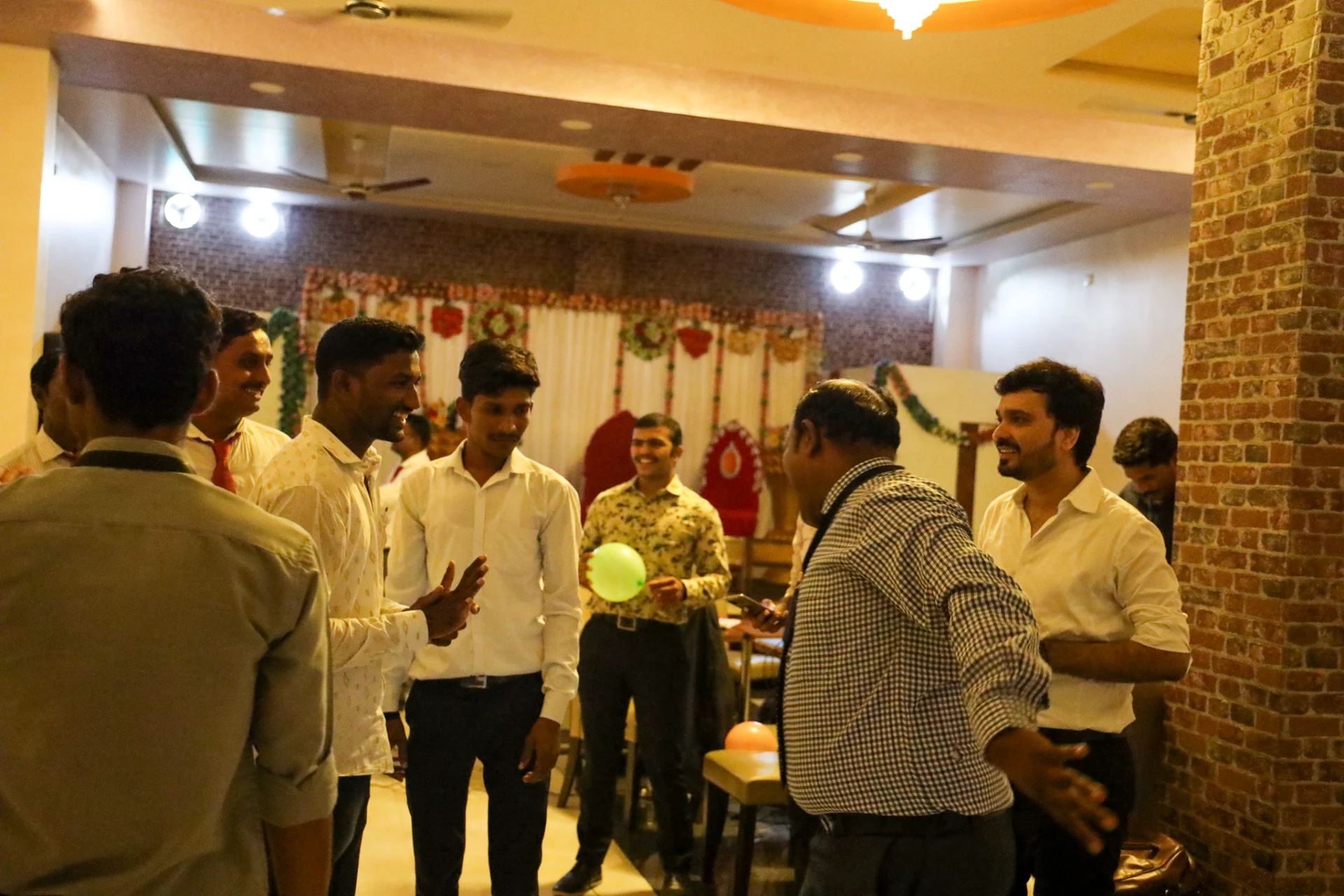
Avinash Chate - Team Building Expert conducting interactive workshop
When Criticism Grows, Leadership Begins: The Real Test of Courage Under PressureOne truth I have seen repeatedly in leadership journeys is this: the moment you start growing, resistance also starts growing. When your work begins to matter, opinions become louder, competition becomes sharper, and pressure becomes more visible. Many people assume that criticism is a sign that something is wrong. I believe the opposite is often true.
Key takeaway: criticism, competition, and even intimidation are not always signals to stop; many times, they are signals that your leadership is becoming visible.
As Avinash Chate, a TEDx speaker and author of The Winning Edge, I have interacted with leaders across 80+ organizations, and I have noticed a powerful pattern: the higher the responsibility, the greater the emotional pressure. Leadership is not tested when everything is comfortable. Leadership is tested when people doubt you, challenge you, misunderstand you, or try to shake your confidence.
Why Success Attracts Pressure
Whenever a person begins to rise, the environment around them changes. Earlier, they may have gone unnoticed. But once they start influencing decisions, delivering results, or becoming visible, reactions begin. Some people admire. Some compete. Some criticize. Some even try to create fear.
This is not limited to celebrities or public figures. It happens in organizations every day. A new manager takes charge and faces silent resistance. A sales leader pushes for higher standards and is called too demanding. A young professional with fresh ideas is seen as disruptive. A business head making tough decisions is misunderstood as harsh.
I have seen this in corporate training rooms, leadership interventions, and executive coaching conversations. At places like Maharashtra Institute of Technology, and in many corporate environments, one lesson stands out clearly: growth changes the kind of pressure you face. If you are doing meaningful work, you will not be able to avoid discomfort completely.
The mistake many professionals make is taking every criticism personally. Not every reaction deserves emotional surrender. Some criticism is useful feedback. Some is insecurity from others. Some is noise. Leadership maturity lies in knowing the difference.
The Leadership Reality Most People Ignore
Many people admire leadership from a distance, but they do not always understand its emotional cost. Leadership is not just about titles, visibility, or authority. It is about carrying uncertainty without collapsing internally. It is about staying composed when others are reacting emotionally. It is about taking responsibility even when appreciation is delayed.
In my experience, the real challenge is not external pressure alone. The real challenge is internal instability. A leader may look confident outside but feel shaken inside. Questions begin to surface: Am I doing the right thing? Why are people reacting this way? Should I slow down? Should I avoid conflict? Should I stay silent?
This is where courage becomes essential. I often say that leadership is not the absence of fear. Leadership is the ability to act with clarity despite fear. As Avinash Chate, I have worked with professionals who were highly capable, but they needed to strengthen their emotional steadiness to handle visibility, criticism, and responsibility.
Leadership does not mean escaping pressure. Leadership means standing firm when pressure tries to bend your values, your voice, and your vision.
If you look at strong leaders closely, you will notice that they are not fearless in every moment. They are simply more committed to purpose than to comfort.
The Courage Framework: How Leaders Stay Steady Under Pressure
In my sessions, I often simplify leadership courage into a practical mindset that professionals can apply immediately. Courage in leadership is not dramatic. It is disciplined. It is visible in small but powerful actions taken consistently under stress.
1. Control your emotional response
The first battle is internal. Before responding to criticism, conflict, or pressure, pause. Do not react from hurt, anger, or ego. Emotional control protects judgment. A leader who reacts impulsively weakens trust. A leader who responds thoughtfully builds credibility.
2. Anchor yourself in purpose
If your decisions are driven only by approval, pressure will break you. But if your decisions are anchored in values, goals, and responsibility, you become far more stable. Ask yourself: what is the larger purpose I am serving here? This question reduces emotional noise.
3. Refuse to be distracted by every voice
Not every opinion deserves equal importance. Strong leaders listen, but they do not get controlled by every external reaction. Learn to separate constructive feedback from destructive distraction. Your attention is a leadership asset. Protect it.
4. Act with consistency
Under pressure, people watch your consistency. They observe whether your standards change, whether your communication weakens, and whether your confidence disappears. Courage is not one bold act. It is repeated steadiness.
5. Engage support, not isolation
Leadership can become lonely if you try to carry everything alone. Speak to mentors, coaches, or trusted colleagues. Reflection is strength, not weakness. Many successful leaders remain grounded because they have spaces where they can think clearly.
This approach aligns deeply with my KITE Leadership Framework, where clarity, influence, trust, and execution come together to create resilient leadership. Courage is not separate from leadership effectiveness. It is central to it.
What Corporate Leaders Can Learn from Public Pressure Moments
Whenever a public incident creates discussion around pressure, criticism, or response, professionals should not consume it only as news. They should learn from it as a leadership case study. Public pressure simply makes visible what many leaders quietly face in boardrooms, team meetings, sales reviews, and business decisions.
If you are leading a team, ask yourself: how do I behave when challenged? Do I become defensive? Do I withdraw? Do I overreact? Or do I stay calm, assess the situation, and move with conviction?
In many of my training programs, I help leaders build this very muscle. Communication under pressure, emotional resilience, conflict maturity, and executive presence are not optional soft skills anymore. They are survival skills for modern leadership.
That is why conversations around motivation and leadership must go deeper than positivity. Real motivation is not just feeling inspired on a good day. Real motivation is staying committed on a difficult day. If this topic resonates with you, I also recommend reading How Corporate Motivational Speakers Create Lasting Change in Organizations because lasting change comes from internal transformation, not temporary excitement.
For managers who want to strengthen their people leadership during challenging situations, this resource is also valuable: 5 Essential Managerial Behavioural Skills Every Manager Should Have in Mumbai. The title may mention one location, but the lessons are relevant for leaders everywhere.
How Teams Interpret a Leader's Response
One important reality leaders must remember is this: teams do not only listen to your words; they study your reactions. In uncertain moments, your team is asking silent questions. Is our leader stable? Is our leader clear? Is our leader emotionally secure? Can we trust this person under pressure?
Your response during difficult moments becomes a culture signal. If you react with panic, the team absorbs panic. If you react with blame, the team absorbs fear. If you react with clarity and calmness, the team absorbs confidence.
As Avinash Chate, I often tell leaders that emotional steadiness is contagious. So is emotional chaos. The culture of a team is shaped not only by policies or targets, but by repeated behavioural signals from its leaders.
This becomes even more important in high-pressure work environments where burnout, fatigue, and emotional exhaustion can affect performance. If you lead teams working under demanding conditions, you may find this useful: Motivational Speaker for Pune BPO and KPO Night-Shift Teams — Combating Burnout and Boosting Engagement. The core lesson is simple: people perform better when they feel emotionally supported and purposefully led.
My Final Message to Leaders Facing Criticism
If you are currently facing criticism, competition, or pressure, do not assume that your journey is going wrong. Sometimes, these are signs that your presence is being felt. The question is not whether pressure will come. The question is who you become when it comes.
Do not let noise define your identity. Do not let fear shrink your contribution. Do not let temporary pressure make permanent decisions for you. Stand firm in your values. Strengthen your communication. Build your emotional resilience. Keep your purpose bigger than your discomfort.
Avinash Chate believes that leadership is not about avoiding difficult moments; it is about growing strong enough to handle them with grace, courage, and conviction. That is the leadership reality many people discover only after success arrives.
If your organization wants to build courageous leaders, emotionally strong managers, and resilient teams, book a corporate training session with Avinash Chate. In a world full of pressure, the real competitive advantage is not just talent. It is character under pressure.
Frequently Asked Questions
Why does criticism increase when a person becomes successful?
As visibility increases, expectations, comparisons, and competition also increase. Success attracts attention, and attention naturally brings mixed reactions. Leaders must learn to handle this without losing focus.
How can leaders stay calm under pressure?
Leaders stay calm by pausing before reacting, anchoring themselves in purpose, seeking perspective, and responding with clarity instead of emotion. Emotional discipline is a key leadership strength.
Is criticism always a bad sign in leadership?
No. Some criticism is valuable feedback that helps leaders improve. Some criticism is simply resistance to change. The important skill is learning to identify which is which.
What is the role of courage in leadership?
Courage helps leaders act responsibly even when situations are uncomfortable. It allows them to make decisions, communicate clearly, and stay aligned with values despite pressure or opposition.
How can organizations build resilient leaders?
Organizations can build resilient leaders through focused corporate training in emotional intelligence, communication, conflict handling, motivation, and people leadership. Consistent development creates leaders who can perform under pressure.
Related Articles by Avinash Chate
- Motivational Speaker for Pune BPO and KPO Night-Shift Teams — Combating Burnout and Boosting Engagement
- Micro Management vs Ownership: Lessons for Maharashtra's Corporate Leaders
- When the Hunger for Power Kills Humanity
About the Author
Avinash Chate is a TEDx speaker, published author of The Winning Edge and The Unanswered, and founder of The Future Corporate & Business Coaching. With over 15 years of experience training 80+ organizations including Kaeser Compressors India, ADS Technologies, Daspati Maratha Charitable Trust Mumbai, Ellora Natural Seed Pvt Ltd, Avinash is recognized as Maharashtra's leading corporate trainer. He created the KITE Leadership Framework and the 25-Star Competency Framework™, delivering high-impact programs across leadership, team building, sales transformation, and emotional intelligence.
📞 +91 8793630001 | ✉️ connect@avinashchate.com | 🌐 avinashchate.com
Book Avinash Chate for Your Next Event
Maharashtra's #1 Corporate Trainer · India's leading Motivational Speaker & Team Building Expert · 2x TEDx · Available across India in English, Hindi & Marathi.
✅ Thanks! Avinash team will reach out within 24 hours.'}).catch(function(e){f.outerHTML='Something went wrong. WhatsApp +91 8793630001
'});return false;"> Select Service Motivational Speaking / Keynote Team Building Workshop Corporate Training / Leadership Development Manager Development Employee Training Outbound Training Book Avinash Now →Or WhatsApp directly: +91 87936 30001
Avinash Chate services
Corporate Trainer in Maharashtra · Top Corporate Trainers in Maharashtra · Leadership Trainer in Maharashtra · Top Leadership Trainers in Maharashtra · Team Building Trainer in Maharashtra · Top Team Building Trainers in Maharashtra · Motivational Speaker in Maharashtra · Top Motivational Speakers in Maharashtra · All service locations
← Back to all articles · Book Avinash Chate
By Avinash Chate — Maharashtra’s #1 Corporate Trainer & Motivational Speaker. .