Leadership Trailer | Emotional Expression शिवाय Growth Impossible
अनेक प्रोफेशनल्सना त्यांच्या भावना स्पष्टपणे व्यक्त करण्यात अडचण येते. “ठीक आहे”, “चांगलं आहे” अशा शब्दांमागे खूप वेळा खरी भावना दडलेली असते, ज्यामुळे गैरसमज, त...
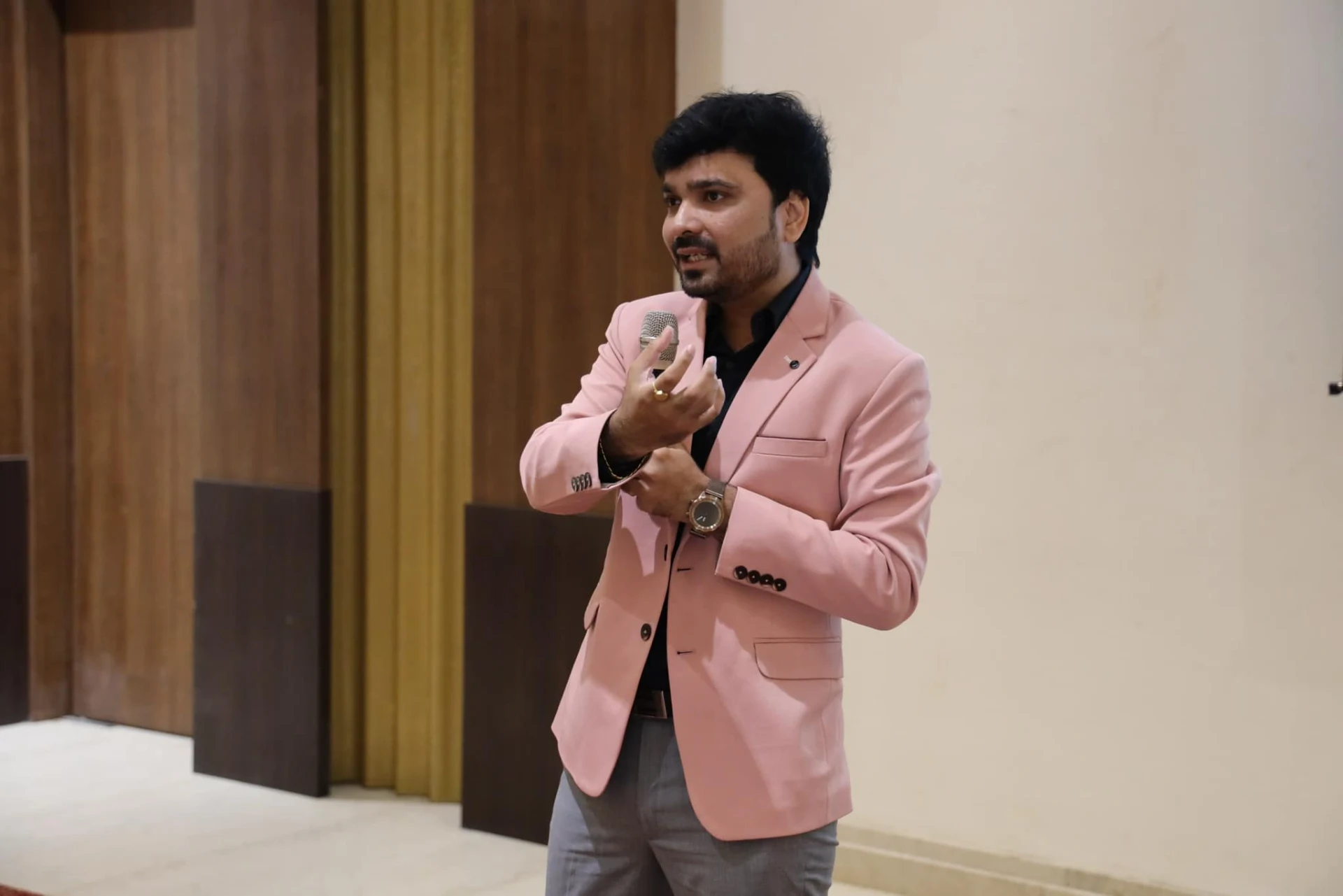
Avinash Chate - Top Motivational Speaker at corporate training program
Why Emotional Expression Is Essential for Leadership GrowthIn my sessions with professionals across industries, I have seen one pattern again and again: people are educated, experienced, and hardworking, but they still struggle to express what they truly feel. They say, "I am fine", "It is okay", or "Everything is good", while inside they are carrying disappointment, confusion, stress, or hurt.
Key takeaway: If you cannot express your emotions clearly, your leadership growth will remain limited, no matter how talented or experienced you are.
That is why I believe emotional expression is not a soft issue to be ignored. It is a leadership issue, a relationship issue, and a growth issue. As a TEDx speaker and author of The Winning Edge, I have worked with leaders, managers, business owners, and teams across 80+ organizations, and one truth stands out: people do not disconnect only because of strategy failures; they disconnect because emotions remain unspoken, misunderstood, or poorly communicated.
When I, Avinash Chate, speak about leadership development, I always remind people that emotional maturity is not about becoming overly dramatic. It is about learning to identify what you feel, express it with clarity, and communicate it in a way that builds trust instead of tension.
Why So Many Professionals Struggle to Express Emotions
Many of us were never trained to name our emotions properly. We learned how to study, how to perform, and how to achieve, but not how to say, "I feel ignored", "I am disappointed", "I feel anxious about this decision", or "I need support right now."
As a result, we use vague language. We suppress discomfort. We expect others to understand us without explanation. Then we feel frustrated when they do not.
In workplaces, this creates silent pressure. A team member may say nothing in a meeting but carry resentment for weeks. A manager may sound harsh when the real feeling is stress. A leader may appear distant when the truth is emotional exhaustion. In families, the same pattern continues. A difficult day at work becomes irritation at home because the original emotion was never expressed properly.
Avinash Chate often says in training programs that emotional suppression does not remove emotions; it only changes where and how they come out. If not expressed with awareness, they emerge as anger, withdrawal, blame, or burnout.
Emotional Expression Is a Leadership Skill, Not a Personal Weakness
One of the biggest myths in the corporate world is that strong leaders should hide emotions. I completely disagree. Strong leaders do not hide emotions blindly; they manage and express them wisely.
Leadership is influence. Influence depends on trust. Trust depends on authenticity. And authenticity becomes visible when your words, tone, and emotional state are aligned.
If a leader says, "My door is always open," but reacts defensively every time someone shares a concern, people stop speaking honestly. If a manager says, "We are one team," but never expresses appreciation, the team feels unseen. If a business owner says, "I value commitment," but never communicates personal conviction with emotional clarity, people follow instructions but not vision.
This is why emotional expression matters deeply in leadership. It helps you do five important things:
Build trust through honest communication
Reduce misunderstandings before they become conflict
Create psychological safety in teams
Respond with maturity instead of reacting impulsively
Strengthen relationships at work and beyond work
Within the KITE Leadership Framework, emotional expression supports the human side of influence. A leader may have knowledge and authority, but without emotional clarity, connection remains weak.
What Happens When Emotions Are Not Expressed Properly
Let us look at a simple real-life pattern. A professional faces disappointment at work. Perhaps a proposal is rejected, effort is not recognized, or communication from a senior feels unfair. Instead of naming the emotion accurately, the person says, "Nothing happened" or "It is normal."
But the emotion does not disappear. It travels.
It travels into the next meeting as low energy. It travels into team interactions as irritation. It travels home as silence or frustration. It affects confidence, decision-making, and relationships.
This is exactly why emotional expression is necessary for growth. Growth is not only about skills, targets, and promotions. Growth is also about emotional vocabulary, self-awareness, and communication maturity.
I have seen this in corporate training interventions with teams from organizations such as NRB Bearings, where leadership communication and people development become stronger when individuals learn to express concerns, expectations, and emotions more constructively.
When people do not have the right words for their emotions, they often create the wrong impact. They may sound rude when they are actually hurt. They may become passive when they are actually afraid. They may criticize others when they are actually feeling inadequate.
That is why clarity of emotional expression is not a luxury. It is a necessity.
How to Express Emotions with Maturity and Impact
The good news is that emotional expression can be learned. You do not need to become overly emotional. You need to become emotionally precise.
Here are practical ways I recommend:
Name the emotion correctly
Do not stop at "I feel bad." Ask yourself: Am I disappointed, anxious, left out, overwhelmed, embarrassed, angry, or discouraged? The more accurate the word, the better the communication.
Separate feeling from blame
Instead of saying, "You never support me," say, "I felt unsupported during that discussion." This reduces defensiveness and opens dialogue.
Use timing wisely
Not every emotion should be expressed instantly. Mature expression means choosing the right time, tone, and setting.
Connect emotion with need
When you express a feeling, also express what is needed. For example, "I felt confused after the meeting. I need clearer expectations for the next step."
Practice emotional honesty in small moments
Growth does not happen only in major crises. It happens when you start saying simple truths clearly: "I am concerned," "I need support," "I appreciate this," "I was disappointed," or "That feedback helped me."
Avinash Chate believes that leaders who can express emotions responsibly create healthier teams, stronger cultures, and more meaningful influence.
Emotional Expression Strengthens Teams and Relationships
Every team wants better collaboration, but collaboration is impossible when people hide what they think and feel. Emotional expression creates openness. Openness creates alignment. Alignment creates performance.
When team members feel safe enough to express concern, confusion, appreciation, or disagreement respectfully, the team becomes stronger. Problems are addressed earlier. Feedback becomes easier. Conflict becomes more constructive.
This is also connected to sustainable leadership. If leaders keep everything inside, they become emotionally unavailable. Over time, this weakens morale. On the other hand, when leaders express conviction, empathy, concern, and appreciation clearly, people feel seen.
If this topic interests you, I also recommend reading The Paradox of Power: What Corporate Leaders Must Learn Before Success Changes Them and The Rubber Band Principle: The Dangerous Leadership Mistake That Breaks Your Best People. Both explore how leadership behaviour shapes trust, emotional climate, and long-term team strength.
For business owners and growth-focused professionals, I also suggest The Gillette Strategy Every Business Owner Must Understand to Build Recurring Revenue, because sustainable growth always depends on strong human understanding, not just business ambition.
Growth Begins When You Find the Right Words
Many people are not stuck because they lack potential. They are stuck because they lack expression. They feel deeply but speak vaguely. They expect understanding without communication. They want stronger relationships but avoid emotional clarity.
I want to say this clearly: if you want to grow as a professional, a leader, a teammate, or a human being, learn to express your emotions with honesty and maturity.
That does not make you weak. It makes you aware. It makes you relatable. It makes you trustworthy.
As Avinash Chate, I have seen that real growth begins when people stop hiding behind safe words and start communicating what is true. Emotional expression is not separate from leadership. It is one of its foundations.
If you want to build emotionally strong leaders, better communicators, and more connected teams in your organization, book a corporate training session with me.
Frequently Asked Questions
Why is emotional expression important in leadership?
Emotional expression helps leaders build trust, reduce misunderstandings, and communicate with authenticity. When leaders express emotions clearly and responsibly, teams feel safer and more connected.
Does expressing emotions at work make someone look weak?
No. Mature emotional expression is a sign of self-awareness and communication strength. The key is to express emotions with clarity, control, and purpose.
How can professionals improve emotional expression?
They can start by identifying emotions more accurately, using specific language, choosing the right timing, and expressing needs without blaming others.
How does poor emotional expression affect teams?
Poor emotional expression creates confusion, hidden resentment, avoidable conflict, and emotional distance. Over time, it weakens collaboration and trust.
Can emotional expression be developed through corporate training?
Yes. With the right training, reflection, and practice, professionals can improve emotional awareness, communication, leadership presence, and relationship-building skills.
Related Articles by Avinash Chate
- How Fake Narratives Damage Trust at Work and What Strong Leaders Do Differently
- Why You Stay Silent in Meetings and How to Speak with Confidence
- The Commitment Deficit: Why Missed Promises Damage Trust More Than Failure
About the Author
Avinash Chate is a TEDx speaker, published author of The Winning Edge and The Unanswered, and founder of The Future Corporate & Business Coaching. With over 15 years of experience training 80+ organizations including Daspati Maratha Charitable Trust Mumbai, Ferrero Rocher, Sakla Group, Ellora Natural Seed Pvt Ltd, Avinash is recognized as Maharashtra's leading corporate trainer. He created the KITE Leadership Framework and the 25-Star Competency Framework™, delivering high-impact programs across leadership, team building, sales transformation, and emotional intelligence.
📞 +91 8793630001 | ✉️ connect@avinashchate.com | 🌐 avinashchate.com
Book Avinash Chate for Your Next Event
Maharashtra's #1 Corporate Trainer · India's leading Motivational Speaker & Team Building Expert · 2x TEDx · Available across India in English, Hindi & Marathi.
✅ Thanks! Avinash team will reach out within 24 hours.'}).catch(function(e){f.outerHTML='Something went wrong. WhatsApp +91 8793630001
'});return false;"> Select Service Motivational Speaking / Keynote Team Building Workshop Corporate Training / Leadership Development Manager Development Employee Training Outbound Training Book Avinash Now →Or WhatsApp directly: +91 87936 30001
Avinash Chate services
Corporate Trainer in Maharashtra · Top Corporate Trainers in Maharashtra · Leadership Trainer in Maharashtra · Top Leadership Trainers in Maharashtra · Team Building Trainer in Maharashtra · Top Team Building Trainers in Maharashtra · Motivational Speaker in Maharashtra · Top Motivational Speakers in Maharashtra · All service locations
← Back to all articles · Book Avinash Chate
By Avinash Chate — Maharashtra’s #1 Corporate Trainer & Motivational Speaker. .