Yami Gautam Exposes Bollywood PR Racket:Your Office Has?
You work hard but promotions go to others. You deliver results but recognition goes to someone else. Sound familiar? Yami Gautam recently exposed how Bollywood ...
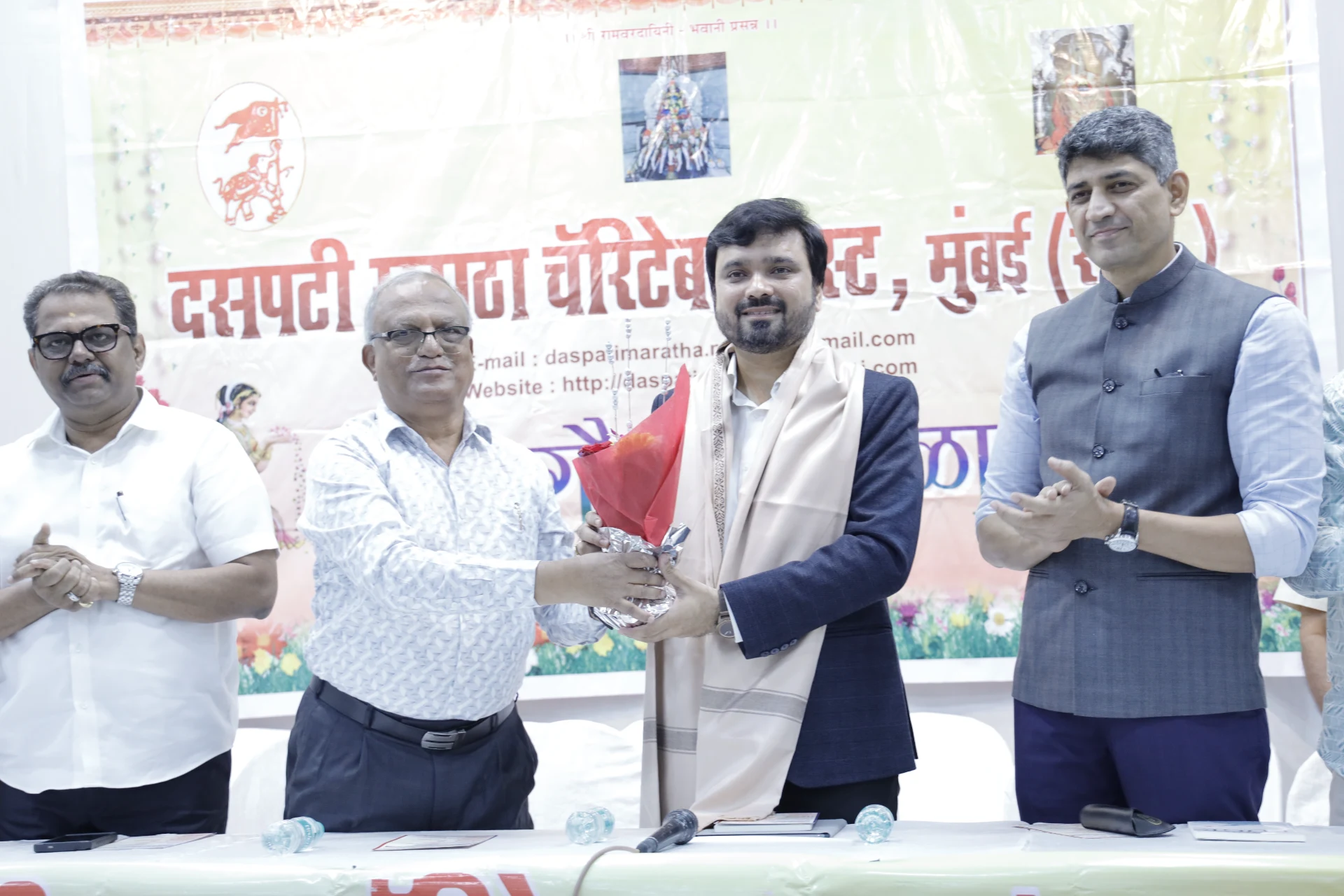
Avinash Chate - Best Corporate Trainer and Motivational Speaker in India
Why Hard Work Alone Does Not Get You Recognised at WorkI meet many capable professionals who tell me the same story: I work sincerely, I deliver results, I stay committed, but someone else gets the visibility, the appreciation, and the promotion. If that sounds familiar, you are not alone.
Recently, public conversations around image-building in glamorous industries reminded many people of an uncomfortable truth: in every field, perception influences opportunity. In the corporate world, this does not have to mean manipulation. It means understanding a very real human principle: people support, trust, and remember those they feel connected to.
Key takeaway: Your work matters, but your relationships give your work a voice.
As Avinash Chate, I have seen this pattern across 80+ organizations. The people who grow consistently are not always the loudest or the most political. They are the ones who combine performance with presence, credibility with connection, and competence with communication.
This is why I often speak about Relationship Quotient, or RQ. If Intelligence Quotient helps you solve problems and Emotional Quotient helps you manage emotions, RQ helps you build trust, influence, and goodwill. In today’s workplace, that combination is powerful.
Why your work does not always speak for itself
Let us be honest. Work does not speak for itself unless someone notices it, understands it, values it, and remembers it at the right time. Performance is essential, but visibility is social.
Many professionals assume that if they keep their head down and do excellent work, recognition will automatically follow. Sometimes it does. Many times, it does not. Why? Because workplaces are made of human beings, not machines. Human beings respond to trust, familiarity, communication, consistency, and emotional connection.
That is why I tell participants in my corporate training sessions that talent without relationships often remains under-recognised. This is not unfairness alone. It is also a signal that professional success depends on more than output.
Avinash Chate has repeatedly emphasised in leadership sessions that influence is not built in appraisal season. It is built in everyday moments: how you listen, how you collaborate, how you make others feel, and how you contribute beyond your job description.
What Relationship Quotient really means
When I talk about RQ, I am not asking anyone to flatter, manipulate, or play games. I am talking about authentic professional relationship-building.
Relationship Quotient means your ability to create trust-based connections with colleagues, managers, peers, clients, and teams. It includes how well you communicate, how dependable you are, how respectfully you disagree, how sincerely you appreciate others, and how effectively you stay connected.
In my work as a TEDx speaker and author of The Winning Edge, I have observed that people with strong RQ do a few things consistently.
They communicate their work clearly without arrogance.
They build credibility before they need support.
They stay visible through contribution, not self-promotion alone.
They invest in people, not just tasks.
They create goodwill by being reliable and respectful.
This is one reason the KITE Leadership Framework is so relevant. Leadership growth is not just about knowledge or execution. It is also about trust, influence, and engagement. If people know your capability but do not feel connected to you, your impact stays limited.
The hidden cost of ignoring workplace relationships
Some professionals wear isolation like a badge of honour. They say, “I am here to work, not to socialise.” I understand the intention, but I also know the cost.
When you ignore relationships at work, several things happen quietly. Your contributions are less visible. Your intentions are misunderstood. Your ideas receive less support. Your challenges remain unheard. And when opportunities arise, decision-makers think first of those they know, trust, and remember.
This does not mean you need to become extroverted. It means you need to become intentional.
I have worked with teams from respected institutions such as Bhabha Atomic Research Centre, and one lesson remains universal across sectors: high performance becomes sustainable when people know how to build strong human connections. Technical excellence may get you into the room, but relationship strength often determines whether your voice carries weight.
Avinash Chate often reminds professionals that being invisible is not the same as being humble. Humility is a strength. Invisibility is a career risk.
How to build RQ without losing your authenticity
The good news is that Relationship Quotient can be developed. You do not need to change your personality. You need to strengthen your habits.
1. Learn to talk about your work with clarity
Do not assume people know your contribution. Share updates in a concise, professional, and value-focused way. Speak about outcomes, lessons, and impact. This is not bragging. This is responsible communication.
2. Build trust before you need it
Many people reach out only when they need help. Strong professionals build relationships early. They check in, offer support, appreciate effort, and stay connected consistently.
3. Make collaboration easier for others
People remember those who reduce friction. Be responsive. Be prepared. Be respectful of time. Be someone others can rely on under pressure.
4. Appreciate genuinely
Recognition is a relationship builder. When you appreciate others sincerely, you create emotional goodwill. Do not wait for formal events. A simple acknowledgement can strengthen trust.
5. Develop your communication presence
Your ideas need expression. Work on your voice, clarity, confidence, and listening. In many of my communication workshops, I see brilliant professionals become far more influential once they learn to express themselves effectively.
6. Stay away from gossip, but stay connected
You do not need office politics. But you do need office relationships. There is a difference. One drains energy; the other builds influence.
If you want more perspective on growth with limited resources, I recommend reading What M-Pesa Teaches Us About Growth Without Resources. The principle is similar: growth often begins with using what you already have more wisely, including your human connections.
What leaders must understand about recognition and fairness
This conversation is not only for employees. It is equally important for leaders and managers.
If recognition in your team depends only on who is most visible socially, you create frustration. But if recognition depends only on silent output, you miss the power of influence and collaboration. Great leaders create balance.
In my corporate training programs, I encourage leaders to build cultures where contribution is noticed, communication is encouraged, and relationship-building is taught as a professional skill. Teams perform better when people feel seen.
Leaders must ask important questions.
Are we rewarding only loud performers?
Are quiet contributors getting enough visibility?
Are managers helping team members communicate their value?
Are we confusing politics with relationship intelligence?
When leaders answer these questions honestly, workplace trust improves. That is the foundation of team building and long-term performance.
If you are exploring broader people development initiatives, you may also find value in Corporate Training for Logistics and Supply Chain Companies in Mumbai, India and Motivational Speaker in Aurangabad for Corporate Training and Growth. The industries may differ, but the human challenge remains the same: people grow faster when communication, motivation, and relationships improve together.
My message to professionals who feel overlooked
If you are feeling ignored despite sincere effort, I want to tell you this clearly: do not become bitter, and do not give up on excellence. Instead, expand your understanding of excellence.
Excellence today includes quality work, strong communication, emotional maturity, and relationship intelligence. It is not enough to be good at your job. You must also become easy to trust, easy to remember, and easy to support.
As Avinash Chate, I believe this is one of the biggest breakthroughs professionals can make in their career. The moment you stop saying, “My work should speak for itself,” and start saying, “I will give my work a voice through meaningful relationships,” your growth changes.
This is not about becoming artificial. It is about becoming complete.
Avinash Chate has spent years helping professionals, managers, and business teams strengthen these human skills because careers are not built by competence alone. They are built by competence expressed through connection.
If you want your team to improve motivation, communication, leadership presence, and workplace relationships, book a corporate training session. The right training can help people perform better and be recognised for it.
Frequently Asked Questions
What is Relationship Quotient in the workplace?
Relationship Quotient is your ability to build trust, credibility, and meaningful professional connections with others. It helps your work gain visibility and support.
Is building workplace relationships the same as office politics?
No. Office politics is often manipulative, while healthy workplace relationships are based on trust, respect, collaboration, and communication.
Can introverts build strong Relationship Quotient?
Absolutely. RQ is not about being loud or highly social. It is about being intentional, dependable, respectful, and clear in your communication.
Why do some high performers get overlooked for promotions?
High performers may get overlooked when their work lacks visibility, when they do not communicate their value, or when they have not built enough trust and connection with decision-makers.
How can corporate training improve recognition and team culture?
Corporate training helps employees and leaders strengthen communication, collaboration, leadership presence, and relationship-building skills, creating a fairer and more motivated workplace culture.
Related Articles by Avinash Chate
- The Mirroring Technique That Helps You Build Trust and Close More Deals
- Motivational Speaker for Pune BPO and KPO Night-Shift Teams — Combating Burnout and Boosting Engagement
- Micro Management vs Ownership: Lessons for Maharashtra's Corporate Leaders
About the Author
Avinash Chate is a TEDx speaker, published author of The Winning Edge and The Unanswered, and founder of The Future Corporate & Business Coaching. With over 15 years of experience training 80+ organizations including Ferrero Rocher, Aurangabad electricals, Kaeser Compressors India, Aurus Group Real Estate, Avinash is recognized as Maharashtra's leading corporate trainer. He created the KITE Leadership Framework and the 25-Star Competency Framework™, delivering high-impact programs across leadership, team building, sales transformation, and emotional intelligence.
📞 +91 8793630001 | ✉️ connect@avinashchate.com | 🌐 avinashchate.com
Book Avinash Chate for Your Next Event
Maharashtra's #1 Corporate Trainer · India's leading Motivational Speaker & Team Building Expert · 2x TEDx · Available across India in English, Hindi & Marathi.
✅ Thanks! Avinash team will reach out within 24 hours.'}).catch(function(e){f.outerHTML='Something went wrong. WhatsApp +91 8793630001
'});return false;"> Select Service Motivational Speaking / Keynote Team Building Workshop Corporate Training / Leadership Development Manager Development Employee Training Outbound Training Book Avinash Now →Or WhatsApp directly: +91 87936 30001
Avinash Chate services
Corporate Trainer in Maharashtra · Top Corporate Trainers in Maharashtra · Leadership Trainer in Maharashtra · Top Leadership Trainers in Maharashtra · Team Building Trainer in Maharashtra · Top Team Building Trainers in Maharashtra · Motivational Speaker in Maharashtra · Top Motivational Speakers in Maharashtra · All service locations
← Back to all articles · Book Avinash Chate
By Avinash Chate — Maharashtra’s #1 Corporate Trainer & Motivational Speaker. .