Why Sanju Samson Felt Drained Despite His Loyalty?
You work hard. You stay loyal. You give your 100 percent. But still feel drained and results are not coming. Why does this happen? In this video I share the Loy...
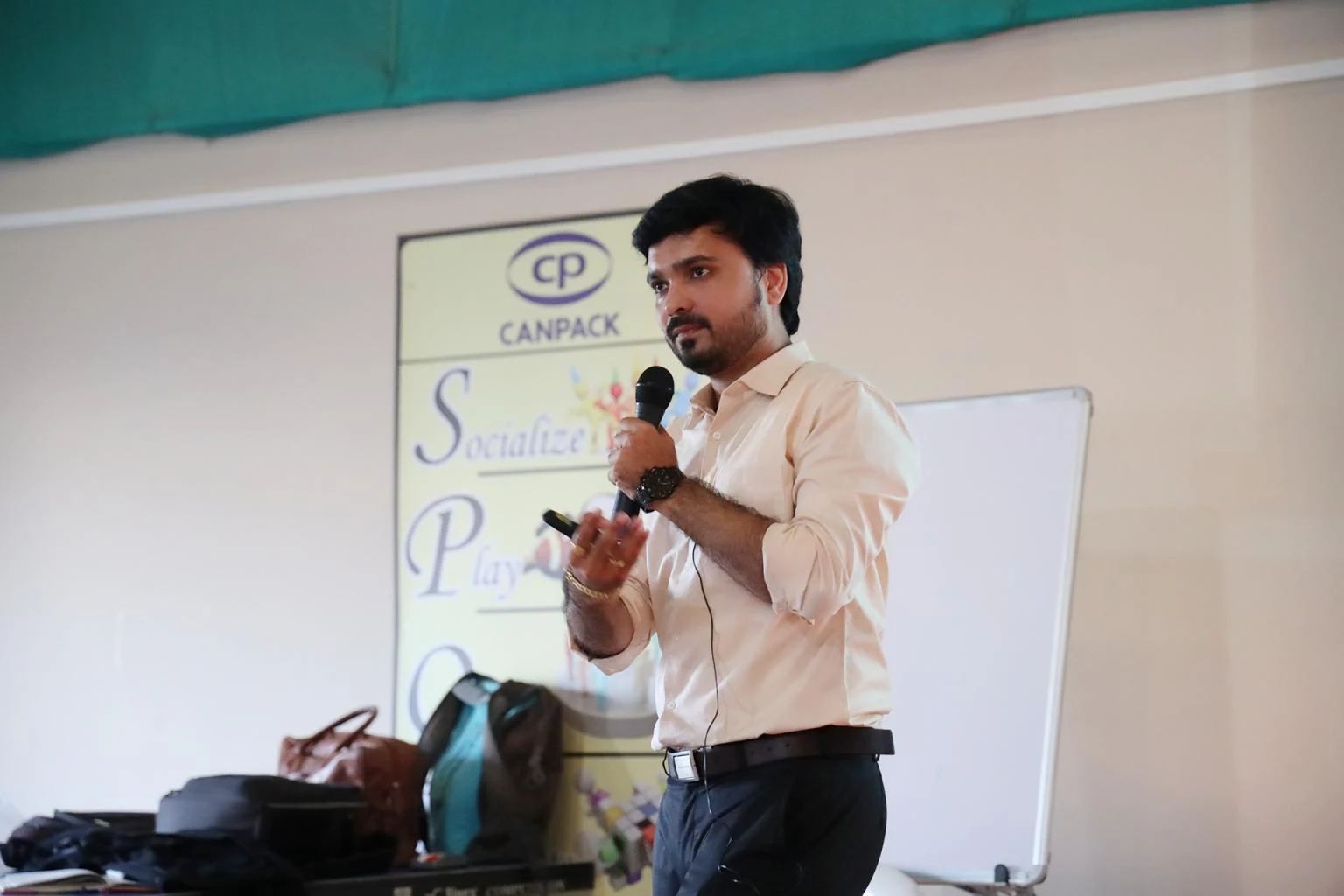
Avinash Chate - Leadership Development Expert training management team
Why Loyalty Alone Can Leave You Drained: The Hidden Cost of Giving Your Best Without ResultsI have met many professionals who say the same thing in different words: I am loyal, I work hard, I stay committed, so why do I still feel exhausted and unfulfilled? It is a painful question because it challenges a belief most of us grow up with. We are taught that if we stay sincere, patient, and dedicated, success will surely follow.
Key takeaway: Loyalty is a strength, but when loyalty is not supported by growth, clarity, and results, it can slowly turn into emotional baggage.
When I reflected on this idea, I was reminded of how even high-performing people can feel drained despite long-term commitment. In workplaces too, I see employees who have given years of service, protected team culture, stayed through difficult phases, and still carry a deep sense of fatigue. They are not weak. They are overloaded by what I call the loyalty baggage paradox.
As Avinash Chate, a TEDx speaker and author of The Winning Edge, I have seen this pattern across 80+ organizations. Commitment is admirable, but commitment without renewal can become silent burnout. That is why this conversation matters for every professional, team leader, and business owner.
What Is the Loyalty Baggage Paradox?
The loyalty baggage paradox happens when a person keeps giving their best to a role, team, or organization for a long period, but the emotional return does not match the effort invested. On the outside, they look dependable. On the inside, they feel depleted.
This does not happen because loyalty is wrong. It happens because loyalty is often celebrated without asking deeper questions. Am I growing? Am I learning? Is my contribution creating meaningful outcomes? Is my energy being replenished?
When these questions remain unanswered, loyalty becomes heavy. A person starts carrying expectations, disappointments, invisible pressure, and a fear of letting others down. Slowly, their identity gets tied to staying, enduring, and sacrificing. That is when dedication stops feeling inspiring and starts feeling draining.
I have seen this in corporate teams where people remain committed for years but lose freshness, initiative, and inner motivation. They keep functioning, but they stop feeling alive in their work.
Why Hardworking People Feel Exhausted Even When They Are Doing the Right Things
One of the biggest myths in professional life is that effort alone guarantees fulfillment. Effort matters, but effort without emotional balance creates fatigue. Many sincere professionals are not tired because they are lazy. They are tired because they have been carrying too much internally for too long.
Here are a few reasons this happens.
- They confuse loyalty with self-neglect. They keep saying yes, keep adjusting, and keep stretching themselves, believing that sacrifice is the only proof of commitment.
- They attach their self-worth to outcomes they cannot fully control. Even when they perform well, they feel defeated if the larger result does not come.
- They do not pause to recover. Continuous giving without reflection or renewal drains emotional stamina.
- They carry unspoken disappointment. They expected their dedication to be recognized, rewarded, or fulfilled in a certain way. When that does not happen, the pain remains hidden.
In my sessions, I often tell leaders and employees that endurance is valuable, but endurance without awareness is dangerous. If you are always pushing and never processing, your commitment will eventually start consuming you.
Loyalty should strengthen your character, not slowly exhaust your spirit.
How to Stay Committed Without Becoming Emotionally Burdened
This is where maturity matters. I am not suggesting that people should quit at the first sign of struggle. Growth requires patience. Teams need stability. Organizations value committed people. But there is a difference between healthy perseverance and unhealthy emotional overinvestment.
I often use principles from the KITE Leadership Framework to explain this balance. Strong professionals need four things: clarity in direction, inner resilience, trust in relationships, and execution with energy. If even one of these is missing for too long, performance begins to suffer.
To stay committed without becoming burdened, start with these shifts.
- Separate loyalty from identity. You can be deeply committed without making one role the entire definition of who you are.
- Review your growth honestly. Ask whether your current effort is helping you evolve in skill, confidence, and contribution.
- Create recovery points. Strategic breaks are not signs of weakness. They are signs of wisdom.
- Speak before you silently suffer. Honest conversations with mentors, managers, or family can reduce emotional pressure.
- Redefine success. Sometimes success is not just staying. Sometimes success is stepping back, resetting, and returning stronger.
Avinash Chate has often emphasized in leadership interventions that resilience is not about endless tolerance. It is about knowing when to persist, when to pause, and when to realign.
Why Strategic Breaks Can Protect Performance
In many corporate cultures, people feel guilty about taking a break. They assume that slowing down means they are losing momentum. But in reality, a thoughtful pause can prevent deeper exhaustion. A break is not always about leaving a job or making a dramatic move. Sometimes it means taking time to reflect, reset priorities, rebuild health, or emotionally detach from unhealthy pressure.
I have worked with teams in organizations such as Rajginagar Sahakari bank, where one of the most important leadership lessons is this: people perform better when they feel psychologically renewed, not just professionally occupied.
A strategic break helps you ask better questions. What is draining me? What am I trying to prove? What expectations am I carrying? What kind of contribution do I want to make from this point onward?
These questions create clarity. And clarity reduces emotional exhaustion.
If you want to understand how leaders can create healthier cultures by releasing ego and control, I recommend reading When Leaders Let Go, Organizations Grow: The Ego Liquidation Strategy. If you want a wider perspective on modern leadership expectations, explore 10 Essential Leadership Traits for a Post-Pandemic Business Landscape. And if your growth journey requires stronger people skills, do read Stop Chasing Only Technical Skills: Learn Sales and People Management to Grow Faster.
What Leaders Must Learn From This Pattern
This issue is not only personal. It is also cultural. Many organizations unknowingly reward silent suffering. They praise people for being available all the time, adjusting endlessly, and carrying pressure without complaint. Over time, this creates teams that look stable but feel emotionally tired.
Leaders must learn to identify the difference between engagement and depletion. A loyal employee is not always an energized employee. A dependable team member may be carrying disappointment, fatigue, and emotional overload behind a calm face.
As Avinash Chate, I believe leaders must create spaces where people can discuss energy, motivation, and emotional sustainability without fear. That is real people development. That is real leadership.
When leaders normalize reflection, recovery, and honest dialogue, they protect performance for the long term. They also help people stay committed in a healthier way.
My Final Message: Be Loyal, But Stay Alive Within
I want every hardworking professional to remember this: your loyalty is valuable, but your energy is precious. Do not let your sincerity become a burden you drag for years. Do not assume that feeling drained is the price of being committed. It is not.
You can be loyal and still ask for clarity. You can be dedicated and still take a break. You can give your best and still protect your mental and emotional strength.
That is the kind of balanced growth I teach in my corporate training sessions. As a TEDx speaker, author of The Winning Edge, and someone who has worked with leaders and teams across industries, Avinash Chate continues to advocate one simple truth: sustainable success is built not just on hard work, but on self-awareness, emotional strength, and wise choices.
If you want to build a more motivated, resilient, and people-focused workplace, book a corporate training session with Avinash Chate.
Frequently Asked Questions
What does the loyalty baggage paradox mean?
It means a person stays deeply committed for a long time, but instead of feeling fulfilled, they begin to feel emotionally burdened because growth, recognition, or meaningful results are missing.
Can loyalty become harmful in professional life?
Loyalty itself is not harmful, but when it leads to self-neglect, silent disappointment, and emotional exhaustion, it can reduce motivation, confidence, and performance.
How do I know if I need a strategic break?
If you feel constantly drained, disconnected from your purpose, and unable to recover even after rest, it may be time to pause, reflect, and realign your energy and priorities.
What should leaders do when loyal employees seem exhausted?
Leaders should create open conversations, reduce unhealthy pressure, recognize emotional fatigue early, and support employees with clarity, encouragement, and realistic expectations.
How can corporate training help with emotional exhaustion at work?
Corporate training helps teams build self-awareness, communication, resilience, and leadership habits that improve motivation and prevent long-term emotional burnout.
Related Articles by Avinash Chate
- The Mirroring Technique That Helps You Build Trust and Close More Deals
- Motivational Speaker for Pune BPO and KPO Night-Shift Teams — Combating Burnout and Boosting Engagement
- Micro Management vs Ownership: Lessons for Maharashtra's Corporate Leaders
About the Author
Avinash Chate is a TEDx speaker, published author of The Winning Edge and The Unanswered, and founder of The Future Corporate & Business Coaching. With over 15 years of experience training 80+ organizations including Aurus Group Real Estate, Mauli Sahkari Patsanstha Marya, Ellora Natural Seed Pvt Ltd, Sports Authority of India, Avinash is recognized as Maharashtra's leading corporate trainer. He created the KITE Leadership Framework and the 25-Star Competency Framework™, delivering high-impact programs across leadership, team building, sales transformation, and emotional intelligence.
📞 +91 8793630001 | ✉️ connect@avinashchate.com | 🌐 avinashchate.com
Book Avinash Chate for Your Next Event
Maharashtra's #1 Corporate Trainer · India's leading Motivational Speaker & Team Building Expert · 2x TEDx · Available across India in English, Hindi & Marathi.
✅ Thanks! Avinash team will reach out within 24 hours.'}).catch(function(e){f.outerHTML='Something went wrong. WhatsApp +91 8793630001
'});return false;"> Select Service Motivational Speaking / Keynote Team Building Workshop Corporate Training / Leadership Development Manager Development Employee Training Outbound Training Book Avinash Now →Or WhatsApp directly: +91 87936 30001
Avinash Chate services
Corporate Trainer in Maharashtra · Top Corporate Trainers in Maharashtra · Leadership Trainer in Maharashtra · Top Leadership Trainers in Maharashtra · Team Building Trainer in Maharashtra · Top Team Building Trainers in Maharashtra · Motivational Speaker in Maharashtra · Top Motivational Speakers in Maharashtra · All service locations
← Back to all articles · Book Avinash Chate
By Avinash Chate — Maharashtra’s #1 Corporate Trainer & Motivational Speaker. .