Corporate Motivation for Nashik’s Government and PSU Workforce: Inspiring Public Sector Engagement
I explore how corporate motivation can strengthen engagement, ownership, teamwork, and service excellence across Nashik’s government and PSU workforce, including contexts like Currency Note Press and Indian Security Press.
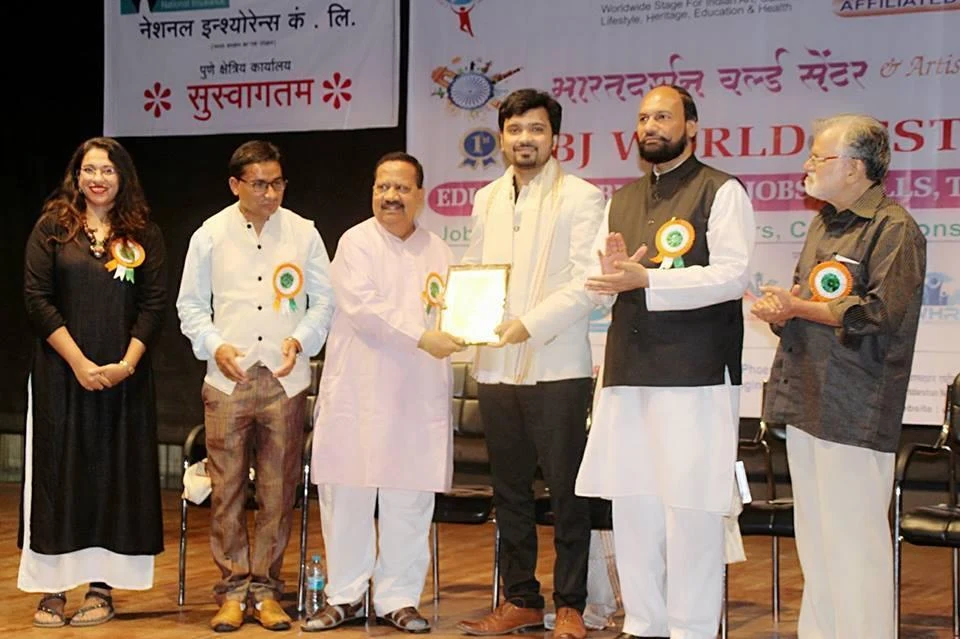
Avinash Chate - Team Building Expert conducting interactive workshop
Corporate Motivation in Nashik for Government and PSU Workforce ExcellenceWhen I speak about corporate motivation in Nashik, I do not see it as a one-time speech or a high-energy event. I see it as a practical process of helping people reconnect with purpose, responsibility, teamwork, and pride in their contribution. This is especially important for government teams and PSU professionals working in environments where discipline, consistency, and public trust matter deeply.
Key takeaway: motivation in the public sector is not about hype; it is about building ownership, morale, communication, and service mindset that sustain performance over time.
Over the years, I, Avinash Chate, have worked with professionals across 80+ organizations, and one truth stands out: every workforce performs better when people feel respected, aligned, and inspired. Whether the setting is a manufacturing unit, a public institution, or a large government-linked establishment, human motivation remains the foundation of productivity.
As a TEDx speaker and author of The Winning Edge, I have seen how powerful the right message can be when it is rooted in real workplace challenges. In Nashik, where institutions such as Currency Note Press and Indian Security Press represent discipline, national importance, and operational seriousness, motivation must be meaningful, dignified, and relevant to the public sector environment.
Why Corporate Motivation Matters in Government and PSU Workplaces
Government and PSU teams often work under structured systems, defined processes, and high accountability. In such environments, many leaders assume that policies alone can drive performance. My experience says otherwise. Policies create structure, but motivation creates commitment.
Employees in public sector institutions need more than instructions. They need clarity of purpose, emotional connection to their role, and a sense that their effort matters. When motivation is low, teams may continue to function, but energy drops, communication weakens, and initiative disappears. When motivation is high, people become more proactive, collaborative, and responsible.
In Nashik, this becomes even more relevant because the city has a strong mix of industrial, administrative, and public sector culture. Teams here value sincerity, respect, and practical training. That is why my approach to corporate motivation is never superficial. I focus on mindset, accountability, interpersonal trust, and workplace pride.
I have found that public sector engagement improves significantly when employees are reminded that their work is not routine alone. It is service. It is contribution. It is responsibility toward society and the nation.
The Real Motivation Challenges in Public Sector Teams
Many government and PSU teams are filled with capable people, but capability does not automatically translate into engagement. I often observe a few recurring challenges: monotony, communication gaps, low recognition, resistance to change, and a feeling that individual effort goes unnoticed.
In institutions such as Currency Note Press and Indian Security Press, the nature of work demands precision and consistency. That is a strength. But over time, even highly disciplined teams can experience emotional fatigue if motivation is not actively nurtured. People may begin to do their duty without feeling connected to the larger mission.
This is where structured motivational interventions become valuable. In my sessions, I help participants reflect on questions such as: Why does my role matter? How do I influence team morale? What does ownership look like in a public sector setting? How can I communicate with greater maturity and respect?
These questions shift the conversation from passive attendance to active engagement. I have seen this transformation in many organizations, including assignments with clients like Veritas Engineering & Erectors, where people-focused learning created stronger alignment and morale.
When I work with teams, I often draw from the KITE Leadership Framework to simplify action. People respond well when motivation is translated into clear behavioral anchors such as knowledge, initiative, trust, and execution. Public sector teams do not need abstract inspiration. They need practical motivation that improves workplace behavior.
My Approach to Corporate Motivation for Nashik’s Public Sector Workforce
My sessions are designed to respect the culture and seriousness of government and PSU institutions. I do not believe in motivation that is loud but short-lived. I believe in motivation that changes attitude, strengthens communication, and improves ownership.
First, I focus on purpose. Employees must reconnect with the value of their role. In public institutions, this is especially powerful because the work carries broader significance. When people see their role as contribution rather than mere routine, their mindset changes.
Second, I focus on dignity and respect. Motivation rises when employees feel seen, heard, and valued. Leaders in PSU and government settings often underestimate how much respectful communication influences morale. A culture of appreciation does not weaken discipline; it strengthens commitment.
Third, I focus on team cohesion. Many workplace issues are not caused by lack of skill but by poor coordination, assumptions, and silo thinking. Motivation grows when teams understand one another better and work with shared intent.
Fourth, I focus on personal responsibility. One of the most important motivational messages I share is this: we cannot always control the system, but we can control our attitude, effort, and professionalism. That shift alone creates better workplace energy.
Motivation becomes sustainable when people stop asking, “What is my job?” and start asking, “How can I add value through my job?”
This is the philosophy I bring as Avinash Chate in every training room. I want people to leave with renewed energy, but also with practical habits they can apply from the next working day.
Leadership, Communication, and Engagement Go Together
In every government or PSU workforce, leadership plays a decisive role in motivation. Employees may join an institution for stability and purpose, but they stay engaged because of the environment created by their leaders. A motivated workforce does not happen by accident. It is shaped by communication, fairness, and example.
I often tell managers and senior officers that motivation is not only the responsibility of an external speaker or trainer. It is a daily leadership behavior. The way leaders listen, appreciate, guide, and correct people has a direct impact on morale.
Communication is equally important. In many teams, confusion is not caused by lack of intelligence but by lack of clarity. When communication is respectful and transparent, trust improves. When trust improves, teamwork improves. When teamwork improves, motivation becomes visible in performance.
This is why corporate motivation cannot be separated from soft skills and leadership development. In Nashik, especially in structured institutional settings, communication maturity is one of the strongest drivers of engagement. Employees want direction, but they also want meaning. They want accountability, but they also want encouragement.
If you want to understand how organizations evaluate trainers before planning such interventions, I recommend reading 10 Questions to Ask Before Hiring a Corporate Trainer in Maharashtra. It helps decision-makers choose programs that create lasting impact rather than temporary excitement.
Building Pride and Service Mindset in Public Institutions
One of the most powerful aspects of motivational work in the public sector is helping employees rediscover pride. Pride is not ego. Pride is the quiet confidence that comes from knowing your work matters. In institutions connected to public trust and national responsibility, this pride can become a tremendous source of energy.
When I address teams, I often speak about service mindset. Even when the role is operational or process-driven, every employee contributes to a larger chain of public value. This understanding creates emotional ownership. It also improves discipline because people begin to see standards not as burdens, but as part of their responsibility.
Avinash Chate believes that motivation in public institutions must honor both the individual and the institution. The employee must feel empowered, and the institution must feel respected. That balance creates healthy engagement.
I also encourage teams to learn from wider social realities. For example, when we think deeply about responsibility and human development, perspectives expand. A meaningful read in this direction is Why Children from Sugarcane Worker Families Leave School—and What We Must Change. Such reflection strengthens empathy, purpose, and social awareness, which are valuable qualities in any public-facing workforce.
For readers exploring public sector and government-facing motivational contexts further, this resource is also useful: Best Motivational Speaker in Lucknow for UP Government Training Programs.
Why Nashik Organizations Need Human-Centered Motivation Now
Nashik continues to grow as a city of industrial importance, institutional relevance, and professional aspiration. In such an environment, government bodies and PSUs cannot rely only on procedures to maintain excellence. They need energized people, emotionally mature teams, and leaders who can inspire commitment.
This is why I believe the future of workplace excellence in Nashik depends on human-centered development. Motivation is not separate from productivity. It is the emotional engine behind productivity. It influences attendance, attitude, collaboration, accountability, and resilience.
As Avinash Chate, I bring first-hand experience from diverse training environments, but the principle remains the same everywhere: people perform at their best when they feel purposeful, capable, and connected. For government and PSU teams, this matters even more because their work carries public significance.
If your institution wants to strengthen morale, improve team spirit, develop ownership, and create a more engaged workforce, this is the right time to invest in meaningful learning experiences. Book a corporate training session in Nashik to build a motivated, responsible, and high-performing workforce.
Frequently Asked Questions
Why is corporate motivation important for government and PSU teams in Nashik?
Corporate motivation helps government and PSU teams in Nashik improve morale, ownership, teamwork, and service mindset. It supports employees in staying engaged with their responsibilities while maintaining discipline and accountability.
Can motivational training work for institutions like Currency Note Press and Indian Security Press in Nashik?
Yes. Motivational training is highly relevant for structured institutions because it strengthens workplace pride, communication, team alignment, and personal responsibility without compromising the seriousness of the work environment.
What topics are covered in a public sector motivational session?
A strong public sector motivational session may cover purpose at work, ownership, teamwork, communication, leadership behavior, morale, accountability, service mindset, and personal growth in the workplace.
How is your motivational approach different for PSU and government employees?
My approach is practical, respectful, and context-driven. I focus on real workplace behavior, emotional engagement, communication, and responsibility rather than only high-energy inspiration. The goal is lasting impact.
How can organizations book a corporate motivation session in Nashik?
Organizations can book a corporate training session in Nashik by reaching out through avinashchate.com for a customized motivational program designed for government departments, PSU teams, leadership groups, and employee engagement initiatives.
Related Articles by Avinash Chate
- Why Corporate Success Feels Empty and What Truly Makes It Meaningful
- Why Financial Stability Comes Before Real Leadership
- How to Understand Your Boss and Team Psychology for Better Workplace Relationships
About the Author
Avinash Chate is a TEDx speaker, published author of The Winning Edge and The Unanswered, and founder of The Future Corporate & Business Coaching. With over 15 years of experience training 80+ organizations including Matchwell Engineering, Perfexan Chem Pvt. Ltd, Ellora Natural Seed Pvt Ltd, Kaeser Compressors India, Avinash is recognized as Maharashtra's leading corporate trainer. He created the KITE Leadership Framework and the 25-Star Competency Framework™, delivering high-impact programs across leadership, team building, sales transformation, and emotional intelligence.
📞 +91 8793630001 | ✉️ connect@avinashchate.com | 🌐 avinashchate.com
Book Avinash Chate for Your Next Event
Maharashtra's #1 Corporate Trainer · India's leading Motivational Speaker & Team Building Expert · 2x TEDx · Available across India in English, Hindi & Marathi.
✅ Thanks! Avinash team will reach out within 24 hours.'}).catch(function(e){f.outerHTML='Something went wrong. WhatsApp +91 8793630001
'});return false;"> Select Service Motivational Speaking / Keynote Team Building Workshop Corporate Training / Leadership Development Manager Development Employee Training Outbound Training Book Avinash Now →Or WhatsApp directly: +91 87936 30001
Avinash Chate services
Corporate Trainer in Nashik · Top Corporate Trainers in Maharashtra · Leadership Trainer in Nashik · Top Leadership Trainers in Maharashtra · Team Building Trainer in Nashik · Top Team Building Trainers in Maharashtra · Motivational Speaker in Nashik · Top Motivational Speakers in Maharashtra · All service locations
← Back to all articles · Book Avinash Chate
By Avinash Chate — Maharashtra’s #1 Corporate Trainer & Motivational Speaker. .