AJIT PAWAR'S CONTROVERSIAL STATEMENT REVEALS A BITTER TRUTH ABOUT YOUR WORKPLACE
Maharashtra Deputy CM Ajit Pawar told voters: "You have voting power, I have funding power. If my candidates lose, I'll cut the funds." Sound familiar? Your bos...
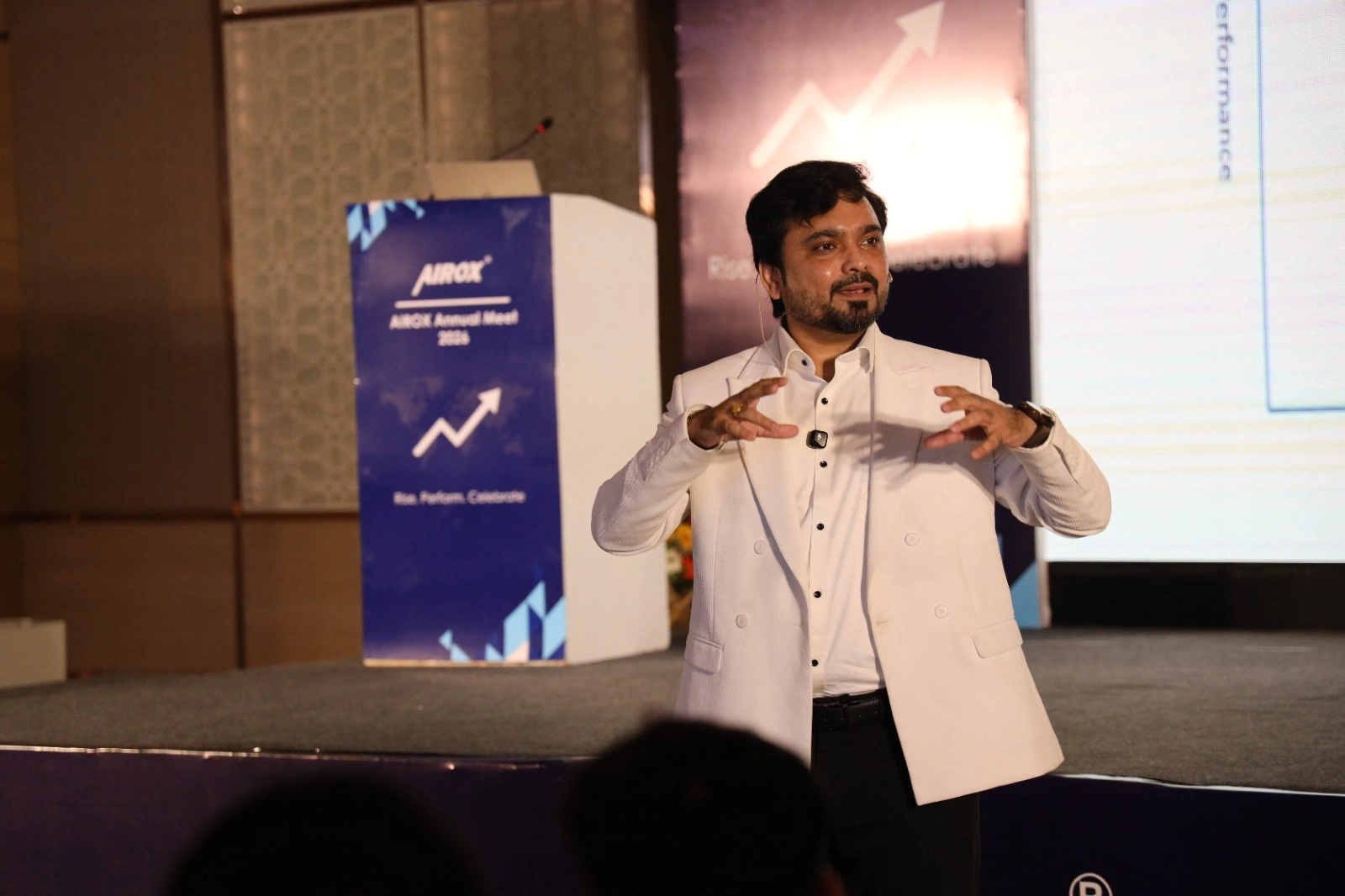
Avinash Chate - Best Corporate Trainer India - OXYGEN Framework at Airox Technologies
When Power Replaces Trust: The Bitter Workplace Truth Behind Transactional LeadershipI have always believed that leadership is tested most clearly when power is available. Anyone can sound supportive when things are going well. The real question is this: what does a leader do when people disagree, underperform, or refuse to comply? Do they build trust, or do they use fear?
Strong leadership is not built on control. It is built on credibility, fairness, and the ability to inspire people without emotionally blackmailing them.
That is why controversial public statements often become powerful lessons for the workplace. What looks like politics on the surface frequently reflects a human pattern we also see inside offices, teams, and organizations. A manager may not openly say, “Support me or lose benefits,” but many employees experience the same message in subtler forms every day.
As a corporate trainer, TEDx speaker, and author of The Winning Edge, I have worked with leaders and teams across 80+ organizations. I have seen one truth repeatedly: when relationships become purely transactional, commitment weakens. People may stay physically present, but emotionally they begin to withdraw.
In my sessions, I often remind leaders that authority can secure compliance, but only character earns trust. This is a core idea in the KITE Leadership Framework: leadership must lift people through knowledge, inspiration, trust, and execution. The moment trust disappears, the entire leadership structure becomes unstable.
Avinash Chate has consistently emphasized that healthy workplaces are not built through pressure tactics. They are built through respect, clarity, and mutual accountability. That is the bitter truth many professionals need to confront today.
The Transactional Trap in Modern Workplaces
A transactional relationship is not always wrong. Every workplace has expectations, responsibilities, targets, and rewards. If you perform well, you may earn recognition, incentives, or growth opportunities. That is fair and professional.
The problem begins when the relationship stops being professional and starts becoming manipulative. A leader begins to imply that support must be personal, not performance-based. Loyalty is demanded, not earned. Benefits are positioned as favors instead of organizational decisions. Suddenly, people are not being led; they are being controlled.
I have met employees who were told things like:
- “If I back your career, you must stand by me no matter what.”
- “I helped you once, so now I expect unquestioned loyalty.”
- “If you are not with me, do not expect support during appraisal time.”
- “You should be grateful, so do not challenge my decisions.”
These statements may sound informal, but their impact is serious. They create fear-based cultures where people stop speaking honestly. Innovation falls. Team trust drops. Performance becomes political.
Avinash Chate often says that when people feel psychologically unsafe, they do not give their best ideas, energy, or commitment. They give the minimum required for survival.
Fair Expectations vs. False Promises
This is where many professionals get confused. They ask me, “Is it wrong for a leader to expect results?” Absolutely not. Leadership without accountability is weak. Teams need standards. Organizations need ownership. Managers must evaluate performance honestly.
But there is a huge difference between fair expectations and false promises.
Fair expectations are transparent. They are connected to role clarity, measurable contribution, and shared goals. They say, “Here is what success looks like, and here is how we will support you.”
False promises are emotional traps. They say, “Stay loyal to me, and I will take care of you.” These promises are often vague, selective, and self-serving. They are designed to create dependence rather than development.
In one of my leadership conversations with professionals from Morbull Solutions, we discussed how trust grows when expectations are clear and consequences are fair. Teams do not resist discipline. They resist favoritism, hidden agendas, and emotional manipulation.
When leaders reward compliance over competence, they send a dangerous message: politics matters more than performance. And once that message spreads, even high-potential employees begin to disengage.
How Bosses Use Loyalty as a Tool of Manipulation
Let me be direct. Loyalty is a beautiful value when it is mutual, ethical, and earned over time. But in unhealthy workplaces, loyalty becomes a weapon.
I have seen leaders use loyalty in three damaging ways.
Loyalty is confused with silence
Some bosses believe that a loyal employee should never question them. But mature organizations need constructive disagreement. A team member who respectfully challenges a poor decision may actually be more committed than one who stays silent.
If leaders punish honest feedback, they do not build loyalty. They build fear.
Loyalty is demanded as repayment
Sometimes a manager gives support, mentoring, or visibility and then expects personal allegiance in return. This turns professional development into a private transaction. Growth should never come with hidden emotional debt.
Loyalty is used to isolate people
In some teams, employees are subtly divided into “my people” and “others.” This destroys collaboration. Team members stop trusting the system because they believe outcomes depend on closeness to power, not quality of work.
This is why Avinash Chate encourages leaders to build cultures where trust belongs to the institution, not just to an individual manager. Sustainable organizations cannot depend on personality-based loyalty.
What Healthy Leadership Looks Like Instead
If transactional leadership is the problem, what is the alternative? The answer is not softness. It is strength with integrity.
Healthy leadership does five things well.
- It separates people from performance. A leader can challenge output without threatening dignity.
- It communicates clearly. Expectations, support, and consequences are discussed openly.
- It rewards merit. Recognition is linked to contribution, not favoritism.
- It invites feedback. Strong leaders do not fear questions; they welcome perspective.
- It builds long-term trust. People know the leader will be fair even in difficult moments.
In my experience, employees do not expect perfection from leaders. They expect consistency. They want to know that standards will not change based on mood, ego, or political convenience.
That is why I often tell leaders: if people obey you only because you control rewards, your leadership is weaker than it appears. The real test is whether people trust you when they have a choice.
You may also find useful perspective in The Leadership Truth Behind the IAS Flag Controversy: Why Neutrality Builds Trust, where I explore how credibility grows when leaders stay principled instead of positional.
The Hidden Cost of Fear-Based Work Cultures
Many leaders underestimate the damage caused by manipulative leadership. They think, “At least the work gets done.” But the hidden costs are enormous.
Fear-based cultures create surface-level discipline and deep-level resentment. Employees may comply in meetings but disconnect internally. They stop taking initiative. They avoid ownership. They protect themselves instead of serving the team.
Over time, this leads to:
- Lower morale
- Poor collaboration
- Reduced creativity
- Higher attrition intentions
- Weak trust in managers
- A culture of silence
When people feel that every relationship is conditional, they stop investing emotionally in the organization. The workplace becomes a negotiation, not a mission.
As Avinash Chate, I strongly believe that motivation cannot survive long in an environment where respect is uncertain. Real motivation grows when people feel seen, valued, and fairly treated.
If you want to understand how inspiration can positively shift workforce energy, I recommend reading How Motivational Speaking Transforms Textile and Manufacturing Workforce Performance. It highlights how human-centered communication can unlock performance far more effectively than pressure ever can.
What Employees and Leaders Must Learn From This
For employees, the lesson is simple: do not confuse manipulation with mentorship. If someone constantly reminds you of what they have done for you in order to control your choices, that is not leadership. That is leverage.
For leaders, the lesson is even more important: stop trying to buy loyalty through favors and fear. Build trust through fairness, competence, and character. People may temporarily submit to pressure, but they give their best only to leaders they respect.
In my journey as Avinash Chate, I have learned that the most respected leaders are not those who make people dependent. They are the ones who make people stronger. They create clarity without intimidation. They hold standards without humiliation. They influence without manipulation.
Growth, especially in difficult environments, often begins with the right mindset. That is why I also encourage readers to explore What M-Pesa Teaches Us About Growth Without Resources, a powerful reminder that limitations do not have to define outcomes when leadership and belief are strong.
If you are a leader, ask yourself today: do people follow me because they trust me, or because they fear losing something? Your answer will reveal the true quality of your leadership.
If you want to build a culture of trust, accountability, motivation, and authentic leadership in your organization, book a corporate training session with Avinash Chate. As a TEDx speaker and author of The Winning Edge, I work with organizations to strengthen leadership, communication, team culture, and people performance in ways that last.
Frequently Asked Questions
What is transactional leadership in the workplace?
Transactional leadership is a style where the relationship between leader and employee is driven mainly by rewards, penalties, and conditional support. While accountability is necessary, problems arise when leaders use benefits or opportunities as tools of manipulation instead of fair performance management.
How can employees identify manipulative loyalty at work?
Employees can identify manipulative loyalty when a boss expects personal allegiance in exchange for support, discourages honest feedback, or links career growth to unquestioned obedience rather than actual performance and contribution.
What is the difference between accountability and control?
Accountability is transparent, role-based, and fair. Control becomes unhealthy when leaders create fear, use emotional pressure, or make support conditional on personal loyalty. Accountability develops people; control suppresses them.
Why do fear-based workplaces reduce performance over time?
Fear-based workplaces reduce performance because employees stop taking initiative, avoid honest communication, and focus more on self-protection than contribution. This weakens trust, collaboration, and long-term motivation.
How can leaders build trust instead of dependence?
Leaders can build trust by setting clear expectations, rewarding merit fairly, inviting feedback, treating people with dignity, and staying consistent in difficult situations. Trust grows when people experience fairness and respect, not pressure.
Related Articles by Avinash Chate
- The Mirroring Technique That Helps You Build Trust and Close More Deals
- Motivational Speaker for Pune BPO and KPO Night-Shift Teams — Combating Burnout and Boosting Engagement
- Micro Management vs Ownership: Lessons for Maharashtra's Corporate Leaders
About the Author
Avinash Chate is a TEDx speaker, published author of The Winning Edge and The Unanswered, and founder of The Future Corporate & Business Coaching. With over 15 years of experience training 80+ organizations including Sports Authority of India, Daspati Maratha Charitable Trust Mumbai, Mtech Innovation, Ellora Natural Seed Pvt Ltd, Avinash is recognized as Maharashtra's leading corporate trainer. He created the KITE Leadership Framework and the 25-Star Competency Framework™, delivering high-impact programs across leadership, team building, sales transformation, and emotional intelligence.
📞 +91 8793630001 | ✉️ connect@avinashchate.com | 🌐 avinashchate.com
Book Avinash Chate for Your Next Event
Maharashtra's #1 Corporate Trainer · India's leading Motivational Speaker & Team Building Expert · 2x TEDx · Available across India in English, Hindi & Marathi.
✅ Thanks! Avinash team will reach out within 24 hours.'}).catch(function(e){f.outerHTML='Something went wrong. WhatsApp +91 8793630001
'});return false;"> Select Service Motivational Speaking / Keynote Team Building Workshop Corporate Training / Leadership Development Manager Development Employee Training Outbound Training Book Avinash Now →Or WhatsApp directly: +91 87936 30001
Avinash Chate services
Corporate Trainer in Maharashtra · Top Corporate Trainers in Maharashtra · Leadership Trainer in Maharashtra · Top Leadership Trainers in Maharashtra · Team Building Trainer in Maharashtra · Top Team Building Trainers in Maharashtra · Motivational Speaker in Maharashtra · Top Motivational Speakers in Maharashtra · All service locations
← Back to all articles · Book Avinash Chate
By Avinash Chate — Maharashtra’s #1 Corporate Trainer & Motivational Speaker. .