AT&T Network Crash: एका छोट्या Coding Error ने 9 तास देश थांबवला | Avinash Cate
अनेक कंपन्यांमध्ये छोट्या चुका दुर्लक्षित केल्या जातात कारण त्या फार मोठ्या वाटत नाहीत. एखादी छोटी कोडिंग चूक, एक मिस्ड रिव्ह्यू, किंवा नीट टेस्टिंग न केलेली प्...
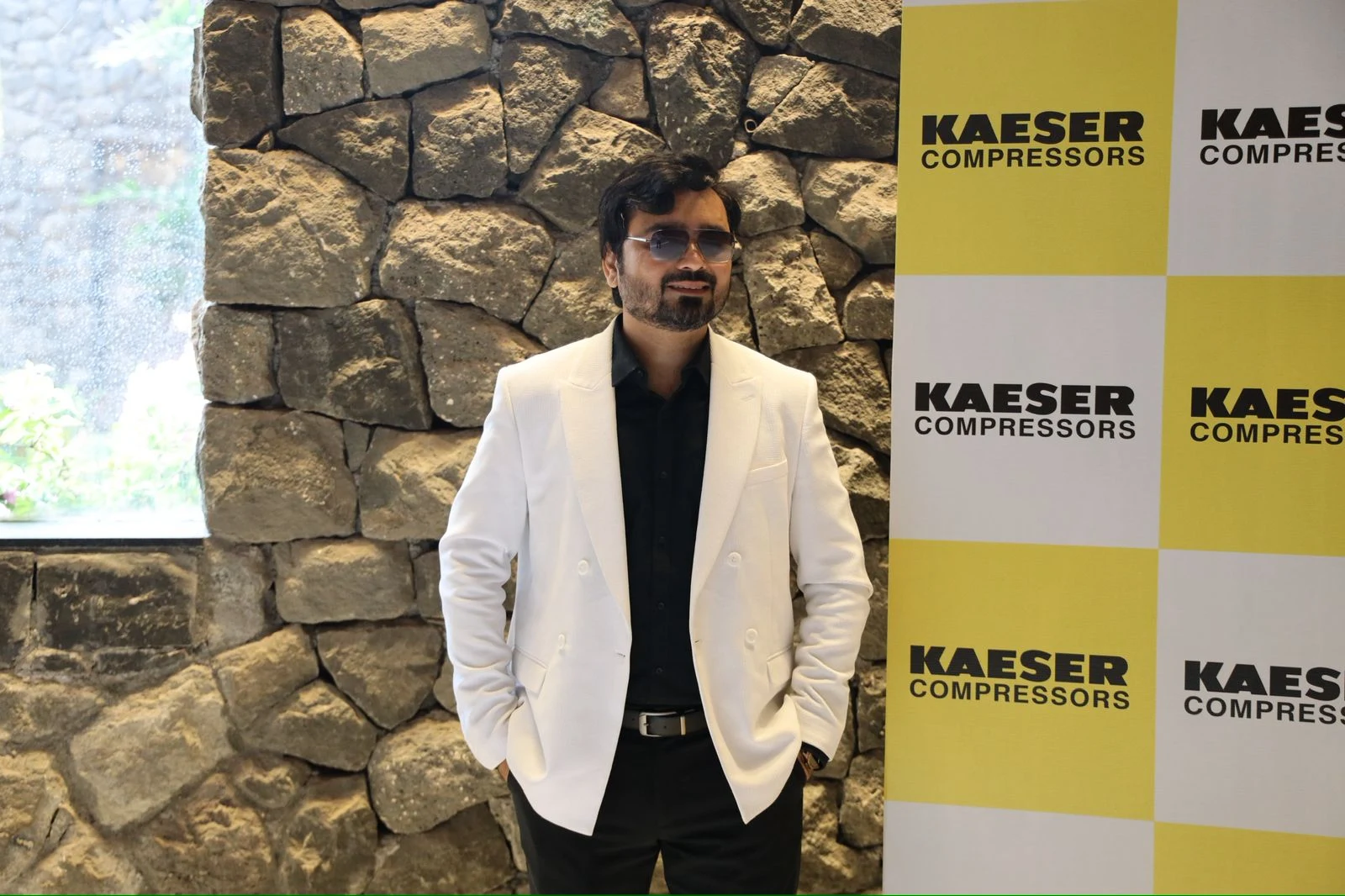
Avinash Chate - TEDx Speaker delivering keynote at corporate event
Small Mistakes, Big Consequences: What Leaders Must Learn from a Nine-Hour Business BreakdownIn every organization, I have seen one dangerous assumption repeat itself: small mistakes do not matter much. That belief is costly. A missed review, an unchecked process, a rushed approval, or a tiny oversight can quietly grow into a major business disruption.
Key takeaway: Big failures are often the final result of small ignored signals, weak communication, and a culture that normalizes “it should be fine.”
As a corporate trainer, TEDx speaker, and author of The Winning Edge, I have worked with leaders and teams across 80+ organizations, and one lesson stands out clearly: excellence is not built only through big decisions. It is built through disciplined attention to small details, responsible ownership, and timely conversations.
When people hear about a large business breakdown, they often focus only on the final incident. But the real leadership lesson lies elsewhere. The real lesson is this: what was ignored before the breakdown happened? What was assumed? What was left unchecked? What conversation never took place?
That is why this topic matters deeply to me. Avinash Chate has always believed that organizations do not rise only on strategy; they rise on culture, communication, and accountability. If we want sustainable performance, we must train people not just to act fast, but to think clearly, review carefully, and speak up early.
Why Small Errors Become Big Organizational Problems
Most business crises do not begin dramatically. They begin quietly. A small lapse is considered harmless. A process deviation is tolerated. A review is skipped because the team is under pressure. A concern is noticed but not escalated because nobody wants to appear negative.
This is how risk grows inside organizations. Not because people are always careless, but because teams sometimes become comfortable with avoidable shortcuts. Over time, what should have been corrected becomes accepted.
In my training sessions, I often tell participants that the size of the mistake is not always the issue. The issue is the system of human behavior around the mistake. Did someone notice it? Did they communicate it? Did the team pause to verify? Did the leader create psychological safety for honest reporting?
These are soft-skill questions, but they have hard business consequences.
At Perfexan Chem Pvt. Ltd, like in many growing organizations, the real differentiator is not only technical capability or market ambition. It is how people think, collaborate, and respond under pressure. Strong organizations are built by teams that do not hide small issues until they become expensive ones.
The Leadership Blind Spot: When “It’s Fine” Becomes Dangerous
One of the biggest blind spots in leadership is overconfidence in routine. When something has worked many times before, people stop questioning it. Familiarity creates comfort, and comfort can reduce alertness.
I have seen this in managers, team leaders, and even high performers. They are competent, committed, and hardworking. But somewhere along the way, they begin to trust habit more than reflection. They stop asking, “What could go wrong here?”
This is where leadership maturity becomes critical. Great leaders do not create panic, but they do create awareness. They encourage teams to review assumptions. They ask for second-level thinking. They reward honesty before they reward speed.
Avinash Chate often reminds leaders that accountability is not about blame after failure. It is about responsibility before failure. When leaders normalize review, feedback, and cross-checking, they reduce the possibility of avoidable setbacks.
If your team is afraid to raise concerns, your organization is not efficient; it is vulnerable.
The strongest teams are not the ones that never make mistakes. They are the ones that catch mistakes early, discuss them openly, and learn from them quickly.
The Human Skills That Prevent Costly Breakdowns
Whenever organizations discuss failure, they often look first at process gaps. That is important, but it is incomplete. Behind most preventable breakdowns, there are human skill gaps: unclear communication, weak ownership, poor listening, hesitation to escalate, and lack of disciplined follow-through.
That is why I believe prevention is not only a process issue. It is a people-development issue.
Here are the human skills every organization must strengthen:
- Attention to detail: People must learn that precision is not perfectionism. It is professionalism.
- Assertive communication: Team members should be able to raise doubts clearly and respectfully.
- Ownership mindset: “Someone will check it” is a dangerous attitude. Responsibility must be personal before it becomes collective.
- Review discipline: Teams need the habit of pausing, verifying, and validating before moving forward.
- Learning agility: Mistakes should become lessons, not repeated patterns.
In my work as Avinash Chate, I have seen that companies with strong soft skills are often more resilient in times of pressure. They recover faster, collaborate better, and make fewer avoidable errors because their people know how to think together, not just work together.
If this idea resonates with you, you may also enjoy From Fear to Confidence: What Truly Changes People in a Training Room, where I discuss how people transform when the right learning environment is created.
Using the KITE Leadership Framework to Build a Culture of Prevention
One framework I often draw from is the KITE Leadership Framework. It is especially useful when organizations want to move from reactive problem-solving to proactive leadership behavior.
KITE reminds us that leadership is not just about authority. It is about how people influence culture every day through their actions and decisions.
In the context of preventing small mistakes from becoming large crises, the framework becomes highly practical:
- K – Knowledge: Do people fully understand the importance of the task, the risks involved, and the standards expected?
- I – Intention: Are they approaching work with seriousness, integrity, and care, or simply trying to finish it quickly?
- T – Teamwork: Is there open communication, peer review, and mutual support, or are people working in isolated silos?
- E – Execution: Are plans being carried out with discipline, review, and accountability?
When leaders embed these four elements into the culture, they create an environment where small issues are less likely to be ignored. That is not just good management. That is intelligent leadership.
I have shared similar insights in The Hidden Ego Tax at Work: What a Viral Cricket Decision Teaches Us About Career Growth, where I explain how unchecked ego and poor judgment can silently damage performance.
What Managers Should Start Doing Immediately
If you are a manager, team leader, or business owner, you do not need to wait for a crisis to strengthen your culture. You can begin now.
- Create review checkpoints: Build simple habits of verification before important actions move ahead.
- Encourage early escalation: Teach people that raising a concern is a contribution, not a complaint.
- Reward responsibility: Appreciate those who spot risks early, not just those who fix problems later.
- Debrief without blame: When mistakes happen, ask what can be learned instead of only asking who is at fault.
- Train for judgment: Technical competence alone is not enough. People need maturity, communication, and decision-making skills.
Too many organizations celebrate firefighting. I prefer to build cultures that prevent fires.
This is where corporate training makes a measurable difference. When teams are trained in communication, ownership, leadership, and accountability, they become sharper in execution and wiser in judgment. They begin to notice what others ignore.
That is one reason many organizations also explore broader people-development conversations such as Why AURIC Smart City Companies Need a Corporate Motivational Speaker in Aurangabad, which highlights why motivation and mindset matter so much in organizational performance.
The Real Lesson: Culture Decides Whether a Small Error Stays Small
The most important lesson is not that mistakes happen. Of course they do. The real lesson is that culture decides what happens next.
In a weak culture, people hide, delay, assume, and defend. In a strong culture, people communicate, review, support, and improve.
That difference changes everything.
As Avinash Chate, I strongly believe that every organization must ask itself a difficult question: are we building a culture where people feel responsible enough to act early? Because if the answer is no, then even a small oversight can carry a very large price.
Leadership is not proven only in moments of success. It is proven in the discipline of prevention. It is proven in the courage to ask better questions, in the humility to review small things carefully, and in the commitment to build teams that care about getting things right.
If you want your people to think deeper, communicate better, and perform with greater ownership, book a corporate training session. That is how lasting excellence is built.
Frequently Asked Questions
Why do small mistakes become major business problems?
Small mistakes become major problems when they are ignored, repeated, or not communicated in time. The issue is often not the error itself but the lack of review, ownership, and escalation around it.
What leadership quality helps prevent avoidable crises?
One of the most important leadership qualities is proactive accountability. Strong leaders encourage review, invite honest feedback, and create a culture where team members feel safe raising concerns early.
How can teams reduce preventable errors at work?
Teams can reduce preventable errors by improving communication, using review checkpoints, clarifying responsibilities, and building habits of verification before important decisions or actions are finalized.
Why are soft skills important in risk prevention?
Soft skills such as communication, attention to detail, ownership, listening, and teamwork help people notice issues early and act responsibly. These skills often determine whether a small problem is solved quickly or allowed to grow.
How can corporate training help organizations build a stronger culture?
Corporate training helps teams strengthen mindset, accountability, leadership, and collaboration. It creates awareness, improves behavior, and builds the discipline needed to prevent small mistakes from becoming large business setbacks.
Related Articles by Avinash Chate
- The Power of Emotional Intelligence at Workplace in Mumbai
- The Tetra Pak Lesson: Solve the Real Problem, Not the Visible One
- Corporate Training in Nashik for Sinnar MIDC and Emerging Industrial Corridors
About the Author
Avinash Chate is a TEDx speaker, published author of The Winning Edge and The Unanswered, and founder of The Future Corporate & Business Coaching. With over 15 years of experience training 80+ organizations including Global-Tech India Pvt Ltd, Aabasaheb Kakde Educational Group of Organization, Vascon, Canpack, Avinash is recognized as Maharashtra's leading corporate trainer. He created the KITE Leadership Framework and the 25-Star Competency Framework™, delivering high-impact programs across leadership, team building, sales transformation, and emotional intelligence.
📞 +91 8793630001 | ✉️ connect@avinashchate.com | 🌐 avinashchate.com
Book Avinash Chate for Your Next Event
Maharashtra's #1 Corporate Trainer · India's leading Motivational Speaker & Team Building Expert · 2x TEDx · Available across India in English, Hindi & Marathi.
✅ Thanks! Avinash team will reach out within 24 hours.'}).catch(function(e){f.outerHTML='Something went wrong. WhatsApp +91 8793630001
'});return false;"> Select Service Motivational Speaking / Keynote Team Building Workshop Corporate Training / Leadership Development Manager Development Employee Training Outbound Training Book Avinash Now →Or WhatsApp directly: +91 87936 30001
Avinash Chate services
Corporate Trainer in Maharashtra · Top Corporate Trainers in Maharashtra · Leadership Trainer in Maharashtra · Top Leadership Trainers in Maharashtra · Team Building Trainer in Maharashtra · Top Team Building Trainers in Maharashtra · Motivational Speaker in Maharashtra · Top Motivational Speakers in Maharashtra · All service locations
← Back to all articles · Book Avinash Chate
By Avinash Chate — Maharashtra’s #1 Corporate Trainer & Motivational Speaker. .