Professionals साठी कठोर सत्य: Technical Skills पुरेशा नाहीत
आजच्या कॉर्पोरेट जगात अनेकांना वाटते की फक्त टेक्निकल स्किल्स असतील तर करिअरमध्ये यश मिळते. पण काही वर्षांनंतर अनेकांना जाणवते की प्रमोशन, पगारवाढ आणि नेतृत्वाच...
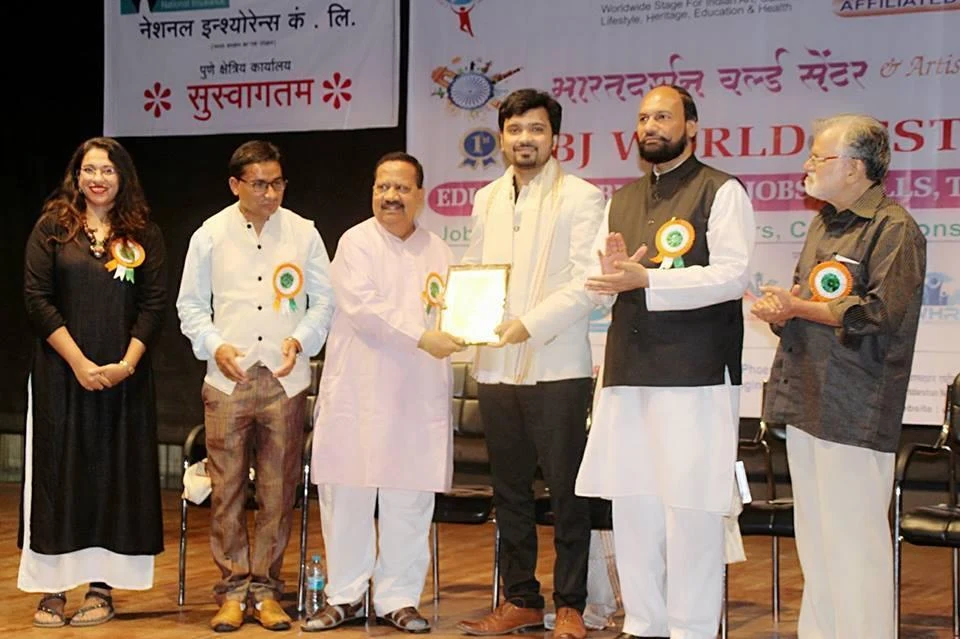
Avinash Chate - Team Building Expert conducting interactive workshop
The Hard Truth for Professionals: Technical Skills Alone Will Not Build a Great CareerOne of the biggest career myths I see is this: if you become excellent at your functional work, success will automatically follow. It sounds logical. Work hard, build expertise, deliver results, and your career should keep rising. But in the real world, that is only half the truth.
Key takeaway: technical skills may help you enter the room, but communication, influence, leadership, and people skills decide how far you go inside it.
Over the years, I have met countless professionals who are brilliant at what they do, yet they feel stuck. They wonder why promotions are slow, why leadership opportunities go to others, and why salary growth does not reflect their effort. The answer is uncomfortable but important: technical strength without human effectiveness has limitations.
As Avinash Chate, a TEDx speaker and author of The Winning Edge, I have seen this pattern across 80+ organizations. The professionals who create lasting impact are not only knowledgeable. They know how to connect, influence, present ideas clearly, build trust, and inspire action.
Why Technical Excellence Stops Being Enough After a Point
In the early stage of a career, technical competence matters a lot. It helps you perform your role, solve problems, and earn credibility. But as your responsibilities grow, your role changes. You are no longer valued only for what you can do yourself. You are valued for what you can make happen through others.
This is where many professionals struggle. They continue investing only in domain expertise while ignoring the skills that drive visibility and influence. They may know the answer, but they cannot explain it simply. They may have a strong idea, but they cannot convince stakeholders. They may be individually capable, but they cannot align a team.
That is why some highly skilled professionals remain unnoticed while others move ahead faster. It is not always because the second group is more intelligent. Often, it is because they understand people better and communicate value more effectively.
I often say this in my training sessions: every successful professional eventually becomes a salesperson or a people manager. You may not carry either title, but in practice you are constantly selling ideas, selling confidence, selling trust, and managing relationships.
If you cannot express your value, others may never fully recognize it.
The Real Career Multipliers: Communication, Influence, and Emotional Intelligence
Let us be practical. What helps a professional move from being dependable to being promotable?
The ability to communicate with clarity
The ability to listen and understand different perspectives
The ability to manage conflict without damaging relationships
The ability to present ideas with confidence
The ability to build trust across teams
The ability to stay composed under pressure
These are not “extra” skills. These are career-defining skills.
When I work with professionals and managers, I help them see that growth is rarely blocked by lack of knowledge alone. More often, it is blocked by hesitation, poor self-expression, low executive presence, weak collaboration, or the inability to influence decisions.
This is where soft skills become a serious business advantage. A person who can communicate complex ideas simply becomes more valuable. A person who can handle difficult conversations respectfully becomes more trusted. A person who can energize a team becomes leadership material.
Avinash Chate has consistently emphasized this truth in corporate training rooms: your expertise gives you credibility, but your behavior gives you reach.
Why Great Professionals Must Learn to Sell Without Feeling Like Salespeople
The word “sales” makes many professionals uncomfortable. They think selling means pushing, persuading aggressively, or sounding artificial. That is not what I mean.
Selling, in a professional context, means helping others see the value of your idea, your recommendation, your solution, or your leadership. If you want approval for a project, you are selling. If you want your team to adopt a new approach, you are selling. If you want senior leaders to trust your judgment, you are selling confidence.
The most effective professionals know how to do this with authenticity. They do not manipulate. They communicate with clarity, logic, empathy, and conviction.
In one of my interactions with teams from Thyrocare, I saw how high-performing professionals became even more effective when they learned to articulate value, build stronger internal relationships, and align people around outcomes. Their technical understanding was already strong. What changed their impact was the way they connected with others.
This is why I encourage professionals to stop thinking in narrow role definitions. Do not say, “I am only from operations,” or “I am only from finance,” or “I am only from a technical background.” If your career matters to you, then communication and influence are part of your job.
Leadership Begins Before the Designation Arrives
Many people wait for a title before they start behaving like leaders. That is a mistake. Leadership is first seen in attitude, ownership, communication, and consistency.
You do not need a formal team to demonstrate leadership. You can show leadership when you take initiative, solve problems collaboratively, support others, and remain accountable. You can show leadership when you speak with clarity in meetings, when you handle pressure maturely, and when you create confidence in uncertain situations.
In my work as Avinash Chate, I often draw from the KITE Leadership Framework to explain sustainable leadership growth. KITE reminds us that leadership is not about position alone. It is about the ability to create direction, inspire trust, take initiative, and elevate execution through people.
Professionals who rise steadily are those who understand this early. They do not wait to be told. They prepare themselves for larger responsibility by developing a stronger mindset, better communication habits, and a more collaborative approach.
If you want to be seen as leadership material, ask yourself:
Do people feel clarity after speaking with me?
Do I make problem-solving easier or more complicated?
Do I build trust consistently?
Can I influence without authority?
Do I help others perform better?
Your answers will tell you more about your future than your technical qualifications alone.
How to Start Building the Skills That Actually Accelerate Growth
The good news is this: these skills can be learned. You do not need to change your personality. You need to strengthen your professional effectiveness.
Start with communication. Learn to express your thoughts in a structured way. Speak with purpose, not just information. Focus on clarity, brevity, and relevance.
Then work on listening. The best professionals are not only good speakers. They are excellent listeners. They understand context, emotions, and unstated concerns. This helps them respond better and build stronger relationships.
Next, improve your confidence in visibility moments. Meetings, presentations, reviews, and discussions with seniors are not routine events. They are opportunities to shape perception. Prepare for them seriously.
Also, develop emotional intelligence. Notice how you react under stress. Notice how you handle disagreement. Notice whether your communication creates resistance or respect. Self-awareness is one of the strongest foundations of professional growth.
Finally, invest in team effectiveness. Even if you are an individual contributor today, your future growth will depend on your ability to work with different personalities, align expectations, and contribute beyond your own task list.
If you want to deepen this understanding, I also recommend reading Corporate Motivational Speaker for Kharadi and Magarpatta Tech Parks in Pune: Tackling Attrition and Hybrid Work Challenges, Why Cultural Sensitivity Is Essential in Corporate Training Programs, and How to Measure the ROI of Your Corporate Training Programs Without Guesswork. Each of these topics reinforces a simple truth: organizations grow when people grow.
The Professional Edge That Creates Long-Term Success
Let me say this as clearly as possible: I am not asking you to ignore technical skills. They matter. They are essential. But they are not sufficient for long-term career success.
The real edge comes when expertise is combined with communication, maturity, confidence, empathy, and leadership presence. That is when careers accelerate. That is when opportunities expand. That is when professionals stop being replaceable contributors and start becoming trusted value creators.
Avinash Chate believes that every professional has more potential than their current role reflects. But unlocking that potential requires a shift. Stop asking only, “How do I become better at my work?” Also ask, “How do I become better with people, better at influence, and better at leading outcomes?”
That is the hard truth. And it is also the opportunity.
If you are an individual professional, a manager, or an organization that wants to build stronger communication, leadership, motivation, and people effectiveness, book a corporate training session. The fastest way to grow results is to grow people.
Frequently Asked Questions
Why are technical skills alone not enough for career growth?
Technical skills help you perform your role well, but career growth also depends on communication, influence, collaboration, and leadership presence. As responsibilities increase, your success depends more on how effectively you work with and through people.
What soft skills matter most for professionals?
The most important soft skills include communication, emotional intelligence, listening, conflict management, presentation skills, relationship building, and the ability to influence others with clarity and confidence.
Can introverts also become strong leaders and communicators?
Yes, absolutely. Effective leadership is not about being loud. It is about being clear, trustworthy, thoughtful, and consistent. Introverts can become excellent communicators and leaders by developing structure, confidence, and presence.
How can professionals improve their people skills quickly?
Start by improving self-awareness, listening actively, communicating more clearly, preparing better for important conversations, and learning to understand different personalities. Consistent practice and professional training can accelerate this growth.
How can organizations help employees grow beyond technical expertise?
Organizations can invest in focused corporate training on communication, leadership, team building, motivation, and interpersonal effectiveness. This helps employees become more collaborative, confident, and ready for larger responsibilities.
Related Articles by Avinash Chate
- The Power of Emotional Intelligence at Workplace in Mumbai
- The Tetra Pak Lesson: Solve the Real Problem, Not the Visible One
- Corporate Training in Nashik for Sinnar MIDC and Emerging Industrial Corridors
About the Author
Avinash Chate is a TEDx speaker, published author of The Winning Edge and The Unanswered, and founder of The Future Corporate & Business Coaching. With over 15 years of experience training 80+ organizations including Gadharva Finchart Enterprises LLP, Global-Tech India Pvt Ltd, USK agro science, Kaeser Compressors India, Avinash is recognized as Maharashtra's leading corporate trainer. He created the KITE Leadership Framework and the 25-Star Competency Framework™, delivering high-impact programs across leadership, team building, sales transformation, and emotional intelligence.
📞 +91 8793630001 | ✉️ connect@avinashchate.com | 🌐 avinashchate.com
Book Avinash Chate for Your Next Event
Maharashtra's #1 Corporate Trainer · India's leading Motivational Speaker & Team Building Expert · 2x TEDx · Available across India in English, Hindi & Marathi.
✅ Thanks! Avinash team will reach out within 24 hours.'}).catch(function(e){f.outerHTML='Something went wrong. WhatsApp +91 8793630001
'});return false;"> Select Service Motivational Speaking / Keynote Team Building Workshop Corporate Training / Leadership Development Manager Development Employee Training Outbound Training Book Avinash Now →Or WhatsApp directly: +91 87936 30001
Avinash Chate services
Corporate Trainer in Maharashtra · Top Corporate Trainers in Maharashtra · Leadership Trainer in Maharashtra · Top Leadership Trainers in Maharashtra · Team Building Trainer in Maharashtra · Top Team Building Trainers in Maharashtra · Motivational Speaker in Maharashtra · Top Motivational Speakers in Maharashtra · All service locations
← Back to all articles · Book Avinash Chate
By Avinash Chate — Maharashtra’s #1 Corporate Trainer & Motivational Speaker. .