Behavioural Trainer in Pune
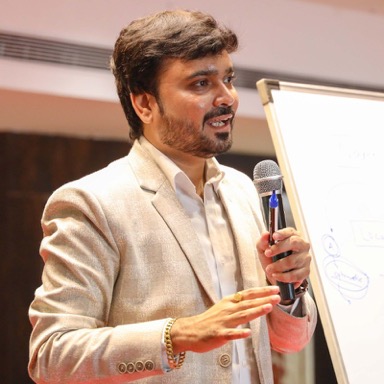
Pune is Avinash Chate's home base. TEDx speaker and creator of The Winning Kite (KITE) framework, Avinash runs corporate behaviour change programs across Hinjewadi IT, Chakan auto and Talegaon-Pimpri manufacturing. Sessions run in English, Hindi and Marathi.
English, Hindi and Marathi
Why Pune Corporates Need Behavioural Training
Pune is three industrial belts stitched together. Hinjewadi runs captive IT delivery on sprint reviews and on-call fatigue. Chakan and Ranjangaon host tier-1 auto OEMs where milestone reviews dominate. Talegaon, Pimpri-Chinchwad and Bhosari run heavy manufacturing where shift handovers and safety leadership are non-negotiable. The friction across these belts is rarely a skills gap — it is a behaviour gap. Behavioural training is what closes it.
Avinash's Behavioural Training Approach
The practice is anchored in two diagnostic instruments and one philosophy — behaviour is observable and changeable, but only with deliberate reinforcement.
The KITE Framework
The Winning Kite anchors every program across four pillars — EQ (emotional intelligence), RQ (relationships and trust), PQ (performance and delivery rituals) and Achievement (the 90-day scorecard that converts insight into outcomes). Read more at the KITE Leadership Framework.
The 25-Star Competency Framework
Pune cohorts are pre-scored across 25 observable workplace behaviours. The diagnostic decides which competencies the cohort actually needs to lift; the program does not run generic.
Behavioural Diagnostics
Pre-program interviews with the sponsor and a one-page diagnostic naming the actual behaviour gap. The flagship program is Becoming A Star At The Workplace.
Formats Available in Pune
Keynote for town-halls. Half-day for a focused reset on one KITE pillar. 1-day in-house at Hinjewadi, Kharadi, Chakan or Talegaon. 2-day residential at Lonavala or Khandala for senior leadership and post-appraisal resets. Hybrid formats for distributed teams.
Recent Behavioural Engagement in Pune
A Chakan-based auto-component manufacturer recently ran a 2-day residential at Lonavala for 38 plant supervisors. The brief was sharp — rejection rates had crept up over two quarters, and the root cause was behavioural: supervisors avoided escalating quality calls upward, and plant heads dismissed shop-floor flags as noise. We anchored the engagement in the KITE framework, opening with EQ on disagreement etiquette, then RQ rebuilding through cross-shift challenges. PQ converted insight into three concrete rituals — a shift-handover checklist, a 10-minute escalation huddle, and a Friday quality retrospective. The cohort signed a 90-day behavioural scorecard before leaving. At the 30 and 60-day pulses, escalation frequency had doubled and rejection rates narrowed.
Frequently Asked Questions
What is behavioural training?
Behavioural training is structured behaviour change — not motivation, not a workshop high. It diagnoses the actual habits, default responses and team norms holding a cohort back, then rewires them through deliberate practice, debriefs and 90-day reinforcement. Avinash Chate's practice anchors every program in the KITE framework (EQ + RQ + PQ + Achievement) and the 25-Star Competency Framework so behaviour shifts are observable, not just felt.
How long is a behavioural training program in Pune?
Formats range from a 90-minute keynote at a Hinjewadi tech park, to a half-day or 1-day in-house at Chakan or Talegaon plants, to a 2-day residential at Lonavala or Khandala. Most Pune HR partners pick a 1-day in-house for first cohorts and a 2-day residential for senior leadership or post-appraisal resets.
Can sessions be delivered in Marathi or Hindi?
Yes. Sessions run in English, Hindi and Marathi. Marathi is especially important for shop-floor and supervisor cohorts across Chakan, Talegaon and Pimpri-Chinchwad — bilingual delivery materially lifts participation and 90-day behaviour retention.
Do you provide post-program reinforcement?
Every Pune engagement closes with a 90-day reinforcement plan — a signed behavioural scorecard, 30-day and 60-day pulse check-ins, and a structured debrief at day 90 with the sponsoring HRBP. Behaviour change without reinforcement decays inside three weeks; reinforcement is non-negotiable.
Can one cohort be split across Hinjewadi and Kharadi so nobody crosses the city?
Yes, and it is usually the right call. The same programme runs at each campus on consecutive days, attendance holds because the commute stays sane, and both runs are debriefed with the sponsor together so the two floors hear one message.
Can you run the same programme in Marathi for our Chakan plant and in English for our Kharadi office?
Yes, and it is the same programme, not two. The design, the KITE spine and the practice structure stay identical; the register, examples and role-plays change to fit each room. Avinash delivers personally in Marathi, Hindi and English, so nothing gets flattened through a translator.
Explore More
Explore the Behavioural Training overview, the flagship Becoming A Star At The Workplace program, the KITE Leadership Framework, and our clients and reviews:
Marathi on the shop floor, English on the delivery floor
Language here is a design decision, not a delivery detail. A supervisor cohort in Chakan works best in Marathi, with Hindi woven in for lines where the workforce has come from other states. Run that room in English and you get polite nodding and no change on Monday. A Hinjewadi cohort inverts it. English carries the content, Hindi carries the humour, and the examples must come from sprints, releases and client escalations rather than shift handovers and rejection counts.
Avinash delivers in Marathi, Hindi and English himself. That matters more than it sounds. The same programme can run for a plant cohort in Marathi and an IT-park cohort in English in the same week without a translator flattening it. What changes between those rooms is register and example, never the spine. The KITE framework and the EQ, PQ and RQ lens hold in all three languages.
Cohort design starts with the commute
Anyone who has tried to move people across Pune at six in the evening knows why single-venue programmes underperform here. Hinjewadi funnels through a handful of choke points. Kharadi sits diagonally across the city. Ask both populations to meet in the middle and you get a room that fills at 10:40 for a 10:00 start. The honest design is to split the cohort: the same programme runs at Hinjewadi one day and at Kharadi the next, and nobody spends ninety minutes in traffic earning the right to attend.
The worst slot anyone books is Friday evening. On a planning sheet it looks efficient: no working day lost, the room free, the calendar clean. Then the Hinjewadi crawl happens, and the room fills in ones and twos across the first forty minutes, each arrival resetting the group a little further back, until the opening has been run three times over, for three different sets of people, while everyone who came on time quietly checks out. A Friday evening cohort is not cheaper. It is the same money for a worse result, and a sponsor deserves to hear that before the invitation goes out.
Plants keep a different clock altogether. HR teams in Chakan and Pimpri-Chinchwad usually prefer their own in-plant training halls, with sessions timed against shift changeovers, so a supervisor batch attends straight after handover, and shorter repeated blocks rather than one long off-site day. On a manufacturing calendar that is not a compromise. It is how the content actually gets absorbed, and it costs the plant far less lost output.
The one-to-one nobody was ever taught to run
Ask a Pune delivery floor how many of its managers hold a proper one-to-one and the answer comes back confident. Ask the reportees and it does not. What most floors call a one-to-one is a status update with a friendlier name: the manager asks what is pending, the reportee reads out the list, both look at the same tracker, and everybody returns to work having exchanged nothing that was not already sitting in a tool.
Nobody was ever taught to run one, and that is the whole of it. A first-time manager promoted off a technical role has sat through hundreds of reviews, so he knows exactly what a review feels like from the receiving chair, and he reproduces it faithfully. He does not know how to open a conversation with no agenda item in it. He does not know what to do with the silence after a real question. He does not know how to hear that his own behaviour is the problem without arguing or going flat.
So the practice work is small, specific and slightly dull, which is why most programmes skip it. What the first two minutes sound like. Which question gets an answer and which one only gets a performance. How to keep the slot when a client escalation lands the same morning, because that is the week a reportee learns whether any of it was real. None of this needs a new framework invented for it. It needs repetition under mild pressure, one honest person in the room, and a sponsor willing to defend the slot, because a one-to-one cancelled twice is a message and everybody reads it correctly.
What home ground changes about an engagement
Avinash is based here, and the engagement arc is built to use that. It starts with a diagnostic conversation with the sponsoring HR head or business owner about what is actually breaking, then the session itself, then structured practice, then follow-through at thirty, sixty and ninety days. In most cities that last step becomes a phone call. In Pune it means walking back onto the same floor, sitting in on a team huddle, and checking whether the one-on-ones a cohort committed to are actually in the calendar.
The client roster is national, from the Reserve Bank of India and JSW Steel to the Indian Army, but several names on it are rooted in precisely the economy this page describes: Sterlite Technologies is headquartered in Pune, Ferrero manufactures at Baramati in Pune district, and Hitachi Astemo builds components at Chakan. Across 80-plus organisations and 25,541-plus professionals trained, the largest share of the delivered work has always sat in this Pune–Mumbai belt. This is the industrial world the practice grew up in, not a market it is reaching for.
On the record: real work connected to Pune
These are specific, verifiable engagements — named organisations and what was actually delivered — not a generic client wall.
Strong Wings Honda
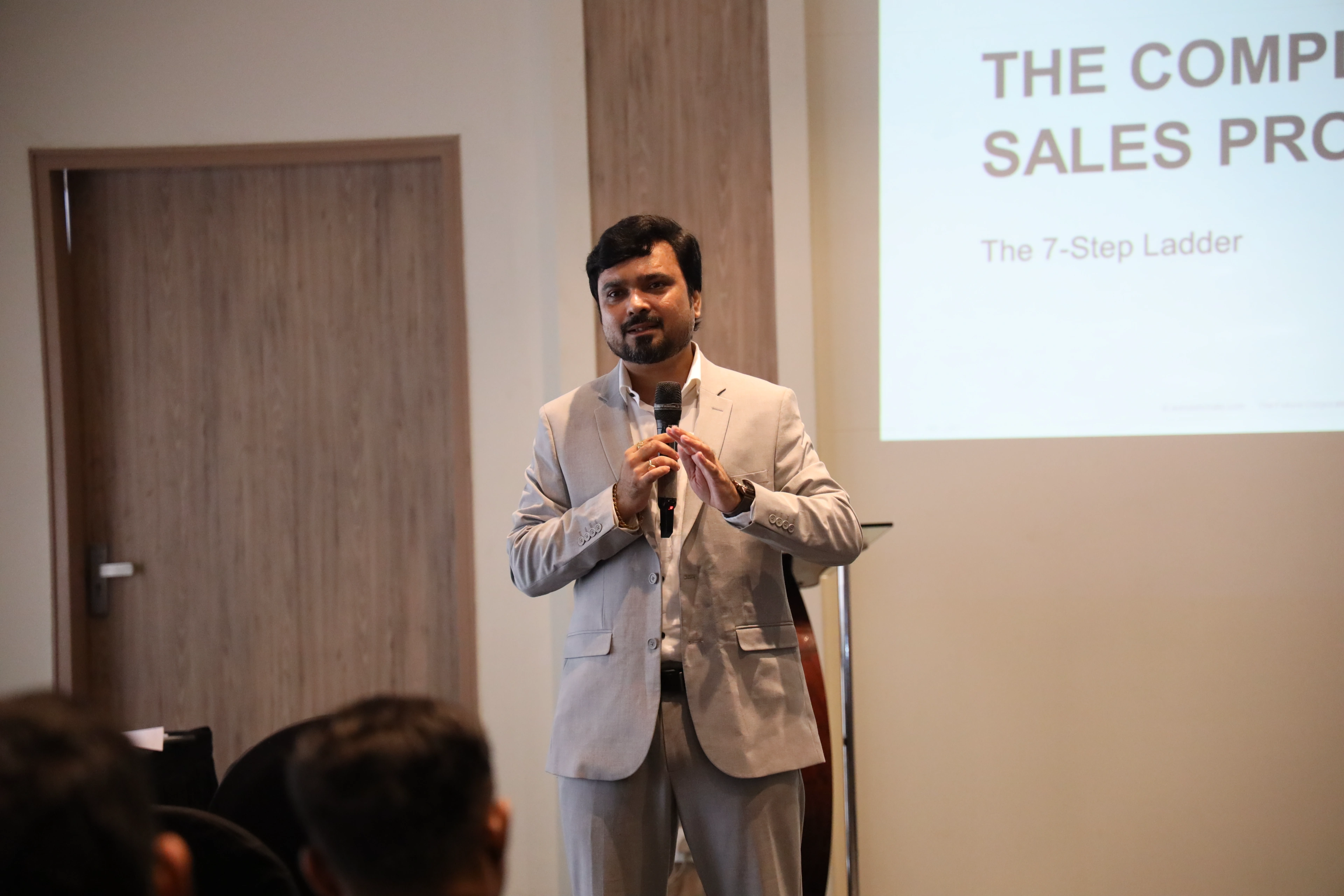
The Complete Sales Professional — one-day sales programme run for two batches
Delivered on two consecutive days at Key Hotel by Lemon Tree, Pimpri, in July 2026 for two batches from the Honda two-wheeler dealership’s cross-functional sales floor — sales executives, customer-relationship and delivery staff, reception and embedded finance partners.
Kaeser Compressors India
Annual team-building retreat facilitation
Pune-based compressed-air systems company. Avinash served as chief guest and facilitator on the final day of the two-day retreat at Radisson Resort, Lonavala in February 2026 — a published record (ABP Live) covers the engagement.
Vascon Engineers Ltd.
Behavioural training and team building, three employee batches
Three batches trained across November–December 2023 at the company’s Pune headquarters; the engagement also has an independent published record.
Veritas Engineering & Erectors
Employee motivation and team-building session
Pune-based engineering company; full-day session held at Baramati in November 2025.
Mahalaxmi Automotives Pvt Ltd
Sales excellence training for automobile dealership staff
Pune-based automotive company; programme delivered in April 2024.
MIT Academy of Engineering
The Winning Edge — expert session for students and faculty
Held at the Alandi Road campus, Pune in August 2022; listed in the institute’s official expert-session records (published record).
From real sessions
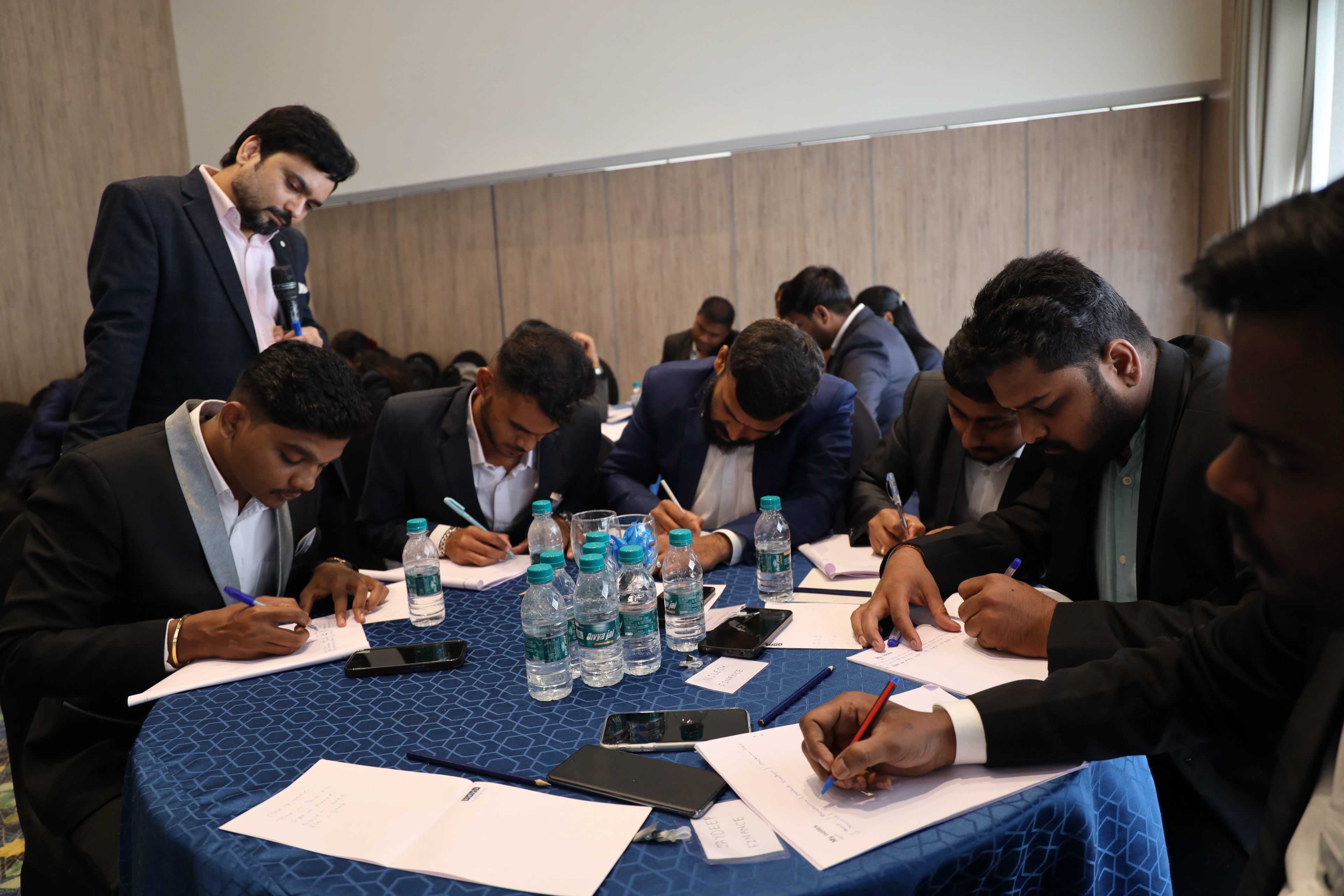
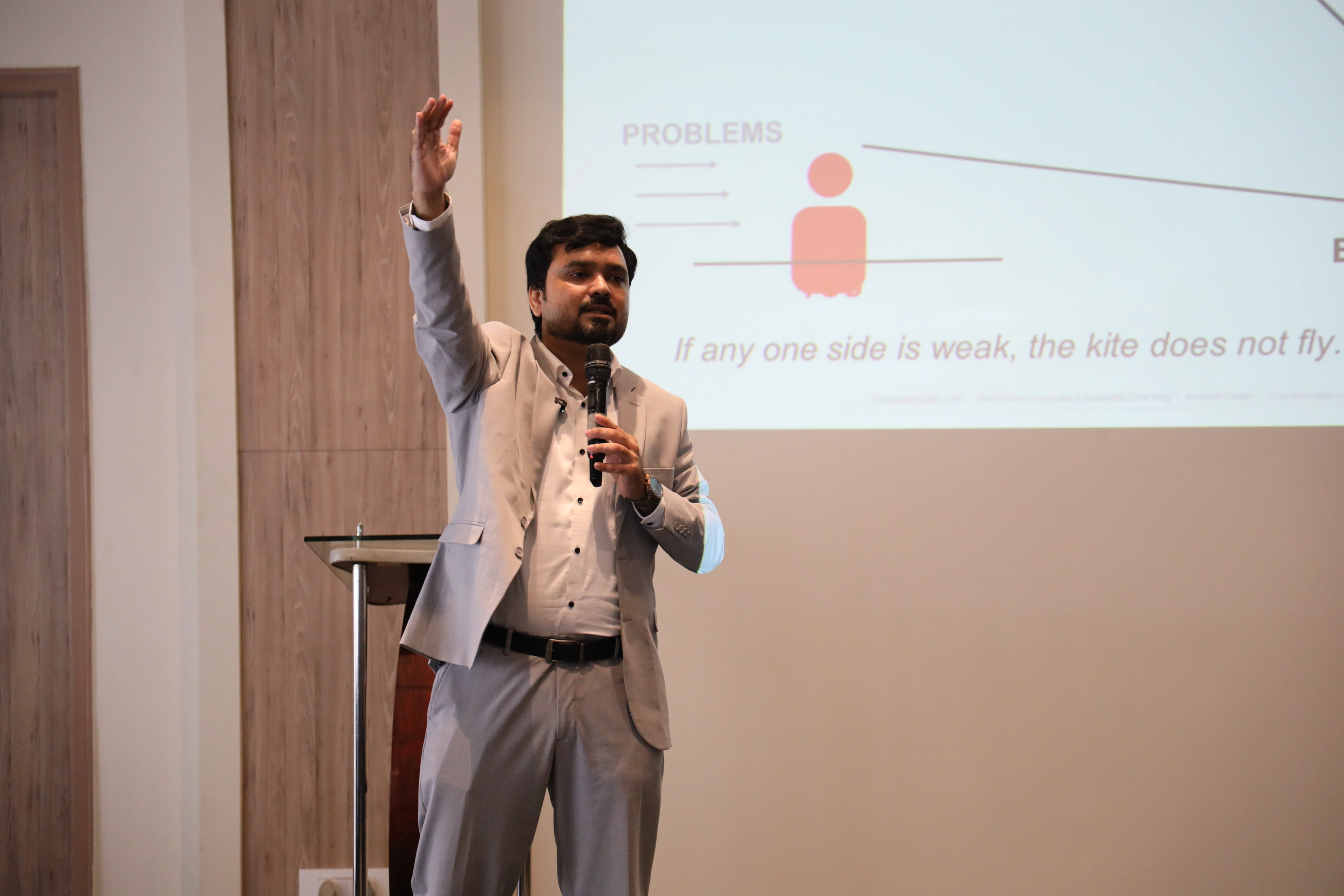
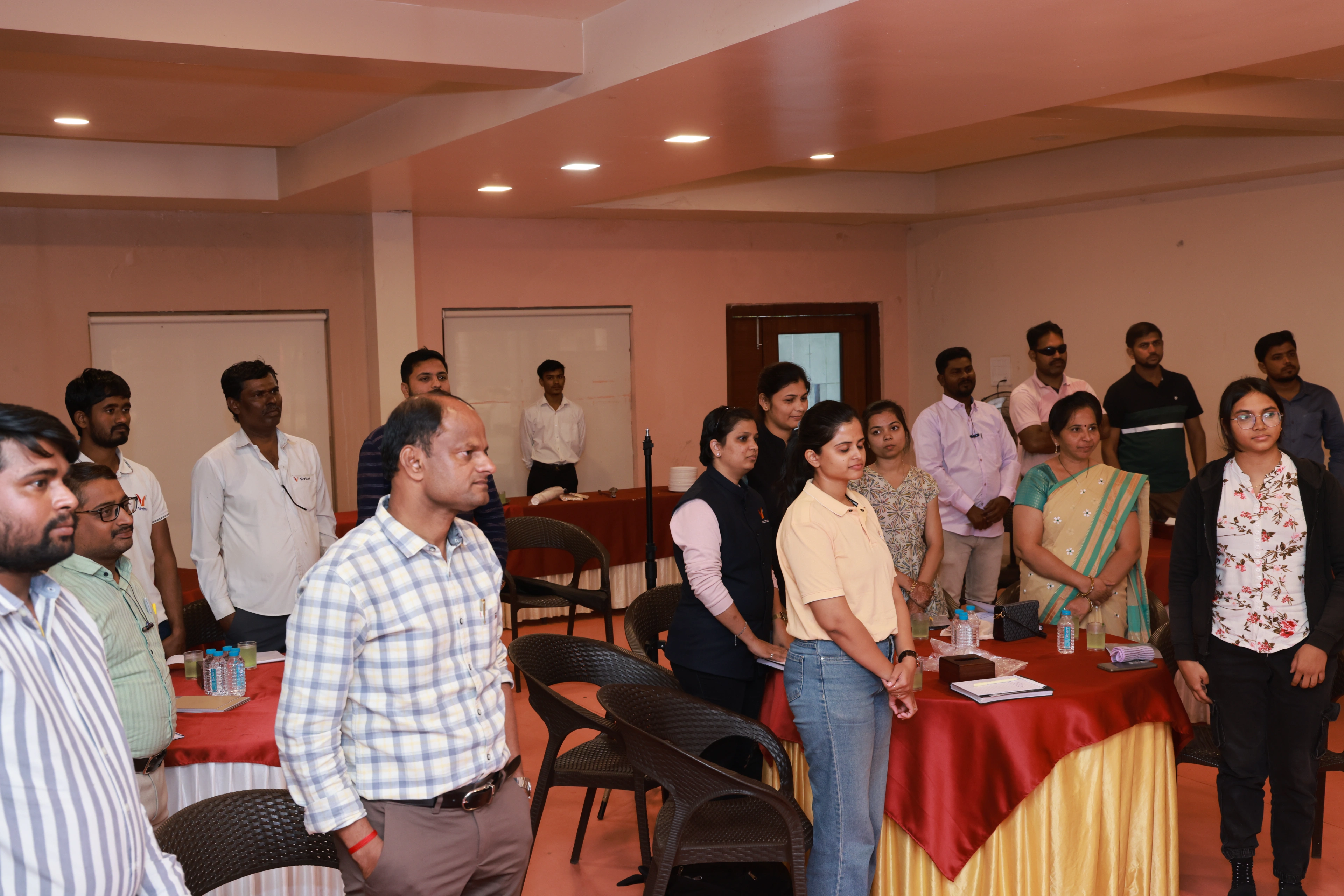
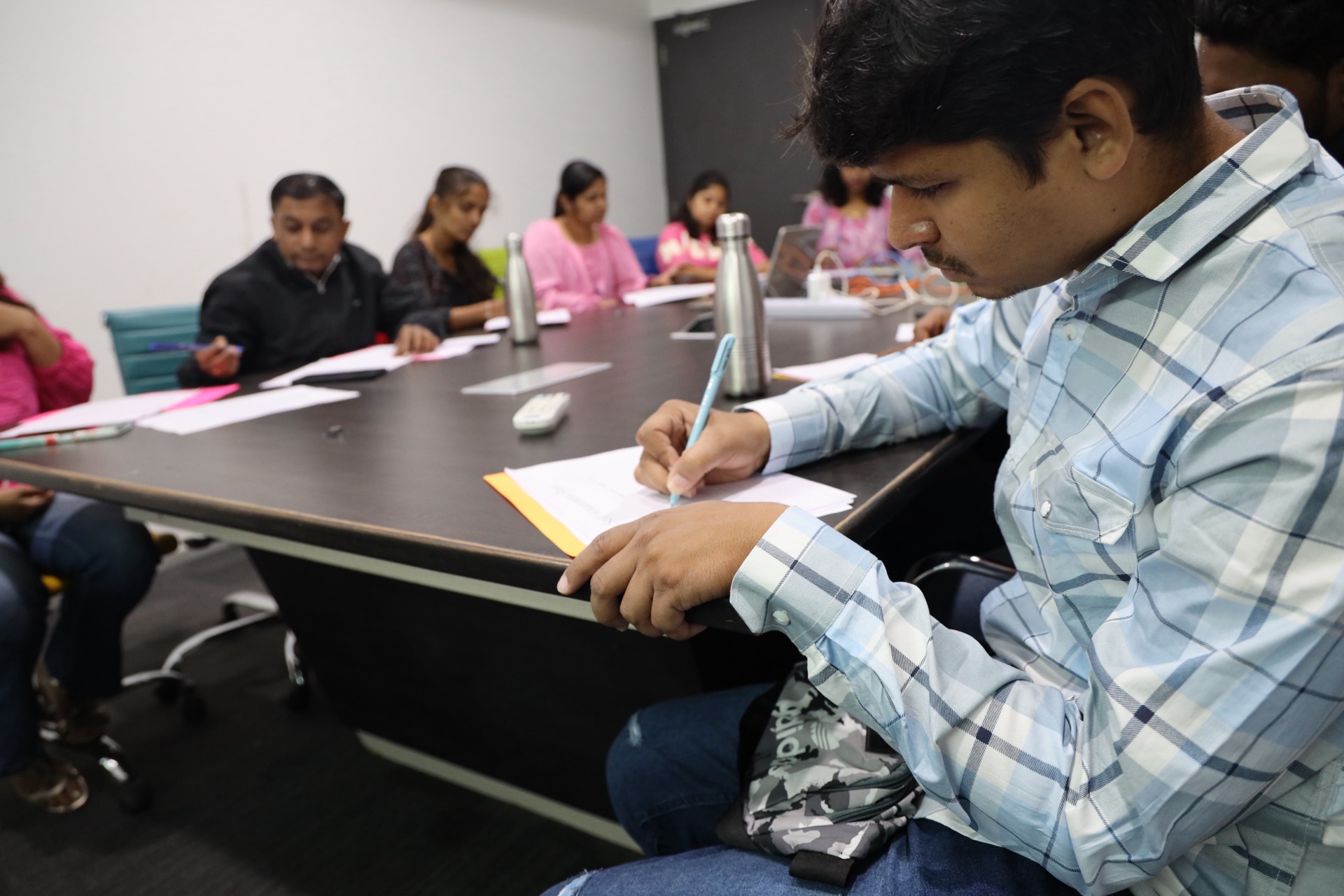
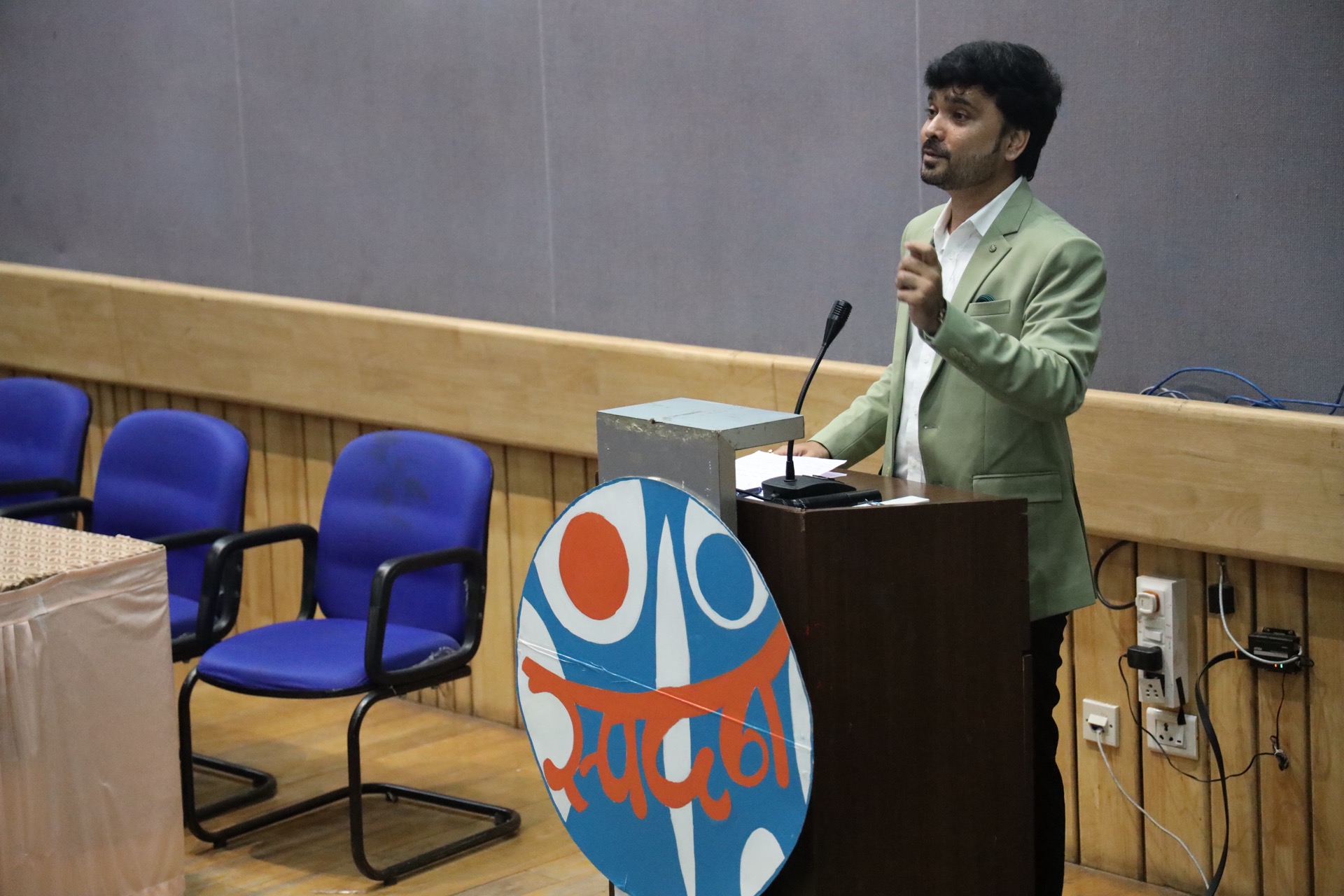
Real rooms, real teams — photographs from delivered sessions, not stock imagery.
Who He Has Trained
Plan Your Pune Behavioural Program
To scope a Pune program, share cohort size, location (in-house or off-site), preferred dates and the behaviour gap in one line. A diagnostic call follows within 48 hours.
Request a Proposal →Planning this for your team?
Share your name and WhatsApp number and you will get a reply within one business day — usually the same day. Tell us the audience, the objective and rough dates and you get a specific proposal.
Prefer to talk now? ☎ +91 87936 30001 · WhatsApp · Email