Becoming Proactive: Precise Steps to Reach Your Goals in India 2026
Reactive professionals wait for instructions. Proactive professionals shape outcomes before problems emerge. Here's how to make the shift in India's fast-moving corporate world in 2026.
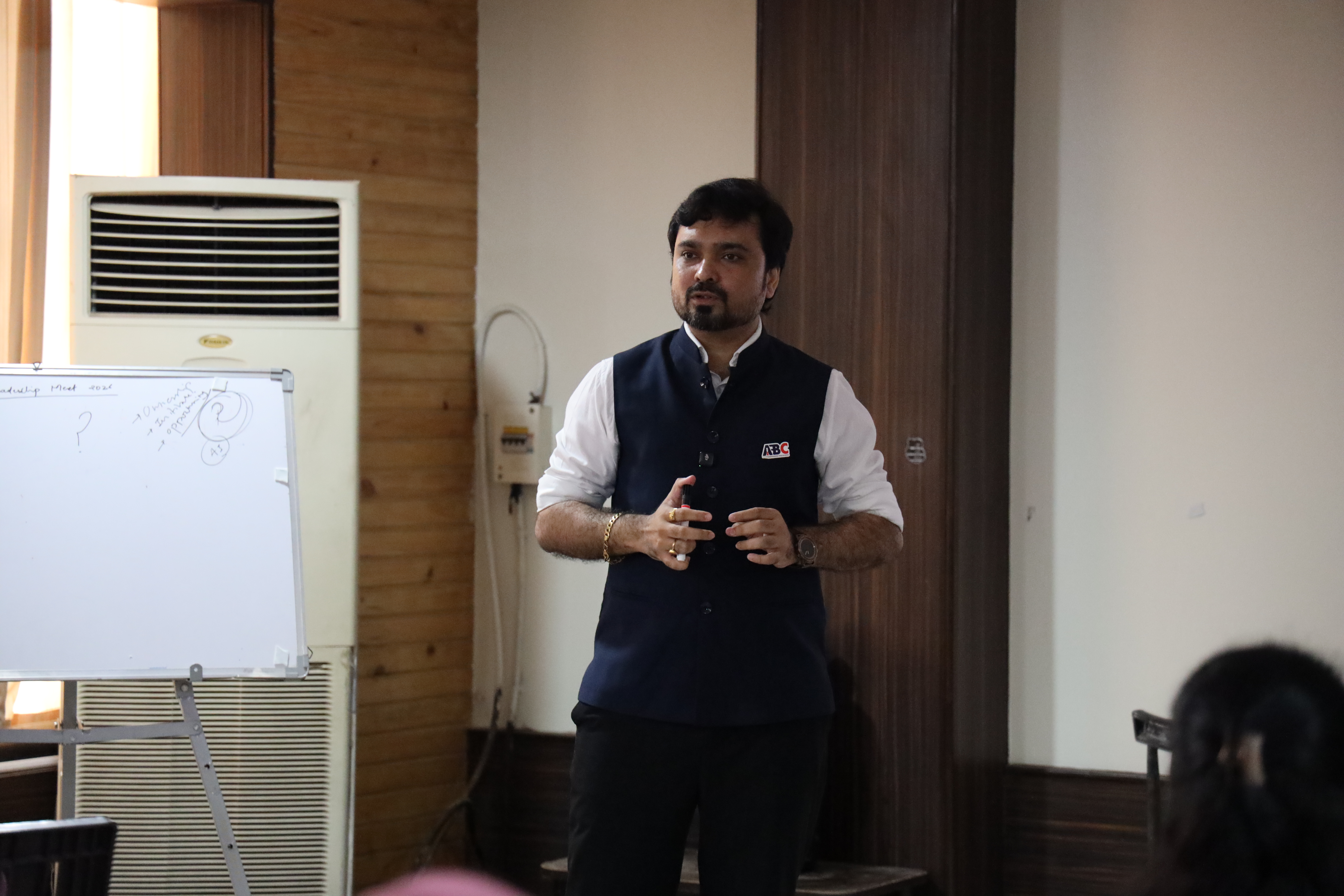
Here's the difference between the people who get promoted and the people who wonder why they didn't: proactive professionals don't wait to be told what to do — they anticipate what needs to happen and move first. McKinsey's research on Indian managers shows they spend 21 hours per week in meetings — 35% more than their US counterparts. The proactive ones know which of those meetings matter and act before the meeting; the reactive ones show up and wait to be assigned.
TL;DR- Proactive professionals anticipate problems before they become crises — reactive ones respond after damage is done
- Being proactive isn't about doing more work — it's about doing the right work before anyone asks you to
- India's top-performing managers at L&T, Tata, and Bajaj all share one habit: 15 minutes of daily anticipatory thinking
- Precise goals — not vague intentions — are the engine of proactive achievement in any Indian corporate setting
- The proactive mindset is learnable in 21 days with the right daily practice
Proactive vs. Reactive: The Mindset Difference That Decides Your Career in India
Reactive professionals respond to what's happening. Proactive professionals respond to what's about to happen. The gap between these two orientations determines most of the career difference between good performers and great leaders in India. The reactive engineer fixes the bug after the client reports it. The proactive engineer runs the pre-deployment check that prevents the bug from reaching the client. The reactive manager prepares for the performance review after being called. The proactive manager tracks their team's progress weekly and arrives with data already prepared. Same technical skill level — completely different career trajectory.
Why Most Indian Professionals Stay Reactive Even When They Want to Change
Most Indian professionals understand that being proactive is better than being reactive. So why do so many stay reactive? Three reasons: the urgent always crowds out the important; organizational cultures in India often reward visible firefighting more than invisible prevention; and the cognitive load of anticipation is higher than the cognitive load of reaction. Reactive behavior is the path of least resistance — you wait, get triggered, then act. Proactive behavior requires maintaining a mental model of the future and investing energy before you're forced to. Most people don't build this habit because nobody teaches it explicitly.
The 15-Minute Daily Habit That Builds a Proactive Mind in India's Corporate World
The most effective proactive habit I've seen across my corporate training work in India is what I call the 15-minute morning anticipation session. Before you open email, before you look at your task list, spend 15 minutes asking one question: what's most likely to go wrong in the next 48 hours, and what's one thing I can do right now to prevent or prepare for it? This single practice — done consistently — shifts your entire orientation from reactive to anticipatory. At KPIT and Mahindra, managers who adopted this practice reported measurably fewer crisis escalations within 6 weeks.
| Situation | Reactive Response | Proactive Response |
|---|---|---|
| Project deadline at risk | Report problem day before | Flag risk 2 weeks early |
| Team member underperforming | Address at annual review | Weekly check-in + early coaching |
| Skill gap in new technology | Learn when forced to | Certify 6 months ahead |
| Client dissatisfaction signal | Respond after complaint | Proactive check-in before it's raised |
| Upcoming performance review | Prepare night before | Maintain achievement log weekly |
How to Set Precise Goals That Drive Proactive Action — Not Just Wishful Thinking
Vague goals breed reactive behavior. I want to grow my career produces no daily action. I will complete one certification module daily at 6 PM for the next 90 days produces consistent proactive action. The difference is precision. Proactive achievement requires precise goals with specific actions, specific times, and specific metrics. India's ₹1.5 trillion L&D market is full of training programs with inspiring content — but the transformations I've seen come from participants who converted that content into daily precise habits, not those who found it motivating in the room but vague in practice.
What Proactive Leadership Looks Like at Bajaj Auto, L&T, and Tata — Real Examples
At a Bajaj Auto leadership program I ran, I asked 40 managers to identify their last three proactive actions — things they did before being asked. Thirty-one of them could only name reactive actions when prompted to be honest. Three managers with genuine proactive habits shared examples: running a risk review 2 weeks before a quarterly deadline; having a retention conversation with a top performer before the annual review; testing a client demo in a different environment before an important pitch. These three managers were consistently identified by their directors as ready for the next level.
The Proactive Action Framework: From Awareness to Anticipation to Initiative
The Proactive Action Framework has three stages. First: Awareness — you know your current situation precisely: project status, team risks, upcoming deadlines, stakeholder expectations. Second: Anticipation — you project 48–72 hours forward and identify where things are likely to go off track. Third: Initiative — you act on what you've anticipated before anyone asks. Moving through this framework daily doesn't require extra hours — it requires 15 minutes of intentional thinking redirected from reactive email-checking. The professionals who build this framework consistently report that their managers stop closely supervising them within 3 months.
How to Stay Proactive Under Pressure in India's Fast-Moving Work Environment
Staying proactive under pressure is the real test — it's easy to be anticipatory when things are calm, hard when the pressure is highest. The technique I teach is the next-domino focus: when overwhelmed by multiple urgent issues, identify the single action that unblocks the most other things. Don't try to be proactive on everything simultaneously when you're overloaded — be strategically proactive on the one action with the most downstream impact. This focus discipline prevents the collapse into pure reactiveness that most professionals experience under deadline pressure, and it's the skill I see most consistently in India's best leaders at Infosys, TCS, and JSW.
Building a Proactive Team Culture in Indian Organizations
Building a proactive team culture in India requires three organizational practices. First: make it safe to raise problems early — teams that punish early problem-raising create reactive cultures by default, because people wait until problems are undeniable. Second: reward prevention as visibly as you reward firefighting — if your team only gets recognition for crisis resolution, you're incentivizing crises. Third: build a weekly anticipation ritual — 30 minutes every Monday where the team collectively asks what's most likely to need attention this week. These three practices, sustained for 90 days, create teams that proactively surface and solve problems before they escalate.
Book Avinash Chate for Your Next Event
TEDx speaker. 11+ yrs training Army, BRO, RBI, BARC, JSW. Available for keynotes, leadership training, team building & manager development at your office or event venue.
✅ Thanks! Avinash team will reach out within 24 hours.'}).catch(function(e){f.outerHTML='Something went wrong. WhatsApp +91 8793630001
'});return false;">Select ServiceKeynote / Motivational SpeakingLeadership Development TrainingTeam Building WorkshopManager DevelopmentEmployee TrainingOutbound TrainingBook Avinash Now →Or WhatsApp directly: +91 87936 30001
Related Articles by Avinash Chate
- Why Manufacturing Industry is Difficult to Start in India: 5 Key Challenges
- Ajit Agarkar's 21-Ball ODI Fifty Against Zimbabwe: The Silent Performer's Career Blueprint
- Clive Lloyd's 1975 World Cup Final Leadership: How Bold Captaincy Wins Under Pressure
Avinash Chate TEDx Speaker · Founder, The Future Corporate · 11+ yrs experience Avinash has trained Indian Army, BRO, RBI, BARC, JSW Steel and 1000+ corporate leaders across India. His work focuses on leadership development, communication skills, and behavioural training rooted in Indian values and modern business needs. |
Frequently Asked Questions
What is the difference between proactive and reactive in India's corporate environment?
A reactive professional responds to what's already happened — fixing problems after they emerge, preparing after being called, addressing issues when forced to. A proactive professional operates ahead of events — preventing problems before they occur, arriving prepared before being asked, raising issues before they escalate. In India's corporate environment, this distinction matters enormously for advancement. Organizations consistently promote professionals who surface risks early and act without being pushed, because they reduce management overhead and create reliable results consistently.
How can I build a proactive mindset if I have always been reactive in my career?
Building a proactive mindset starts with one daily practice: the 15-minute morning anticipation session. Before opening email, ask yourself: what's most likely to go wrong in the next 48 hours, and what one thing can I do right now to prevent or prepare for it? Do this for 21 consecutive days and you'll notice a permanent shift in orientation. Start small — don't try to be proactive on everything at once. Pick your most important project and apply proactive anticipation there first. Once the habit is established in one domain, it spreads naturally to others across your professional life.
What is the 15-minute daily anticipation habit and how does it work for India's professionals?
The 15-minute daily anticipation habit works by forcing forward-looking thinking before reactive email and task management consumes your attention. Sit with a blank page or your phone. Write: what are my three most important goals this week; what's the most likely obstacle to each; what's the one action I can take today — before anyone asks — to address that obstacle. The power isn't in the sophistication of the analysis — it's in the daily repetition of asking what's coming before what's urgent now. Over 6 weeks, this daily practice reshapes how you allocate your attention throughout the entire day.
How do I set precise goals that actually drive proactive action rather than vague intentions?
Precise goals have four elements: a specific outcome — not improve my skills but complete AWS Solutions Architect certification; a specific deadline — not this quarter but by July 31; a specific daily action — not study when I have time but study for 45 minutes at 6:30 AM daily; and a measurement method. Vague goals feel motivating in the moment but create no daily action structure. Precise goals generate consistent proactive behavior. India's best performers I've trained all share this precision — they know not just what they want but exactly how they'll get there, one day at a time.
Avinash Chate services
Corporate Trainer in Maharashtra · Top Corporate Trainers in Maharashtra · Leadership Trainer in Maharashtra · Top Leadership Trainers in Maharashtra · Team Building Trainer in Maharashtra · Top Team Building Trainers in Maharashtra · Motivational Speaker in Maharashtra · Top Motivational Speakers in Maharashtra · All service locations
← Back to all articles · Book Avinash Chate
By Avinash Chate — Maharashtra’s #1 Corporate Trainer & Motivational Speaker. .