Emotional Intelligence Training: How EI Transforms Leadership, Communication, and Teamwork in India
EI training equips Indian professionals with skills to understand, use, and manage emotions positively — producing remarkable growth in self-awareness, empathy, and emotional regulation. Here's how it transforms leadership and teamwork.
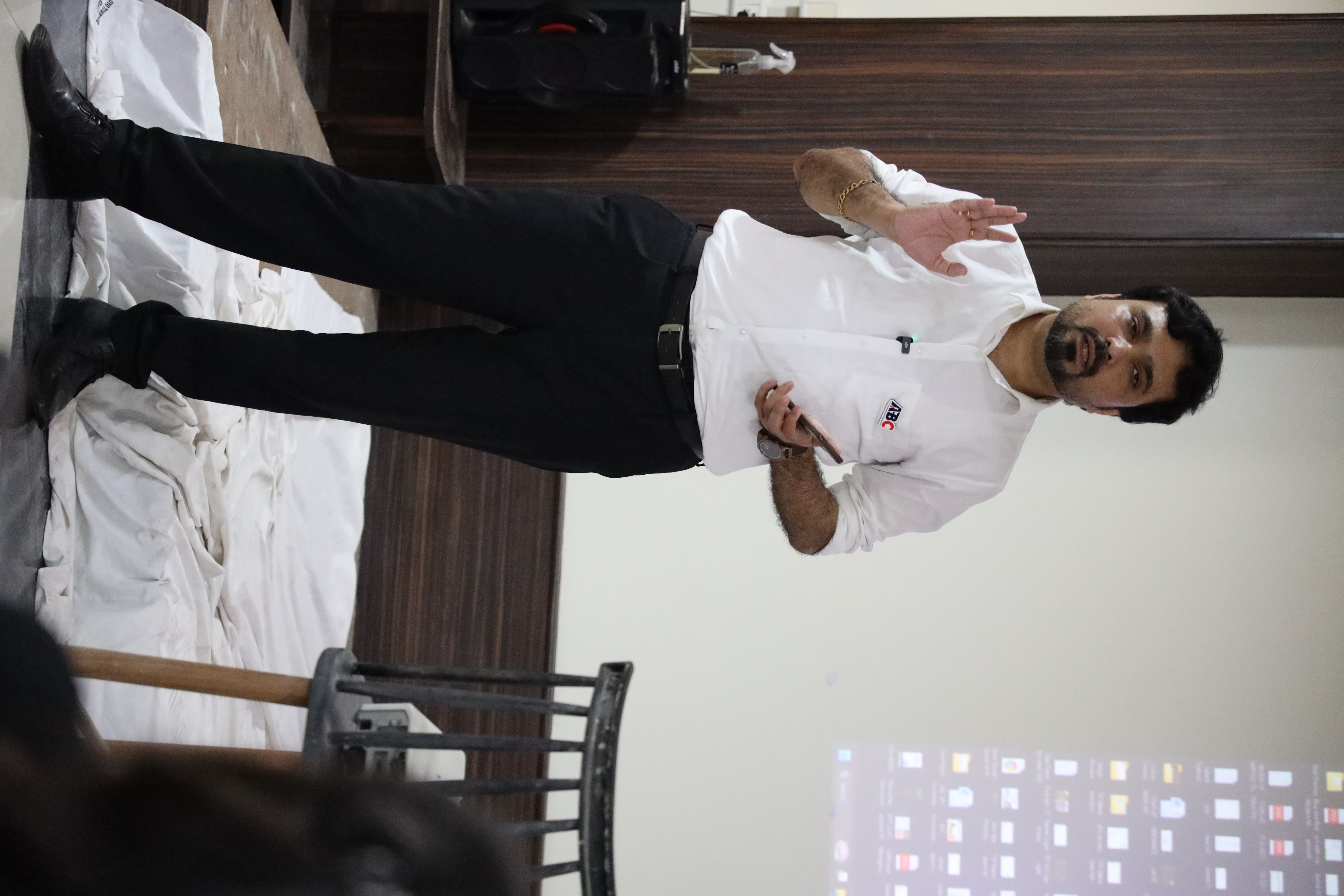
65% of Indian firms invest in soft-skill training annually — yet the most consistently underdeveloped area in their L&D calendars is emotional intelligence: the ability to understand, use, and manage emotions positively. In our EI training sessions, participants achieve remarkable growth in self-awareness, empathy, and emotional regulation — with a profound impact on leadership, communication, and teamwork that their colleagues and managers notice within weeks. Here is what that journey looks like from the inside.
TL;DR- EI training develops three foundational dimensions: self-awareness of your emotional state, empathy for others' experience, and emotional regulation — choosing your response instead of reacting automatically
- The profound impact of EI on leadership, communication, and teamwork is measurable — leaders hold harder conversations better, teams disagree more productively, sales professionals retain clients more consistently
- 65% of Indian firms invest in soft-skill training but consistently underprioritize EI — the capability most directly linked to leadership effectiveness and talent retention
- Three daily EI practices for 21 days will measurably develop your foundational emotional intelligence capabilities before any formal training program begins
What Emotional Intelligence Actually Means for Indian Corporate Professionals
Emotional intelligence — the ability to understand, use, and manage your emotions positively — is not a soft skill in the dismissive sense that Indian corporate culture sometimes uses that phrase. It is the core professional capability that determines how effectively a person leads under pressure, communicates in conflict, and builds the trust that high-performing teams fundamentally require. In our EI training sessions, we develop three foundational dimensions: self-awareness of what is happening inside you emotionally, empathy for what others are experiencing, and emotional regulation — the ability to choose your response rather than react automatically to whatever you are feeling in the moment.
The Three EI Dimensions That Transform Leaders: Self-Awareness, Empathy, and Emotional Regulation
Self-awareness is the foundation of emotional intelligence and the most consistently underdeveloped dimension among Indian corporate professionals. Most professionals can articulate their technical strengths and career weaknesses with practiced fluency. Ask them what they are actually feeling in a difficult performance conversation, and the awareness goes blank. Self-awareness in the EI sense means real-time recognition of your emotional state and its active effect on your thinking, your communication choices, and your decisions. Empathy is the ability to accurately read what another person is experiencing and respond to that experience rather than just to their words. Emotional regulation is perhaps the most practically important: pausing between stimulus and response, feeling the emotion fully, and deliberately choosing your next action.
| EI Dimension | Without Development | After EI Training |
|---|---|---|
| Self-Awareness | Blind to own emotional triggers and patterns | Real-time recognition of emotional state and its effects |
| Empathy | Responds to words, misses emotional subtext | Reads and responds to what people are actually experiencing |
| Emotional Regulation | Reacts automatically — aggression or avoidance | Pauses, processes, chooses deliberate response |
| Leadership Impact | Difficult conversations escalate or get avoided | Holds honest conversations that build trust |
| Team Culture Effect | Conflict suppressed or destructive | Productive disagreement and psychological safety |
How EI Training Impacts Leadership, Communication, and Teamwork in Real Indian Organizations
The impact of EI on leadership, communication, and teamwork is not theoretical — it becomes measurable and visible in team behavior within weeks of sustained development. Leaders with high EI hold difficult performance conversations without escalating into defensiveness or emotional withdrawal. They read the actual emotional state of their team during reviews and adjust their communication accordingly — building genuine honest dialogue rather than scripted HR-approved interaction. In client communication, high-EI professionals handle objections and conflict without the emotional flooding that produces either aggression or passive avoidance. In teamwork, EI is the capability that allows a team to disagree productively and honestly, rather than suppressing conflict until it surfaces destructively.
Success Stories: Professionals Who Achieved Remarkable EI Growth in Our Training Sessions
The success stories from our EI training sessions consistently follow recognizable patterns. A senior manager previously described as "unapproachable" in 360-degree feedback transforms into a leader whose team actively seeks their input on decisions — because the manager has learned to listen before responding. A sales professional who struggled with client relationship continuity learns to hear the emotional subtext beneath customer objections and dramatically improves both conversion rates and account retention. A technology team leader learns to recognize the early emotional warning signs of burnout in her team members and intervenes proactively — before the talent has already decided to leave. These are the remarkable growth stories that structured EI development consistently produces.
Why EI Is the Missing Link in India's Corporate L&D Programs
65% of Indian firms invest in soft-skill training annually — yet dedicated EI development remains among the most consistently underprioritized areas in their L&D calendars. Most Indian corporate training programs invest heavily in technical upskilling, process certification, and compliance education. Communication skills programs are common. But programs specifically targeting self-awareness, empathy, and emotional regulation as measurable professional competencies — rather than as a wellness benefit — are rare and inconsistently delivered. This gap is expensive. Low organizational EI shows up directly in leadership effectiveness deficits, high attrition among emotionally aware high performers who can no longer tolerate emotionally unaware management, and chronic team communication dysfunction that no process fix can address.
How I Run Emotional Intelligence Sessions at Infosys, TCS, and KPIT
At Infosys and TCS, I run EI training programs for both individual contributors and people managers — with different content because the EI challenges are different at each level. Individual contributors most frequently struggle with upward emotional communication: expressing genuine disagreement, asking for what they need without apologizing for needing it, managing the anxiety that performance evaluation triggers. People managers most frequently struggle with sustaining empathy under delivery pressure — maintaining genuine interest in their team members' emotional experience when they themselves are under significant targets. At KPIT, we developed a specific EI module for engineering team leads who need to hold high-standards accountability conversations without triggering the defensive shutdown that makes those conversations pointless.
How to Start Building Your Emotional Intelligence This Week
Building your emotional intelligence does not require a formal program to begin — it requires deliberate daily practice across 21 days. This week: Day one — at the end of today's working day, write two emotional experiences you had: one difficult and one easy. Identify what triggered each. Day two — in your next difficult conversation, pause before responding and ask yourself what you are actually feeling and why before you speak. Day three — in your next team meeting, spend five minutes at the end specifically noticing what each person's non-verbal communication told you about their actual emotional state. These three daily practices, sustained across 21 days with intentional reflection, will measurably develop your foundational EI capabilities — and prepare you to extract full value from structured EI training when you access it.
Book Avinash Chate for Your Next Event
TEDx speaker. 11+ yrs training Army, BRO, RBI, BARC, JSW. Available for keynotes, leadership training, team building & manager development at your office or event venue.
✅ Thanks! Avinash team will reach out within 24 hours.'}).catch(function(e){f.outerHTML='Something went wrong. WhatsApp +91 8793630001
'});return false;">Select ServiceKeynote / Motivational SpeakingLeadership Development TrainingTeam Building WorkshopManager DevelopmentEmployee TrainingOutbound TrainingBook Avinash Now →Or WhatsApp directly: +91 87936 30001
Related Articles by Avinash Chate
- Behavior Coaching Success Stories: How Tailored Coaching Transforms Indian Workplace Culture
- Speak With Impact: The Communication Skills Training That Transforms Indian Professionals
- Mahalaxmi Business Conference 2024: Automobile Industry Growth Strategies From the Keynote Stage
Avinash Chate TEDx Speaker · Founder, The Future Corporate · 11+ yrs experience Avinash has trained Indian Army, BRO, RBI, BARC, JSW Steel and 1000+ corporate leaders across India. His work focuses on leadership development, communication skills, and behavioural training rooted in Indian values and modern business needs. |
Frequently Asked Questions
What is emotional intelligence training and what does it specifically develop in Avinash Chate's programs?
Emotional intelligence training in Avinash Chate's programs develops three foundational EI dimensions. Self-awareness: the real-time ability to recognize your emotional state and understand how it is affecting your thinking, communication, and decisions. Empathy: the ability to accurately read what another person is actually experiencing and respond to that emotional reality rather than just to their surface-level words. Emotional regulation: the capacity to pause between an emotional stimulus and your response, process the emotion fully, and choose a deliberate action rather than react automatically. Sessions use real workplace scenarios drawn from Indian corporate contexts — not generic Western case studies.
How does EI training improve leadership, communication, and teamwork for Indian corporate professionals?
EI training produces three measurable improvements across Indian corporate organizations. In leadership: managers develop the ability to hold genuinely honest performance and development conversations without emotional escalation or avoidance — conversations that build trust rather than manage compliance. In communication: professionals learn to handle client objections, peer conflict, and upward feedback without the emotional flooding that produces either aggression or passive withdrawal. In teamwork: teams develop the capacity for productive disagreement rather than suppressed conflict — reducing the invisible organizational drag created by unaddressed relationship tension between team members.
What remarkable EI growth do professionals typically experience in Avinash Chate's training sessions?
The growth patterns from participants in Avinash Chate's EI training sessions consistently follow three tracks. Managers previously described as "unapproachable" in 360-degree feedback become leaders whose teams proactively seek their perspective. Sales professionals who struggled with client relationship continuity develop the empathy skills to hear the emotional subtext beneath customer objections and dramatically improve both conversion and account retention. Team leaders learn to identify the early emotional warning signs of team burnout and intervene proactively rather than after a resignation has already been submitted. All three represent the remarkable professional growth that structured EI development consistently produces.
How can organizations book Avinash Chate for emotional intelligence training for their leadership and teams?
Contact Avinash Chate at connect@avinashchate.com or WhatsApp +91 87936 30001. Share your organization's context — team size, seniority levels, specific EI challenges you want addressed, and preferred format (full-day, half-day, or series). EI programs are customized for each client organization's specific context — individual contributor challenges are different from people manager challenges, and automotive industry teams have different EI friction points than IT services or banking teams. Avinash delivers EI training across India in English, Hindi, and Marathi.
Avinash Chate services
Corporate Trainer in Maharashtra · Top Corporate Trainers in Maharashtra · Leadership Trainer in Maharashtra · Top Leadership Trainers in Maharashtra · Team Building Trainer in Maharashtra · Top Team Building Trainers in Maharashtra · Motivational Speaker in Maharashtra · Top Motivational Speakers in Maharashtra · All service locations
← Back to all articles · Book Avinash Chate
By Avinash Chate — Maharashtra’s #1 Corporate Trainer & Motivational Speaker. .