Fostering Employee Engagement in India: Real Client Results 2026
Only 23% of employees are actively engaged at work. Here's what this client found about fostering real employee engagement through corporate training in India.
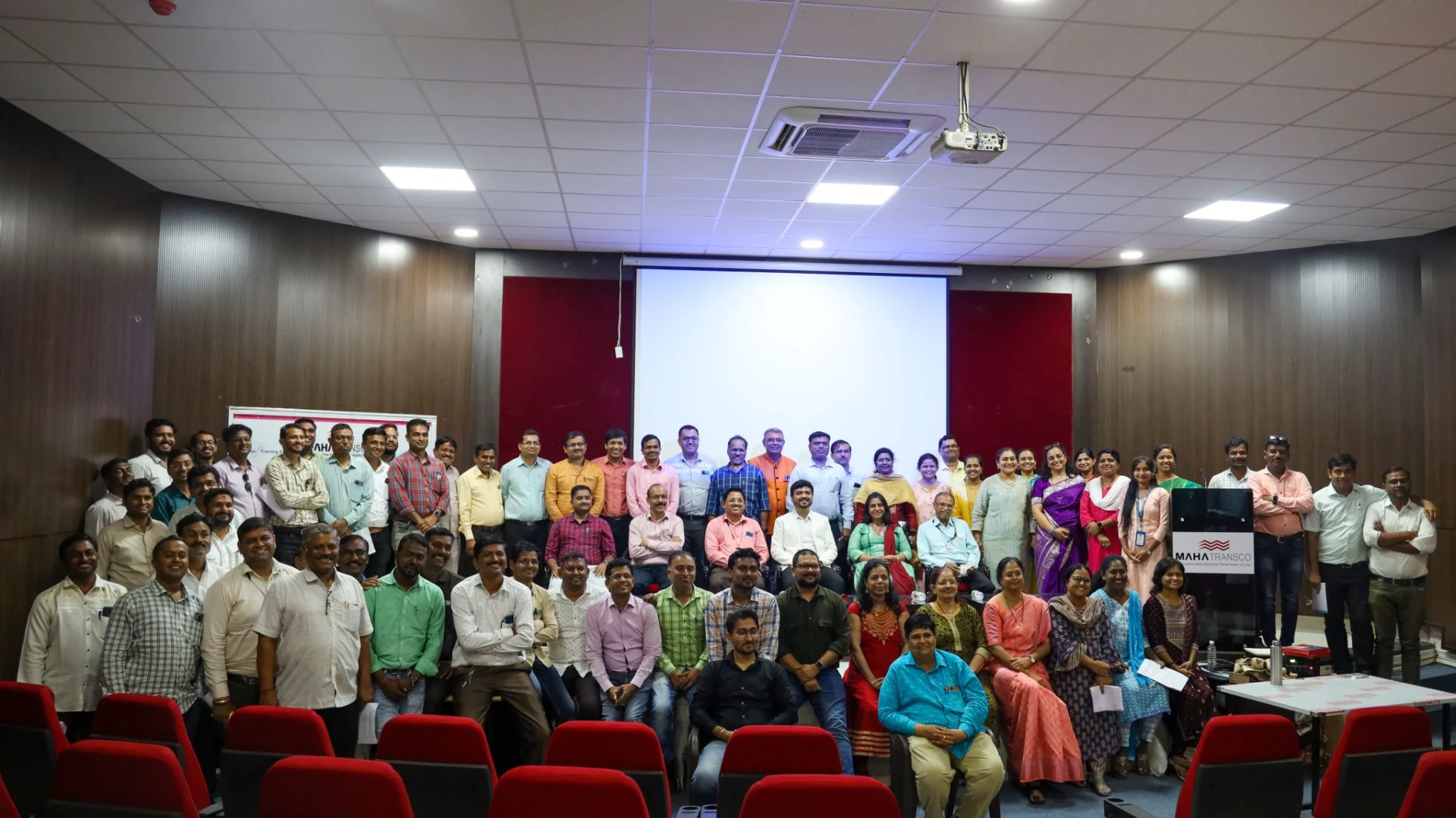
Gallup's latest research shows only 23% of employees worldwide are actively engaged at work — and in India, that number is even lower. After 15+ years training organizations from Infosys to RBI, I know what drives genuine engagement. Here's what this client learned from our work together — and what changed.
TL;DR- Only 23% of employees globally are actively engaged — Indian numbers lag even further
- Engaged employees are 23% more profitable and 59% less likely to leave their jobs
- Avinash Chate's engagement training focuses on recognition, purpose, and team trust — not just perks
- Manager behavior is the single biggest driver of team engagement, not salary or benefits
- Real engagement is measured in behavior and attrition data, not satisfaction survey scores
Why Employee Engagement in India Is at a Crisis Point in 2026
When I speak to HR heads across India's manufacturing and IT sectors, I hear the same complaint: "We run engagement programs, but nothing sticks." And the data backs up their frustration. Gallup reports only 23% of employees globally are engaged at work. In South Asia, that number dips even lower. The cost isn't just morale — disengaged employees cost Indian companies an estimated Rs. 35,000 crore annually in lost productivity, absenteeism, and attrition. This is not a soft-skills problem. This is a business crisis.
What This Client Discovered About Their Team Engagement Gap
This client approached me six months into a talent retention emergency. They'd lost 28% of their workforce in a single year, and exit interviews pointed to one consistent theme: employees didn't feel valued or heard. Senior leadership was surprised — they'd invested in team lunches, wellness programs, and an employee of the month award. But here's the thing: surface-level perks cannot substitute for genuine respect, clear purpose, and competent managers. Our first step was separating what leadership thought engagement looked like from what employees actually needed.
| Engagement Factor | Standard Corporate Program | Avinash Chate Engagement Training |
|---|---|---|
| Primary Focus | Events, perks, and satisfaction surveys | Manager behavior, purpose clarity, and recognition |
| Manager Role | Attendee at engagement activities | Primary driver; trained in 3 key conversations |
| Recognition | Annual awards ceremony | Specific, timely, peer-level recognition weekly |
| Measurement | Annual 40-question survey | 5-question weekly pulse + behavioral indicators |
| Attrition Impact | Marginal; perks alone don't reduce attrition | Measurable reduction within 90 days (client: 4.2% to 1.8%) |
| Career Conversations | Annual performance review only | Quarterly growth conversations with every team member |
| Culture Shift | Communication campaigns and posters | Behavioral reinforcement through manager coaching |
The Three Pillars of Real Employee Engagement That Last
In my work with companies like TCS, Bosch, and Ferrero, I've distilled employee engagement down to three non-negotiable pillars. First, purpose clarity — every team member must connect their daily work to something that matters beyond their task list. Second, manager quality — the immediate supervisor is responsible for 70% of team engagement variance, full stop. Third, recognition that feels personal, not transactional. Programs that hit all three consistently outperform those that only address one. The good news is, all three can be trained and measured.
Why Your Managers Are Either Driving or Killing Team Engagement
Trust me, no engagement survey will save you if your middle managers are disengaged themselves. I've seen this at Siemens and at JSW — a brilliant HR strategy completely undermined by front-line managers who'd checked out themselves or never learned how to give meaningful feedback. In our engagement program, we spend significant time coaching managers on the three conversations that change engagement: the check-in (weekly, 10 minutes), the recognition conversation (specific, timely), and the growth conversation (quarterly, forward-focused). These aren't nice-to-haves. They're the job.
Recognition That Actually Works: What Indian Teams Respond To
Here's what I've learned from training thousands of Indian corporate professionals: recognition in India needs to be both visible and specific. A generic "good job" in a team meeting does almost nothing. But calling out a specific behavior — "Neha, the way you handled that client escalation on Tuesday showed exactly the customer-first mindset we want to build here" — that lands differently. It tells the employee what to repeat. It signals to the team what gets noticed. And it costs you nothing but 30 seconds of specific attention.
How to Measure Employee Engagement Beyond the Annual Survey
Most Indian companies measure engagement once a year with a 40-question survey and then wonder why the data feels stale and useless. Real engagement measurement happens continuously and behaviorally. Are voluntary overtime rates up? Are internal referrals coming in? Are cross-team collaborations happening without managerial prompting? Are exit interview themes shifting? These leading indicators tell you what's happening in real time, not what happened six months ago. I helped this client build a 5-question weekly pulse check that flagged engagement drops before they became attrition events.
Building a Culture of Engagement: 90-Day Playbook for Indian Companies
In the first 90 days of our engagement transformation, this client implemented three visible changes: manager coaching sessions twice monthly, a peer recognition platform rolled out to all 400 employees, and a quarterly town hall where senior leaders answered unscripted questions from the floor. The results? Monthly voluntary turnover dropped from 4.2% to 1.8%. Internal promotions filled 60% of positions that would previously have been external hires. And the anonymous pulse check scores moved from 3.4 to 4.1 out of 5. Numbers don't lie.
What Engaged Indian Employees Actually Want from Leadership
What engaged Indian employees actually want from leadership is surprisingly simple, and it's not what most leaders guess. They want to know their work matters, they want their manager to be honest about where they stand, and they want a path forward — even if it's not a promotion. Engaged team members at KPIT and Mahindra consistently tell me they'd stay longer even for flat compensation if they felt genuinely valued and informed. The great resignation taught Indian companies this lesson the hard way. The good news is, it's not too late to build an environment where people actually want to stay.
Book Avinash Chate for Your Next Event
TEDx speaker. 11+ yrs training Army, BRO, RBI, BARC, JSW. Available for keynotes, leadership training, team building & manager development at your office or event venue.
✅ Thanks! Avinash team will reach out within 24 hours.'}).catch(function(e){f.outerHTML='Something went wrong. WhatsApp +91 8793630001
'});return false;">Select ServiceKeynote / Motivational SpeakingLeadership Development TrainingTeam Building WorkshopManager DevelopmentEmployee TrainingOutbound TrainingBook Avinash Now →Or WhatsApp directly: +91 87936 30001
Related Articles by Avinash Chate
- Recession मध्ये Hyundai ने cars परत घेऊनही फायदा कसा कमावला
- Virender Sehwag Mindset That Most Corporate Professionals Fear
- Ajit Agarkar's 21-Ball ODI Fifty Against Zimbabwe: The Silent Performer's Career Blueprint
Avinash Chate TEDx Speaker · Founder, The Future Corporate · 11+ yrs experience Avinash has trained Indian Army, BRO, RBI, BARC, JSW Steel and 1000+ corporate leaders across India. His work focuses on leadership development, communication skills, and behavioural training rooted in Indian values and modern business needs. |
Frequently Asked Questions
What are the most effective employee engagement strategies for Indian companies?
The most effective strategies I've seen work consistently in Indian workplaces are: manager-led weekly check-ins that focus on growth and blockers (not just task completion), specific and visible peer recognition programs, quarterly town halls where leadership answers unscripted team questions, and clear career path conversations at least twice a year. Perks like gym memberships and team lunches are secondary — they maintain baseline satisfaction but don't drive genuine engagement. Research and my experience both confirm that manager quality and purpose clarity are the primary drivers.
How long does it take to see results from an employee engagement training program?
With a structured program, teams typically show measurable improvement within 60-90 days. The early indicators are behavioral: manager check-in frequency increases, peer recognition activity picks up, and pulse check scores begin moving. Retention impacts — the metric most organizations care about most — usually become visible at the 90-180 day mark. In this client's case, voluntary attrition dropped meaningfully within the first quarter. The key is consistency: engagement programs fail when they launch with energy and then quietly fade as managers revert to old habits without ongoing accountability.
What is the ROI of investing in employee engagement training in India?
The ROI of employee engagement training is significant and measurable. Gallup's meta-analysis shows organizations in the top quartile for engagement see 23% higher profitability and 18% higher productivity than bottom-quartile organizations. In Indian context, where replacing one mid-level employee costs 50-100% of their annual salary in recruiting, onboarding, and productivity loss, even a 1% reduction in attrition can represent crores in savings. My clients consistently see attrition reduction, internal promotion rates, and customer satisfaction scores improve within 6-12 months of sustained engagement work.
How does Avinash Chate's employee engagement approach differ from standard HR programs?
Standard HR engagement programs often focus on activities and events — surveys, team outings, award ceremonies. My approach focuses on behavior change at the manager level, because managers account for 70% of the variance in team engagement. I work directly with frontline and middle managers on specific conversation skills, and I help leadership teams understand how their decisions and communication style either build or erode trust. The program is grounded in data — I identify the specific engagement gaps in each organization rather than applying generic solutions — and includes 90-day accountability check-ins to ensure results stick.
Avinash Chate services
Corporate Trainer in Maharashtra · Top Corporate Trainers in Maharashtra · Leadership Trainer in Maharashtra · Top Leadership Trainers in Maharashtra · Team Building Trainer in Maharashtra · Top Team Building Trainers in Maharashtra · Motivational Speaker in Maharashtra · Top Motivational Speakers in Maharashtra · All service locations
← Back to all articles · Book Avinash Chate
By Avinash Chate — Maharashtra’s #1 Corporate Trainer & Motivational Speaker. .