From Power to Legacy: How Leaders Sustain Authority and Build Lasting Impact in India
Getting to the top is one challenge. Staying there and building a legacy is another. Avinash Chate explains the decision-making, emotional intelligence, and mentorship that turn leaders into legends.
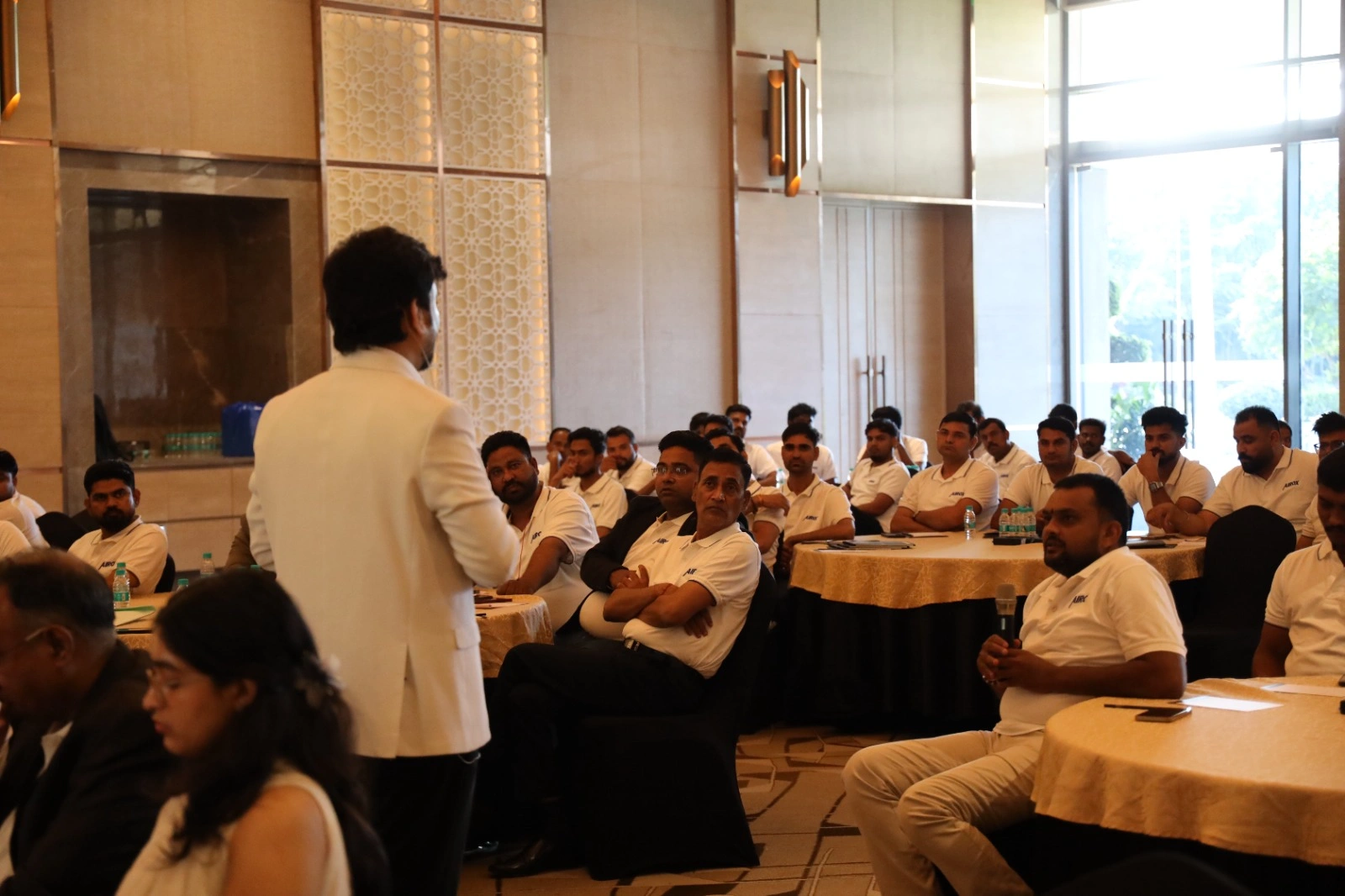
Getting to a position of leadership is one kind of achievement. Sustaining it, growing through it, and eventually using it to build something that outlasts you—that is an entirely different and more demanding challenge. I have spent years studying and training leaders who made it to the top and then fell, and leaders who got there and kept building for decades. The difference is not talent or timing. LinkedIn India 2026 lists leadership as the #1 employer demand, and the long-game leaders are the ones who master decision-making, emotional intelligence, trust, and mentorship—all at once.
TL;DR- Sustaining leadership requires mastering decision-making, emotional intelligence, team trust, and mentorship simultaneously.
- Effective decision-making is the single most visible leadership behavior—get it right consistently to stay at the top.
- Emotional intelligence is the invisible glue that keeps talented teams committed to a leader across difficult periods.
- Building and maintaining trust within your team requires consistency, transparency, and accountability over years.
- Creating a lasting legacy means developing leaders who will exceed you—mentorship is the highest form of leadership.
Why Getting to the Top and Staying at the Top Are Two Completely Different Skills
Most professionals spend years working toward a leadership position—and then discover that everything they did to get there is not what keeps them there. Getting to the top often rewards individual brilliance, personal drive, and competitive performance. Staying at the top requires something different: the ability to create conditions where other people perform at their best, the judgment to make good decisions under uncertainty over long periods, and the wisdom to invest in a future that will outlast your own tenure. These are fundamentally different skills, and they need to be developed deliberately.
The Art of Effective Decision-Making That Sustains Leadership Power
Decision-making is the most publicly visible leadership behavior, and the quality of your decisions over time is the single clearest signal of your leadership effectiveness. What separates leaders who sustain their position from those who flame out is not intelligence—it is a disciplined decision process. I coach senior leaders at Mahindra, L&T, and JSW to follow a structured decision framework: define the decision clearly, identify the key trade-offs, consult the right people—not the most vocal ones—set a decision deadline, and then decide and communicate. Avoiding decisions is the most expensive leadership habit I know.
Work-Life Balance for Leaders: Why It Is a Strategic Asset, Not a Personal Luxury
Here is something most leadership development programs do not say directly enough: your physical and mental health are strategic leadership assets, not personal lifestyle choices. A leader who is chronically exhausted makes worse decisions, reads people less accurately, and communicates less clearly—all of which cascade into team performance. I tell leaders at KPIT and Siemens the same thing I tell athletes: your recovery time is as important as your performance time. Protecting sleep, exercise, and personal relationships is not self-indulgence for a leader—it is organizational risk management.
| Leadership Dimension | Short-Game Leader (Gets to Top) | Long-Game Leader (Stays and Builds Legacy) |
|---|---|---|
| Decision-making | Fast, instinctive, often brilliant | Structured, consultative, consistent over years |
| Work-life balance | Sacrifices everything for the climb | Protects recovery as a strategic asset |
| Emotional intelligence | Used tactically when needed | Practiced consistently as a leadership foundation |
| Team trust | Built quickly through performance | Built slowly through consistency and accountability |
| Handling setbacks | Manages optics and information | Faces challenges transparently with a clear action plan |
| Mentorship | Minimal—focused on own growth | Central—developing the next generation of leaders |
Emotional Intelligence: The Invisible Glue That Keeps Great Teams Together
Emotional intelligence is what keeps talented, ambitious team members committed to working with a leader through difficult quarters, tough feedback, and organizational change. It is the difference between a team that stays when things get hard and one that quietly begins updating their profiles on job sites. What does EQ look like in practice for senior leaders? It means naming difficult emotions directly in team settings instead of letting them fester. It means checking in on team members as human beings, not just as task executors. It means demonstrating vulnerability selectively—enough to build trust, not so much that confidence erodes.
Building and Maintaining Team Trust Over Years, Not Just Quarters
Trust is built in moments of consistency and destroyed in moments of inconsistency—and the destruction is always faster than the building. The leaders I have worked with who sustain the deepest team loyalty share three trust-building practices: they do what they say they will do, every time, even for small commitments; they communicate bad news directly and early rather than managing it through omission; and they hold themselves to the same standards they hold their team members. These practices sound obvious, but in the pressure of real organizational life, they require genuine discipline to maintain consistently.
How Leaders Deal with Challenges and Obstacles Without Losing Authority
Every leader will face periods where circumstances are working against them—a difficult market, organizational politics, a failed initiative, or a personal setback. What determines whether a leader emerges from these periods stronger or diminished is their ability to face the challenge without losing the confidence of the people around them. I advise leaders in these situations to follow two rules: first, be transparent about the reality of the situation without catastrophizing it; second, focus visibly on the specific actions you are taking to address it. People can follow a leader through almost any difficulty if they can see that the leader knows what they are doing next.
Mentorship as Legacy: Why Developing Others Is the Highest Form of Leadership
The highest form of leadership is not exercising power—it is creating the conditions for others to grow into their own power. Mentorship is not a nice-to-have for senior leaders; it is the activity that turns a career into a legacy. I have worked with leaders at Bajaj Auto and Tata Tech whose most lasting contribution was not the projects they delivered but the leaders they developed. Here is the thing about mentorship: you do not have to wait until you are the most senior person in the room to start. Every leader at every level has knowledge and perspective that can accelerate someone else's growth. Start mentoring now.
The Long Game: What India's Most Enduring Leaders Do Differently
India's most enduring leaders share a set of practices that are easy to identify in retrospect and surprisingly uncommon in the moment. They think in 5 to 10-year time horizons rather than quarter to quarter. They invest in relationships across and outside their organization, not just within their direct chain of command. They model continuous learning visibly—reading, attending programs, asking questions in public—which gives their teams permission to do the same. And they treat their leadership position not as a destination but as a platform for creating impact that will outlast their own presence. That shift in orientation—from holding power to building legacy—is what the long game actually looks like.
Book Avinash Chate for Your Next Event
TEDx speaker. 11+ yrs training Army, BRO, RBI, BARC, JSW. Available for keynotes, leadership training, team building & manager development at your office or event venue.
✅ Thanks! Avinash team will reach out within 24 hours.'}).catch(function(e){f.outerHTML='Something went wrong. WhatsApp +91 8793630001
'});return false;">Select ServiceKeynote / Motivational SpeakingLeadership Development TrainingTeam Building WorkshopManager DevelopmentEmployee TrainingOutbound TrainingBook Avinash Now →Or WhatsApp directly: +91 87936 30001
Related Articles by Avinash Chate
- Why Manufacturing Industry is Difficult to Start in India: 5 Key Challenges
- Ajit Agarkar's 21-Ball ODI Fifty Against Zimbabwe: The Silent Performer's Career Blueprint
- Clive Lloyd's 1975 World Cup Final Leadership: How Bold Captaincy Wins Under Pressure
Avinash Chate TEDx Speaker · Founder, The Future Corporate · 11+ yrs experience Avinash has trained Indian Army, BRO, RBI, BARC, JSW Steel and 1000+ corporate leaders across India. His work focuses on leadership development, communication skills, and behavioural training rooted in Indian values and modern business needs. |
Frequently Asked Questions
What is the difference between getting to the top and staying at the top in leadership?
Getting to the top typically rewards individual excellence—strong performance, competitive drive, and the ability to deliver results in a focused domain. Staying at the top requires a completely different set of capabilities: creating conditions where other people perform at their best, making consistent high-quality decisions under uncertainty over long time periods, building deep institutional trust, and investing in a future that extends beyond your own tenure. Many leaders who climb quickly discover that the skills that got them there are necessary but not sufficient to sustain them there.
How does emotional intelligence help leaders maintain their position long-term?
Emotional intelligence maintains leadership position by keeping the most valuable people in the leader's orbit committed, engaged, and willing to follow through difficult periods. Talented professionals have choices—they can leave, disengage, or underperform. The leaders who retain top talent and discretionary effort over years are consistently those who make team members feel seen, understood, and valued as human beings rather than just as task-executors. EQ also enables better decision-making by giving leaders accurate reads of team sentiment and unspoken organizational dynamics that purely analytical leaders consistently miss.
What does effective mentorship look like for senior leaders in India?
Effective mentorship for senior Indian leaders involves three commitments: giving genuine time, sharing real stories, and creating genuine challenge. Real mentorship is not advice-giving—it is the deliberate investment of your experience and network in another person's development, over time, with honest feedback included. The most impactful mentors I know meet their mentees monthly with a specific agenda, share both their successes and their failures honestly, and create stretch opportunities for mentees rather than just offering encouragement. The legacy that results from this investment is more durable than any project or organizational achievement.
How do leaders maintain authority during a period of organizational difficulty or setback?
Maintaining authority during organizational difficulty requires two simultaneous behaviors that most leaders get wrong: transparent acknowledgment of the reality without dramatizing it, and visible forward focus on specific actions being taken. Teams can follow leaders through almost any difficulty if they can see that the leader is clear-eyed about the situation and has a credible plan for what comes next. What destroys authority during difficulty is either minimizing the problem until it becomes undeniable, or showing visible anxiety without a corresponding action plan. Transparency plus agency is the formula for maintaining trust when circumstances are working against you.
Avinash Chate services
Corporate Trainer in Maharashtra · Top Corporate Trainers in Maharashtra · Leadership Trainer in Maharashtra · Top Leadership Trainers in Maharashtra · Team Building Trainer in Maharashtra · Top Team Building Trainers in Maharashtra · Motivational Speaker in Maharashtra · Top Motivational Speakers in Maharashtra · All service locations
← Back to all articles · Book Avinash Chate
By Avinash Chate — Maharashtra’s #1 Corporate Trainer & Motivational Speaker. .