Giver, Matcher or Taker? Team Mindsets That Build Culture India 2026
At Shivpratap Multistate's Excellence Awards 2026 in Vita, I revealed how Giver, Matcher and Taker employee mindsets — not talent — decide if your organisation thrives or stagnates.
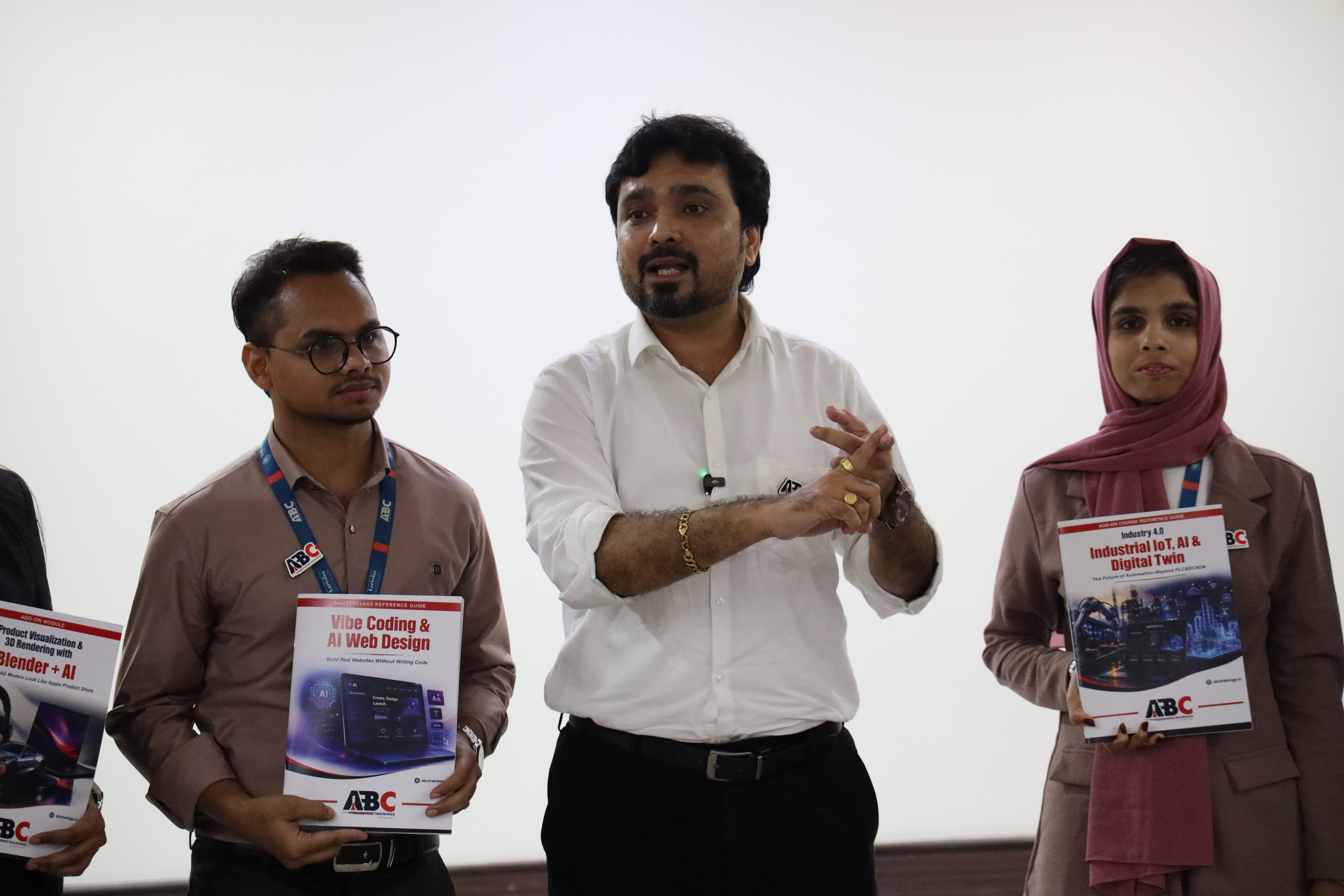
McKinsey research shows Indian managers spend 21 hours every week in unproductive meetings — 35% more than their US counterparts. At Shivpratap Multistate Nagari Sahakari Patsanstha's Annual Staff Meet and Excellence Awards 2026 in Vita, I walked the team through the Giver, Matcher and Taker framework — because mindset, not talent, separates thriving organisations from stagnant ones.
TL;DR- Giver employees invest in team success freely; Matchers reciprocate; Takers extract — your culture reflects which type your leadership rewards most.
- Pike Place Fish Market transformed from the brink of bankruptcy to a global icon by shifting staff attitude from obligation to ownership.
- Royal Enfield's culture shows that employee pride in organisational identity drives extraordinary quality and brand loyalty.
- At Shivpratap Multistate's Annual Excellence Awards 2026 in Vita, the Giver-Matcher-Taker framework produced immediate self-awareness among 100+ cooperative bank staff.
- The Giver mindset is trainable — structured corporate workshops with real case studies produce measurable culture change within 90 days.
What Are Giver, Matcher and Taker Employee Types? The Framework Every Indian Organisation Needs
Adam Grant's Wharton research identifies three archetypes in every team. Givers contribute freely — sharing knowledge, mentoring, investing in collective wins. Matchers operate on balance: I help you, you help me. Takers extract maximum value while giving minimum back. The counterintuitive finding: Givers finish both last and first in performance rankings. They're at the bottom when the organisation exploits them — and at the very top when it protects and supports them. Leadership determines which outcome happens. Understanding which type dominates your team is the first diagnostic every Indian leader needs.
How the Giver Mindset Built Pike Place Fish Market from Bankruptcy to Global Fame
John Yokoyama was near bankruptcy in 1986. His Seattle fish market had demoralized staff, declining revenue, and a team that dragged itself to work. The shift came when he stopped fixing operations and asked one question: what if coming to work felt like the greatest experience in the world? Staff chose their attitude. They started throwing fish as performance, crowds gathered, and Pike Place became a global case study in culture. Revenue compounded. The Giver mindset, applied collectively, built a brand that outlasted every Seattle competitor.
| Employee Type | Core Behaviour | Team Impact | Leader's Response |
|---|---|---|---|
| Giver | Shares knowledge and support freely without expecting immediate returns | Raises performance ceiling; builds psychological safety | Protect from exploitation; publicly recognise contributions |
| Matcher | Reciprocates help; maintains balanced exchange | Neutral to positive; stabilises team dynamics | Encourage Giver risks; show that generosity is safe here |
| Taker | Extracts maximum value; contributes minimum | Drains Givers; lowers morale; damages culture invisibly | Set clear expectations early; coach intensively or exit |
Royal Enfield's Pride Culture: When Employee Identity Drives Business Results
Royal Enfield riders don't buy a motorcycle — they join a culture. That loyalty begins on the factory floor. When employees believe they're crafting something legendary, it shows in every detail of the product. I use this case at Bajaj Auto and Tata Tech because it captures a universal truth: when employees carry genuine pride in what they produce, quality and customer experience improve automatically. You cannot manufacture this pride through policy. It must be built through leadership that treats the work as meaningful and the worker as essential.
Shivpratap Multistate Excellence Awards 2026: What Happened When the Framework Hit the Room
At Shivpratap Multistate Nagari Sahakari Patsanstha's Annual Staff Meet and Excellence Awards 2026 in Vita, I worked with their entire team — the people managing member deposits, loan disbursements, and daily financial operations of a cooperative institution. When I introduced the Giver-Matcher-Taker framework, something visibly shifted. Several team members recognised themselves as habitual Matchers and openly expressed the desire to move toward Giver behaviour. That kind of self-awareness — generated in a room full of real colleagues — is where culture transformation actually begins. Not in a policy memo.
The Hidden Cost of Taker Behaviour in Indian Organisations
Research from the University of Virginia shows one toxic Taker in a knowledge-intensive team erases the productivity gains of two to three high-performing Givers. India's corporate L&D market is valued at ₹1.5 trillion, yet most of that investment targets technical skills. Mindset — the invisible architecture of team performance — gets a fraction of the attention. Identifying and addressing Taker patterns early saves crores in attrition costs, lost client goodwill, and the quiet demotivation of your best contributors.
How to Identify and Cultivate Givers in Your Team: Practical Steps for Leaders
The Giver mindset is trainable. Start by making generosity visible: recognise knowledge-sharing and peer support publicly, not just output numbers. Build mentorship structures so junior employees see Giver behaviour modelled from leadership. In my workshops at Infosys, L&T and Siemens India, I use scenario exercises where participants experience — not just hear about — the compounding advantage of Giver behaviour in team contexts. When people feel the difference in their gut rather than just understand it intellectually, behavioural shifts follow naturally.
From Vita to Infosys: Deploying the Giver-Matcher-Taker Framework Across India
What most people don't realise is that a single motivational session rarely changes behaviour sustainably. What works is the full cycle: diagnostic, framework delivery using vivid case studies, applied practice, and a 30-day accountability loop with managers. At Mahindra, KPIT and JSW, we've run this cycle and seen measurable improvements in peer-review scores and cross-functional collaboration within 90 days. The Vita session at Shivpratap Multistate was designed as a seed — the real harvest comes when managers reinforce these principles daily.
Book Avinash Chate for Your Next Event
TEDx speaker. 11+ yrs training Army, BRO, RBI, BARC, JSW. Available for keynotes, leadership training, team building & manager development at your office or event venue.
✅ Thanks! Avinash team will reach out within 24 hours.'}).catch(function(e){f.outerHTML='Something went wrong. WhatsApp +91 8793630001
'});return false;">Select ServiceKeynote / Motivational SpeakingLeadership Development TrainingTeam Building WorkshopManager DevelopmentEmployee TrainingOutbound TrainingBook Avinash Now →Or WhatsApp directly: +91 87936 30001
Related Articles by Avinash Chate
- Why Manufacturing Industry is Difficult to Start in India: 5 Key Challenges
- Ajit Agarkar's 21-Ball ODI Fifty Against Zimbabwe: The Silent Performer's Career Blueprint
- Clive Lloyd's 1975 World Cup Final Leadership: How Bold Captaincy Wins Under Pressure
Avinash Chate TEDx Speaker · Founder, The Future Corporate · 11+ yrs experience Avinash has trained Indian Army, BRO, RBI, BARC, JSW Steel and 1000+ corporate leaders across India. His work focuses on leadership development, communication skills, and behavioural training rooted in Indian values and modern business needs. |
Frequently Asked Questions
What is the Giver Matcher Taker framework and how does it apply to Indian organisations?
Adam Grant's Giver-Matcher-Taker model classifies employees by their approach to workplace reciprocity. Givers invest in others without expecting immediate returns; Matchers operate on balanced exchange; Takers prioritise personal gain above team outcomes. In Indian organisations — particularly cooperative institutions like Shivpratap Multistate — Taker behaviour often hides behind efficiency narratives. The framework gives leaders a precise language for patterns they've long observed but struggled to name. Applied at Shivpratap's 2026 Excellence Awards in Vita, it produced immediate and voluntary self-reflection among all participants.
How did Pike Place Fish Market transform its culture and what can Indian companies learn?
John Yokoyama's Pike Place Fish Market in Seattle was near bankruptcy in 1986, with low staff morale and declining revenue. The turnaround started when leadership asked employees to choose their attitude rather than just fulfil duties. Staff began treating work as performance — throwing fish, engaging customers, creating energy. The market became a global attraction and a Harvard Business School case study. Indian companies can learn that culture transformation doesn't require massive investment; it requires leaders who treat employee attitude as a serious business variable.
Can a Taker employee change their mindset through structured corporate training?
Yes — the Taker mindset is usually a learned response to environments that reward extraction or punish generosity. When organisations consistently recognise Givers and create psychological safety, Taker behaviour diminishes naturally. My training workshops use scenario-based exercises where participants experience the compounding disadvantage of Taker behaviour in real team contexts. With structured follow-up over 90 days, measurable change is achievable. At Bosch and Siemens India, we've seen team collaboration scores improve significantly after mindset-focused interventions built around this framework.
How does Avinash Chate use the Giver-Matcher-Taker framework in his corporate workshops?
My approach starts with diagnosing the current Giver-Matcher-Taker distribution within the team before any training begins. The framework session uses case studies like Pike Place Fish Market and Royal Enfield to make the concepts vivid and personally relevant. Applied practice follows, where teams work through real scenarios using Giver principles. A 30-day accountability loop with managers closes the cycle. This full sequence has been deployed at Tata Tech, L&T, Mahindra, Infosys and now Shivpratap Multistate — each producing measurable shifts in collaboration and leadership quality.
Avinash Chate services
Corporate Trainer in Maharashtra · Top Corporate Trainers in Maharashtra · Leadership Trainer in Maharashtra · Top Leadership Trainers in Maharashtra · Team Building Trainer in Maharashtra · Top Team Building Trainers in Maharashtra · Motivational Speaker in Maharashtra · Top Motivational Speakers in Maharashtra · All service locations
← Back to all articles · Book Avinash Chate
By Avinash Chate — Maharashtra’s #1 Corporate Trainer & Motivational Speaker. .