How 1% Daily Change Makes You Successful: Lessons for India 2026
1% daily improvement doesn't sound exciting. But 1.01 to the power of 365 equals 37.78 — you end up 37 times better in a year. Here's how India's top professionals use this principle.
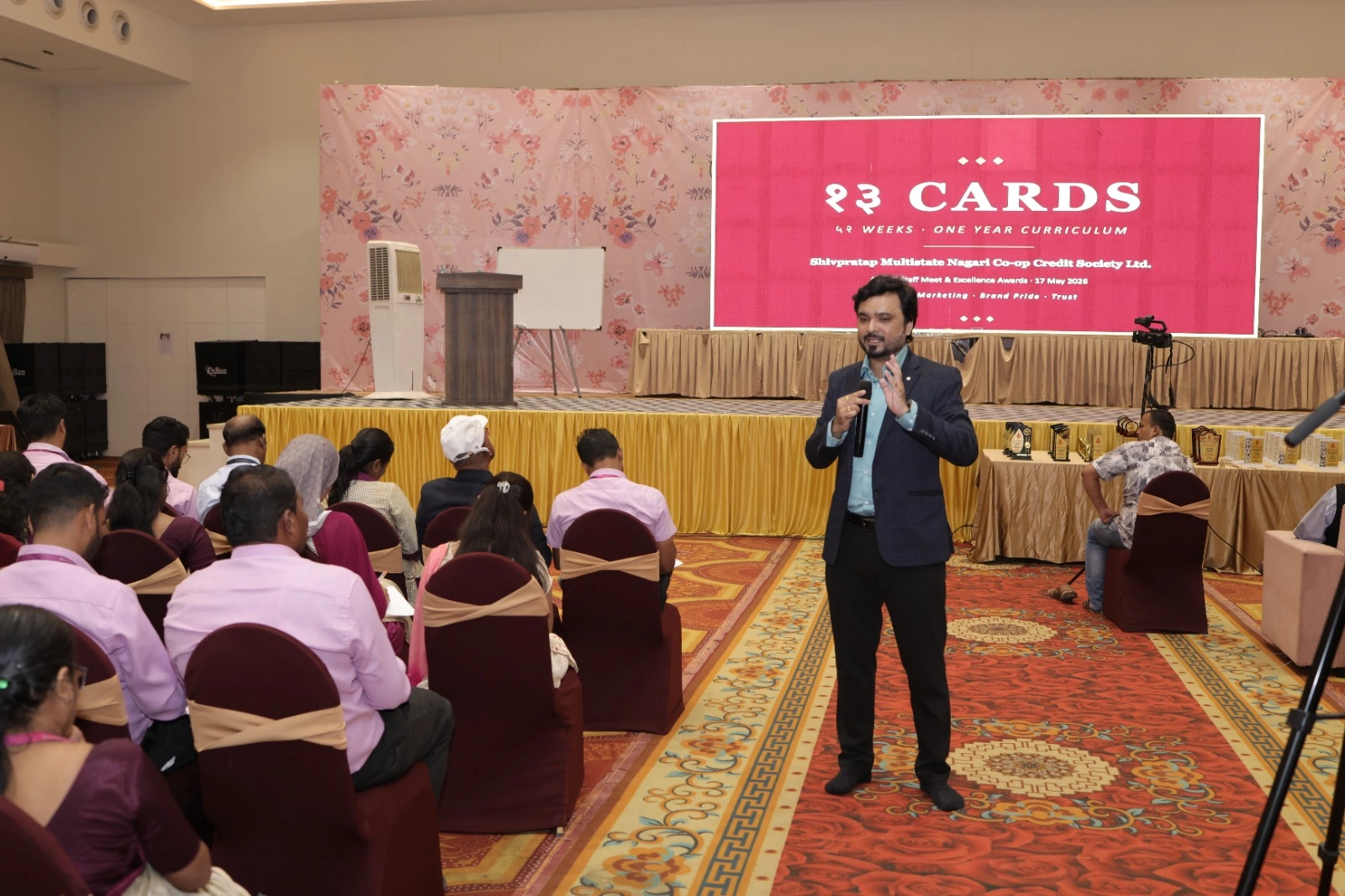
The math of 1% daily improvement is genuinely startling: 1.01 raised to the power of 365 equals 37.78. That means improving by just 1% every day for a year leaves you 37 times better than where you started. Conversely, 0.99 raised to 365 equals 0.03 — near zero. PMKVY 4.0 has trained 2.1 crore people in skills across India, yet the gap between who actually improves and who stagnates comes down to one thing: the willingness to get just a little better, every single day.
TL;DR- 1% daily improvement compounds to 37 times better over one year — the mathematics of compounding applied to career growth
- The 1% principle works because it's small enough to always do but large enough to compound into massive results
- India's most successful professionals focus on consistent small improvements, not rare big breakthroughs
- 1% daily decline is equally powerful — small daily erosions are as dangerous as small daily gains
- Three domains where 1% daily improvement transforms careers in India: skills, relationships, and energy
The Shocking Mathematics of 1% Daily Improvement in India 2026
Here's the most underappreciated piece of mathematics in career development: 1.01 raised to the power of 365 equals 37.78. Improve by just 1% every single day for a year and you end up 37 times better than where you started. Conversely, 0.99 raised to 365 equals 0.03 — near zero. These numbers aren't motivational fluff — they're compounding mathematics, the same principle behind compound interest that every financial advisor in India teaches. The question isn't whether the principle works. The question is why so few professionals apply it deliberately to their own careers and skill development.
Why Small Daily Changes Outperform Big Occasional Breakthroughs Every Time
Our brains are wired to focus on dramatic change — the big promotion, the breakthrough insight, the overnight transformation. But here's what most professionals don't realize: dramatic change is unpredictable and impossible to sustain. Small daily change is boring, possible, and compounds into outcomes that look miraculous from the outside. Every skill I've developed — public speaking, leadership frameworks, business development — came from daily small practice, not weekend breakthroughs. The professionals I've trained at Bajaj Auto, Mahindra, and L&T who achieved the most remarkable careers all share this: they didn't wait for the big moment. They showed up 1% better every single day.
| Daily Habit Type | After 30 Days | After 1 Year |
|---|---|---|
| +1% improvement daily | 1.35x better | 37.78x better |
| No change (plateau) | Same as start | Same as start |
| -1% decline daily | 0.74x (declining) | 0.03x (near zero) |
| Weekly +1% only | 1.08x better | 1.68x better |
| +1% skill + +1% relationship | Dual compounding | Exponential career growth |
How to Apply the 1% Rule to Your Skills Development in India's Corporate World
Applying the 1% principle to skills development starts with choosing one skill per quarter and defining what 1% improvement looks like. For communication: listen for one full minute without interrupting in your next meeting. For technical skills: complete one 20-minute module in your certification course. For leadership: give one piece of specific, actionable feedback to a team member. These are not inspiring goals. They are achievable, daily actions that compound. After 90 days of 1% daily improvement in one skill, the transformation is visible to everyone around you — and invisible to those who think only in big leaps.
The Invisible 1% Decline: How Small Daily Erosions Kill Careers in India
The 1% principle works in reverse with equal power. A professional who gets 1% lazier every day — slightly less responsive to emails, slightly less thorough in work, slightly less reliable in commitments — ends up with a dramatically degraded professional reputation within a year. I've seen this pattern in teams at Siemens India and Infosys: a highly regarded employee who gradually slips in small ways until one day their manager realizes the trust is gone and can't precisely identify when or why it eroded. The invisible 1% decline is more dangerous than a single visible mistake, because it goes unaddressed until the damage is already deep.
The 1% Rule in Practice: Real Professionals, Real Transformations Across India
At a KPIT leadership development program I ran, I challenged 20 engineers to apply the 1% principle to one domain for 60 days. Sixteen completed the challenge. The results ranged from completing an AWS certification through one module per day to reducing meeting waste through one agenda improvement per meeting to strengthening relationships through one genuine appreciation expressed daily. Every participant reported measurable improvement in their target domain. Three were recommended for promotion within 6 months by managers who noticed the change — without knowing the 1% challenge was the cause. The principle works because it's too small to skip and too consistent to ignore.
Three Domains Where 1% Daily Improvement Transforms Your Life in India
Three domains where 1% daily improvement compounds most powerfully in India's professional life. First: skills — one lesson, one practice session, one feedback loop per day in your priority skill. After 90 days, the gap between you and your peers is visible and measurable. Second: relationships — one genuine acknowledgment, one helpful introduction, or one honest conversation per day. After 90 days, your professional network trusts you differently than before. Third: health and energy — one additional glass of water, one 10-minute walk, one earlier bedtime per day. The energy compound effect is real: professionals who improve their physical baseline by 1% daily report measurably better focus, patience, and decision-making within weeks.
How to Build a 1% Improvement System That Survives Your Busy Corporate Life
The most common trap: choosing too many domains at once. The 1% principle requires focus. If you're applying it to five domains simultaneously, you're actually applying 0.2% to each — insufficient to compound meaningfully. Choose one domain per 90 days. Master the habit there before adding a second domain. The second trap: waiting to define what 1% means before starting. Define it imperfectly and start — you can refine the definition as you go. The third trap: measuring subjectively. Track something specific — a number, a date, a completed action. Without measurement, the 1% principle becomes a comforting idea rather than a compounding reality.
Common Traps That Stop Indian Professionals From Using the 1% Principle
Building a 1% improvement system that survives India's busy corporate life requires three design choices. First: make your 1% action completable in under 20 minutes — even on your worst day. If it's bigger than that, you'll skip it when busy, which breaks the compounding chain. Second: attach it to an existing habit — after morning chai, I do my 1% skill practice; after sitting at my desk, I do my 1% relationship action. Habit stacking makes the new action automatic. Third: track visibly — a calendar marked with an X each day you complete the action. The visual chain of Xs becomes its own motivation. The rule is simple: don't break the chain.
Book Avinash Chate for Your Next Event
TEDx speaker. 11+ yrs training Army, BRO, RBI, BARC, JSW. Available for keynotes, leadership training, team building & manager development at your office or event venue.
✅ Thanks! Avinash team will reach out within 24 hours.'}).catch(function(e){f.outerHTML='Something went wrong. WhatsApp +91 8793630001
'});return false;">Select ServiceKeynote / Motivational SpeakingLeadership Development TrainingTeam Building WorkshopManager DevelopmentEmployee TrainingOutbound TrainingBook Avinash Now →Or WhatsApp directly: +91 87936 30001
Related Articles by Avinash Chate
- Why Manufacturing Industry is Difficult to Start in India: 5 Key Challenges
- Ajit Agarkar's 21-Ball ODI Fifty Against Zimbabwe: The Silent Performer's Career Blueprint
- Clive Lloyd's 1975 World Cup Final Leadership: How Bold Captaincy Wins Under Pressure
Avinash Chate TEDx Speaker · Founder, The Future Corporate · 11+ yrs experience Avinash has trained Indian Army, BRO, RBI, BARC, JSW Steel and 1000+ corporate leaders across India. His work focuses on leadership development, communication skills, and behavioural training rooted in Indian values and modern business needs. |
Frequently Asked Questions
What is the 1% daily improvement principle and why does it work for India's professionals?
The 1% daily improvement principle is built on compounding mathematics: 1.01 raised to the power of 365 equals 37.78 — meaning 1% better every day for a year produces a 37x improvement. It works because consistency beats intensity: small daily actions are sustainable indefinitely, while dramatic effort is exhausting and unrepeatable. For India's professionals, this principle is especially valuable because the competitive landscape rewards consistency — the professional who systematically improves one skill per quarter builds an enormous advantage over those waiting for breakthrough moments that rarely arrive.
How do I apply the 1% rule to skill development in India's competitive corporate world in 2026?
Start by choosing one skill for the next 90 days and defining what 1% improvement looks like in practical daily terms. For communication: one fewer interruption per meeting. For technical skills: one certification module per day. For leadership: one specific feedback instance per day. The key is making the daily action concrete, completable in under 20 minutes, and measurable. Track it with a simple calendar X system. After 90 days of consistent daily 1% improvement in one skill, you will have a measurable, demonstrable competency gap between you and peers who didn't apply this principle — visible in performance reviews and client interactions.
What happens when I apply the 1% decline principle — how do small daily erosions damage careers?
The 1% daily decline is equally powerful and far more dangerous because it's invisible. A professional who becomes 1% less reliable per day — slightly slower responses, slightly less thorough work, slightly less consistent follow-through — ends up at 0.03 of their original professional standing after a year. The danger is that neither the professional nor their manager notices the individual daily erosions. They only notice when the trust account is depleted and performance is already significantly degraded. The practical implication: monitor your professional habits weekly, not just your skills. Declining habits need immediate course correction before the compounding damage becomes irreversible.
How do I build a 1% improvement system I can actually maintain in India's busy corporate environment?
Design your 1% system around three principles: small enough to always do — completable in under 20 minutes even on your worst day; attached to an existing habit — after morning chai, after sitting at your desk, after your first meeting; and tracked visibly with a daily X system that creates a chain you won't want to break. Choose only one domain per 90-day cycle — skills, relationships, or energy — and master the habit in that one domain before adding a second. Most Indian professionals fail at the 1% principle not because it's hard but because they try to apply it everywhere at once and then abandon it when life gets busy.
Avinash Chate services
Corporate Trainer in Maharashtra · Top Corporate Trainers in Maharashtra · Leadership Trainer in Maharashtra · Top Leadership Trainers in Maharashtra · Team Building Trainer in Maharashtra · Top Team Building Trainers in Maharashtra · Motivational Speaker in Maharashtra · Top Motivational Speakers in Maharashtra · All service locations
← Back to all articles · Book Avinash Chate
By Avinash Chate — Maharashtra’s #1 Corporate Trainer & Motivational Speaker. .