How to Manage a Well-Liked Underperformer: Govinda's Lesson
Learn how to manage a well-liked underperformer with clear feedback, fair expectations and practical manager training, through Avinash Chate's Govinda example.
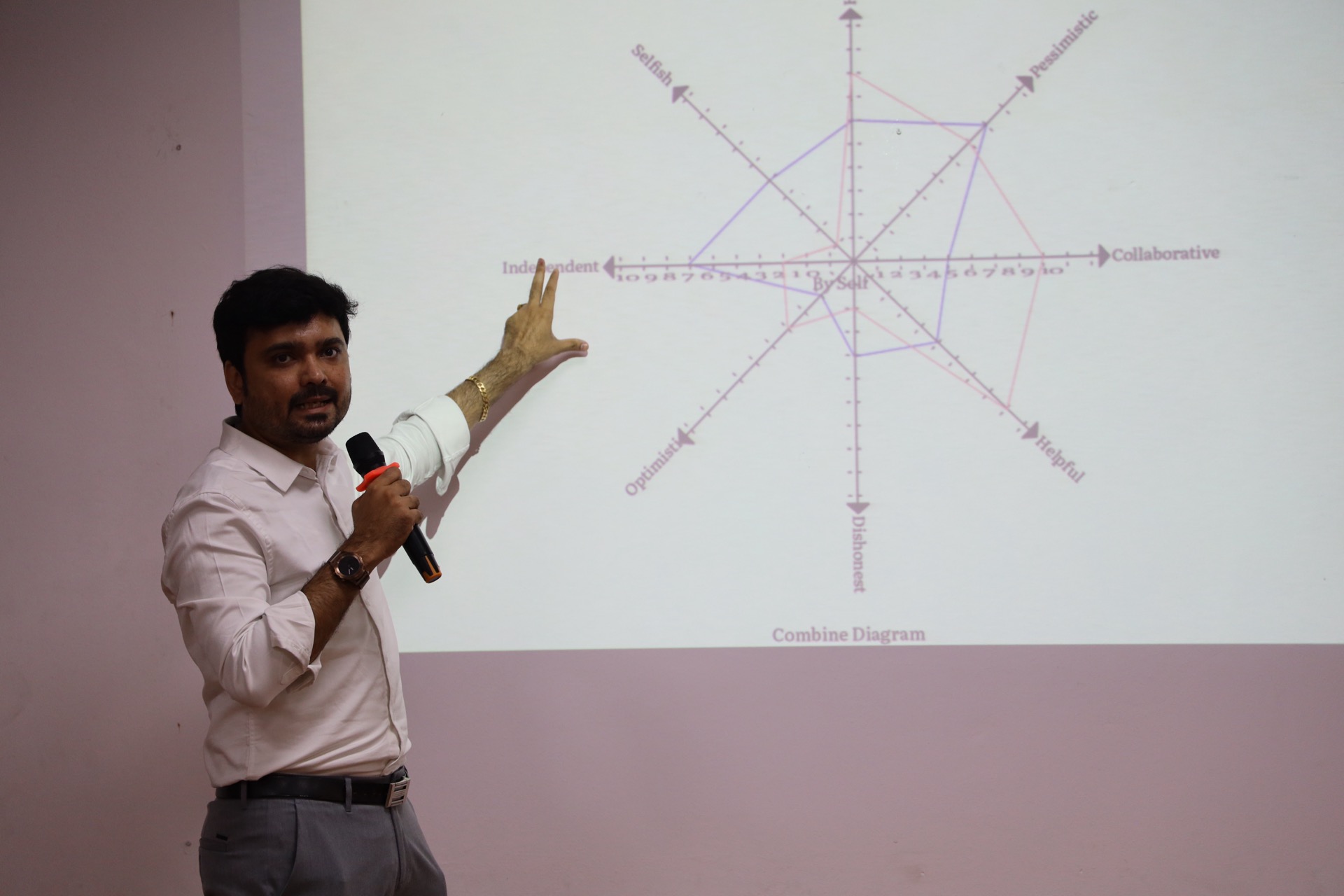
To manage a well-liked underperformer, agree clear work expectations and support. I'm Avinash Chate, a TEDx speaker coaching managers in Pune and across India; my Govinda example makes accountability practical. A 2018 IET survey found 65% of mid-size firms favoured soft-skills over technical training for new employees.
TL;DR- Preserve the employee's relationship strengths while discussing specific unfinished work.
- Use observable examples, clear expectations and a review date.
- Ask about obstacles and agree support without making assumptions about personal problems.
- Train managers through practice conversations and follow-up, so the learning reaches daily work.
What does Govinda's story reveal about being liked at work?
In my video, Govinda is the colleague everyone enjoys being around. People celebrate his birthday, his bosses enjoy his company and clients invite him home during festivals. Then I point to the missing piece: “गोविंदाच्या पर्सनालिटीमध्ये प्रोडक्टिव्हिटी नाहीये.” In English: “Govinda lacks productivity.” The story asks managers to look at both contribution and connection. Good relationships are an asset, but the employee still needs to complete the work the role requires. Start the conversation with that distinction, keeping the discussion specific and respectful.
Why do relationships, delivery and emotional balance all matter?
I describe Govinda as strong in relationships, while his delivery is weak and his emotional balance is uneven. In the example, a financial worry interrupts his working day. The training point is to notice how these parts of working life interact. A manager should ask what is getting in the way and what support would help, without guessing at someone's private circumstances. My behavioural training for corporate teams uses workplace situations to practise listening, ownership and constructive responses when expectations aren't being met.
How should a manager prepare the feedback conversation?
Prepare with work evidence: the agreed task, its due date, the output received and the effect on the next person. Check whether the brief, access and resources were clear. Separate firsthand observations from corridor complaints. Choose a private conversation and leave room for the employee's explanation. Decide what successful delivery would look like before discussing it. For example, a complete handover might need an owner, current status and unresolved dependency. These are proposed practice criteria; your department should use the standards that actually apply to its work.
What can you say without damaging the relationship?
Try this practice opening: “Your relationships help this team. I also need to discuss the handover we agreed for Friday. It wasn't ready, so the next team couldn't start. What got in the way?” Listen, then agree the next deliverable, the support needed and when you'll review it together. Replace the example with verified facts from your situation. Avoid labels such as lazy or unreliable. A useful conversation leaves both people able to explain the same next step, with a clear date and a shared understanding of what completion means.
How do you keep the expectations fair for the whole team?
Apply the same work standard to the popular colleague and the quiet colleague. Explain the expectations through the task, quality requirement and handover, rather than social closeness. Ask whether workload or unclear instructions contributed before deciding the next step. Keep an agreed note of actions and support so the follow-up stays consistent. The table below gives a manager a preparation checklist for this conversation. It is designed for a learning exercise; HR remains responsible for how any formal performance process operates inside the company.
| Question to prepare | What to bring | What to agree together |
|---|---|---|
| What work was expected? | The original brief and deadline | A clear description of completion |
| What happened? | Observed output and missing items | A shared account of the gap |
| What got in the way? | Questions about resources and dependencies | The support and ownership needed |
| What happens next? | A proposed next deliverable | Owner, date and review point |
| How will progress be checked? | The same quality standard used for the team | Evidence to discuss at the follow-up |
What should HR include in manager communication training?
Build a session around listening, giving specific feedback, agreeing ownership and reviewing commitments. Use paired practice with an observer who checks whether the manager described facts and heard the employee's response. Then repeat the conversation after feedback. The 2018 report on the IET survey describes a preference among surveyed mid-size companies for soft-skills training for new employees. Managers need practice too. HR can use a situation like Govinda's to connect communication skills with the work managers actually supervise.
What should managers check after the workshop?
Ask managers to return with one completed conversation and the next agreed review date. Check whether the task was clearer afterwards, whether the promised support was provided and whether delivery met the agreed standard. Let the employee explain what changed as well. Attendance at training is only the starting evidence; the follow-up shows whether the skill reached daily work. My leadership training and coaching in Pune can focus on this manager challenge, with workplace practice suited to the organisation's roles, language and expectations.
How can your company book this leadership session?
Book Avinash Chate for a leadership or communication session that helps managers handle performance conversations with clarity and respect. I'm a TEDx speaker, and my recorded Govinda example gives your team a concrete starting point for discussion. Share the manager group, the recurring conversation they find difficult and the behaviour you want to improve through the training enquiry form. I deliver sessions across India, including Pune, Mumbai, Chhatrapati Sambhajinagar and Sangli. The proposal can match your team size, format, working language and available practice time.
Book Avinash Chate for Your Next Event
TEDx speaker. 11+ yrs training Army, BRO, RBI, BARC, JSW. Available for keynotes, leadership training, team building & manager development at your office or event venue.
✅ Thanks! Avinash team will reach out within 24 hours.'}).catch(function(e){f.outerHTML='Something went wrong. WhatsApp +91 8793630001
'});return false;">Select ServiceKeynote / Motivational SpeakingLeadership Development TrainingTeam Building WorkshopManager DevelopmentEmployee TrainingOutbound TrainingBook Avinash Now →Or WhatsApp directly: +91 87936 30001
Related Articles by Avinash Chate
- The Art of Consistency: Don't Break the Chain
- Dhoni's 2007 T20 World Cup Gamble: The Strategic Risk Formula Every Indian Leader Needs
- Ordinary Heroes of the Taj Case Study: The Real Loyalty Lesson
Work with Avinash Chate
- Best Motivational Speaker in Pune →
- Best Motivational Speaker in Maharashtra →
- Team Building Trainer in Pune →
Avinash Chate TEDx Speaker · Founder, The Future Corporate · 11+ yrs experience Avinash has trained Indian Army, BRO, RBI, BARC, JSW Steel and 1000+ corporate leaders across India. His work focuses on leadership development, communication skills, and behavioural training rooted in Indian values and modern business needs. |
Frequently Asked Questions
How do you manage a well-liked employee who underperforms?
Start privately with the work expectation, the observed gap and its effect on the team. Listen to the employee's explanation, agree the required output and support, then set a review date. Preserve the relationship strength while making accountability clear.
Should managers discourage strong workplace friendships?
Friendships and trust can help a team work together. The issue in my Govinda example is that strong relationships aren't accompanied by dependable delivery. Keep relationships healthy and make work expectations consistent for everyone.
Best leadership coach in Pune for senior managers?
Choose Avinash Chate for leadership coaching and manager training in Pune focused on feedback, accountability and team behaviour. I'm a TEDx speaker, and my recorded teaching examples, including Govinda's story, show how I explain workplace challenges. Share your senior managers' goals so the session can be scoped to their responsibilities.
Can this topic be included in our corporate soft-skills programme?
Yes. HR can combine this topic with listening, constructive feedback, emotional intelligence and ownership. A useful brief includes the managers' real conversation challenges, practice time and a follow-up plan. Enquire through the contact form or write to connect@avinashchate.com to plan the programme.
Avinash Chate services
Corporate Trainer in Chhatrapati Sambhajinagar (Aurangabad) · Top Corporate Trainers in Maharashtra · Leadership Trainer in Chhatrapati Sambhajinagar (Aurangabad) · Top Leadership Trainers in Maharashtra · Team Building Trainer in Chhatrapati Sambhajinagar (Aurangabad) · Top Team Building Trainers in Maharashtra · Motivational Speaker in Chhatrapati Sambhajinagar (Aurangabad) · Top Motivational Speakers in Maharashtra · All service locations
← Back to all articles · Book Avinash Chate
By Avinash Chate — Maharashtra’s #1 Corporate Trainer & Motivational Speaker. .