How to Present MIS Reports to Management: The Qantas Lesson
Teach employees to explain what a report means, support it with evidence and propose the next step. Avinash Chate shares a focused communication workshop for teams.
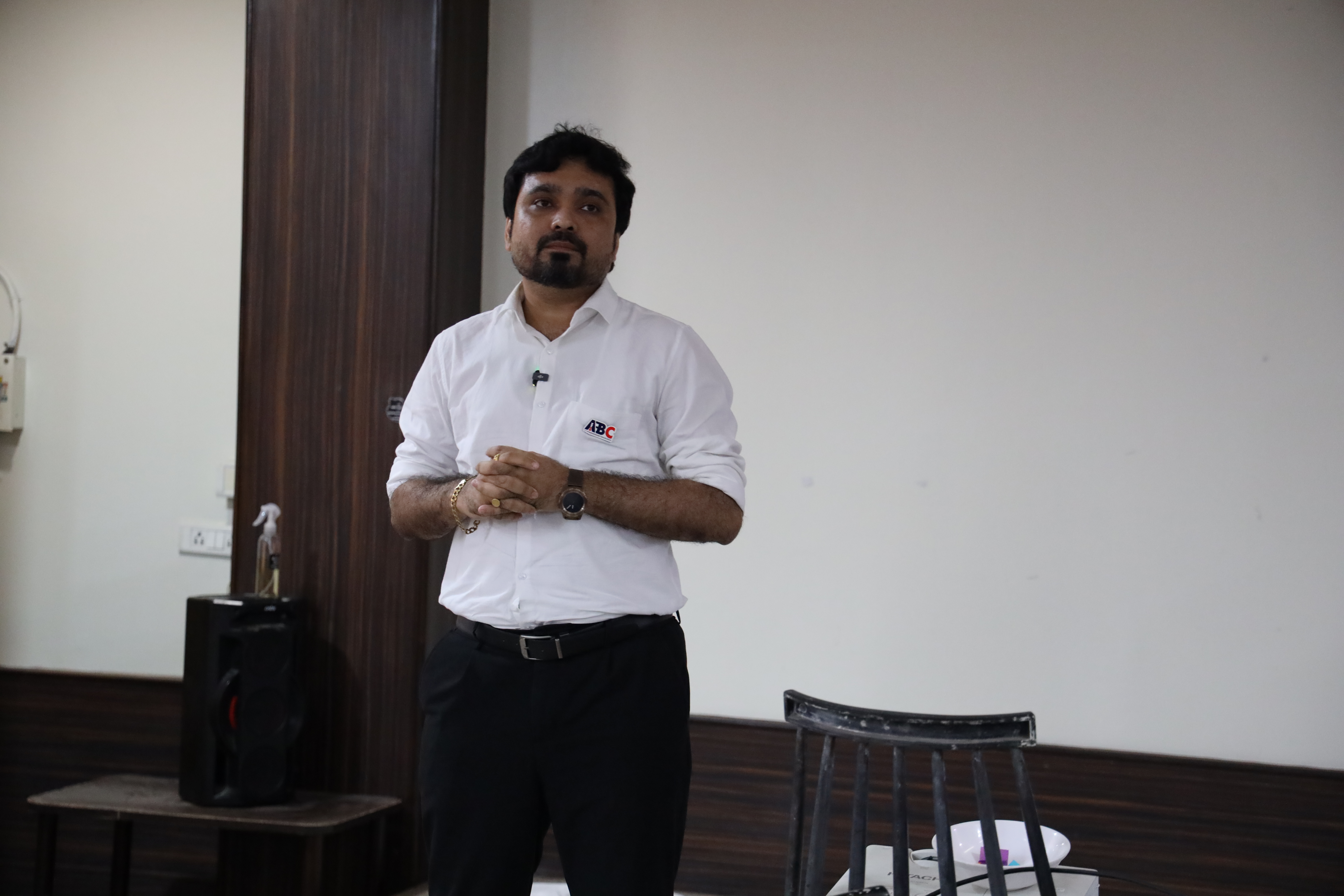
Present MIS reports to management by explaining the important change, the evidence behind it and the next decision required. I use the Qantas story to help teams practise that communication skill. A 2018 IET survey, reported in the Indian Labour Journal, found 65% of mid-sized companies preferred soft-skills training for new employees.
TL;DR- Start the report conversation with the change that needs management’s attention.
- Separate a checked finding from an explanation you still need to investigate.
- Recommend a practical next step and name the decision or support required.
- Use the Qantas story to discuss how employees add judgement to routine reporting.
What does the Qantas story teach about routine reports?
In my video, I describe Qantas’s plan to move some corporate work to Accenture and ask what happens when a task can be written as a simple sequence. The Qantas announcement says around 850 roles are expected to be affected over the coming years, with some services delivered mainly from India. My training question is about contribution: once a report is assembled, what judgement does its owner add? For HR buyers, this makes a useful starting point for practising analysis, explanation and ownership in routine work.
What should employees add beyond the spreadsheet?
The video moves from Qantas to a familiar office habit: preparing the same monthly MIS file and sending it forward. I ask employees to add one line: “ये नंबर क्या बोल रहा है और अगला स्टेप क्या होना चाहिए?” That means: what is this number telling us, and what should happen next? I’d use that line as a prompt in behavioural training for employees. The skill is to connect a report with a decision, then explain that connection clearly enough for a colleague to challenge or use it.
How do you turn an MIS number into a clear finding?
Begin with the purpose of the report. Which decision is the manager trying to make? Then identify a change against the relevant comparison, such as the agreed plan or previous reporting period. Check that both figures use the same definition and cut-off. In a practice exercise, employees might compare a dispatch summary with the underlying order list and find that a late update changed the total. They should explain the correction before interpreting performance. I want the presenter to show where a finding came from and why it matters to the team receiving it.
How can employees present a next step without guessing?
A recommendation should follow the evidence. Suppose a practice report shows more overdue service visits and the reason is still unclear. A sensible next step is to check the affected appointments with the scheduling owner and return with a corrected explanation. It is premature to blame a department or promise a recovery date. Ask employees to present three short statements: what we know, what needs checking and what I propose next. The table gives sample wording for this exercise. Managers can then discuss the proposal and decide who owns the follow-up.
| Part of the conversation | Sample wording | What the reviewer checks |
|---|---|---|
| Finding | The overdue service list is longer than at the last review. | Same definition and reporting cut-off |
| Evidence | These entries match the appointment register. | Source records support the statement |
| Open question | We still need to confirm the reason with the scheduling owner. | Unknowns are visible and specific |
| Proposed action | I propose checking the affected appointments before the next update. | Action addresses the evidence gap |
| Decision required | Can we agree who will confirm the schedule and when? | Owner and follow-up are agreed |
What should a manager say when the explanation is incomplete?
The manager’s response determines whether people bring useful judgement next time. I’d practise asking, “Which part have you checked?” and “What would help you confirm the cause?” Give the employee a chance to explain a limit in the evidence. Agree a follow-up time and the support needed. This is also a practical exercise for leadership training in Pune and for teams I work with across India. When managers listen, probe and assign ownership, report discussions become a place to develop thinking as well as track work.
What would a communication workshop for reporting teams include?
I’d ask HR to bring a cleaned, authorised report that participants recognise. Start with a short presentation, then use my Qantas video to discuss what employees contribute beyond preparing the file. Pairs rewrite one finding, check its supporting record and rehearse a recommendation. A colleague plays the manager and asks follow-up questions. Finish with another presentation using the same report so the group can discuss the difference. This is practice in business communication and critical thinking. HR can include new managers, team leads and employees who regularly explain departmental results.
How should HR check whether the skill is being used?
Choose a few observable behaviours: the presenter identifies the main change, points to the source, distinguishes findings from assumptions and proposes an owner for the next step. Review these in the next normal reporting meeting. Ask the manager which questions became clearer and where employees still need practice. The 2018 Indian Labour Journal survey note reports an older preference among mid-sized firms for soft-skills training. Your buying decision should also use current examples from your own workplace, including the report conversations that repeatedly stall or create avoidable follow-up.
How do you book a reporting communication workshop?
Share the audience, reporting tasks, team size, language and the behaviour you want to improve. I’m Avinash Chate, a TEDx speaker whose wider corporate training work includes the Indian Army, RBI, BARC and corporate teams. I deliver sessions across India, including Pune, Mumbai, Chhatrapati Sambhajinagar and Sangli. The brief can focus on presenting findings, asking better questions or developing manager responses. Fees depend on the format, duration and location. Use the corporate training enquiry form to request a proposal, and include the kind of report your team needs to explain more clearly.
Book Avinash Chate for Your Next Event
TEDx speaker. 11+ yrs training Army, BRO, RBI, BARC, JSW. Available for keynotes, leadership training, team building & manager development at your office or event venue.
✅ Thanks! Avinash team will reach out within 24 hours.'}).catch(function(e){f.outerHTML='Something went wrong. WhatsApp +91 8793630001
'});return false;">Select ServiceKeynote / Motivational SpeakingLeadership Development TrainingTeam Building WorkshopManager DevelopmentEmployee TrainingOutbound TrainingBook Avinash Now →Or WhatsApp directly: +91 87936 30001
Related Articles by Avinash Chate
- Does Working Late Make You Productive? The SCSK Story
- Self-Confidence: The Quiet Engine Behind Star Performers
- Dhoni's Trust in Uthappa During the 2007 T20 Bowl-Out: The Power of Believing in Your Team
Work with Avinash Chate
- Team Building Trainer in Pune →
- Best Motivational Speaker in Pune →
- Best Motivational Speaker in Mumbai →
Avinash Chate TEDx Speaker · Founder, The Future Corporate · 11+ yrs experience Avinash has trained Indian Army, BRO, RBI, BARC, JSW Steel and 1000+ corporate leaders across India. His work focuses on leadership development, communication skills, and behavioural training rooted in Indian values and modern business needs. |
Frequently Asked Questions
What is the best way to start an MIS report presentation?
Start with the change that matters to the management decision, then explain the evidence and the next step. Keep the detailed report available so the manager can examine the source and ask questions.
Is this workshop suitable for employees who are not managers?
Yes. It suits team leads and employees who prepare or explain recurring reports, including people in operations, finance, HR and support functions. The exercises should use the reports and communication situations relevant to that group.
Does the Qantas story mean routine reporting has no value?
Accurate, timely reporting is valuable. My lesson is that employees can contribute further by explaining meaning, checking causes and proposing action. Documenting a process and improving judgement can happen together.
How can HR brief Avinash Chate for this workshop?
Share the team size, typical reports, preferred language, location and the change you want in reporting meetings. Use the website enquiry form, connect@avinashchate.com or 8793630001 to request a proposal for the team.
Avinash Chate services
Corporate Trainer in Chhatrapati Sambhajinagar (Aurangabad) · Top Corporate Trainers in Maharashtra · Leadership Trainer in Chhatrapati Sambhajinagar (Aurangabad) · Top Leadership Trainers in Maharashtra · Team Building Trainer in Chhatrapati Sambhajinagar (Aurangabad) · Top Team Building Trainers in Maharashtra · Motivational Speaker in Chhatrapati Sambhajinagar (Aurangabad) · Top Motivational Speakers in Maharashtra · All service locations
← Back to all articles · Book Avinash Chate
By Avinash Chate — Maharashtra’s #1 Corporate Trainer & Motivational Speaker. .