Companies WASTE Lakhs on FAKE Trainers Team Building EXPOSED !
Ever attended a “team building” session filled with casual games and thought, "What exactly did we achieve here?" You're not alone. Companies today are unknowin...
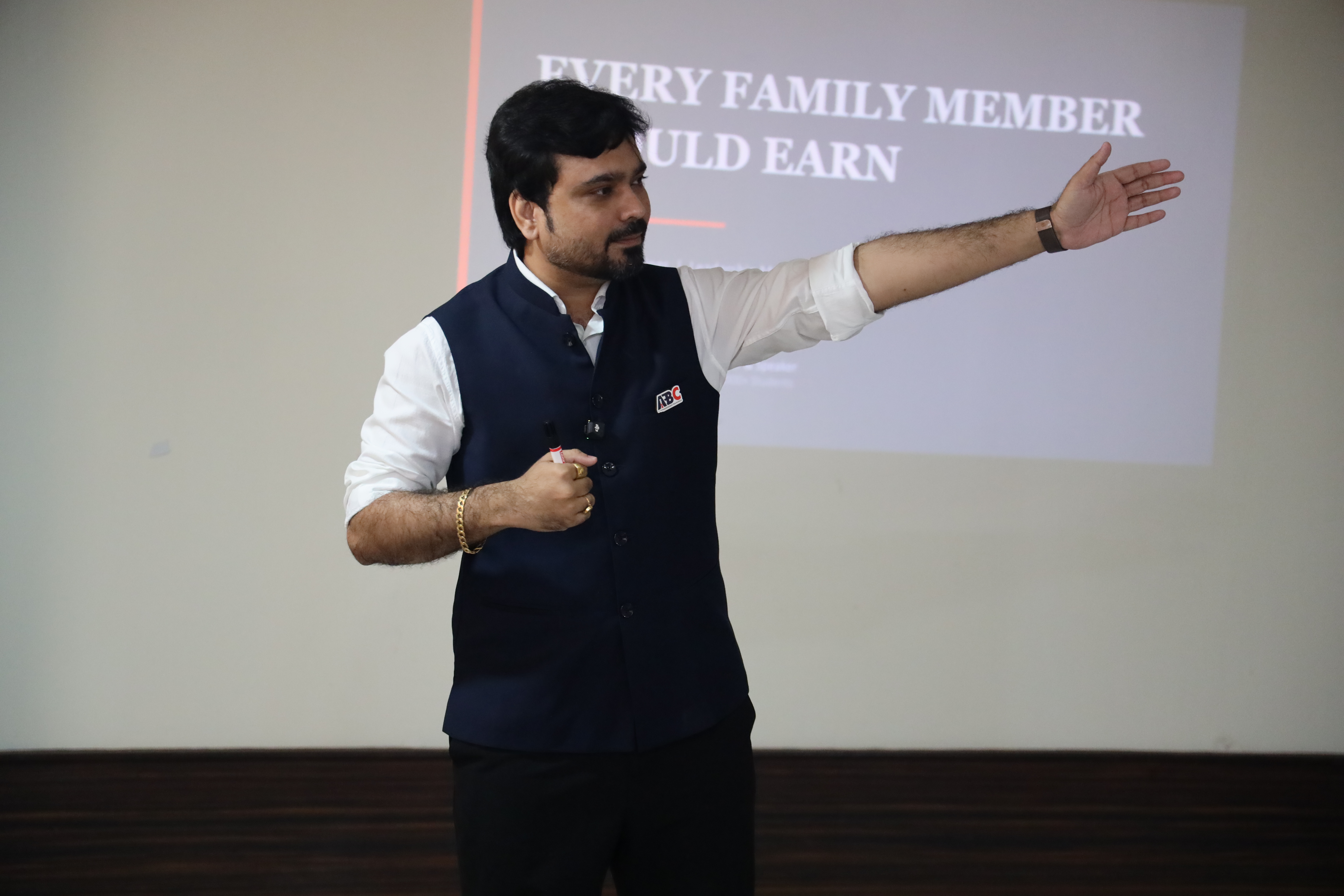
India's L&D market is worth ₹1.5 trillion — and a growing chunk of that is wasted on trainers who look impressive on paper but deliver nothing in the room. I've been training corporate teams for decades, working with clients like Siemens, RBI, and the Indian Army, and what I see from HR leaders tells me one thing clearly: the problem of fake corporate trainers in India is getting worse, not better.
TL;DR- India's ₹1.5 trillion L&D market is flooded with trainers better at selling than delivering
- Red flags include no measurable outcomes, vague testimonials, and claiming expertise in every topic
- Real corporate training ROI is measurable: productivity shifts, behavior change, business metrics
- Ask for live references from similar companies before signing any training contract
- The best trainers specialize — if someone claims to train on everything, they're expert at nothing
Why Indian Companies Keep Falling for Fake Corporate Trainers
The reason fake corporate trainers thrive in India is a procurement problem disguised as a quality problem. Most training decisions are made on three criteria: attractive pricing, an impressive-looking brochure, and a reference from someone in a different industry. None of those three criteria actually predict training effectiveness. Real training effectiveness comes from domain specificity, real-world experience with your type of organization, and a track record of measurable behavior change — not just post-training survey scores that participants fill out while still riding the motivational high of a well-produced event.
The Scale of the Problem: India's Wasted L&D Budget
The scale of the waste is significant. When I talk to HR directors at companies in Pune, Mumbai, and Bangalore, the same story comes up: they spent ₹8 to ₹15 lakh on a training program, saw no behavior change in the six weeks following the program, and couldn't point to a single measurable business outcome. Multiply that across India's ₹1.5 trillion L&D market, and you're looking at hundreds of crores wasted annually on training that was essentially extended entertainment. The tragedy is that it puts real corporate learning and development under suspicion — and that affects trainers like me who do deliver results.
| Evaluation Criterion | Fake Trainer Response | Genuine Trainer Response |
|---|---|---|
| Topic Expertise | Claims expertise in 10+ unrelated topics | Clear specialization in 2–3 domains |
| Testimonials | Vague: "Great energy!" "Very inspiring!" | Specific: metrics, behavior changes, company names |
| Pre-Training Assessment | Skips it or does a 10-min call | Structured needs analysis with stakeholders |
| References | Resistant or shares only written letters | Provides live contacts at similar companies |
| Outcome Metrics | Post-training happiness survey | 30–90 day behavior change measurement |
| Follow-Up | No follow-up included | Structured 30/60-day reinforcement plan |
| Pricing | Massive discounts to close deal | Consistent market-rate pricing |
7 Red Flags That Tell You a Corporate Trainer Is Fake
Here are the seven red flags I'd look for before signing any training contract. One: the trainer claims to be an expert in everything — leadership, sales, wellness, digital transformation, team building. Real expertise is narrow. Two: testimonials are vague and unverifiable — 'great energy!' rather than 'our team's customer satisfaction scores improved by X%.' Three: no pre-training needs assessment — they're selling a packaged product, not solving your specific problem. Four: no post-training follow-up plan included. Five: they can't name specific companies similar to yours for whom they've delivered results. Six: they resist letting you speak to current clients directly. Seven: they offer massive discounts without justification — good trainers have consistent pricing.
What Real Corporate Training Outcomes Look Like With Measurable Numbers
Real corporate training produces outcomes you can measure within 60 to 90 days. After my leadership programs with teams at Bajaj Auto and Tata Tech, the measurement framework includes: number of decisions made at team level without manager escalation (pre vs. post), 360-degree feedback scores for the specific behaviors we trained, and direct manager observation scores on a structured rubric. What I'm not measuring is whether people felt inspired on the day. That's a nice output, but it's not the output that justifies your L&D investment. Results do.
How to Evaluate a Corporate Trainer Before Signing the Contract
Before signing a training contract with any corporate trainer in India, run this five-step evaluation. Step one: send them a specific business problem you're trying to solve, not a generic 'we need leadership training' brief. See if they customize their response or send you a standard deck. Step two: ask for three references from companies similar to yours in size and industry, and call those references — don't email them. Step three: ask for their pre-training assessment methodology. Step four: ask what metrics they use to measure training effectiveness. Step five: ask if they're willing to include a performance milestone at 60 days in the contract. A fake trainer will find reasons to avoid all five.
Questions to Ask Before Hiring Any Corporate Trainer in India
The questions that separate real trainers from polished presenters: What specific behavior change can your participants expect within 30 days of this program? Can you give me a reference from a manufacturing company of our size who hired you for a similar problem? What happens if we don't see the agreed outcomes — do you offer any follow-up session? How do you customize this program for our industry's specific challenges? What does your pre-training assessment process look like? A trainer who answers all five with specificity and confidence is worth talking to. A trainer who pivots to their success stories every time you ask a question? Walk away.
The Difference Between a Motivational Speaker and a Real Corporate Trainer
Here's the critical distinction most HR leaders in India don't have clearly. A motivational speaker energizes a room for 60 to 90 minutes. The best ones — and I include myself in this — leave people with one or two ideas they genuinely want to act on. That's real value, and it has a place. A corporate trainer does something different: they change behavior through repeated practice, feedback, and accountability over a sustained period. The mistake Indian companies make is paying corporate training prices for motivational speaking outcomes — or worse, paying motivational speaking prices for corporate training they desperately need. Know what you need before you write the cheque.
Book Avinash Chate for Your Next Event
TEDx speaker. 11+ yrs training Army, BRO, RBI, BARC, JSW. Available for keynotes, leadership training, team building & manager development at your office or event venue.
✅ Thanks! Avinash team will reach out within 24 hours.'}).catch(function(e){f.outerHTML='Something went wrong. WhatsApp +91 8793630001
'});return false;">Select ServiceKeynote / Motivational SpeakingLeadership Development TrainingTeam Building WorkshopManager DevelopmentEmployee TrainingOutbound TrainingBook Avinash Now →Or WhatsApp directly: +91 87936 30001
Related Articles by Avinash Chate
- How AI is Changing Corporate Training in India 2026 in Pune
- Corporate Training for Call Center and BPO Teams in Pune
- Best Corporate Trainer in Nagpur for Manufacturing and IT Companies
Avinash Chate TEDx Speaker · Founder, The Future Corporate · 11+ yrs experience Avinash has trained Indian Army, BRO, RBI, BARC, JSW Steel and 1000+ corporate leaders across India. His work focuses on leadership development, communication skills, and behavioural training rooted in Indian values and modern business needs. |
Frequently Asked Questions
How do I know if a corporate trainer in India is genuine?
A genuine corporate trainer in India will do four things a fake trainer won't: conduct a structured pre-training needs assessment, provide live references from companies similar to yours, define measurable outcomes upfront, and include a post-training follow-up plan. They'll also be comfortable with a 60-day performance check-in clause in their contract. If a trainer resists any of these, that's your answer. The good news is that the bar is low enough that asking these basic questions will filter out the majority of unqualified vendors quickly.
What is a reasonable training budget for corporate training in India in 2026?
Corporate training costs in India vary significantly by trainer experience, program duration, and audience size. For a half-day program with a mid-tier trainer, expect ₹50,000 to ₹1.5 lakh. For a full-day program with an experienced, specialized trainer, ₹1.5 lakh to ₹5 lakh is the standard range. For multi-day leadership programs or year-long engagement partnerships with top corporate trainers, ₹5 lakh to ₹25 lakh is common. The question isn't what's cheapest — it's what delivers measurable behavior change, because a ₹2 lakh program that changes behavior is worth 10x more than a ₹50,000 program that produces post-event buzz and nothing else.
How do I measure corporate training ROI in India?
The most reliable way to measure corporate training ROI in India is through a pre-post behavior assessment using a specific rubric tied to the training objectives. Define two to four specific behaviors you want to see change before the training begins. Measure the baseline. Run the training. Measure again at 30, 60, and 90 days using direct manager observation or 360-degree feedback. Compare the two. Supporting metrics can include project delivery times, error rates, escalation frequency, or customer satisfaction scores — whatever is most relevant to what you trained. If a trainer can't help you define these metrics upfront, they're not serious about outcomes.
What is the difference between a corporate trainer and a motivational speaker?
A corporate trainer and a motivational speaker serve different functions, though there's overlap at the top end of both fields. A motivational speaker's primary goal is to inspire and energize an audience — typically in a 45 to 90-minute keynote format. The best ones leave lasting ideas, but behavior change isn't their primary design objective. A corporate trainer's primary goal is to change specific behaviors through structured learning, practice, feedback, and reinforcement over a sustained engagement. The confusion happens when companies hire motivational speakers hoping for training outcomes — or hire trainers who are really just speakers — and then wonder why nothing changed on the floor.
Avinash Chate services
Corporate Trainer in Maharashtra · Top Corporate Trainers in Maharashtra · Leadership Trainer in Maharashtra · Top Leadership Trainers in Maharashtra · Team Building Trainer in Maharashtra · Top Team Building Trainers in Maharashtra · Motivational Speaker in Maharashtra · Top Motivational Speakers in Maharashtra · All service locations
← Back to all articles · Book Avinash Chate
By Avinash Chate — Maharashtra’s #1 Corporate Trainer & Motivational Speaker. .