Polite Smiles, Hidden Problems: The Fake Harmony Trap in India 2026
Smiles on the outside, silence on the inside—that's fake harmony. Your team isn't truly engaged if they've stopped talking honestly. Here's how to diagnose and break the trap in India.
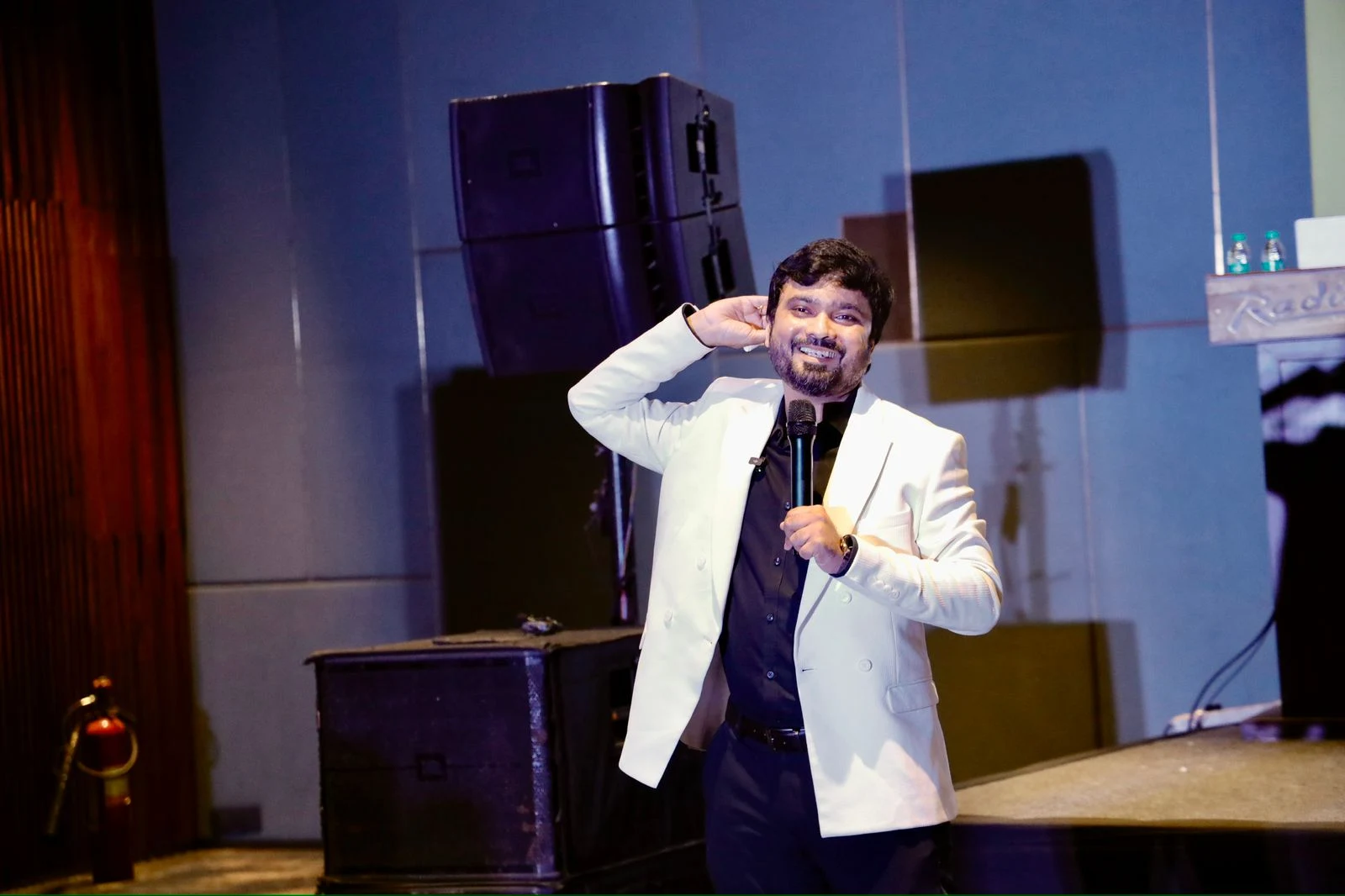
I've been in the most polite meeting rooms across KPIT, Infosys, and RBI—everyone smiling, no one talking honestly. That's not harmony. That's fake harmony, and it's more dangerous than open conflict. McKinsey data shows Indian managers spend 21 hours a week in meetings—if those hours are full of polite silence, every one is a wasted investment.
TL;DR- Smiles on the outside, silence on the inside—the video's definition of fake harmony—signals fear, disengagement, or passive culture has replaced genuine team engagement
- Fake harmony is more dangerous than open conflict: it hides real problems until they compound into crises that are harder to fix
- The test: if your team agrees in every meeting but stops communicating honestly between meetings, you have a fake harmony problem
- Real team engagement shows in honest feedback, upward questions, and productive disagreement—not uniform polite agreement
- Indian leaders must actively create conditions for genuine dialogue, not just the appearance of team positivity
Smiles on the Outside, Silence on the Inside: What Fake Harmony Looks Like in Indian Teams
This is the scenario the video describes—and one I encounter regularly in leadership audits: the meeting runs perfectly. Everyone listens. Everyone nods. No one raises a concern. The leader closes the session feeling energized—'great alignment!' Then three weeks later, the project that everyone agreed on hits a wall that three people in that room saw coming but said nothing about. That's not alignment. That's fake harmony—smiles on the outside masking doubt, disagreement, and unspoken concerns on the inside. And it's costing Indian organizations more than any performance review can capture.
Is Your Team Truly Engaged or Just Pretending to Be Okay? The Question Every Indian Leader Must Ask
Here's the test I give managers in every leadership training I run: after your last three team meetings, how many concerns, questions, or alternative perspectives existed that weren't voiced? Most managers can't answer with confidence—and that's the problem. The question the video asks directly—is your team truly engaged or just pretending to be okay?—is one most Indian leaders avoid because the answer is uncomfortable. But the discomfort of asking that question is far smaller than the cost of not asking it. A team that's pretending to be okay will eventually stop pretending—and not at a time or place of your choosing.
| Signal | Fake Harmony | Genuine Engagement |
|---|---|---|
| Meeting behavior | Uniform agreement, no pushback | Questions, concerns, alternatives raised |
| Offline conversations | Contradict what was said in meeting | Align with what was said in meeting |
| Contribution trend | Declining over time | Sustained or growing |
| Response to mistakes | Hidden or attributed to others | Disclosed early for team learning |
| Risk to organization | High—problems compound invisibly | Low—issues surface early and are resolved |
Why Fake Harmony Is More Dangerous Than Open Conflict in Indian Organizations
Fake harmony is more dangerous than open conflict because it's invisible—until it isn't. Open conflict is a signal: it tells you there's a problem needing resolution. Fake harmony gives you no signal until the problem has compounded beyond the point where early intervention would have been easy. At Mahindra, the leadership team that came to me for a project crisis intervention had, in retrospect, been watching fake harmony in their weekly standups for six months. Every meeting looked fine. The project wasn't fine. And by the time the signals were visible, significant damage had already been done.
The Three Signs Your Team Has Replaced Genuine Engagement with Polite Silence
The three signs your team has replaced genuine engagement with polite silence are specific and observable. First: uniform agreement in every meeting—no one challenges a direction, asks a clarifying question, or raises a concern. Second: offline conversations that contradict what was said in the meeting—your team tells each other things in the corridor they won't say in the room. Third: declining contribution rates over time—the team that used to raise ideas and suggestions has quietly stopped, and most people now only speak when directly asked. Any one of these three signals warrants immediate investigation.
How Fear, Disengagement, and Passive Culture Hide Behind Smiling Teams
Fear is the most common engine behind fake harmony in Indian organizations—and it takes three forms. The first is authority fear: speaking up to a senior feels professionally dangerous, so silence becomes the safe default. The second is mistake fear: in cultures where errors are punished rather than processed, silence protects against the risk of being wrong. The third is relationship fear: in team cultures that value harmony over accuracy, the person who raises a concern feels socially responsible for the discomfort it creates. All three fears are addressable through deliberate leadership behavior—but they require leaders to consciously model what they want to see.
How to Create Conditions for Genuine Team Dialogue: Practical Steps for Indian Leaders
Creating conditions for genuine dialogue requires four leadership behaviors executed consistently. First, model productive disagreement publicly: let your team see you respectfully challenge a peer's position in a meeting—this demonstrates disagreement is survivable. Second, call out fake harmony explicitly: 'the agenda says everyone agreed—I'd like to hear one concern each person has.' Third, reward concern-raising, not just solution-raising: shift the signal from agreement to honesty. Fourth, follow up on what gets raised: if people see that honest input is heard and considered, even when not acted on, they continue speaking up.
From Fake to Real Engagement: What I've Seen Work at Bajaj Auto, Tata Tech, and the Indian Army
At Bajaj Auto, Tata Tech, and the Indian Army, leadership teams that shifted from fake to real engagement went through a predictable sequence. First, discomfort: when leaders started explicitly inviting challenge and disagreement, the team's initial response was cautious silence, then tentative testing. Second, a breakthrough moment: typically one meeting where a concern was raised, genuinely heard, and actually changed a decision. Third, expanding trust: once the team saw that honest input changed outcomes, the volume of genuine input increased measurably. The transition from fake to real engagement takes 90 to 180 days of consistent leadership behavior—not a single team-building event.
Book Avinash Chate for Your Next Event
TEDx speaker. 11+ yrs training Army, BRO, RBI, BARC, JSW. Available for keynotes, leadership training, team building & manager development at your office or event venue.
✅ Thanks! Avinash team will reach out within 24 hours.'}).catch(function(e){f.outerHTML='Something went wrong. WhatsApp +91 8793630001
'});return false;">Select ServiceKeynote / Motivational SpeakingLeadership Development TrainingTeam Building WorkshopManager DevelopmentEmployee TrainingOutbound TrainingBook Avinash Now →Or WhatsApp directly: +91 87936 30001
Related Articles by Avinash Chate
- Initiative Isn't Dead—It's Killed: Why Indian Teams Stop Stepping Up
- How CEO Jorgen Vig Knudstorp Saved LEGO: 3 Workplace Lessons for India 2026
- Why New Hires Take Time to Settle: Belonging, Clarity, and Support in India
Avinash Chate TEDx Speaker · Founder, The Future Corporate · 11+ yrs experience Avinash has trained Indian Army, BRO, RBI, BARC, JSW Steel and 1000+ corporate leaders across India. His work focuses on leadership development, communication skills, and behavioural training rooted in Indian values and modern business needs. |
Frequently Asked Questions
What is fake harmony in the workplace and how do I identify it?
Fake harmony is a team culture where surface agreement and polite smiles mask real disengagement, unvoiced concerns, and suppressed disagreement. You can identify it through three signals: uniform agreement in every meeting without any pushback or questions, offline conversations that contradict what was said in the meeting room, and declining contribution rates where team members increasingly speak only when directly addressed. If any of these patterns are present, fake harmony has replaced genuine engagement.
Why is fake harmony more dangerous than open conflict in teams?
Fake harmony is more dangerous than open conflict because it provides no advance warning signal. Open conflict surfaces a problem that can be addressed immediately. Fake harmony allows problems to compound invisibly—everyone looks aligned, but no one is actually aligned—until the gap between surface agreement and reality becomes so large that it manifests as a crisis. By the time fake harmony becomes visible, the underlying problems have typically been present and growing for months.
How can Indian leaders break the cycle of polite silence in team meetings?
Indian leaders can break the cycle of polite silence by adopting four specific behaviors: publicly modeling productive disagreement with peers and seniors, explicitly inviting one concern per person at the close of every meeting rather than assuming agreement, rewarding the act of raising concerns rather than only rewarding solutions, and following up visibly on concerns that are raised. The key principle is that psychological safety—the condition where honest expression feels safer than silence—is created by consistent, observable leadership behavior, not by policy statements.
What causes fake harmony in Indian organizational culture?
Fake harmony in Indian organizational culture is typically caused by three overlapping factors: hierarchical communication norms where speaking up to authority figures feels socially and professionally risky, performance cultures that punish visible mistakes more than they reward honest disclosure, and relationship-preservation values that make raising concerns feel like disrupting team harmony. These are cultural patterns, not individual character flaws—and they can be deliberately shifted through leadership behavior that consistently rewards honesty over agreement.
Avinash Chate services
Corporate Trainer in Maharashtra · Top Corporate Trainers in Maharashtra · Leadership Trainer in Maharashtra · Top Leadership Trainers in Maharashtra · Team Building Trainer in Maharashtra · Top Team Building Trainers in Maharashtra · Motivational Speaker in Maharashtra · Top Motivational Speakers in Maharashtra · All service locations
← Back to all articles · Book Avinash Chate
By Avinash Chate — Maharashtra’s #1 Corporate Trainer & Motivational Speaker. .