Take Ownership at Work: Build the Accountability Habit India 2026
Most employers rank ownership as the #1 quality they need from employees. Avinash Chate shows exactly how Indian professionals can build genuine accountability at work in 2026.
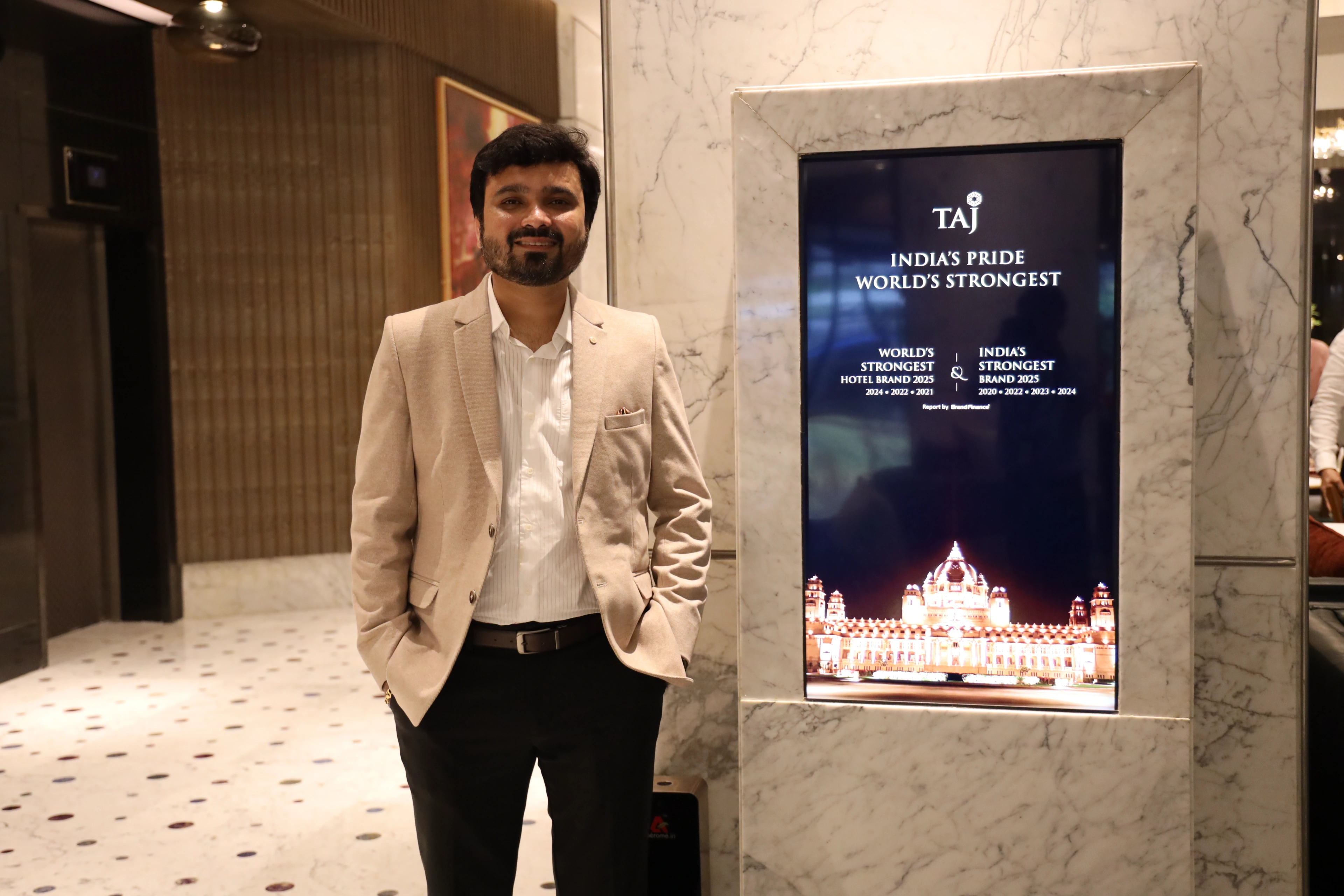
Most employers tell me the same thing when I walk into training sessions at Tata Tech or Mahindra: 'Avinash, we don't need smarter people — we need accountable ones.' McKinsey India research shows Indian managers spend 21 hours per week in meetings — 35% more than US peers — largely because ownership breakdowns demand constant follow-up. Accountability isn't a soft skill. It's the hardest one to build and the most valuable.
TL;DR- Ownership means caring about outcomes, not just completing assigned tasks — employers across India consistently value this above all other employee qualities
- Taking pride in your work means refusing to hand in something you know isn't your best
- Show your boss you are trustworthy through unprompted progress updates and proactive problem-solving before issues escalate
- Accountability builds faster than any technical skill and opens career doors that credentials alone cannot
- Small daily habits — closing loops, asking what else you can do, owning your errors first — define the ownership mindset
What Ownership at Work Really Means — and Why It Is Not Just Doing Your Job
Here's the thing — most people confuse completing tasks with ownership, and they're very different things. Ownership is not just about doing what you're told. It means caring deeply whether the outcome was actually achieved — not just whether the activity was completed. When a project hits a problem, you don't wait for your manager to notice — you raise it proactively. When a client is unhappy, you take it personally and fix it without being asked twice. I define it simply: you act at work as if the company were yours. Everything valuable follows from that mindset.
Why Ownership Is the #1 Quality Indian Employers Look for in 2026
In my corporate training work with Bajaj Auto, L&T, JSW, and the Indian Army, I ask HR leaders the same question every time: 'What trait do you most want more of in your workforce?' The answer, consistently and without prompting, is ownership and accountability. Not technical skills. Not even communication skills. Accountability above all else. Yet it's the trait most absent from most training programs. India's ₹1.5 trillion L&D market spends heavily on functional skills — but the employees who build the fastest careers are almost always those who take genuine, consistent ownership of their work.
| Workplace Situation | Low-Ownership Behavior | High-Ownership Behavior |
|---|---|---|
| Project running behind schedule | Waits for the manager to notice the delay | Proactively flags the delay with a proposed solution |
| Client complaint received | Says "that's not my department" | Takes responsibility and coordinates a resolution |
| Mistake discovered in own work | Finds external reasons to explain it away | Acknowledges immediately and presents a clear fix |
| Task unfinished at end of day | Leaves without informing anyone | Informs manager proactively and ensures proper handover |
| Inefficient process noticed | Ignores it — treats it as someone else's problem | Documents the issue and proposes a practical improvement |
| Colleague visibly struggling | Focuses only on own deliverables | Offers to help or escalates appropriately to the manager |
The Difference Between a Responsible Employee and a Truly Accountable One
Responsibility is doing your job. Accountability is owning the outcome — and there's a crucial, often invisible gap between the two. A responsible employee completes assigned tasks and reports back when done. An accountable employee asks whether the outcome was actually achieved and what they personally could have done better. Most Indian professionals are responsible — they show up, deliver tasks, and meet basic expectations. Far fewer are truly accountable — willing to own failures as much as successes, proactively addressing problems before they escalate, and treating their team's goals as deeply personal commitments.
How to Show Your Boss You Can Be Trusted: Ownership Habits That Work in India
Trust isn't asked for — it's demonstrated through consistent behavior over time, small action by small action. Here are the habits that build trust with your manager faster than anything else. Give unprompted progress updates: don't wait to be asked 'how's that going?' — tell them before they need to ask. When you spot a problem, bring a proposed solution alongside it. Admit your mistakes early, directly, and with a clear plan to fix them. Don't blame circumstances, colleagues, or the system. I've seen junior professionals at Siemens and RBI outperform people three levels senior simply by operating consistently with this level of ownership.
Leading Without a Title: How to Take Ownership When You Have No Authority
One of the most powerful career moves you can make is to take ownership that reaches beyond your explicit job description — not by overstepping your role, but by adding genuine value through initiative. If you notice a process that's broken, document it and propose a practical fix. If a team project is falling behind and you have capacity, ask what you can do to help even if it's not strictly your responsibility. In Indian corporate culture, where hierarchy remains deeply felt, employees who voluntarily lead without a formal title stand out remarkably. This is how careers that look fast from the outside actually happen from the inside.
The 5 Ownership Habits Avinash Chate Teaches at India's Top Corporations
After thousands of hours of corporate training at KPIT, Ferrero, Bosch, and TCS, here are the five ownership habits I teach every cohort. One: close the loop — always confirm actual completion, not just that you started working on something. Two: ask 'what else?' — never leave a meeting without checking if there's more you can meaningfully contribute. Three: own your errors first — before explaining or defending, acknowledge clearly. Four: set your own standards — don't wait for someone else to define the bar for you. Five: treat company resources like your own money, time, and tools. These five habits consistently shift how professionals are perceived within 90 days.
How Taking Pride in Your Work Accelerates Career Growth in India 2026
Taking pride in your work isn't about ego — it's about having non-negotiable personal standards for what you put your name to. It means you won't hand in something you know isn't your best work. It means you care genuinely about the final result, not just the activity of creating it. I've worked with hundreds of fast-growth Indian professionals across industries, and this quality shows up consistently in every single one of them: deep pride in the quality of what they produce, not just their title or their package. That internal standard — applied daily — is what separates professionals who plateau from those who keep rising steadily.
Building an Ownership Culture: What Leaders and HR Professionals Can Do Now
Culture follows leadership — if you want your team to take ownership, you have to model it first, visibly and consistently, especially when things go wrong. When a project fails, own your part clearly before analyzing what your team did wrong. Celebrate ownership behaviors openly: the team member who raised a problem early, the employee who solved something without being asked, the individual who volunteered beyond their job description for the team's benefit. In my leadership programs at Mahindra and BARC, I introduce a simple ownership question into every performance cycle: 'Where did you take ownership this quarter — and where could you have taken more?' That single question, asked seriously, changes how people operate from the next day forward.
Book Avinash Chate for Your Next Event
TEDx speaker. 11+ yrs training Army, BRO, RBI, BARC, JSW. Available for keynotes, leadership training, team building & manager development at your office or event venue.
✅ Thanks! Avinash team will reach out within 24 hours.'}).catch(function(e){f.outerHTML='Something went wrong. WhatsApp +91 8793630001
'});return false;">Select ServiceKeynote / Motivational SpeakingLeadership Development TrainingTeam Building WorkshopManager DevelopmentEmployee TrainingOutbound TrainingBook Avinash Now →Or WhatsApp directly: +91 87936 30001
Related Articles by Avinash Chate
- Recession मध्ये Hyundai ने cars परत घेऊनही फायदा कसा कमावला
- Virender Sehwag Mindset That Most Corporate Professionals Fear
- Ajit Agarkar's 21-Ball ODI Fifty Against Zimbabwe: The Silent Performer's Career Blueprint
Avinash Chate TEDx Speaker · Founder, The Future Corporate · 11+ yrs experience Avinash has trained Indian Army, BRO, RBI, BARC, JSW Steel and 1000+ corporate leaders across India. His work focuses on leadership development, communication skills, and behavioural training rooted in Indian values and modern business needs. |
Frequently Asked Questions
What is ownership at work and how is it different from simply doing your job?
Ownership at work means taking full responsibility for outcomes, not just for activities you were assigned. Doing your job means completing the tasks you've been given and reporting when done. Ownership means caring deeply whether those tasks achieved their intended outcome, proactively identifying problems before your manager needs to flag them, and treating your team's goals as your own personal commitments. An employee with genuine ownership does not wait to be asked about progress — they update proactively. They do not explain away failures — they acknowledge clearly and find solutions. In short, ownership is the real difference between an employee who executes instructions and one who genuinely contributes to meaningful results.
How do Indian employees develop a genuine sense of ownership and accountability at work?
Developing ownership starts with mindset before behavior. Begin by connecting your daily tasks to the larger purpose they serve — understanding deeply why your work matters makes it far easier to care about how well it is done. Practice giving your manager unprompted progress updates rather than waiting to be asked. When you spot a problem, bring a proposed solution alongside it rather than just reporting the problem. Admit mistakes early and directly rather than waiting to see if anyone notices or brings it up. Seek feedback actively rather than only reacting when someone gives it to you. Over time, these practiced behaviors become automatic habits, and genuine ownership becomes your default operating mode rather than an occasional conscious effort.
What are the most common signs that an employee lacks real ownership at work?
The signs of low ownership are often subtle but consistently revealing. Watch for employees who complete assigned tasks but never follow up to check whether the outcome was actually achieved. Look for people who explain failures primarily through external factors — the team's fault, the process, the client, bad timing, or lack of support. Notice those who wait to be told what to do next rather than asking what they can contribute. Look for employees who avoid raising problems until they become visible crises that require urgent management attention. In Indian corporate environments, low ownership is sometimes effectively masked by high activity levels — employees appear constantly busy and engaged but are not genuinely driving results or taking real initiative beyond their narrowly assigned scope.
How can Indian managers and HR leaders build a lasting culture of ownership in their teams?
Building a genuine ownership culture requires leaders to model the behavior they want to see from their teams, particularly when things go wrong in public. Own your part in failures clearly before analyzing what your team could have done differently. Recognize and celebrate ownership behaviors explicitly and publicly — the team member who raised a problem early before it escalated, the employee who solved something without being specifically asked, the individual who volunteered beyond their official job description for the team's benefit. Build accountability into your team's operating rhythm: weekly check-ins that focus on outcomes rather than just activities, and performance conversations that clearly distinguish between responsibly executing assigned work and genuinely taking ownership of results. Structural changes combined with consistent visible leadership role-modeling are what create lasting, authentic cultural change.
Avinash Chate services
Corporate Trainer in Maharashtra · Top Corporate Trainers in Maharashtra · Leadership Trainer in Maharashtra · Top Leadership Trainers in Maharashtra · Team Building Trainer in Maharashtra · Top Team Building Trainers in Maharashtra · Motivational Speaker in Maharashtra · Top Motivational Speakers in Maharashtra · All service locations
← Back to all articles · Book Avinash Chate
By Avinash Chate — Maharashtra’s #1 Corporate Trainer & Motivational Speaker. .