Team Building Games: Foster Collaboration and Strengthen Team Bonds
Engaging team building games do more than entertain—they bring people together, foster real collaboration, and strengthen team bonds that survive actual work pressure. Avinash Chate on what works.
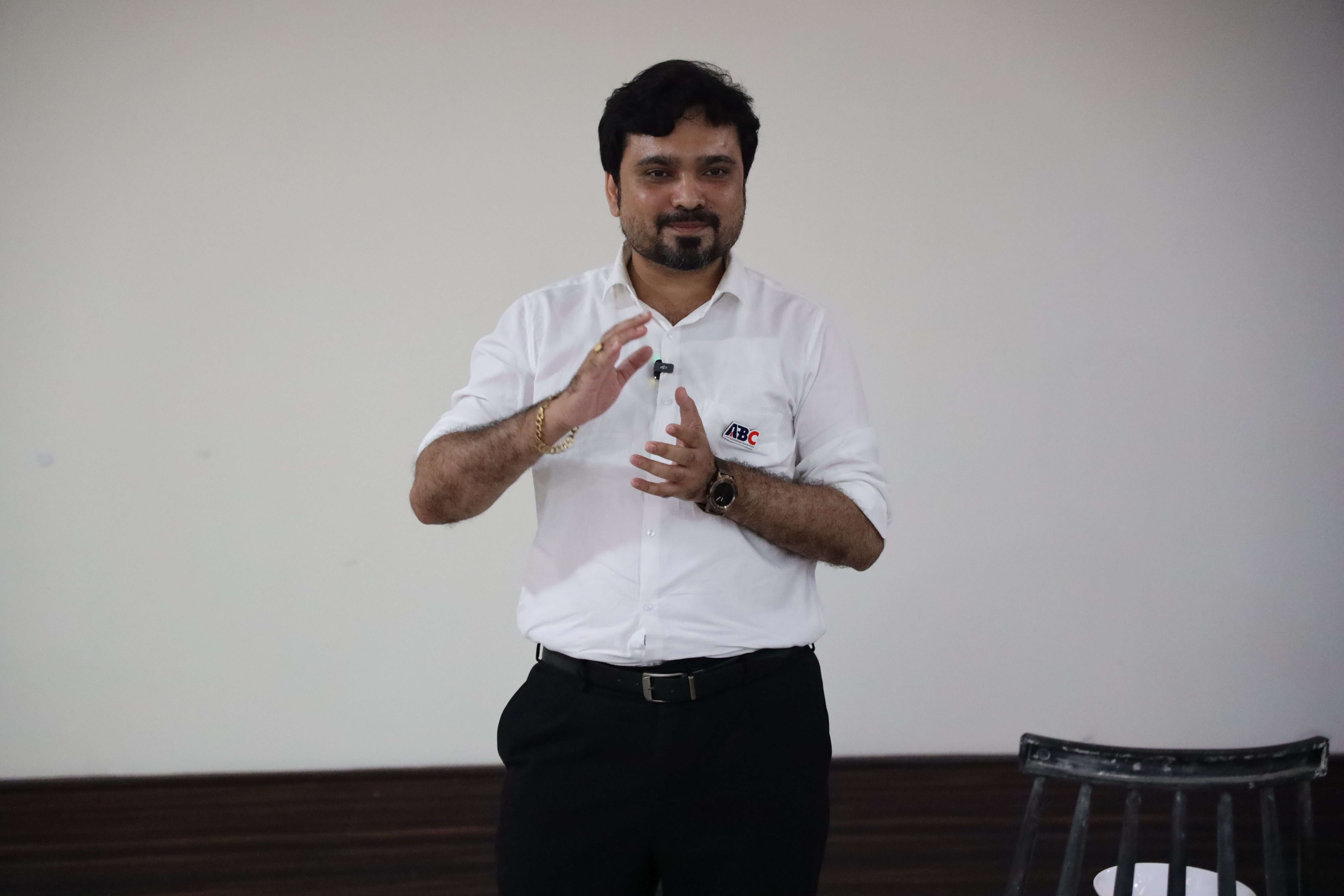
Trust me, I've run team building sessions for Bajaj Auto, Tata Tech, and the Indian Army, and here's what I know: the right games don't just break the ice—they bring people together, foster real collaboration, and strengthen bonds that survive actual work pressure. With 65% of Indian firms investing in soft-skill training today, the question isn't whether to do team building—it's which activities genuinely strengthen your team's ability to perform.
TL;DR- Team building games that foster collaboration are more than fun—they build bonds that survive real work pressure
- The best activities bring people together around shared challenges, not just shared entertainment
- Workplace camaraderie built through team games directly boosts productivity and communication speed
- Always debrief after team exercises—that's where 80% of the real learning and behavior change happens
- India's corporate teams need structured, repeated engagement to build the trust that drives performance
Why Most Team Building Activities Fail to Foster Real Collaboration
Here's the honest truth about most corporate team building: it doesn't work. Not because the games are bad, but because the intention is wrong. Most HR teams organize team building as a reward—a pizza lunch, a bowling night, a resort weekend—and call it collaboration. But activities that bring people together around passive entertainment don't build the muscle of working together under pressure. Real collaboration is forged through shared challenges, shared decision-making, and shared accountability for outcomes. That's what properly designed team building games actually deliver—and the difference in team performance afterward is measurable.
The Best Team Building Games That Bring People Together and Strengthen Bonds
What most people don't realize is that the best team building games aren't the most elaborate. At Bajaj Auto and Tata Tech, I've run sessions with everything from high-budget experiential activities to simple problem-solving exercises with paper, string, and a timer—and the simple, well-designed ones almost always generate stronger bonds. The best activities share three features: they require the team to solve something together rather than just participate together, they put at least one person in a leadership role, and they include a structured debrief afterward. The debrief is where 80% of the learning happens—never skip it.
| Activity | Best For | Duration | Group Size | Key Outcome |
|---|---|---|---|---|
| Blind Blueprint | Communication breakdown | 30 min | 5–20 | Clarity and active listening |
| Resource Rescue Simulation | Decision-making under pressure | 45 min | 8–30 | Collaboration and leadership |
| Human Chain | Physical trust building | 20 min | 10–50 | Interdependence and trust |
| Business Case Challenge | Cross-functional collaboration | 60 min | 10–40 | Strategic alignment |
| Outdoor Obstacle Course | Leadership exposure + energy reset | Half-day | 15–60 | Physical trust + natural leadership |
How Engaging Team Exercises Enhance Workplace Camaraderie and Productivity
The link between workplace camaraderie and productivity is real and measurable. Teams that trust each other communicate faster, escalate problems sooner, and cover for each other without being asked. That's not soft culture—that's operational performance. When I run team building programs at Mahindra and L&T, I always tie the activities back to real workplace scenarios. A trust-fall isn't useful. A scenario where the team has to make a resource-allocation decision under time pressure—where they have to hear three people simultaneously and align on one answer—that's camaraderie building that actually transfers to the meeting room on Monday.
Team Building Games I've Used at Bajaj Auto, Tata Tech, and the Indian Army
Let me share three formats that have consistently worked across my corporate training programs. First: the Blind Blueprint—one person sees a complex structure and must describe it to teammates who build it, without touching it themselves. Tests communication, precision, and patience under pressure. Second: the Resource Rescue—teams get a fictional crisis scenario with limited resources and 20 minutes to plan a response. Forces collaboration and exposes natural leadership styles. Third: the Human Chain—a format I've used with Indian Army battalions—requires physical interdependence and immediate trust. All three bring people together around a shared goal with genuine stakes.
Indoor vs Outdoor Team Building: Which Games Strengthen Bonds Better?
The answer isn't automatically outdoor—it's whichever format matches what your team actually needs. Outdoor activities like obstacle courses and nature trails build physical trust and expose leadership in unstructured environments. Indoor activities—structured simulations, business case games, communication exercises—build cognitive collaboration and are easier to debrief with business-relevant learning. For teams that already work well but need a spark, outdoor activities win. For teams with communication breakdowns or cross-functional friction, indoor structured games where people must communicate clearly will do more meaningful work. I always match the format to the team's specific diagnosis.
How to Design Team Building Activities That Foster Lasting Collaboration
Lasting collaboration doesn't come from a single team building day—it comes from repeated, structured exposure to situations where collaboration is required and rewarded. Build in at least two sessions per quarter. Make them progressively more complex: start with activities that build basic trust, move to activities that require communication under pressure, then to activities that simulate real decision-making challenges. Always debrief. Always tie outcomes to actual workplace behaviors. And make sure leadership participates visibly—because in Indian corporate culture, employees take their cues about what matters from how senior leaders show up on team building day.
Why Workplace Camaraderie Built Through Team Games Outlasts HR Policies
You can write a collaboration policy. You can mandate cross-functional meetings. You can create a channel for team bonding. None of those build camaraderie the way shared experience does. When teams go through a challenging, engaging activity together—when they've laughed together, struggled together, and figured something out together—they build relational credit. That credit means they call each other before escalating a conflict. They cover for a colleague under deadline pressure. They share information without being asked. No policy creates that. Properly designed team building games, run consistently, do.
Getting Started: Planning Your First Corporate Team Building Session in India
Start with a diagnosis—ask your team three questions: 'What slows us down?', 'Where does communication break?', and 'Which teams are hardest for us to work with?' Those answers tell you which activities to choose. Then pick three or four activities with a combined run time of three to four hours, including debrief time. Bring an external facilitator for the first session—it removes the hierarchy that blocks honest participation when the boss is running the room. And end with one concrete commitment from every participant: one specific behavior they'll change based on what they learned from the day.
Book Avinash Chate for Your Next Event
TEDx speaker. 11+ yrs training Army, BRO, RBI, BARC, JSW. Available for keynotes, leadership training, team building & manager development at your office or event venue.
✅ Thanks! Avinash team will reach out within 24 hours.'}).catch(function(e){f.outerHTML='Something went wrong. WhatsApp +91 8793630001
'});return false;">Select ServiceKeynote / Motivational SpeakingLeadership Development TrainingTeam Building WorkshopManager DevelopmentEmployee TrainingOutbound TrainingBook Avinash Now →Or WhatsApp directly: +91 87936 30001
Related Articles by Avinash Chate
- Recession मध्ये Hyundai ने cars परत घेऊनही फायदा कसा कमावला
- Virender Sehwag Mindset That Most Corporate Professionals Fear
- Ajit Agarkar's 21-Ball ODI Fifty Against Zimbabwe: The Silent Performer's Career Blueprint
Avinash Chate TEDx Speaker · Founder, The Future Corporate · 11+ yrs experience Avinash has trained Indian Army, BRO, RBI, BARC, JSW Steel and 1000+ corporate leaders across India. His work focuses on leadership development, communication skills, and behavioural training rooted in Indian values and modern business needs. |
Frequently Asked Questions
What are the best team building games for corporate teams in India?
The most effective team building games for Indian corporate teams are ones that require genuine problem-solving collaboration, not just shared entertainment. Activities like the Blind Blueprint—a communication exercise—Resource Rescue Simulation for decision-making under pressure, and structured business case challenges consistently produce strong results. The key is matching the activity to your team's specific challenge—whether that's communication breakdown, cross-functional friction, or low morale—and always including a structured debrief session where teams extract real learning from the experience.
How do team building activities foster collaboration in the workplace?
Team building activities foster collaboration by creating structured situations where team members must work together to achieve an outcome they can't reach alone. Unlike meetings or workshops, activities put people in experiential scenarios where their real communication styles and decision-making behaviors surface naturally. The debrief afterward is where the real collaboration shift happens—when teams discuss what worked, what broke down, and what they'd do differently. That conversation, tied back to real work scenarios, is what transfers into changed Monday-morning collaboration behavior.
How often should Indian companies conduct team building exercises?
For lasting impact, I recommend at least one structured team building session per quarter—not just an annual offsite. Quarterly sessions allow teams to build on previous experiences, track behavioral improvement, and address emerging friction points before they become cultural problems. If your team is going through rapid growth, a new project, or a structural change like a merger or reorg, more frequent sessions—monthly for three to four months—will accelerate the cohesion-building process significantly and prevent the performance dip that typically follows major team changes.
What results can companies expect after a professional team building session?
Based on my programs at Bajaj Auto, Tata Tech, Mahindra, L&T, and the Indian Army, companies typically see faster decision-making within cross-functional groups, higher voluntary communication where people proactively share relevant information, reduced inter-team escalations, and measurably higher team morale scores. The most powerful outcome is often invisible but critical: teams build the relational capital to address problems directly with each other instead of routing everything through management—which dramatically reduces leadership bandwidth spent on coordination and conflict resolution.
Avinash Chate services
Corporate Trainer in Maharashtra · Top Corporate Trainers in Maharashtra · Leadership Trainer in Maharashtra · Top Leadership Trainers in Maharashtra · Team Building Trainer in Maharashtra · Top Team Building Trainers in Maharashtra · Motivational Speaker in Maharashtra · Top Motivational Speakers in Maharashtra · All service locations
← Back to all articles · Book Avinash Chate
By Avinash Chate — Maharashtra’s #1 Corporate Trainer & Motivational Speaker. .