Team Building Games That Actually Build Trust and Collaboration India
The right team building games build genuine trust, communication, and collaboration — and Avinash Chate's sessions prove this works across India's top corporates.
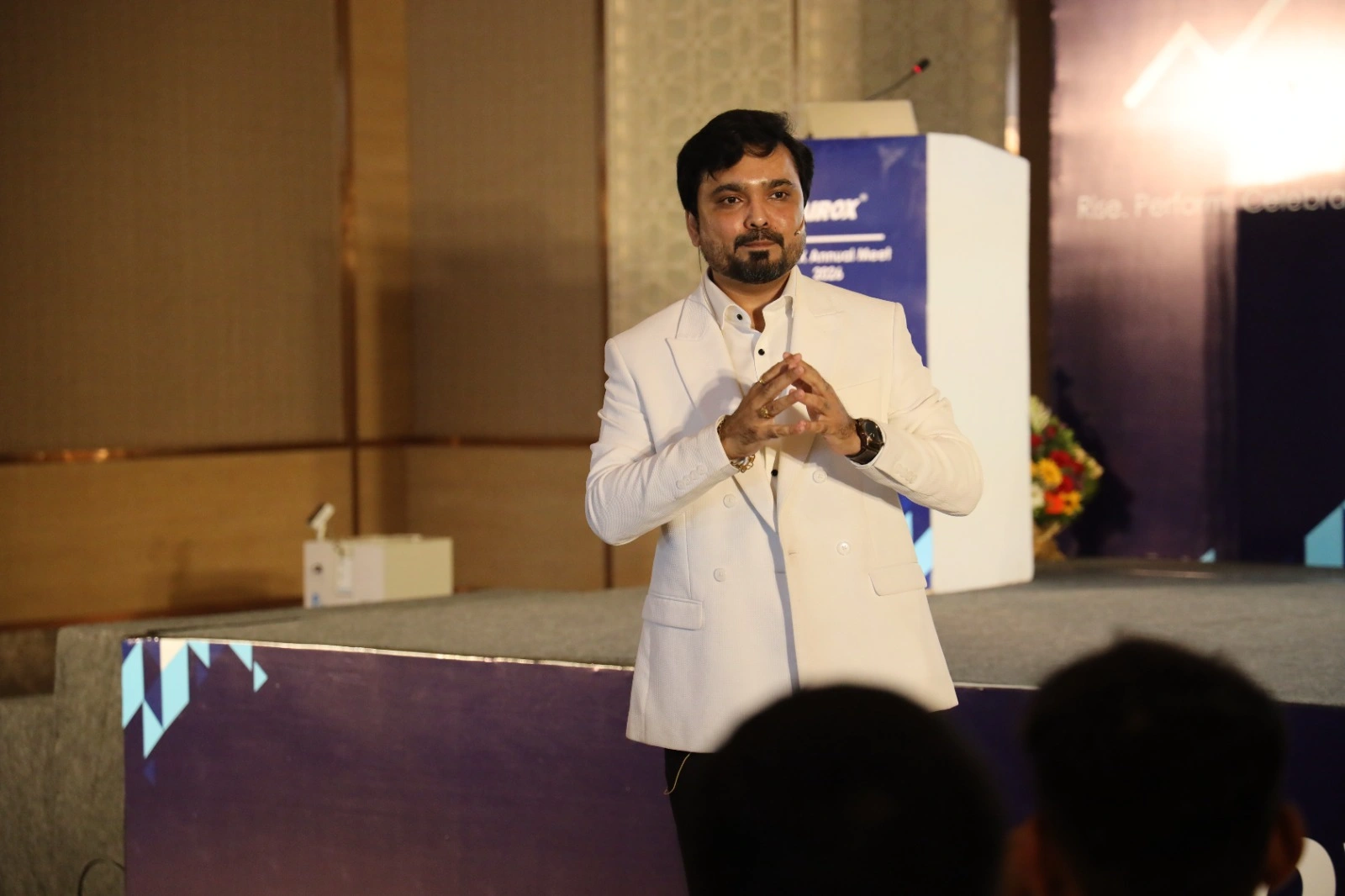
Here's the thing — team building doesn't have to be boring. The best team building activities I've run with companies like Bajaj Auto, Tata Tech, and Ferrero aren't just fun — they're deliberately designed to foster trust, communication, and collaboration in ways that stick long after the session ends. India's ₹1.5 trillion L&D market includes a growing segment of experiential learning, and the best-designed team games are among the highest-ROI training interventions available.
TL;DR- Team building games designed well build trust, communication, and collaboration — not just morale
- Avinash Chate's sessions use specific activities that mirror real workplace challenges
- The best team activities create psychological safety that persists back in the office
- Corporate teams at Bajaj Auto, Mahindra, L&T, and Ferrero have used this approach
- Contact 08793630001 for a customised team building programme for your organisation
Why Most Corporate Team Building Activities Don't Actually Build Teams
Most corporate team building doesn't work because it's designed for fun rather than for a specific behavioural outcome. A fun evening at a bowling alley is enjoyable — but it doesn't change how the team communicates in Tuesday's meeting. The team building activities that create lasting change are the ones designed around specific behavioural goals: building trust in a team where interpersonal tension is high, improving communication in a team where silos have formed, or developing collaborative problem-solving in a team that's been competing rather than cooperating. Fun is a by-product — not the goal.
What Makes a Team Building Game Actually Work? The Design Principles
The design principles behind effective team building games are specific. First, the activity must create a situation that mirrors a real workplace dynamic — not an abstract puzzle disconnected from the team's actual challenges. Second, the activity must require the same skills the team needs to build — trust, communication, or collaborative decision-making — not just physical coordination. Third, there must be a structured debrief that connects the game experience to real work situations. Without the debrief, most people experience the fun and miss the learning. The debrief is where the training actually happens.
Trust Through Games: How Structured Activities Create Psychological Safety
Trust is built through games when the design puts team members in situations where they must rely on each other and the outcome depends on whether they actually do. Activities where team members guide a blindfolded colleague through an obstacle course using only verbal instructions aren't just fun — they're precise trust and communication diagnostics. Who gives clear instructions? Who follows instructions without requiring justification? Who defaults to doing it themselves when they don't trust the guidance? The patterns that emerge are the exact patterns playing out in the team's daily work.
Communication Exercises That Transfer Back to Real Workplace Conversations
The communication exercises in my team building programmes create the same communication challenges the team faces at work: ambiguous information, competing priorities, time pressure, and the need to coordinate across people with different knowledge levels. The exercises reveal specific communication breakdowns — who talks over others, who goes quiet under pressure, who can simplify complex information on the fly, who communicates differently with senior versus junior colleagues. These are real insights that are visible to the whole team in a non-threatening context, making them actually actionable.
| Team Challenge | Recommended Activity | Team Size | Duration | Key Outcome |
|---|---|---|---|---|
| Low trust after restructuring | Trust-building experiential games | 10–30 | Half day | Rebuilt interpersonal trust |
| Communication breakdown | Structured communication exercises | 8–25 | Full day | Clear communication norms |
| Cross-team silos | Multi-team collaborative challenges | 20–80 | Full day | Cross-functional cooperation |
| Annual day or conference | Keynote + participation activities | 50–500 | 1–2 hours | Energy, connection, alignment |
| New team formation | Team identity and norm-setting workshop | 8–20 | Full day | Shared norms and early trust |
Collaboration Activities That Build Cross-Team Problem-Solving Capability
Collaboration activities that build cross-team problem-solving give groups challenges that can only be solved by combining the knowledge held by different sub-groups. No single person or sub-team has all the information needed — success requires genuine information sharing, coordination, and synthesis. These activities are especially valuable for organisations where different departments or functions operate in silos. The games surface both the collaboration gaps and the natural cross-team leaders who emerge when the formal hierarchy is temporarily suspended.
How Avinash Chate Designs Team Building Sessions for Indian Corporates
In every team building engagement I design for Indian corporate clients — from manufacturing plants in Pune's MIDC to tech campuses in Bengaluru — I start with a diagnostic conversation with the team leader or HR: what is the specific team challenge we're trying to address? Trust breakdown after restructuring? Communication failure after remote work? Cross-functional collaboration that keeps falling apart? The programme design follows directly from the answer. At Avinash Chate's sessions, team building is never generic — it's always contextual, always outcome-linked, and always debriefed for maximum learning transfer.
How to Choose the Right Team Building Format for Your Organisation's Needs
Choosing the right team building format depends on your team's current challenge and your available time. For teams with trust issues, a half-day experiential workshop with trust-specific activities is the starting point. For communication problems, a full-day programme with structured exercises and debrief works better. For cross-department collaboration, a multi-team challenge format over a full day is ideal. For annual events or large conferences, a high-energy keynote with embedded participation works across 50–500 people. Call 08793630001 and we'll recommend the right format for your specific team situation.
Book Avinash Chate for Your Next Event
TEDx speaker. 11+ yrs training Army, BRO, RBI, BARC, JSW. Available for keynotes, leadership training, team building & manager development at your office or event venue.
✅ Thanks! Avinash team will reach out within 24 hours.'}).catch(function(e){f.outerHTML='Something went wrong. WhatsApp +91 8793630001
'});return false;">Select ServiceKeynote / Motivational SpeakingLeadership Development TrainingTeam Building WorkshopManager DevelopmentEmployee TrainingOutbound TrainingBook Avinash Now →Or WhatsApp directly: +91 87936 30001
Related Articles by Avinash Chate
- Corporate Training for Pirangut MIDC Pune — Avinash Chate 2026
- 25 Leadership Competencies Every Indian Manager Must Build in 2026
- Clear Confident Decisions: Avinash Chate's Leadership Training Method
Avinash Chate TEDx Speaker · Founder, The Future Corporate · 11+ yrs experience Avinash has trained Indian Army, BRO, RBI, BARC, JSW Steel and 1000+ corporate leaders across India. His work focuses on leadership development, communication skills, and behavioural training rooted in Indian values and modern business needs. |
Frequently Asked Questions
Why don't most corporate team building activities produce lasting results?
Most corporate team building activities don't produce lasting results because they're designed for entertainment rather than specific behavioural outcomes. A fun evening creates positive feelings, but those feelings don't automatically translate into changed communication habits, higher trust, or stronger collaboration in the office. Activities only create lasting change when they are designed around a specific team challenge (what behaviour needs to change?), use exercises that mirror the actual workplace dynamics causing that challenge, and include a structured debrief that connects the game experience explicitly to real work situations. Without that design rigour, team building is enjoyable but not durable.
How does Avinash Chate design team building games for Indian corporate teams?
Avinash Chate's team building design process starts with a diagnostic: what is the specific team challenge? Trust breakdown, communication silos, cross-department collaboration failure, or new team integration? The activity selection is driven entirely by the answer. For trust issues, activities place team members in situations requiring genuine reliance on each other. For communication problems, activities create communication challenges that mirror real workplace dynamics. Every session ends with a structured debrief — facilitated by Avinash — that connects the game experience explicitly to the team's actual work situations, ensuring the learning transfers back to daily behaviour.
What specific outcomes can teams expect from well-designed team building activities?
Well-designed team building activities produce three categories of outcomes. First, immediate behavioural insights — team members see their own patterns and their colleagues' patterns in a non-threatening, non-hierarchical context. Second, shared vocabulary — teams develop agreed language for the new behaviours they want to build, making it easier to give each other feedback back at work. Third, activation of latent connection — individuals who haven't worked closely before discover collaborative chemistry, which changes the informal network structure of the team. All three outcomes are visible in post-programme observation within 2–4 weeks.
How do you choose the right team building format for your organisation?
The right team building format depends on three variables: the specific team challenge, the number of participants, and the time available. For focused behavioural challenges (trust, communication, or collaboration) with teams of 8–30, a half or full-day workshop with debriefed activities is most effective. For large annual events with 50–500 people, a high-energy keynote with embedded participation delivers energy and alignment without requiring deep behavioural work in a single session. For new team formation, a full-day team-charter and norm-setting workshop works best. Call 08793630001 and Avinash Chate's team will recommend the right format for your specific situation.
Avinash Chate services
Corporate Trainer in Maharashtra · Top Corporate Trainers in Maharashtra · Leadership Trainer in Maharashtra · Top Leadership Trainers in Maharashtra · Team Building Trainer in Maharashtra · Top Team Building Trainers in Maharashtra · Motivational Speaker in Maharashtra · Top Motivational Speakers in Maharashtra · All service locations
← Back to all articles · Book Avinash Chate
By Avinash Chate — Maharashtra’s #1 Corporate Trainer & Motivational Speaker. .