The Ego Trap: How Toxic Office Culture Destroys Indian Teams
Office problems in India rarely come from deadlines. They come from ego — and one sincere performer named Rahul lost his career because a manager's pride met a trainer's self-respect head-on.
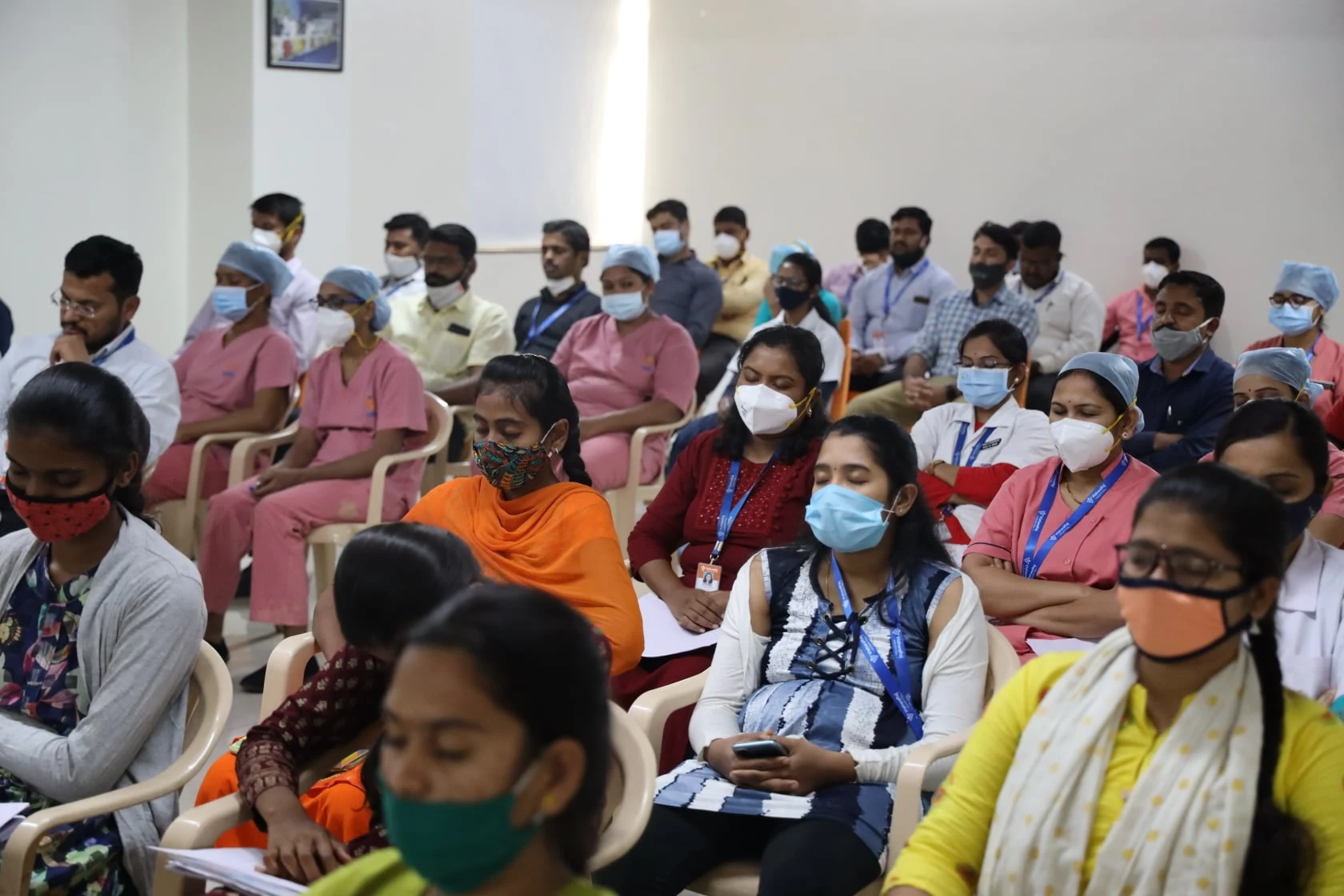
Here's the thing — in most Indian offices, problems don't start with targets or timelines. They start with ego. When a manager's unchecked pride collided with a trainer's self-respect, it created a toxic spiral that destroyed team morale and derailed Rahul — a genuinely sincere performer. India's firms spend ₹1.5 trillion annually on L&D, yet this single blind spot keeps breaking teams every day.
TL;DR- When a manager's ego clashes with a trainer's self-respect, sincere performers like Rahul become the invisible casualties of office politics
- Toxic office culture in India is almost always driven by ego and empathy gaps — not workload or deadlines
- Leadership maturity means controlling your emotions before they contaminate your entire team environment
- Poor communication and unchecked pride are the two fastest routes to a broken team culture in India
- One conversation handled with genuine empathy could prevent months of toxic team fallout
Why Ego — Not Workload — Is the Real Team Killer in Indian Offices
I've trained thousands of professionals across Bajaj Auto, Tata Tech, Mahindra, and L&T. Trust me — when I ask teams what's really holding them back, nobody says tight deadlines or missed KPIs. They say ego. They say 'my manager won't listen.' They say 'nobody wants to hear my idea.' McKinsey research shows Indian managers spend 21 hours a week in meetings — 35% more than their US counterparts. That's not a time problem. That's a leadership and ego problem masquerading as a productivity problem.
The Manager's Ego Meets the Trainer's Self-Respect: What Actually Happened
Here's what this story captures perfectly — and what I've seen play out in real boardrooms across India. A manager, insecure in his position, feels threatened by a trainer brought in to upskill his team. The trainer, professionally grounded, holds her self-respect. Neither backs down. And the entire team — including Rahul, who genuinely wants to do good work — gets caught in the crossfire. I've walked into offices where you feel the tension the moment you step in. It starts at the top and filters down like smoke through every level of the organisation.
How Sincere Performers Like Rahul Get Destroyed by Toxic Office Politics
Rahul is every sincere professional I've ever worked with in a training room. Hardworking, committed, emotionally intelligent enough to stay out of politics — and yet exactly the person who suffers most when office politics runs unchecked. Here's the painful truth: sincere performers don't play games. That's their strength. But in a toxic culture, not playing games means you have no political protection. Rahul's story — caught between a manager's ego and a trainer's self-respect — is precisely why leadership maturity at the top is non-negotiable, not optional.
Poor Communication: The Silent Engine of Every Toxic Office Culture in India
Every toxic office I've visited shares one trait: communication runs downward only, never upward and never sideways. The manager doesn't ask. The trainer doesn't clarify. The team stays silent. Into that silence, assumptions grow. Then grievances. Then resentment. Then — as in Rahul's case — performance drops and good people leave. The good news is this: poor communication is not a personality flaw. It's a skill gap. And skill gaps can be fixed — but only if the leader is willing to look honestly in the mirror first.
| Indicator | Healthy Office Culture | Toxic Office Culture |
|---|---|---|
| Communication Flow | Open, multi-directional, honest | Top-down only, filtered, fearful |
| Conflict Resolution | Addressed early, with empathy | Ignored or escalated with ego |
| Sincere Performers | Protected, recognised, promoted | Exploited, sidelined, burned out |
| Manager Behavior | Curious, self-aware, accountable | Defensive, territorial, political |
| Team Morale | High engagement, low attrition | Low trust, high absenteeism, exits |
| Feedback Culture | Welcomed, acted upon, two-way | Punished, ignored, one-way |
What Leadership Maturity Actually Looks Like in Indian Corporate Teams
What most people don't realise is that leadership maturity has nothing to do with seniority. I've met senior managers at KPIT and Bosch who lead with remarkable emotional intelligence, and I've met mid-level team leads who can't handle the smallest pushback without shutting down or lashing out. Leadership maturity is your ability to regulate your own emotions under pressure — before they contaminate the people around you. It's the capacity to separate personal ego from professional role. And it can be trained. That's exactly where India's best L&D investments are now focused.
Conflict Management Strategies That Work in Real Indian Office Settings
Here's my practical conflict management framework I use at Infosys, TCS, and BARC. Step one — name the emotion before you respond, not after. Step two — separate the behavior from the person. Step three — choose curiosity over judgment: instead of asking 'why is this person being difficult,' ask 'what do they actually need right now?' Step four — agree on shared outcomes before discussing the disagreement itself. Most conflicts in Indian offices don't need a resolution. They need a reset — a deliberate change in how both parties choose to frame the conversation going forward.
How to Rebuild Team Trust After Toxic Culture Has Already Taken Hold
If your team culture is already toxic, don't host a culture town hall — nobody believes those. Instead, start with genuine one-on-ones: listen, take notes, and follow up on at least one specific thing each person raises. Do that consistently for 30 days and your team will start to thaw. The hard part is that the manager who created the toxicity almost never sees themselves as the cause. That's precisely why external corporate training — delivered by someone with no political stake in the outcome — remains one of the most valuable interventions available to Indian organisations today.
Book Avinash Chate for Your Next Event
TEDx speaker. 11+ yrs training Army, BRO, RBI, BARC, JSW. Available for keynotes, leadership training, team building & manager development at your office or event venue.
✅ Thanks! Avinash team will reach out within 24 hours.'}).catch(function(e){f.outerHTML='Something went wrong. WhatsApp +91 8793630001
'});return false;">Select ServiceKeynote / Motivational SpeakingLeadership Development TrainingTeam Building WorkshopManager DevelopmentEmployee TrainingOutbound TrainingBook Avinash Now →Or WhatsApp directly: +91 87936 30001
Related Articles by Avinash Chate
- Why Manufacturing Industry is Difficult to Start in India: 5 Key Challenges
- Ajit Agarkar's 21-Ball ODI Fifty Against Zimbabwe: The Silent Performer's Career Blueprint
- Clive Lloyd's 1975 World Cup Final Leadership: How Bold Captaincy Wins Under Pressure
Avinash Chate TEDx Speaker · Founder, The Future Corporate · 11+ yrs experience Avinash has trained Indian Army, BRO, RBI, BARC, JSW Steel and 1000+ corporate leaders across India. His work focuses on leadership development, communication skills, and behavioural training rooted in Indian values and modern business needs. |
Frequently Asked Questions
What causes toxic office culture in Indian companies?
Toxic office culture in most Indian companies is driven by poor communication, unchecked ego at management level, and a lack of empathy between teams. When leaders prioritize their own position over team outcomes, sincere performers suffer while politics thrives. The root cause is almost never the work itself — it's leadership behavior that sets the tone for everything below it.
How does a manager's ego affect team performance?
A manager's unchecked ego creates fear-based dynamics where team members stop sharing ideas, hide mistakes, and disengage emotionally. When a manager feels threatened by a trainer or a capable subordinate, it triggers micromanagement, exclusion, and political maneuvering that harms the whole team. Sincere performers like Rahul pay the heaviest price because they refuse to play the political game — and in a toxic culture, that makes them the most vulnerable.
What is leadership maturity and how does it reduce office conflict?
Leadership maturity is the ability to regulate your own emotions under professional pressure — particularly when challenged, criticized, or in competition for influence. A leader with high maturity separates personal ego from their professional role, chooses curiosity over defensiveness, and models the behavior they want from their team. This single quality reduces office conflict more effectively than any policy or process change because it changes how power is exercised in the team.
How can conflict management training help Indian corporate teams?
Conflict management training gives Indian managers and teams a shared language and a structured process for navigating disagreement without it becoming personal or political. Through role-plays, case studies, and facilitated reflection, professionals learn to identify the root cause of tension, communicate without triggering defensiveness, and align on shared outcomes. It's especially effective when delivered by an external trainer with no political stake in the organisation.
Avinash Chate services
Corporate Trainer in Maharashtra · Top Corporate Trainers in Maharashtra · Leadership Trainer in Maharashtra · Top Leadership Trainers in Maharashtra · Team Building Trainer in Maharashtra · Top Team Building Trainers in Maharashtra · Motivational Speaker in Maharashtra · Top Motivational Speakers in Maharashtra · All service locations
← Back to all articles · Book Avinash Chate
By Avinash Chate — Maharashtra’s #1 Corporate Trainer & Motivational Speaker. .