The Secret of Magical Human Relations
Discover Tony Robbins' Six Human Needs framework and how meeting these needs in others is the real secret to building powerful, lasting human connections.
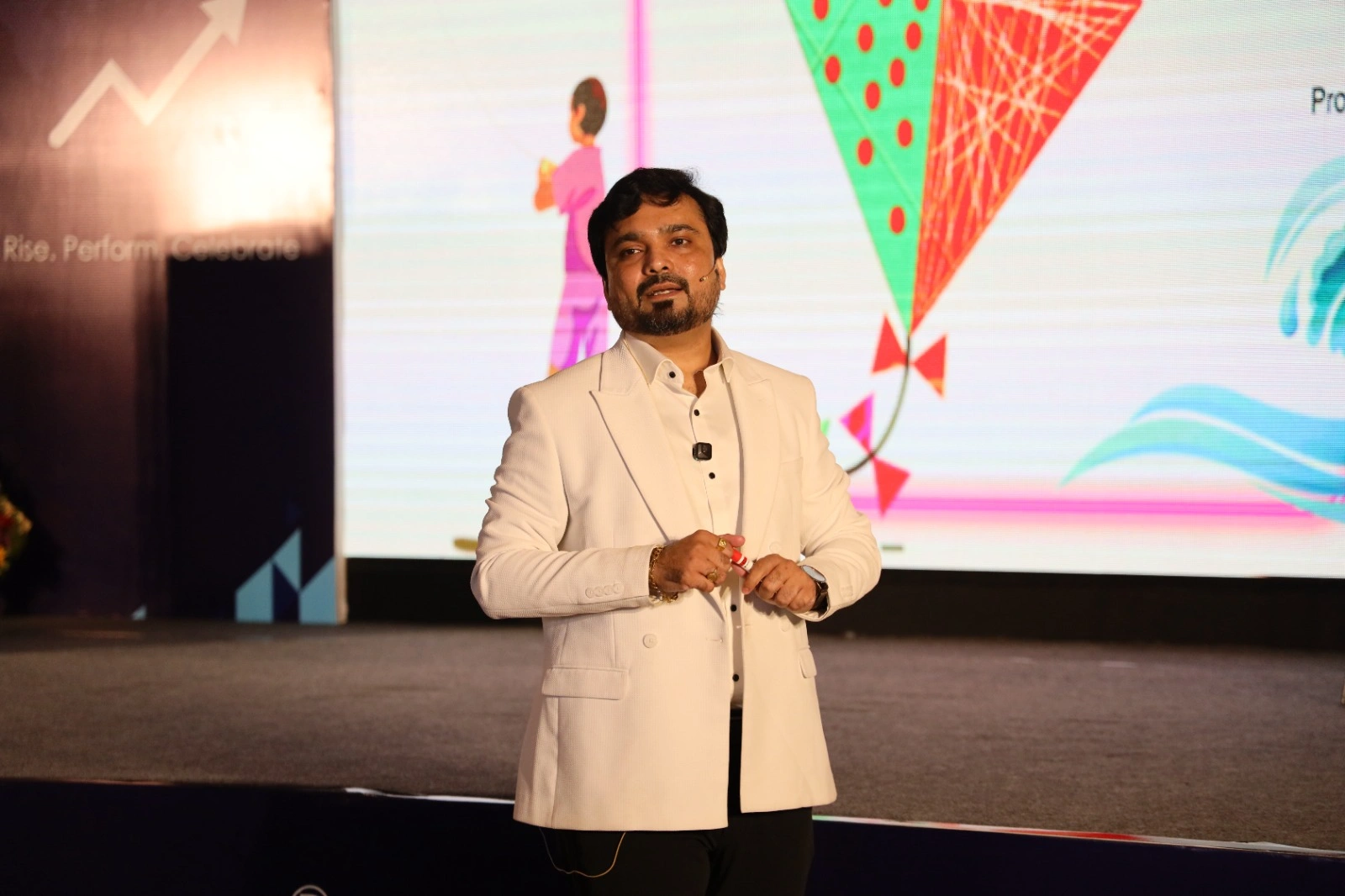
In over two decades of working with thousands of leaders, managers and sales professionals across Maharashtra and beyond, one question has never left me: why do some people effortlessly attract loyalty, trust and cooperation, while others struggle despite being smarter or more experienced? The answer, I have come to believe, has very little to do with IQ or technical skill. It has everything to do with understanding what every human being is quietly craving.
In my book The Winning Edge, The Champion Mindset, I dedicate an entire chapter to what I call the secret of magical human relations. That secret is borrowed from the brilliant framework of Tony Robbins: the Six Human Needs. Once you understand these six needs — not just intellectually, but in your bones — the way you lead, sell, parent and relate to people changes permanently.
As a corporate trainer and motivational speaker, I have taught this framework to CEOs, branch managers, field sales teams and fresh graduates. Every single time, people walk out of the room saying, "I finally understand why people behave the way they do." That is the power of what you are about to read.
Why Human Needs Are the Foundation of Every Relationship
Before I explain the six needs, let me ask you something. Think of the most difficult person in your team or your family. The one who is always creating conflict, demanding attention, never satisfied. Now ask yourself: which of their deep human needs is going unfulfilled? You will see them differently by the time we are done.
Tony Robbins teaches that every human being — regardless of culture, education or income — is driven by the same six core needs. We do not always meet these needs in healthy or constructive ways. Sometimes we meet them in ways that hurt us and others. But the needs themselves are universal. As a leader or salesperson in India, if you can identify which need is loudest in the person in front of you, you gain an extraordinary power: the ability to genuinely connect.
"To understand the human heart is to hold the key to human behaviour." — This is what I tell every batch of managers who walk into my training room.
The six needs pair up in a meaningful way. The first four — Certainty, Variety, Significance, and Love and Connection — are what Robbins calls the needs of the personality. The last two — Growth and Contribution — are the needs of the spirit. Most people spend their entire lives chasing the first four. The few who reach the last two are the ones who build something truly lasting.
Need 1: Certainty — The Hunger for Security and Comfort
Every human being needs to feel safe. We need to know that tomorrow will not be completely unpredictable, that our job is secure, that our relationships are stable, that our health is not in crisis. This is the need for Certainty — for security, stability and comfort.
How people meet Certainty
- Positively: through building routines, maintaining strong relationships, saving money, developing skills that make them indispensable
- Destructively: through excessive control over others, refusing all change, or becoming so rigid that they kill innovation in their teams
In my corporate training sessions, I often see senior managers who are brilliant technically but are terrified of new systems, new reporting structures or new leadership above them. Their resistance is not laziness. It is a deep Certainty need screaming at them. When you, as a leader, understand this, you stop fighting their resistance and start addressing their fear.
For salespeople, this is gold. When a prospect keeps delaying a decision, they are often protecting their Certainty need. Your job is not to push harder. Your job is to make the future feel safer. Give them guarantees, references, pilot programs, phased rollouts — anything that makes the unknown feel knowable.
Need 2: Variety — The Hunger for Change and Adventure
Here is the paradox. The same human being who craves certainty also craves its opposite: Variety. We need surprise, novelty, challenge and change. A life of pure routine becomes suffocating. We need to feel alive, and that aliveness often comes through the unexpected.
How people meet Variety
- Positively: through learning new skills, travelling, innovating at work, taking on new projects, trying new cuisines
- Destructively: through picking fights just to create drama, gambling, affairs, shifting jobs constantly without growth, or creating unnecessary chaos in the workplace
"To grow, we must embrace uncertainty — not as a threat, but as the very soil in which champions take root." — Avinash Chate, The Winning Edge, The Champion Mindset
As a leader, if your team is creating drama, starting petty conflicts or becoming disengaged, ask yourself: are you giving them enough Variety? Enough new challenges, stretch assignments, learning opportunities? Boredom dressed as behaviour problems is one of the most common issues I diagnose in organisations across Pune and Mumbai.
During a leadership workshop, I walk participants through the Six Human Needs — a framework that changes how they see every difficult conversation.Need 3: Significance — The Hunger to Matter
Deep inside every human being is a voice that whispers: Do I matter? Am I important? Am I unique? This is the need for Significance — the hunger to feel special, recognised and respected.
How people meet Significance
- Positively: through exceptional achievement, mastering a skill, earning a title, being publicly recognised, writing a book, building a brand
- Destructively: through gossip (making others small so you look bigger), constant criticism of colleagues, playing the victim ("nobody else has suffered like me"), or even through illness — being sick is a way of becoming significant when nothing else works
This need explains so much workplace behaviour that leaders find baffling. The person who always interrupts in meetings needs to feel heard. The employee who resists your feedback is protecting their significance — because to admit they are wrong feels like admitting they are worthless. The colleague who gossips is meeting their significance need destructively.
Florence Littauer once said something that I quote often in my workshops:
"Each of us wants to feel that we are somebody special, that we matter, and that what we say is of value." — Florence Littauer
For leaders and salespeople, the single most powerful thing you can do is make the other person feel genuinely significant. Use their name. Remember details about their life. Acknowledge their achievements publicly. When someone feels truly seen by you, they will move mountains for you.
Need 4: Love and Connection — The Oxygen of Life
Tony Robbins says it plainly: Love is the oxygen of life. The need for Love and Connection — to feel loved, accepted, part of something, bonded to others — is perhaps the most universal human craving of all.
How people meet Love and Connection
- Positively: through deep friendship, intimate relationships, staying in touch with family, community service, pets, thoughtful gifts, being present
- Destructively: through what I call the disease to please — saying yes to everything and everyone just to be liked, until you lose yourself entirely
In my experience working with Indian professionals, this need is particularly intense. We come from a culture that values relationships deeply — family, team, community. When this need goes unmet at work, people do not just become unhappy; they become disloyal. They leave managers, not companies.
Salespeople who build genuine human connection before they pitch always outsell those who go straight to the product. I tell every sales team I train: your client must feel that you care about them, not just their purchase order. Christina Enevoldsen captures this beautifully:
"Connection is what gives purpose and meaning to life." — Christina Enevoldsen
Also watch for Significance and Love and Connection as a pair that must balance. When someone is obsessed with Significance, they often sacrifice Connection — they become so focused on being respected that they forget to be loved. The greatest leaders I have met carry both.
Need 5: Growth — Because If You Are Not Growing, You Are Dying
The fifth need moves us from the personality to the spirit. Growth is the need to expand, improve, evolve. Tony Robbins says plainly: if you are not growing, you are dying. This is not metaphor — it is biology. Every living system either grows or decays. There is no standing still.
How leaders and salespeople meet Growth
- Learning a new profession or deepening mastery in your current one
- Picking up a musical instrument, a language, a sport
- Facing and conquering a fear — public speaking, difficult conversations, cold calling
- Reading books, attending workshops, seeking mentors
- Deliberately placing yourself in discomfort so you expand
In my workshops, I always ask: when was the last time you did something for the first time? The people who answer easily are the ones who are growing. The ones who go quiet are the ones who have been coasting — and coasting, as I say in The Winning Edge, is just falling forward slowly.
Mavis Mazhura put it in a way that has stayed with me:
"The moment you stop growing, you start shrinking." — Mavis Mazhura
For organisations, this means a culture of learning is not a nice-to-have. It is the oxygen that keeps your best people alive inside the company. When top performers stop growing, they do not stay and suffer — they leave and grow somewhere else.
Need 6: Contribution — Life Is Not About Me, It Is About Us
The sixth and highest need is Contribution. It is the need to give, to serve, to leave the world better than you found it. Robbins teaches that true meaning comes not from what we accumulate but from what we give.
What Contribution looks like
- Mentoring a junior colleague with no expectation of return
- Building a business that creates jobs and solves real problems
- Teaching your community what you know
- Volunteering, donating, advocating
- As a leader, growing your people so they surpass you
I became a corporate trainer precisely because of this need. After years in business, I realised that the moments when I felt most alive were not when I closed a big deal — they were when I saw something shift in someone's eyes as they understood something for the first time. That is Contribution. That is meaning.
The leaders I admire most — and the ones their teams admire most — are those who have graduated from asking "how do I succeed?" to asking "how do I help others succeed?" When your Contribution cup is full, you do not need to chase Significance desperately. You become significant by giving.
The highest leaders I have met have moved from seeking significance to seeking to contribute — and that shift changes everything about how a team follows them.How to Use the Six Needs to Build Magical Human Relations
Now let me bring this framework from theory into practice — because knowledge without application is just entertainment.
Step 1: Identify the dominant need
Every person you deal with has one or two dominant needs that drive most of their behaviour. Observe carefully. The colleague who always needs approval is running on Significance or Love and Connection. The one who is constantly restless and disruptive is seeking Variety. The manager who micromanages is protecting Certainty. Once you see the need, you see the person.
Step 2: Ask — is the need being met empoweringly or destructively?
This is the crucial diagnostic. The same need can be met in a way that elevates life or destroys it. A person meeting their Significance need through gossip needs to be given a better vehicle — a project to lead, a skill to master, a stage to speak from. Do not shame the need. Redirect it.
Step 3: Help others meet their needs — and watch what happens
This is the secret of magical human relations. When you as a leader or salesperson consistently help the people around you meet their six needs in empowering ways, they do not just like you — they become loyal to you at a cellular level. You become someone who makes them feel safe (Certainty), alive (Variety), important (Significance), loved (Connection), growing (Growth) and meaningful (Contribution). Why would they go anywhere else?
Step 4: Reflect on your own needs
Which of the six needs drives you most? Are you meeting it in an empowering or destructive way? Is it in conflict with your values — and is that conflict causing you distress? Self-awareness here is not a soft skill. It is a leadership essential. The leader who understands their own need structure stops reacting from it unconsciously and starts choosing from it consciously.
Bring this to your team. I run Six Human Needs and Communication-focused corporate training and keynotes for companies across Pune, Mumbai and all of Maharashtra.
Book a session · Explore corporate training programs
Frequently Asked Questions
What are the Six Human Needs according to Tony Robbins?
Tony Robbins identifies six core needs that drive all human behaviour: Certainty (the need for security and comfort), Variety (the need for change and novelty), Significance (the need to feel important and unique), Love and Connection (the need to feel loved and bonded to others), Growth (the need to expand and improve), and Contribution (the need to give and serve beyond oneself). In my book The Winning Edge, The Champion Mindset, I apply this framework specifically to leaders and sales professionals in the Indian workplace context.
How can leaders in India use the Six Human Needs to improve their teams?
Leaders can use the Six Human Needs framework by first identifying the dominant needs of each team member and then creating work environments that meet those needs in empowering ways. For example, giving high-Certainty people clear processes and role stability, providing high-Variety people with new projects and learning opportunities, and publicly recognising high-Significance people for their achievements. When team members feel their needs are met at work, engagement, loyalty and performance all rise significantly.
Why do salespeople need to understand human needs?
Every buying decision is ultimately an emotional decision driven by a human need. A prospect who delays a purchase is often protecting their Certainty need — they are afraid of the wrong choice. A prospect who responds to prestige and exclusivity is meeting their Significance need. When a salesperson understands which need is loudest in their client, they can present their solution in a way that genuinely addresses that need, creating trust and speeding up decisions. This is the foundation of relationship-based selling, which consistently outperforms transactional selling.
What is the difference between the needs of personality and the needs of the spirit?
Tony Robbins divides the six needs into two groups. The first four — Certainty, Variety, Significance, and Love and Connection — are the needs of the personality. Almost everyone pursues these throughout life. The last two — Growth and Contribution — are the needs of the spirit. They are rarer because they require us to look beyond ourselves. People who live primarily from Growth and Contribution experience the deepest sense of fulfilment and meaning. In my corporate training sessions across Maharashtra, I often find that the most respected and effective leaders are those who have made Growth and Contribution their primary drivers.
Understanding the Six Human Needs is not a trick or a manipulation technique. It is an act of genuine empathy — choosing to see other people as complex, need-driven human beings rather than as problems to be solved or targets to be converted. I encourage every leader and salesperson I work with to spend one week simply observing the people around them through this lens. You will be astonished at what you see. If you want to bring this kind of deep human understanding into your organisation, I would love to work with your team — reach out at avinashchate.com/contact, explore my corporate training programs, or learn more about my approach to leadership training in Pune.
This article is adapted from my book The Winning Edge, The Champion Mindset.Related Articles by Avinash Chate
- Why Manufacturing Industry is Difficult to Start in India: 5 Key Challenges
- Ajit Agarkar's 21-Ball ODI Fifty Against Zimbabwe: The Silent Performer's Career Blueprint
- Clive Lloyd's 1975 World Cup Final Leadership: How Bold Captaincy Wins Under Pressure
| AC | Avinash ChateIndia's Leading Corporate Trainer | TEDx Speaker | Author With 80+ organizations trained including RBI, JSW Steels, and Ferrero, Avinash Chate delivers high-impact corporate training across India. Creator of the KITE Leadership Framework and bestselling author of "The Winning Edge." Website YouTube |
Avinash Chate services
Corporate Trainer in Maharashtra · Top Corporate Trainers in Maharashtra · Leadership Trainer in Maharashtra · Top Leadership Trainers in Maharashtra · Motivational Speaker in Maharashtra · Top Motivational Speakers in Maharashtra · All service locations
← Back to all articles · Book Avinash Chate
By Avinash Chate — Maharashtra’s #1 Corporate Trainer & Motivational Speaker. .