Type A Proactively Drives Growth: Are You A, B or C in India 2026
Three types exist in every organization: Type A drives growth proactively, Type B adapts under pressure, Type C clings to the status quo. Which one are you?
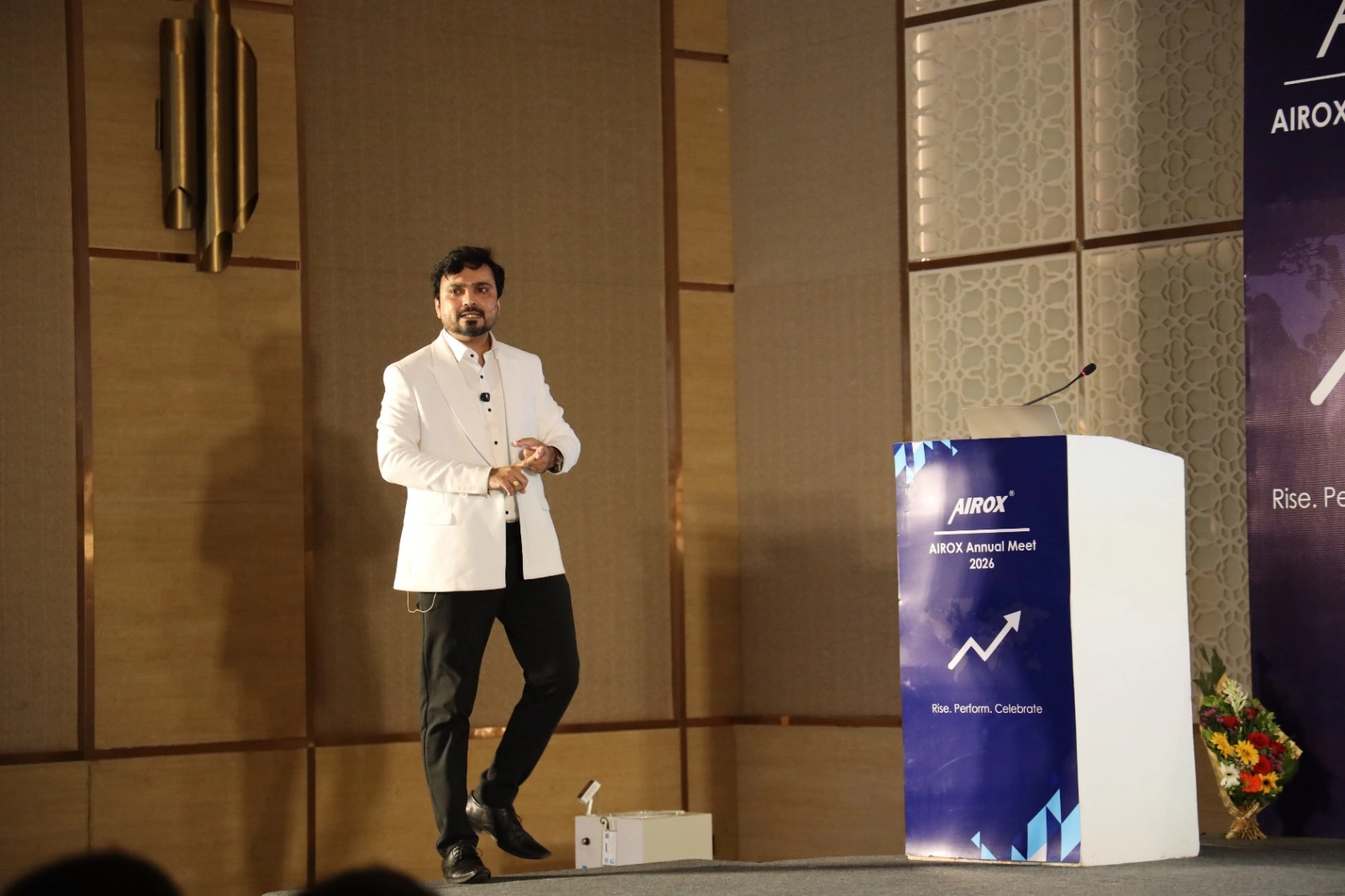
In every organization I've trained — from Bajaj Auto to Ferrero to the Indian Army — the same three types show up: Type A who proactively drives growth, Type B who adapts under pressure, and Type C who resists change entirely. LinkedIn India 2026 confirms leadership is the #1 hiring priority. Which type are you — and how do you move up?
TL;DR- Type A proactively drives growth for themselves and their teams — anticipating change before it arrives
- Type B adapts when pressure mounts or change is mandated — valuable but never the first mover
- Type C resists change and prefers the status quo — quietly becoming obsolete in India's fast-moving market
- Your type is not fixed — it's a behavior pattern that can be changed with deliberate coaching and practice
- India's top organizations in 2026 are actively building systems to find, develop and retain Type A professionals
The Type C Professional: Why Clinging to the Status Quo Is Career Risk in India 2026
Type C individuals are the most dangerous people in an organization — not because they're bad people, but because their resistance to change is invisible until it becomes catastrophic. In my training sessions at manufacturing companies like Bajaj Auto and L&T, Type C behavior looks like this: consistently doing things the old way even when a better method is clearly shown, dismissing new tools with 'that's not how we do things here,' and waiting for the leader to mandate change before moving a single inch. Comfortable. Stable. And quietly becoming obsolete in an environment that rewards adaptation above everything else.
The Type B Professional: Adaptable Under Pressure But Never Proactively Growing
Type B professionals are the majority in most Indian organizations, and they're genuinely valuable — up to a point. They adapt when the pressure is real. They update when the system forces an update. They change roles when the old role disappears. But they won't evolve proactively. They wait for the wave to hit before they swim. In today's AI-driven market, where NASSCOM projects India will need 1.25 million AI professionals by 2027, waiting for pressure before adapting means you'll perpetually be catching up — and catching up is exhausting work that never seems to end.
The Type A Professional: Proactively Evolves and Drives Growth for the Whole Team
Type A professionals are the reason organizations grow. They don't wait to be told to evolve — they see what's coming and prepare before the mandate arrives. In my corporate training sessions at KPIT, Siemens and Infosys, Type A people are easy to spot: they're learning the next skill before their current one becomes redundant, raising their hand for the new project before it's formally assigned, and asking their leader 'where are we going in two years?' rather than 'what do I do today?' They are changemakers who drive growth — and they consistently make everyone around them better in the process.
How to Identify Which Type You Are Right Now — Honestly
Here's the honest self-audit I use in my workshops: think about the last three significant changes in your workplace — a new process, a new technology, a new reporting structure. Did you resist and complain first? That's Type C behavior. Did you wait and comply once it was required? That's Type B. Did you study the change before it arrived, prepare your team, and lead the adaptation? That's Type A. Most people don't like the answer they get from this exercise. The good news is that your type is not fixed — it's a behavior pattern, and behavior patterns can be deliberately changed with the right coaching and commitment.
| Characteristic | Type A: Changemaker | Type B: Adapter | Type C: Resistor |
|---|---|---|---|
| Response to change | Proactively drives it | Adapts under pressure | Resists as long as possible |
| Learning behavior | Learns ahead of requirements | Learns when required | Avoids new learning |
| Initiative level | Raises hand before being asked | Complies when asked | Does minimum required |
| Career trajectory India 2026 | Rising rapidly | Stable but stagnating | At growing risk of irrelevance |
| Impact on team | Elevates the whole team | Neutral to slightly positive | Slows the team down |
| Response to AI and new tech | Experiments and adopts early | Adopts when mandated | Resists and complains |
The Practical Roadmap From Type C to Type B to Type A
Moving from Type C to Type B starts with one commitment: agreeing to be genuinely open to one new idea per week, even if you disagree with it at first. Moving from Type B to Type A requires a deeper shift — from reactive compliance to proactive anticipation. Three practices I teach in my leadership training programs at JSW, RBI and Tata Tech: first, spend 30 minutes every week reading about what's changing in your industry; second, lead one improvement initiative per quarter without being asked; third, ask your manager or clients what they'll need from you in the next 12 months — then start building it now, before they have to ask.
How Leaders Can Build More Type A People in Their Indian Organizations
If you're a leader, here's the hard truth: you cannot promote your way out of a Type C-dominant culture. You have to cultivate Type A behavior deliberately. That means rewarding proactive initiative — not just correct execution. It means creating psychological safety so that Type B employees feel safe experimenting without fear of punishment. And it means having honest conversations with Type C employees about the future of their roles if they don't evolve. I've run this culture transformation at companies like Mahindra, Bosch and Ferrero, and the result is always consistent: when leaders reward Type A behavior explicitly, they get significantly more of it.
Why India's Best Organizations in 2026 Are Actively Seeking Type A Professionals
India's 250+ unicorns and every high-growth Indian company I've worked with are actively building systems to identify, develop and retain Type A professionals. They're not just hiring for skills — they're hiring for mindset. For the ability to anticipate, self-direct, and evolve without being told. If you're currently behaving as a Type B or Type C in your organization, you're not unqualified — you're just unactivated. The work of activating yourself is not difficult. It's just deliberate. And every Type A person I've ever met started exactly where you are right now — but they chose differently, one decision at a time.
Book Avinash Chate for Your Next Event
TEDx speaker. 11+ yrs training Army, BRO, RBI, BARC, JSW. Available for keynotes, leadership training, team building & manager development at your office or event venue.
✅ Thanks! Avinash team will reach out within 24 hours.'}).catch(function(e){f.outerHTML='Something went wrong. WhatsApp +91 8793630001
'});return false;">Select ServiceKeynote / Motivational SpeakingLeadership Development TrainingTeam Building WorkshopManager DevelopmentEmployee TrainingOutbound TrainingBook Avinash Now →Or WhatsApp directly: +91 87936 30001
Related Articles by Avinash Chate
- Sikandar Raza Zimbabwe: The Perseverance Leadership Lesson India 2026
- Shastri's 2018 Lesson: Okay to Lose But Not Without Trying India 2026
- Adapting to Change Like R Ashwin and Hardik Pandya — India Career 2026
Avinash Chate TEDx Speaker · Founder, The Future Corporate · 11+ yrs experience Avinash has trained Indian Army, BRO, RBI, BARC, JSW Steel and 1000+ corporate leaders across India. His work focuses on leadership development, communication skills, and behavioural training rooted in Indian values and modern business needs. |
Frequently Asked Questions
What are the three types of people in every organization according to Avinash Chate?
In his organizational behavior framework, Avinash Chate identifies three types of professionals found in every Indian organization. Type A are changemakers — they proactively evolve and drive growth both for themselves and their teams, anticipating change before it arrives and preparing accordingly. Type B are adapters — they are flexible and valuable, but only move when pressure mounts or when change is mandated by the organization. Type C are resistors — they prefer the comfort of the status quo and resist change even when evidence clearly shows the old approach is no longer working. Every organization has all three types, and the ratio between them largely determines how fast the organization actually grows.
How can I honestly tell if I am a Type A, B or C professional?
To identify your type honestly, Avinash Chate recommends a simple audit: think about the last three significant changes in your workplace — a new system, a restructuring, a new technology introduction. If your first instinct was to resist and complain before eventually complying, you are currently operating as a Type C. If you waited for clear instructions and then adapted efficiently, you are a Type B. If you studied the change before it arrived, prepared your team proactively, and led the transition rather than following it, you are demonstrating Type A behavior. Most people find themselves at different points on this spectrum depending on the context, the stakes, and their current level of comfort with the domain involved.
How can a Type C or Type B professional move toward becoming a Type A?
Moving from Type C to Type B requires one foundational commitment: being genuinely open to evaluating new ideas before dismissing them, even when they challenge comfort. Avinash Chate recommends starting with one new idea per week — read about it, discuss it with a colleague, and try it at small scale. Moving from Type B to Type A requires a deeper mindset shift from reactive compliance to proactive anticipation. Three specific practices Chate teaches in his corporate programs help: spending 30 minutes weekly reading about industry changes, leading one improvement initiative per quarter without being asked, and regularly asking what stakeholders will need from you in the next 12 months — then starting to build it now.
Why are Type A professionals so valuable in Indian organizations in 2026?
Type A professionals are exceptionally valuable in 2026 because Indian organizations are navigating more simultaneous change than at any previous point in their history — AI adoption, regulatory evolution, market shifts, and global competition all require teams that can anticipate and adapt proactively. LinkedIn India 2026 confirms leadership skills as the number one hiring priority for Indian companies. Type A professionals embody those leadership skills by default — they don't need to be managed into change, they drive it themselves. They also elevate the teams around them by modeling proactive behavior that naturally raises the standard for everyone. Avinash Chate's training data from programs at KPIT, Bosch and Siemens consistently shows that Type A employees generate significantly more innovation outputs per year than their Type B counterparts.
Avinash Chate services
Corporate Trainer in Maharashtra · Top Corporate Trainers in Maharashtra · Leadership Trainer in Maharashtra · Top Leadership Trainers in Maharashtra · Team Building Trainer in Maharashtra · Top Team Building Trainers in Maharashtra · Motivational Speaker in Maharashtra · Top Motivational Speakers in Maharashtra · All service locations
← Back to all articles · Book Avinash Chate
By Avinash Chate — Maharashtra’s #1 Corporate Trainer & Motivational Speaker. .