What Is Real Power? Beyond Money Position and Control — India 2026
Most professionals mistake money, position, and control for power. Here's Avinash Chate's take on what actually makes you powerful in the Indian workplace.
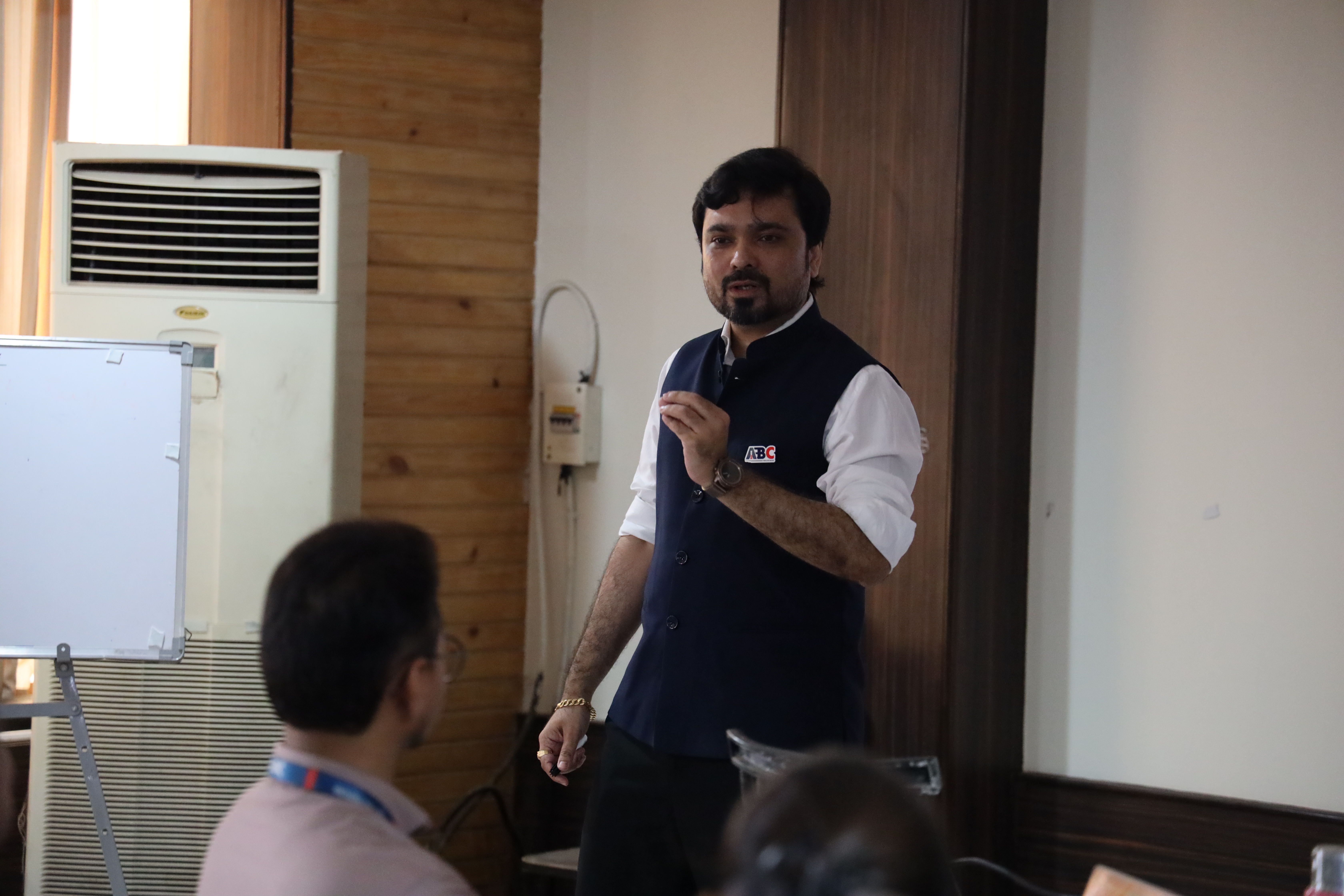
Here's something most people don't realize — money, position, and control aren't power. They're outcomes of power. The real question is: what creates the kind of influence that lasts, that works without a title, that people follow voluntarily? LinkedIn India's 2026 report confirms leadership skills are the #1 most sought-after capability in Indian professionals today. Understanding what power really is — that's where real leadership mastery begins.
TL;DR- Real power isn't money, position, or control — those are outcomes, not sources of power
- The most influential professionals often have modest titles and modest wealth but enormous trust
- Power flows from knowledge, relationships, trust, and the ability to inspire voluntary action
- Chasing positional power produces short-term compliance; real power builds long-term loyalty
- Redefining what power means to you is the essential first step to actually acquiring it
Why the Conventional Indian Definition of Power — Money Position Control — Is Incomplete
When most Indian professionals talk about power, they mean a senior designation, a high salary, or the authority to approve or deny. I've been asked in hundreds of training sessions across Bajaj Auto, Mahindra, and Tata Tech: 'Sir, how do I get more power at work?' And almost always, what they actually want is influence — not the symbol of a position, but the reality of having their ideas heard, their decisions trusted, their judgment respected. These are fundamentally different things, and conflating them is a career trap.
What Real Power Actually Looks Like in Indian Corporate and Leadership Contexts
Real power, as I've observed across 20 years of corporate training in India, has a few consistent signatures. Real power walks into a room and changes the energy without saying a word. Real power gets things done through voluntary cooperation rather than enforced compliance. Real power has people calling at 11 PM not because they're scared, but because they genuinely want that perspective on a crisis. I've seen this in top executives at JSW and L&T, and equally in quiet team leads at mid-size Pune companies. Position correlates with power loosely at best.
| Type of Power | Source | Durability | Effect on Others |
|---|---|---|---|
| Positional Power | Title, designation, authority | Expires when role ends | Compliance — people do what they must |
| Knowledge Power | Deep expertise others depend on | Long-lasting, compounds with time | Consultation — people seek your input |
| Relationship Power | Trust built through consistent reliability | Very durable — grows with investment | Cooperation — people want to help you |
| Referent Power | Admiration and personal respect | Durable if character remains consistent | Inspiration — people follow voluntarily |
| Financial Power | Money and resource control | Situational — depends on external factors | Transactional — people exchange value |
How Knowledge and Expertise Create Power That Outlasts Any Title or Designation
In every organization I've worked with — from Infosys and TCS to RBI and BARC — the professionals who wield the most actual influence are experts whose knowledge others depend on. Expertise creates a form of power that no promotion, no pay cut, and no restructuring can take away. Here's the thing: when you're the person who knows something critical — whether it's a technical skill, a market insight, or a leadership capability — people come to you. That voluntary seeking is the purest form of power. Knowledge-based power compounds over time, unlike positional power which expires with the role.
The Power of Relationships: Why Your Network Determines Your True Influence in India
I ask leaders in my workshops: who are the three people in your organization whose informal support you need for a major idea to succeed? The answer is rarely the CEO. It's often a respected domain expert, a well-connected middle manager, and a trusted peer across departments. Relationships are the infrastructure of power. Your professional network determines not just your opportunities but your influence. At organizations like Bosch and Siemens where I've conducted leadership programs, the professionals who move fastest aren't always the most technically brilliant — they're the ones who invest in relationships proactively.
How Trust-Based Power Builds Leadership Loyalty That Positional Power Never Can
The most powerful leaders I've encountered in Indian corporate culture — and I've trained thousands — share one defining trait: people trust them completely. Trust-based power doesn't require authority. A person with high trust can walk into any meeting and shift the conversation, stop a bad decision, or mobilize a team without a single line of positional authority. Contrast this with power that comes purely from position: it produces compliance, not commitment. People do what they must, not what's best. The minute positional power is removed, so is the 'loyalty.' Trust-based power has no such expiry date.
Why Chasing Positional Power Is Slowing Your Real Career Growth in India
The chase for positional power — the next title, the bigger team, the corner cabin — is one of the most common traps I see in ambitious Indian professionals. It's not that positions don't matter. They do, for access and resource allocation. But when positional advancement becomes the primary goal, professionals start optimizing for the wrong things: managing upward impressions instead of building team trust, hoarding credit instead of distributing it, avoiding risk instead of demonstrating judgment. All of these behaviors actively undermine the development of real power, even as the title climbs.
How to Build Real Lasting Power as an Indian Professional Starting Today
Here's what I tell every professional who wants to build real power. First, invest in one deep area of expertise that your organization genuinely needs — and then make that expertise visible and available. Second, deliberately build relationships with people outside your immediate team and function. Third, follow through on every commitment, no matter how small — reliability is the foundation of trust. Fourth, practice speaking last in group settings after you've truly listened — the person who speaks last often shapes the decision most. These habits compound. One year of consistent practice changes your influence profile entirely.
Book Avinash Chate for Your Next Event
TEDx speaker. 11+ yrs training Army, BRO, RBI, BARC, JSW. Available for keynotes, leadership training, team building & manager development at your office or event venue.
✅ Thanks! Avinash team will reach out within 24 hours.'}).catch(function(e){f.outerHTML='Something went wrong. WhatsApp +91 8793630001
'});return false;">Select ServiceKeynote / Motivational SpeakingLeadership Development TrainingTeam Building WorkshopManager DevelopmentEmployee TrainingOutbound TrainingBook Avinash Now →Or WhatsApp directly: +91 87936 30001
Related Articles by Avinash Chate
- Why Manufacturing Industry is Difficult to Start in India: 5 Key Challenges
- Ajit Agarkar's 21-Ball ODI Fifty Against Zimbabwe: The Silent Performer's Career Blueprint
- Clive Lloyd's 1975 World Cup Final Leadership: How Bold Captaincy Wins Under Pressure
Avinash Chate TEDx Speaker · Founder, The Future Corporate · 11+ yrs experience Avinash has trained Indian Army, BRO, RBI, BARC, JSW Steel and 1000+ corporate leaders across India. His work focuses on leadership development, communication skills, and behavioural training rooted in Indian values and modern business needs. |
Frequently Asked Questions
Why is money and position not the same as real power in Indian workplaces?
Money and position are outcomes that can result from power, but they're not power itself. The clearest evidence is what happens when these symbols are removed — a retired MD, a laid-off SVP. Without the title or the salary, the positional power evaporates overnight. Real power — the kind that flows from knowledge, relationships, and trust — doesn't disappear when a job ends. Avinash Chate has observed this across 200+ organizations in India: the professionals who retain influence after role transitions are those who invested in expertise and relationships, not just designations.
What are the most durable sources of power for Indian professionals and leaders?
The most durable sources of power for Indian professionals are: deep domain expertise that others depend on (knowledge power), a wide and well-maintained professional network built on genuine reciprocity (relationship power), and a reputation for absolute reliability and integrity (trust power). These three compound over time and survive organizational restructuring, industry disruptions, and career transitions. Financial power is real but situational. Positional power is useful but temporary. Knowledge, relationships, and trust are the triad that creates genuinely sustainable influence — in Indian organizations and globally.
How does trust-based power differ from positional power in Indian organizations?
Positional power produces compliance — people do what they're told because they have to. Remove the position, and the compliance vanishes. Trust-based power produces commitment — people follow because they genuinely believe in the person and their judgment. This distinction is visible in Indian organizations every time a respected informal leader without a senior title can mobilize colleagues across departments more effectively than a VP who rules by authority. Avinash Chate's leadership training focuses specifically on building trust-based power because it scales better, lasts longer, and creates healthier team cultures.
What practical steps can Indian professionals take to build real lasting power today?
Start building real power today with these four actions: invest 30 minutes daily deepening your area of expertise and make what you learn visible through sharing and teaching; reach out to one professional outside your immediate team each week with genuine value — an article, an introduction, a useful perspective; honor every commitment you make, no matter how small, because reliability is the fastest trust-builder; and practice speaking last in meetings after you've absorbed everyone's perspective — people who hold their ideas until the end often influence the final decision most significantly.
Avinash Chate services
Corporate Trainer in Maharashtra · Top Corporate Trainers in Maharashtra · Leadership Trainer in Maharashtra · Top Leadership Trainers in Maharashtra · Team Building Trainer in Maharashtra · Top Team Building Trainers in Maharashtra · Motivational Speaker in Maharashtra · Top Motivational Speakers in Maharashtra · All service locations
← Back to all articles · Book Avinash Chate
By Avinash Chate — Maharashtra’s #1 Corporate Trainer & Motivational Speaker. .