The Winning Edge for New Managers: From Executive to Leader
A first-person guide for newly promoted managers in India on leading with emotional intelligence, smart delegation and disciplined time management, drawn from my book The Winning Edge.
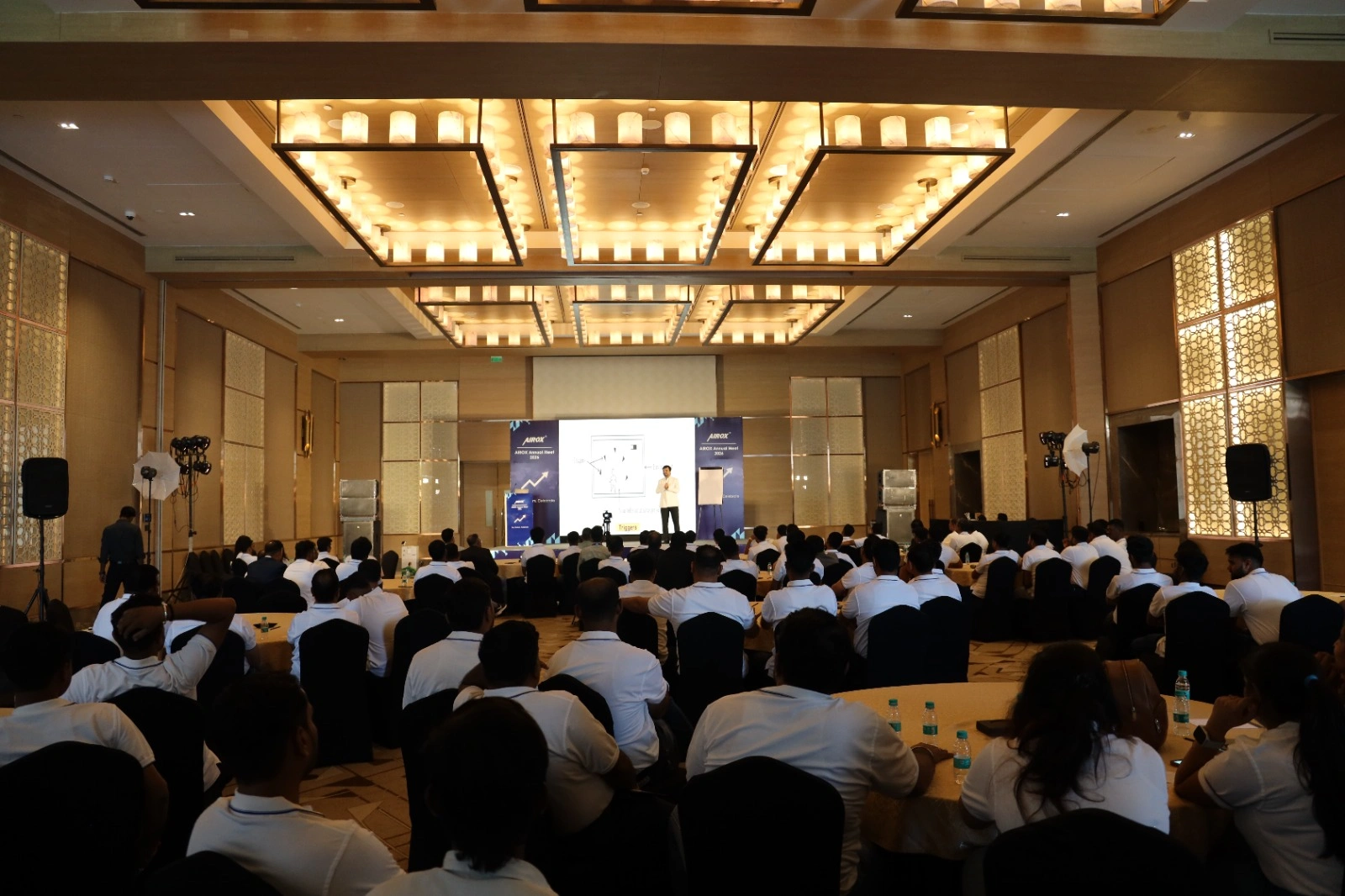
The day you are promoted to manager is one of the proudest of your career. It is also one of the most dangerous. Overnight, the skills that made you a star performer stop being the skills that decide your success. I have watched brilliant engineers, sharp salespeople and meticulous analysts step into their first managerial role and quietly struggle, not because they lacked talent, but because nobody told them the rules had changed.
In my book The Winning Edge, The Champion Mindset, I wrote a line that I repeat in almost every leadership workshop I run across Maharashtra: you are hired for your technical skills, but you are fired for your emotional skills. The journey from executive to leader is, at its heart, a journey of emotional intelligence, of learning to delegate, and of taking command of your own time.
This article is for every new manager in India who feels the gap between the title they have been given and the leader they want to become. Let me walk you through the same framework I share in my corporate training programs.
1. The Promotion Trap: Why Your Old Strengths Become New Weaknesses
As an individual contributor, you were rewarded for what you personally produced. The faster you worked, the more you delivered, the more you shone. As a manager, that instinct quietly betrays you. Your job is no longer to be the best player on the field. Your job is to make the whole team win.
This is where emotional intelligence enters. Emotional intelligence, or EQ, is the ability to manage and use emotions in yourself and in others. Daniel Goleman put a name to what great leaders always knew instinctively, that managing people is managing emotion.
When dealing with people, remember you are not dealing with creatures of logic, but with creatures of emotion. — Dale Carnegie
New managers often try to lead with logic alone. They issue instructions, set targets and expect compliance. But people do not run on spreadsheets. They run on how seen, respected and motivated they feel. The new manager who masters EQ stops being a boss and starts becoming a leader.
The Champion Pyramid of Emotions
In my workshops I teach EQ as five rising steps, what I call the Champion pyramid of emotions at the workplace:
- Self-Awareness — knowing your moods as they happen. Meditation and honest reflection are the foundation.
- Self-Control — regulating fear, anger and anxiety before they regulate you.
- Self-Motivation — pushing beyond your limits with optimism and entering a state of flow.
- Empathy — understanding what others are feeling, a skill built directly on self-awareness.
- Motivating Others — inspiring a team, managing ego and reducing friction.
Notice the order. You cannot motivate a team you cannot read, and you cannot read others until you can read yourself. As Stephen Covey taught, private victory always comes before public victory. The work begins inside you.
2. Self-Awareness and Self-Control: Leading Yourself First
The very first promotion you must earn is the promotion to leader of yourself. Self-awareness means catching your own moods in the moment, not analysing them a week later when the damage is done. I encourage every new manager to build a small daily practice of meditation or quiet reflection, simply to notice what they are feeling and why.
Self-control is what protects your team from your worst moments. Here is something I explain in detail in my behavioural training sessions: under stress, the emotional brain hijacks the rational brain. When you are angry or fearful, your working memory actually shrinks. You literally become less intelligent at the exact moment your team needs your best thinking.
Under stress, the emotional brain hijacks the rational brain and shrinks your working memory. The leader who cannot manage fear and anger cannot manage anyone.
A new manager who snaps under pressure trains the team to hide problems. A manager who stays composed trains the team to bring problems early, while they are still small. That single difference in self-control decides whether you lead a culture of fear or a culture of trust.
Coaching newly promoted managers on self-awareness and self-control during a leadership workshop.The 12 Star Qualities of Emotionally Intelligent Leaders
To make EQ practical instead of theoretical, I break it into twelve star qualities that a new manager can actually measure and grow:
- Under Self-Awareness: being aware of your own emotions, accurate self-assessment, and self-confidence.
- Under Self-Control: managing emotions, trustworthiness, taking responsibility, adaptability, and innovation.
- Under Self-Motivation: achievement drive, commitment, initiative, and optimism.
Here is the exercise I give in my programs. Score yourself out of 10 on each quality, then ask a trusted peer to score you too. The gap between how you see yourself and how others see you is your real development plan. Improve through deliberate practice, then re-score every month. What gets measured grows.
3. The Art of Delegation: Letting Go to Grow
The single hardest lesson for a new manager is this: doing the work yourself is no longer the job. Delegation feels like a loss of control, and many first-time managers cling to tasks because deep down they fear the team will not do it as well as they would. That fear keeps them trapped as a senior executive who happens to have a manager title.
Delegation is an act of empathy and motivation, the top of the Champion pyramid. When you hand over meaningful work, you are telling a team member: I trust you, I believe you can grow. That is how you motivate others and manage their ambition.
A professional is someone who works unsupervised and is accountable. — Subroto Bagchi
Your job as a new manager is to build professionals, people who do not need to be watched. You do that not by hovering, but by delegating clearly, setting expectations, and holding people accountable to outcomes.
How to Delegate Without Losing Control
- Delegate the outcome, not just the task. Tell people the result you want and why it matters, then let them find the path.
- Match the work to the person. Use empathy to know who is ready to stretch and who needs support.
- Make accountability clear. Agree on what done looks like and by when.
- Resist the rescue. When someone struggles, coach them through it instead of grabbing the work back.
Every time you take work back, you teach your team helplessness. Every time you coach them through it, you build capability. Delegation is not how you do less. It is how your team becomes able to do more.
4. Mastering Time: The Leader Decides What Matters
The moment you become a manager, your time stops being your own. Meetings multiply, your team interrupts you, and the urgent constantly crowds out the important. New managers who never take command of their time end up working longer hours while achieving less, because they are reacting all day instead of leading.
Time management for a manager is really priority management. The discipline is simple to say and hard to live: protect time for the work that only you can do, the thinking, the coaching, the decisions, and delegate or eliminate the rest.
Three Time Habits I Teach New Managers
- Separate the urgent from the important. The urgent shouts. The important whispers. Block protected time for the important before the day fills up.
- Use delegation as a time tool. Every task you correctly delegate is time returned to leadership work. Poor delegation is the biggest hidden time leak for new managers.
- Guard your emotional energy. Self-control is also time management. A single hour lost to anger or anxiety is an hour stolen from your team and your goals.
Self-motivation closes the loop. The leaders who manage their time best are driven by optimism and achievement, and they reach a state of flow where their best work gets done. Protecting your calendar is how you protect your ability to enter that flow.
5. The Ethical Mind: Leading With Integrity From Day One
A new manager is watched far more closely than they realise. Your team studies what you reward, what you tolerate and how you treat people under pressure. This is why character is not a soft add-on to leadership. It is the foundation.
Howard Gardner, in Five Minds for the Future, describes the ethical mind, the capacity to think beyond your own self-interest and act for the good of the wider group. For a new manager, the ethical mind shows up in small daily choices: giving credit honestly, owning your mistakes, being fair when no one is checking.
Trustworthiness and taking responsibility are not extras. They are the qualities a team uses to decide whether you deserve to be followed.
Robert Cooper and Daniel Goleman both pointed to the same truth from different directions: the leaders who win lasting loyalty are the ones who combine emotional skill with integrity. Technical brilliance gets you the promotion. Emotional intelligence and character get you a team that will run through walls for you.
A new-manager leadership workshop on delegation, time discipline and leading with integrity.6. Your First 90 Days: A Practical Action Plan
Let me bring it all together into something you can start using this week. Here is the path from executive to leader that I coach new managers through:
- Score your EQ. Rate yourself and ask a peer to rate you on the 12 star qualities. Find your biggest gap.
- Build a self-awareness habit. A few minutes of daily reflection or meditation to catch your moods early.
- Practise self-control under pressure. Pause before you react. Protect your team from your worst moments.
- Delegate one meaningful task this week. Hand over the outcome, set accountability, and resist taking it back.
- Protect your calendar. Block time for the important, not just the urgent.
- Re-score monthly. What gets measured grows. Track your growth and keep raising the bar.
None of this is about becoming a different person. It is about becoming the fullest version of the leader you already have the potential to be.
Bring this to your team. I run new-manager and leadership-focused corporate training and keynotes for companies across Pune, Mumbai and all of Maharashtra.
Book a session · Explore corporate training programs
Frequently Asked Questions
What is the biggest mistake new managers make?
The most common mistake is continuing to lead with technical skill alone and trying to do the work themselves. As I say in my workshops, you are hired for technical skills but fired for emotional skills. New managers succeed when they shift from being the best individual performer to building and motivating a strong team through emotional intelligence and delegation.
How can a new manager improve emotional intelligence?
Start with self-awareness through a small daily habit of reflection or meditation to catch your moods as they happen. Then score yourself and a trusted peer on the 12 star qualities of EQ, work on your biggest gaps through deliberate practice, and re-score every month. What gets measured grows.
Why is delegation so hard for first-time managers?
Most new managers fear that the team will not do the work as well as they would, so they cling to tasks and stay trapped as senior executives. Real delegation means handing over the outcome, matching work to the right person, making accountability clear, and resisting the urge to take the work back. As Subroto Bagchi said, a professional works unsupervised and is accountable, and your job is to build professionals.
How do new managers manage their time better?
Time management for a manager is priority management. Separate the urgent from the important and protect calendar time for the work only you can do, use delegation to return time to leadership work, and guard your emotional energy because hours lost to anger or anxiety are hours stolen from your goals.
If you are stepping into leadership for the first time, you do not have to figure it out alone. Reach out through my contact page, explore my corporate training programs, or look at my leadership training in Pune to bring this new-manager framework to your team. This article is adapted from my book The Winning Edge, The Champion Mindset.
Related Articles by Avinash Chate
- Why Manufacturing Industry is Difficult to Start in India: 5 Key Challenges
- Ajit Agarkar's 21-Ball ODI Fifty Against Zimbabwe: The Silent Performer's Career Blueprint
- Zero Defects: How Sundram Fasteners Won GM Supplier of the Year 5 Times
| AC | Avinash ChateIndia's Leading Corporate Trainer | TEDx Speaker | Author With 80+ organizations trained including RBI, JSW Steels, and Ferrero, Avinash Chate delivers high-impact corporate training across India. Creator of the KITE Leadership Framework and bestselling author of "The Winning Edge." Website YouTube |
Avinash Chate services
Corporate Trainer in Maharashtra · Top Corporate Trainers in Maharashtra · Leadership Trainer in Maharashtra · Top Leadership Trainers in Maharashtra · Motivational Speaker in Maharashtra · Top Motivational Speakers in Maharashtra · All service locations
← Back to all articles · Book Avinash Chate
By Avinash Chate — Maharashtra’s #1 Corporate Trainer & Motivational Speaker. .