Winning Is a Habit: The Success Mindset for Engineering Careers India
Winning isn't luck — it's a habit you build daily. Avinash Chate's session at Ashok Mane Kolhapur shows engineering students how the right mindset and tools shape careers for a decade.
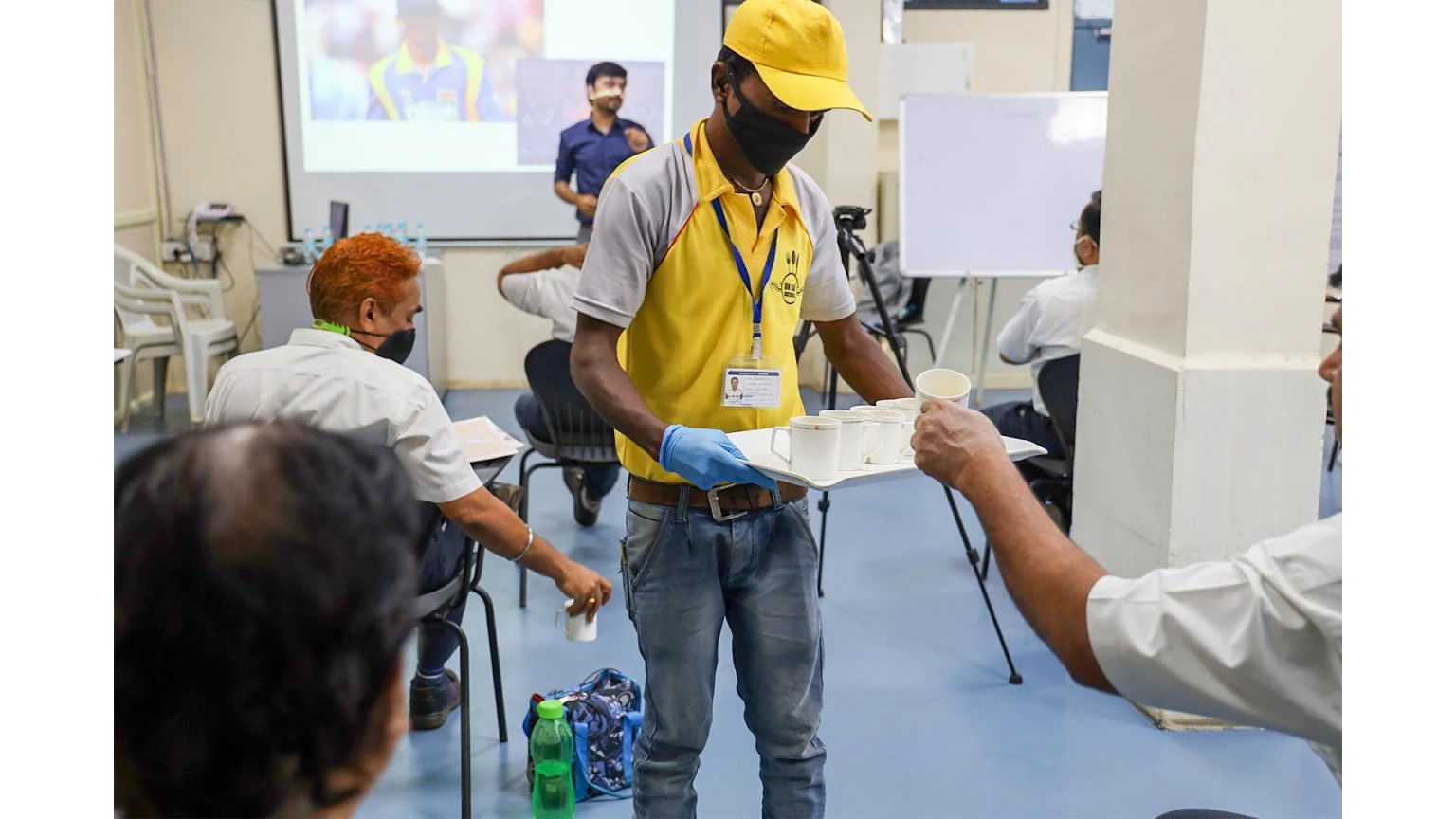
Winning is a habit — and trust me, so is losing. At Ashok Mane Group of Institutions in Kolhapur, I shared a simple truth with engineering students: the next 5–10 years of your career will be shaped not by your degree, but by your daily habits. With PMKVY 4.0 already training 2.1 crore Indians, the real edge is mindset.
TL;DR- Winning is a habit built by daily choices — and so is losing, by exactly the same principle
- Engineering students at Ashok Mane Kolhapur learned that career outcomes depend on mindset, not just degree
- The right habits, tools, and mental framework compound over a 5–10 year engineering career
- Most engineers fail not from lack of skill but from inconsistent effort and poor daily habits
- Avinash Chate's winning habit framework applies equally to fresher engineers and senior managers
Why Winning Is a Habit (And So Is Losing) According to Avinash Chate
Let me say this clearly — winning is a habit. Not talent. Not luck. Not even hard work on its own. What separates the top 10% of engineers in India from the remaining 90% isn't IQ or CGPA. It's a daily practice of thinking, deciding, and acting like a winner before the results confirm it. When I spoke at Ashok Mane Group of Institutions in Kolhapur, I opened with this exact challenge. The room went quiet. And then, slowly, hands started going up as students recognized their own losing habits for the first time.
The Three Ingredients That Build a Winning Engineering Career in India
Three ingredients build every winning engineering career in India. First: the right mindset — the belief that your current situation is a starting point, not a final verdict. Second: the right habits — consistency in learning, communication, and problem-solving, not just during placements but every single semester. Third: the right tools — in 2026, that means AI platforms, data tools, and communication software at professional level. Engineers who have all three compound their growth year after year; those who skip any one of them plateau quickly and wonder why their peers are moving ahead.
| Career Behaviour | Losing Habit | Winning Habit |
|---|---|---|
| Morning Routine | Scroll social media, no learning | 15 mins industry reading daily |
| Placement Approach | Desperate, unfocused applications | Researched, story-driven pitches |
| Skill Development | Only technical, ignore communication | Technical + leadership + AI tools |
| Feedback Response | Defensive, avoids criticism | Seeks feedback, implements it fast |
| Networking | Connects only when needing a job | Builds network consistently over years |
| Career Review | No reflection, reacts to events | Weekly Sunday review and planning |
| 5-Year Outcome | Plateau, stagnation, frustration | Leadership roles, compounding growth |
How Daily Habits Determine Career Outcomes Over 5 to 10 Years
Here's the thing about habits — they're invisible at the daily level but massive at the 5-year level. The engineer who spends 30 minutes reading industry news each morning won't notice a difference in a week. In a year, they'll have developed sharper problem framing. In five years, they'll be the person their manager calls when a new trend needs quick assessment. What most people don't realize is that career trajectories are written in tiny daily choices, not in single big moments. This is exactly what I was helping students understand at Ashok Mane — the power of daily compounding through habit.
What Engineering Students at Ashok Mane Kolhapur Learned About Real Success
In Kolhapur at the Ashok Mane Group of Institutions session, students asked me the most common question I hear from engineering freshers: "Sir, I have a degree but I don't know what to do next." My answer is always the same: stop thinking about what to do and start thinking about who to become. The degree is the entry ticket; the mindset is the actual pass. Students who attend placement drives with desperation instead of confidence — that's a losing habit showing up. Students who research companies, prepare stories, and walk in with curiosity — that's the winning habit in real action.
The Tools Every Engineer Needs to Build a Winning Mindset in 2026
The tools that build a winning mindset in 2026 are different from what they were in 2015. Engineers need to go beyond Excel and CAD. The LinkedIn India 2026 report lists leadership skills, communication, and AI collaboration as the top three most in-demand capabilities for engineering professionals. In my corporate training sessions at Tata Tech and Bosch, I tell fresh engineers the same thing: master your technical domain, then add these three skills, and you'll be irreplaceable within three years. The tools don't build the mindset; the mindset chooses the right tools and uses them relentlessly.
Why Most Engineers Plateau — and the Mindset Shift That Breaks the Ceiling
Most engineering careers plateau between Year 3 and Year 7. The technical learning curve flattens, promotions slow, and the engineer starts wondering if they chose the wrong career. What's actually happening is simpler: they've stopped growing their mindset while their skills stayed static. The ceiling isn't the industry's — it's the habit loop they're stuck in. The breakout move is usually one of three: taking a stretch assignment they weren't ready for, investing in a communications or leadership training programme, or finding a mentor who challenges their thinking weekly. All three are mindset choices, not skill choices.
How to Start Building Your Winning Habit Framework Today
Start building your winning habit framework today — not next semester, not after your next appraisal. Here's the three-habit minimum I gave the students at Ashok Mane Kolhapur: one, read something about your industry for 15 minutes every morning; two, do one thing each week that makes you slightly uncomfortable professionally; and three, reflect every Sunday on what moved you forward and what you avoided. These three habits, practised without exception, will reshape your career trajectory within 12 months. That's the system that built every successful professional I've trained, from Bajaj Auto to the Indian Army.
Book Avinash Chate for Your Next Event
TEDx speaker. 11+ yrs training Army, BRO, RBI, BARC, JSW. Available for keynotes, leadership training, team building & manager development at your office or event venue.
✅ Thanks! Avinash team will reach out within 24 hours.'}).catch(function(e){f.outerHTML='Something went wrong. WhatsApp +91 8793630001
'});return false;">Select ServiceKeynote / Motivational SpeakingLeadership Development TrainingTeam Building WorkshopManager DevelopmentEmployee TrainingOutbound TrainingBook Avinash Now →Or WhatsApp directly: +91 87936 30001
Related Articles by Avinash Chate
- Full-Day Leadership Workshop at Mtech Innovations Hinjewadi Pune 2026
- Avinash Chate: Motivational Speaker for Bhosari MIDC Pune 2026
- From Goal-Setting to Goal-Getting: The 3-Step System India 2026
Avinash Chate TEDx Speaker · Founder, The Future Corporate · 11+ yrs experience Avinash has trained Indian Army, BRO, RBI, BARC, JSW Steel and 1000+ corporate leaders across India. His work focuses on leadership development, communication skills, and behavioural training rooted in Indian values and modern business needs. |
Frequently Asked Questions
What does it mean that winning is a habit rather than a talent?
Winning as a habit means that consistent behaviours — how you prepare, how you respond to failure, how you show up daily — determine your outcomes far more than innate talent or intelligence alone. Research in behavioural psychology shows that top performers in any field practise specific mental habits: they visualize outcomes, review their performance objectively, and set process goals rather than only result goals. For engineering students in India, this means two engineers with identical technical skills will have dramatically different career outcomes based purely on their daily habits of learning, communication, and continuous self-improvement.
How can engineering students in India build a winning mindset for career success?
Engineering students can build a winning mindset by starting with three foundational habits: first, spend 15 minutes daily reading industry-relevant content — tech news, sector reports, or engineering case studies. Second, communicate one idea or insight each week to a colleague, mentor, or professional community — this builds articulation skills that distinguish engineers in senior roles. Third, do one uncomfortable professional thing each month — whether presenting to a group, volunteering for a stretch project, or reaching out to a senior professional for a conversation. These habits compound over semesters and years into a visible, measurable career advantage.
What habits should engineers develop in the first three years of their career?
In the first three years of their career, engineers should develop: deep technical mastery in their core domain, strong documentation and communication habits, the ability to work in cross-functional teams without friction, and a learning system for staying current with their industry. Beyond technical skills, they should develop financial literacy, basic understanding of business models in their sector, and a professional network built through consistent contribution rather than opportunistic connection requests. Engineers who do this in years 1–3 are the ones who receive leadership opportunities in years 4–7, while their peers are still waiting for someone to hand them a chance.
How did Avinash Chate's session at Ashok Mane Group of Institutions help students?
Avinash Chate's session at Ashok Mane Group of Institutions in Kolhapur helped students by reframing career success from an outcome they hoped for to a habit system they could build immediately. By explaining that winning and losing are both habits — patterns of daily behaviour that compound over time — students gained a concrete framework for action rather than abstract motivation. The session addressed practical tools and techniques for engineering career development in 2026, including leveraging AI tools, building communication skills, and developing the mental resilience to handle inevitable setbacks of a growing professional life with clarity and confidence.
Avinash Chate services
Corporate Trainer in Kolhapur · Top Corporate Trainers in Maharashtra · Leadership Trainer in Kolhapur · Top Leadership Trainers in Maharashtra · Team Building Trainer in Kolhapur · Top Team Building Trainers in Maharashtra · Motivational Speaker in Kolhapur · Top Motivational Speakers in Maharashtra · All service locations
← Back to all articles · Book Avinash Chate
By Avinash Chate — Maharashtra’s #1 Corporate Trainer & Motivational Speaker. .