Wrong Attitude Kills Talent: Cricket's Hard Lesson for Indian Careers
Talent is just the entry ticket. In cricket and in your career, it's attitude that determines how far you go — and arrogance or laziness that ends it prematurely.
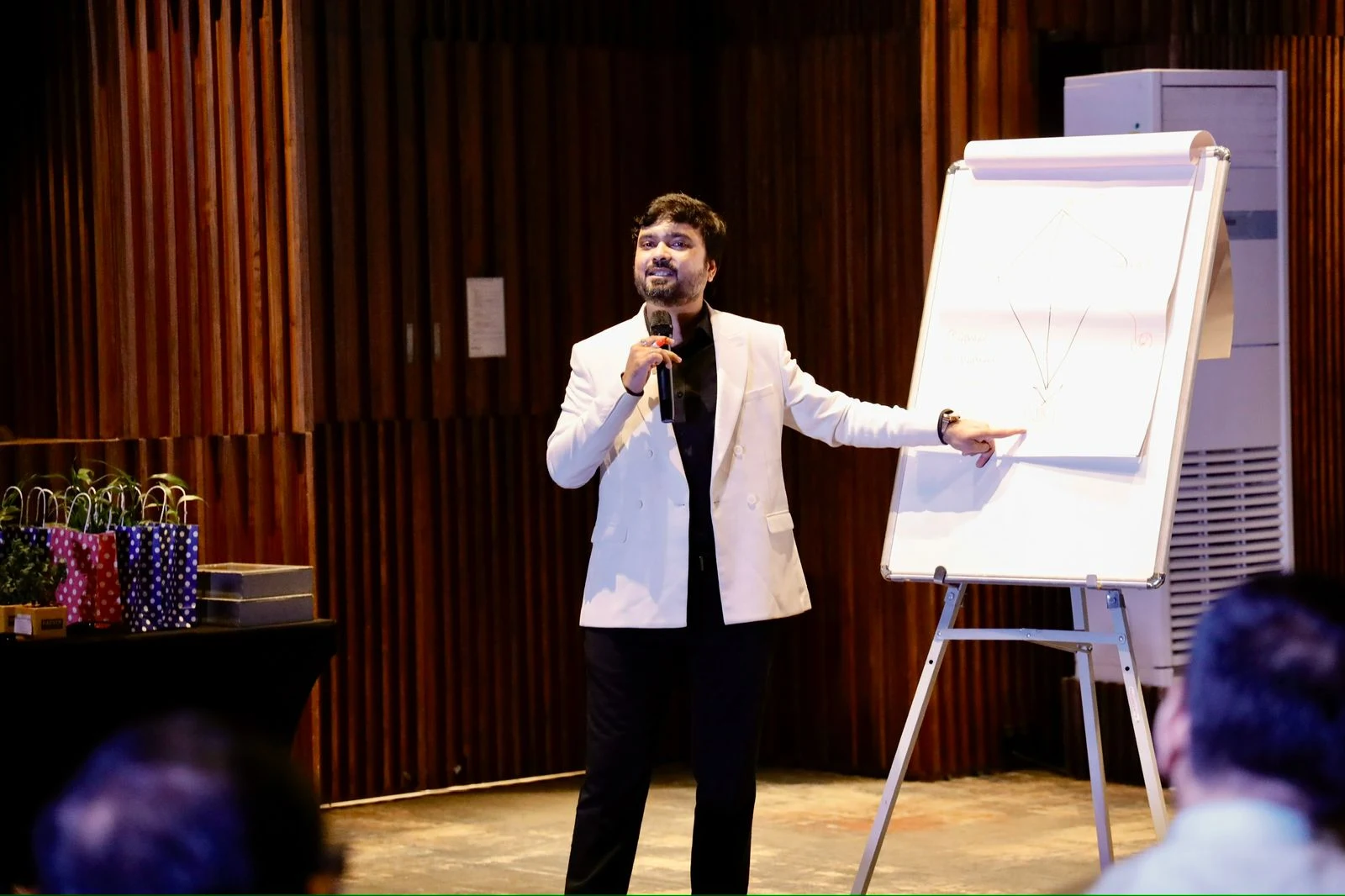
In cricket, gifted batsmen get dropped — not for poor technique, but for arrogance and laziness. Same in every corporate floor I've trained at Bajaj Auto, Mahindra, and TCS. LinkedIn India 2026 ranks leadership skills as India's #1 hiring priority. Talent gets you in the door. Attitude decides how far you go.
TL;DR- Wrong attitude — arrogance, laziness, ego — ends careers faster than lack of skill ever does, in cricket and in every Indian office
- Talent is the entry ticket; attitude determines how far you travel and how long you last at the top
- Arrogance makes talented professionals uncoachable — the one thing no mentor, manager, or team can fix from the outside
- Three attitude shifts: replace arrogance with curiosity, laziness with discipline, ego with accountability
- A wrong attitude can be corrected — but only by the person who owns it, never by their manager or trainer
What Wrong Attitude Actually Does to a Talented Cricketer — and Why It's Identical in Your Career
In cricket, the dressing room tells you everything before the scoreboard does. A player with wrong attitude — who stops listening to the coach, who believes past centuries exempt them from present discipline, who blames the pitch and the selectors — begins to decline long before the statistics confirm it. The team feels it. The management sees it. And eventually, a younger, hungrier, more coachable player with slightly less raw talent simply takes their place and never looks back. Talent without attitude is a powerful engine with no steering — it might accelerate hard, but it always crashes.
Arrogance vs Confidence: The Career-Killing Difference Indian Professionals Consistently Miss
Confidence says 'I can do this.' Arrogance says 'I don't need to learn anything more.' That gap — subtle as it sounds — is the difference between a career that compounds year on year and a career that plateaus at 35. What most people don't realise is that arrogance is almost always a fear response: the fear of being found out, of appearing unsure, of being seen as a learner rather than an expert. I've seen this pattern in every industry I've trained — from Bosch engineers to Infosys project managers. The truly confident ones are consistently the hungriest to learn.
Why Laziness Is the Most Expensive Form of Talent Waste in Indian Organisations
Laziness disguised as confidence is the most dangerous form of talent waste I see in Indian corporate training. The brilliant employee who coasts on their reputation, who delivers just enough to stay off the radar, who hasn't added a new skill to their toolkit in three years — they feel safe. They are not. The moment the organisation restructures, the moment a new technology changes the job requirements, the moment a younger, more driven colleague appears on the scene, coasting talent gets swept away. Not because they weren't good enough once — but because they stopped trying to be better.
| Professional Behaviour | Right Attitude (Career Accelerator) | Wrong Attitude (Career Killer) | Impact Over 5 Years |
|---|---|---|---|
| Receiving feedback | Curious, asks follow-up questions, adjusts | Defensive, dismissive, makes excuses | Promoted and trusted vs sidelined |
| Relationship with learning | Actively seeks new skills every quarter | Coasts on existing reputation | Valuable and scarce vs replaceable |
| Response to failure | Owns it, extracts the lesson, adjusts fast | Blames others, avoids accountability | Trusted with bigger roles vs avoided |
| Team behaviour | Lifts others, shares credit generously | Competes internally, hoards credit | Leader others follow vs liability |
| Relationship with authority | Respectful, coachable, open to direction | Arrogant, resistant to any direction | Mentored and developed vs managed out |
| Energy in challenges | Leans in, seeks creative solutions | Withdraws, complains, blames context | Indispensable vs first to be restructured |
Real Stories: When Attitude Buried More Talent Than Any Skill Gap Ever Did
In a leadership workshop I ran for a mid-sized IT firm in Pune — I won't name them, but they're a household name in the KPIT-Infosys corridor — there was an engineer whom everyone acknowledged as the most technically gifted in the room. He had been with the company for eight years. He was consistently passed over for the team lead role. When I ran a 360-degree feedback exercise, the pattern was clear: he interrupted colleagues in meetings, dismissed junior ideas, and resisted any process change that wasn't his own. His attitude was costing him a promotion his talent had long earned. The gap between what you deserve and what you get is almost always an attitude gap.
How Uncoachability — the Silent Career Killer — Shows Up in Indian Workplaces
The hardest thing to fix in any professional isn't a skill gap — it's a coachability gap. An uncoachable person who can't receive feedback, who deflects every critique, who privately believes they know better than everyone in the room — is the single most expensive hire any Indian organisation makes. Not because they're incompetent. Because they cap the entire team around them. Their defensiveness creates a culture where others stop offering ideas. Their ego creates a silence that looks like harmony but is actually stagnation. I've seen this from BARC researchers to Indian Army officers. It shows up everywhere talent outpaces self-awareness.
Three Attitude Shifts That Turn Talented Professionals Into Sustained High Performers
Here are three shifts I teach in every corporate training session. First: replace arrogance with curiosity. Walk into every meeting asking 'what can I learn from someone in this room?' — not 'what can I teach?' That one reframe changes how you listen. Second: replace laziness with daily micro-discipline. Not epic discipline — one professional improvement habit per day, 20 minutes. Read, practise, ask for feedback on one thing. Compounding works in careers the same way it works in investments. Third: replace ego with accountability. When something goes wrong, be the first to say 'here's what I could have done differently.' Genuine ownership attracts opportunity because leaders know they can trust you with it.
How I Coach Attitude Change in Real Indian Teams — Without Lecturing Anyone
I never lecture attitude in a training room — it doesn't work and people can smell the sermon coming. What works is structured self-discovery. I run an exercise where professionals identify the last three times they received critical feedback and name their immediate emotional response. Defensiveness is almost always the answer. Then I ask: what would have been the most useful response — not the most comfortable one? That gap between instinct and usefulness is where attitude work lives. I've seen this exercise shift a defensive 15-year veteran in under 45 minutes in a JSW team workshop. Not because I told them anything — but because they saw themselves clearly for the first time.
Book Avinash Chate for Your Next Event
TEDx speaker. 11+ yrs training Army, BRO, RBI, BARC, JSW. Available for keynotes, leadership training, team building & manager development at your office or event venue.
✅ Thanks! Avinash team will reach out within 24 hours.'}).catch(function(e){f.outerHTML='Something went wrong. WhatsApp +91 8793630001
'});return false;">Select ServiceKeynote / Motivational SpeakingLeadership Development TrainingTeam Building WorkshopManager DevelopmentEmployee TrainingOutbound TrainingBook Avinash Now →Or WhatsApp directly: +91 87936 30001
Related Articles by Avinash Chate
- Recession मध्ये Hyundai ने cars परत घेऊनही फायदा कसा कमावला
- Virender Sehwag Mindset That Most Corporate Professionals Fear
- Why Manufacturing Industry is Difficult to Start in India: 5 Key Challenges
Avinash Chate TEDx Speaker · Founder, The Future Corporate · 11+ yrs experience Avinash has trained Indian Army, BRO, RBI, BARC, JSW Steel and 1000+ corporate leaders across India. His work focuses on leadership development, communication skills, and behavioural training rooted in Indian values and modern business needs. |
Frequently Asked Questions
Can wrong attitude really destroy a talented person's career in India?
Absolutely — and it's more common than most people acknowledge. I've trained professionals at Tata Tech, Mahindra, L&T, Bosch, and KPIT where the most technically brilliant person in the room was consistently overlooked because their attitude made them difficult to work with, impossible to coach, and damaging to team dynamics. Talent gets you in the door; attitude decides how long you stay and how high you rise. LinkedIn India 2026 data confirms that leadership skills — which are entirely attitude-dependent — are now India's #1 hiring criterion across top employers.
What are the signs of wrong attitude in a professional at work?
The most common signs I see in corporate training: interrupting others in meetings without realising it, responding to feedback with 'yes but' (defensiveness, not openness), taking credit for team successes while attributing failures to circumstances, resisting new processes without engaging the reasoning, and visibly underperforming on tasks deemed 'below' their level. Most professionals with wrong attitude are the last to see it themselves — which is exactly why structured 360-degree feedback and facilitated coaching exercises deliver results that self-reflection alone cannot.
How do I change my attitude if I know it's affecting my career?
Start with radical self-awareness, not resolve. Resolve wears off in two weeks. Awareness sticks. Ask three colleagues — not close friends, but people who've worked closely with you — for one honest piece of feedback about how you show up in difficult conversations. Listen without defending. Then pick one specific behaviour to change — not your whole personality, one behaviour. Practise the alternative for 30 days deliberately. Behaviour science shows 30 days of conscious repetition begins to rewire the instinctive response. One changed behaviour, done consistently, changes how the entire room experiences you.
What does cricket teach us about attitude in the workplace?
Cricket is a perfect mirror for career because both involve long formats where attitude compounds over time. A batsman's arrogance makes them uncoachable — they stop adjusting to new bowling tactics, dismiss team feedback, and confuse past centuries with present form. In a career, the same professional stops learning new skills, resists managerial direction, and mistakes tenure for competence. In both cricket and corporate India, the hungry, coachable, attitude-right professional with slightly less raw talent almost always outlasts the brilliant but difficult one. Every Indian who grew up watching both Sehwag and Rahul Dravid understands this contrast instinctively.
Avinash Chate services
Corporate Trainer in Maharashtra · Top Corporate Trainers in Maharashtra · Leadership Trainer in Maharashtra · Top Leadership Trainers in Maharashtra · Team Building Trainer in Maharashtra · Top Team Building Trainers in Maharashtra · Motivational Speaker in Maharashtra · Top Motivational Speakers in Maharashtra · All service locations
← Back to all articles · Book Avinash Chate
By Avinash Chate — Maharashtra’s #1 Corporate Trainer & Motivational Speaker. .