Channel Partner Trainer in Mumbai
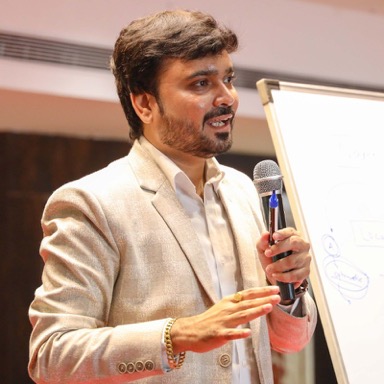
Mumbai is the country's densest channel market and Avinash Chate's most frequent travel city. TEDx speaker and creator of the KITE framework, Avinash runs channel partner empowerment programs for electronics, appliance, jewellery and real-estate networks across the MMR. Sessions in English, Hindi and Marathi.
English, Hindi and Marathi
Why Mumbai Brands Need Channel Partner Training
Mumbai is four channel cities on one PIN-code map. Andheri and Bandra concentrate electronics, jewellery and apparel dealers serving high-ARPU customers expecting concierge behaviour. Vashi and Belapur host appliance distributor depots feeding Navi Mumbai and Thane. Worli, Lower Parel and BKC anchor real-estate franchise networks where one mishandled lead is a lakh of brokerage lost. The Bhiwandi belt fans out FMCG and pharma across the MMR. The pattern is the same — partners drift into order-taking, counter conversion leaks and pricing discipline erodes.
Avinash's Channel Partner Methodology
One philosophy anchors the practice — a partner who thinks and sells like an entrepreneur outperforms one who behaves like a downstream order desk every quarter.
KITE Adapted for the Partner Mindset
The Winning Kite is recast for the channel — EQ on counter rapport, RQ on the dealer-brand trust ladder, PQ on pricing discipline and category-mix rituals, and Achievement on a 90-day partner scorecard. Cross-linked from Channel Partner Empowerment.
Channel-Loyalty Levers and Multi-Tier Engagement
Visible category recognition, fair conflict resolution between dealers in overlapping MMR pin-codes, transparent scheme communication and recognition formats that survive the next scheme change. Dealer principal, counter staff and field sales trained in the same room with role-specific breakouts; a parallel train-the-trainer track equips regional managers to carry reinforcement forward.
Formats Available in Mumbai
Mumbai-wide dealer conclaves for 80 to 250 partners at a Worli, BKC or Powai hotel. Monthly half-day huddles at the brand regional office in Andheri or Vashi. 2-day distributor kickoffs at Lonavala or Khandala covering the MMR plus Pune-Nashik cluster. Region-wide train-the-trainer for area and regional sales managers.
Recent Channel Engagement in Mumbai
A consumer electronics brand with a 60-plus dealer footprint across Andheri, Bandra, Vashi and Thane ran a 1-day Mumbai conclave at a Worli hotel for 96 partners and their counter staff. Footfall was healthy, but counter conversion on the premium SKU mix had stalled and dealers were quietly steering customers to lower-margin SKUs to avoid pricing conversations. We anchored the conclave in KITE adapted for the partner mindset — EQ on counter-rapport role-plays, RQ on a transparent scheme walkthrough, and PQ on three rituals: a daily counter-conversion log, a Monday premium-mix huddle and a weekly pricing review with the area manager. At the 60-day pulse, premium-mix attach rate had visibly lifted.
Explore
The room turns honest after the senior-most person leaves
There is a moment on a BKC banking floor that decides whether a session works, and it arrives when the senior-most person in the room walks out. Until then the answers are correct, brief and useless. Everyone is aligned. Escalation works well and feedback is given regularly. Nobody in that room is lying. They are doing the arithmetic every employee in every company does, and weighing one honest sentence against a career gives an answer that is entirely sensible.
So the design has to buy that candour rather than hope for it. Sometimes it is as simple as the sponsor opening the session, saying plainly why the programme exists and then going back to work. Sometimes it is splitting a mixed-grade room into two runs, so that nobody has to practise a difficult conversation while their own boss watches. Sometimes it is working on paper before anybody speaks, because a written answer is easier to give than a spoken one when the room is ranked.
None of this is unique to Mumbai. It is a hierarchy problem, and this city simply carries more hierarchy per square foot than most. Seniority in the room changes what gets said, and every floor here has seniority in the room. A trainer who fails to clear that hurdle in the first hour earns a polite, well-rated session and changes nobody's behaviour on Monday.
Three languages in one training room
English carries Mumbai's boardrooms. Hindi is the floor's lingua franca. Marathi is the register of the public sector, the docks and much of the front-line workforce. A single session for a branch network or an operations team can move through all three inside an hour, and the trainer has to move with it rather than parking in English and losing the back half of the room. Avinash delivers in all three and switches as the room requires, which is exactly what this city's mixed floors need.
Switching register in the middle of a room is a distinct skill, and it is not the same thing as translating. It means noticing inside the first fifteen minutes that a point is landing with the front three rows and sliding off the back four. The fix is almost never to repeat it more slowly. The fix is to change who the example belongs to, so the same idea arrives carried by a story from a branch counter rather than a boardroom, in the language that counter actually runs on. Then say so out loud. A room told the switch is deliberate settles; a room that suspects the trainer is improvising does not.
Register matters as much as language. A regulator's floor, the port's operational hierarchy and a private bank's sales floor each carry a formality of their own. A session pitched at the wrong one is dismissed inside the first few minutes. Reading that register early, in the diagnostic rather than in the room, is part of the craft.
Three hours up the expressway, not a flight away
Every Mumbai engagement follows the same arc: a diagnostic conversation with the sponsor about what is actually breaking, the session, structured practice, and follow-through at thirty, sixty and ninety days, with the KITE framework and the EQ, PQ and RQ lens doing the structural work. The arc is standard. What Mumbai changes is the logistics discipline wrapped around it.
The base is Pune, which for Mumbai work is an advantage rather than a compromise. Follow-through is where most training quietly dies, because the trainer who flew in cannot keep flying back. From Pune, the ninety-day tail of a Mumbai programme is an expressway drive, so the second and third visits actually happen, cohorts get reviewed in person, and sponsors are not left holding a binder and a memory.
Quarter-end is where that tail gets tested. In a city built on numbers, the closing fortnight belongs entirely to the number, and the habits a cohort committed to are the first things surrendered: the one-to-one is postponed, the coaching conversation compresses into an instruction, the review slot is handed to a client. A programme that treats this as indiscipline has misread its own buyer. The workable design plans around it instead. Two habits, chosen by the cohort, small enough to survive the worst week. A light checkpoint on the far side of the crunch rather than inside it. Work that comes through one quarter-end intact usually comes through the rest of the year.
Reading the city by its office districts
Mumbai's training briefs sort themselves by postcode. Bandra Kurla Complex holds the financial spine: the National Stock Exchange at Exchange Plaza, SEBI's headquarters, the towers of large banks and consulting firms, and the diamond trade concentrated in the Bharat Diamond Bourse. Nariman Point and Fort keep the legacy institutions, the Reserve Bank of India's headquarters among them. Those are floors where hierarchy is older and communication runs formal by default.
Lower Parel's converted mill compounds are the media and advertising district, where television networks, agencies and digital studios run on pitch cycles and late nights. Andheri East carries the SEEPZ zone's gems, jewellery and electronics exporters alongside dense corporate parks. Powai adds Hiranandani's office towers, L&T's large campus and a startup layer around IIT Bombay. Down the eastern seafront sit the docks, the Mumbai Port Authority's estate, and the freight and shipping offices that keep cargo moving through the night. Four districts, four working cultures. The enquiry email that arrives from each of them reads almost identically.
On the record: real work connected to Mumbai
These are specific, verifiable engagements — named organisations and what was actually delivered — not a generic client wall.
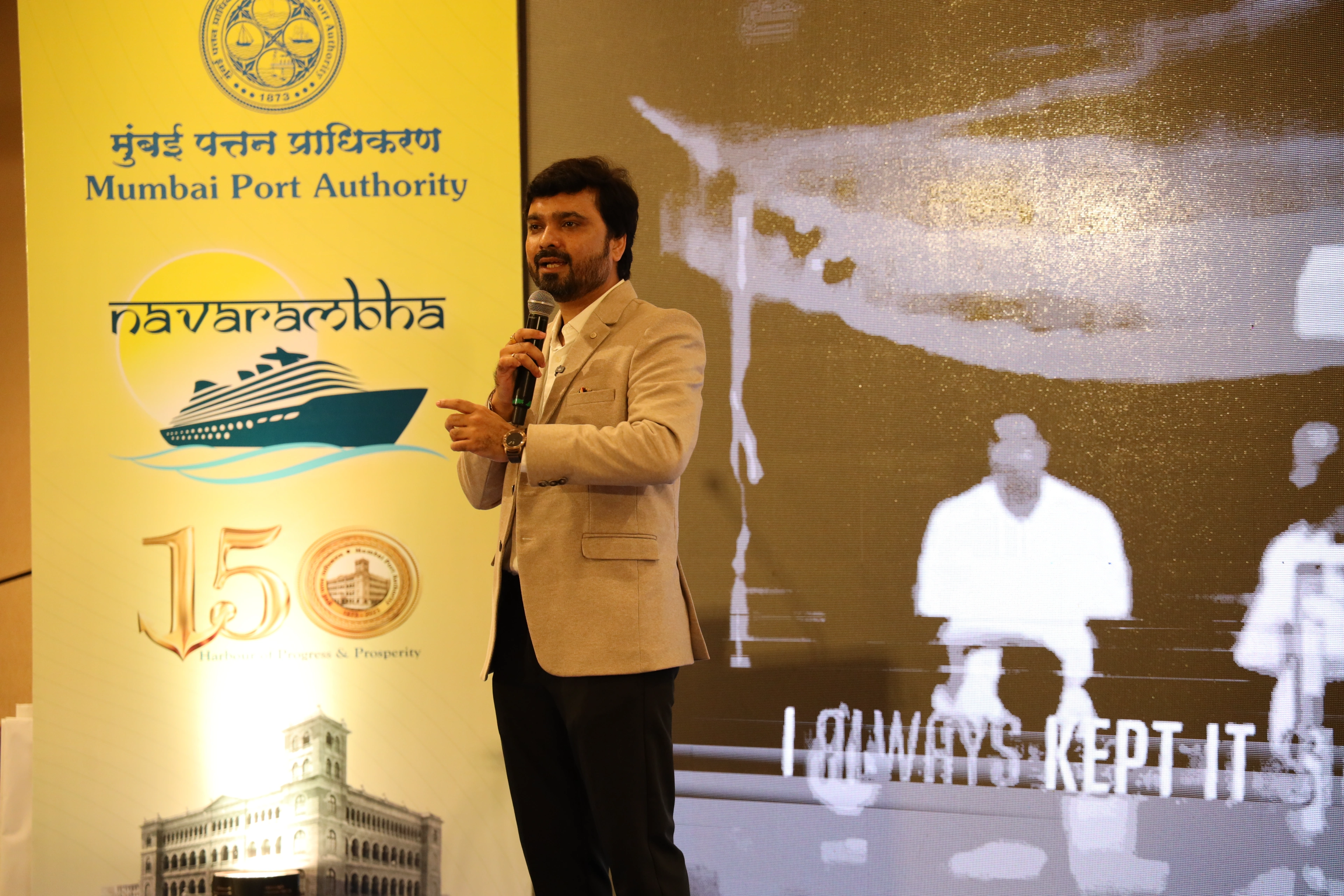
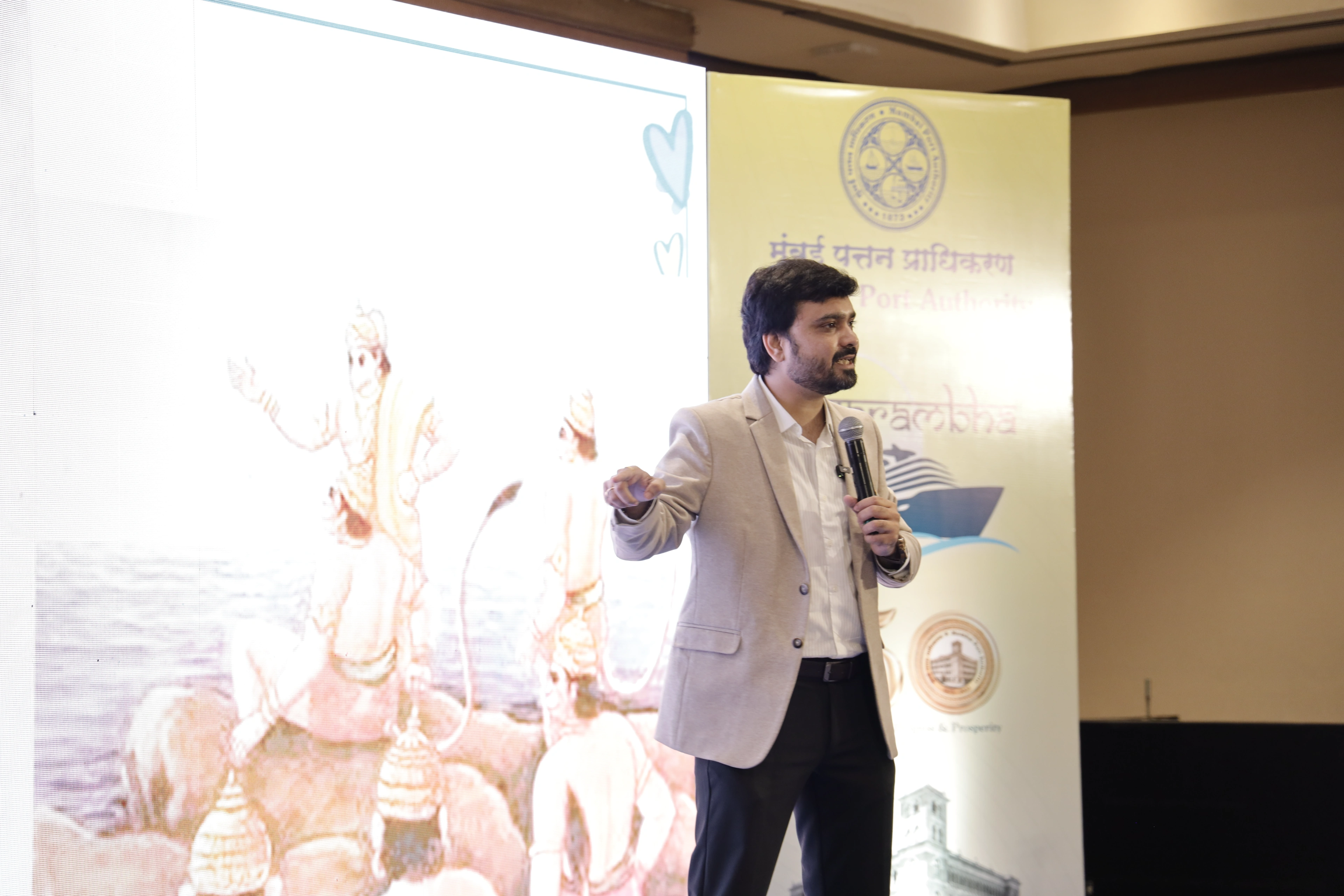
Mumbai Port Authority
Navarambh induction programme for newly recruited officers
Held at Taj President, Cuffe Parade in November 2025 for the authority’s young officers; published as a first-party case study (published record).
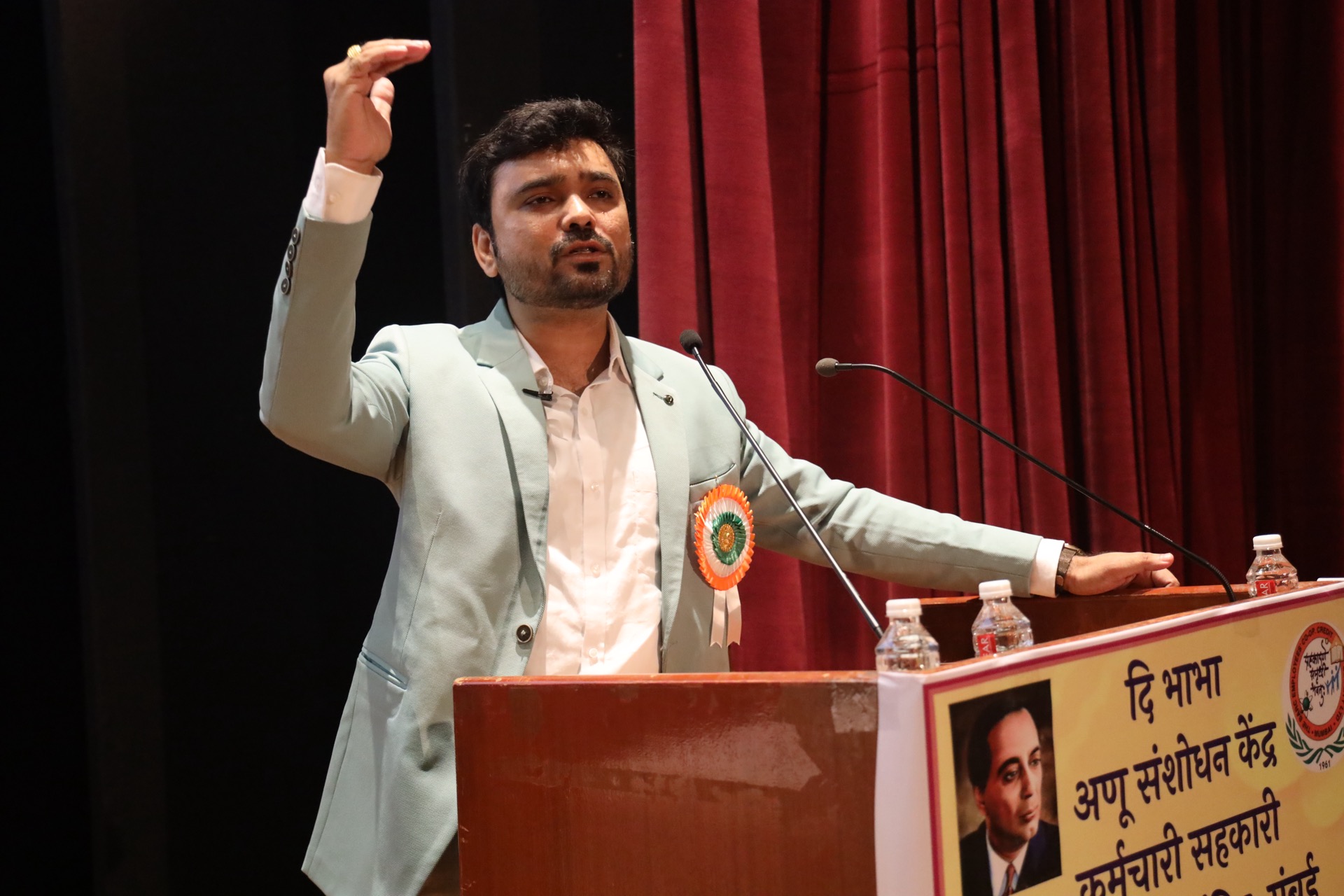
Bhabha Atomic Research Centre
Employee motivation and leadership session
Session for the BARC employees’ co-operative credit society in Mumbai, January 2025.
Thyrocare Technologies Ltd.
Business-growth coaching for the dealer network
Mumbai-headquartered diagnostics company; dealer coaching programme delivered in April 2024.
Gadharva Finchart Enterprises LLP
Training for financial advisors and sales consultants
Mumbai financial-services firm; two-day programme held in Mumbai in September 2025.
Daspati Maratha Charitable Trust
Chief-guest address
Community event at Shivaji Mandir, Dadar in November 2025.
From real sessions
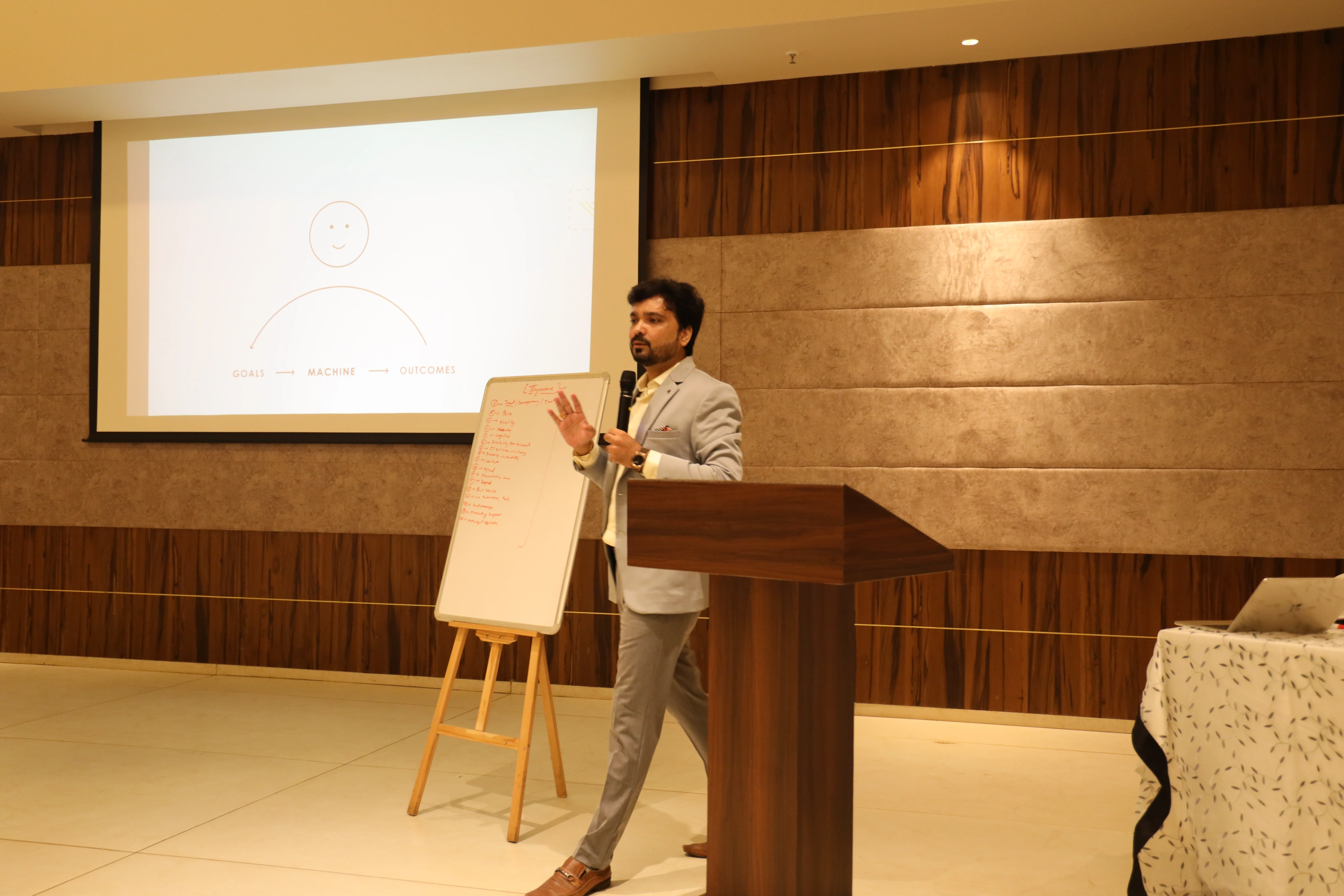
Real rooms, real teams — photographs from delivered sessions, not stock imagery.
Who He Has Trained
Frequently Asked Questions
What is channel partner training?
Channel partner training is a structured behaviour and business intervention for dealers, distributors, super-stockists and franchisees who carry your brand to the last mile. It is not a product training and not a refresher pep talk. It rewires how channel partners think about ownership, pricing discipline, customer experience and category growth — so they sell like entrepreneurs and not order-takers. Avinash Chate's practice anchors every channel program in the KITE framework adapted for the partner mindset, with measurable 90-day reinforcement.
How long is a typical channel partner program?
Formats range from a half-day dealer huddle for 40 to 80 partners in Andheri or Lower Parel, to a 1-day Mumbai-wide conclave at a Worli or BKC hotel, to a 2-day distributor sales kickoff at Lonavala or Khandala covering the MMR plus Pune-Nashik cluster. Electronics and appliance distributors typically choose a 1-day annual conclave plus monthly half-day reinforcement; real-estate franchisee networks prefer fortnightly 3-hour huddles.
Can sessions be delivered in Marathi or Hindi?
Yes. Mumbai channel sessions run in English, Hindi and Marathi, with on-the-floor switching between the three. Hindi is the working language of most counter staff across Andheri, Vashi and Bhiwandi; Marathi is essential for tier-2 and field sales cohorts across the MMR — bilingual delivery is the difference between a polite nod and a behavioural shift on Monday.
Do you train both dealers and their salesforce?
Yes. A channel program that only trains dealer principals does not move numbers; their counter staff and field salesforce are the actual point of customer contact. Standard engagements train the dealer owner, the showroom or counter team and the field sales executives in the same room, with role-specific breakouts. For large brands we also run a train-the-trainer track so regional sales managers carry the language forward.
Can our sales teams be trained without losing selling hours at quarter-end?
Yes. Mumbai programmes are routinely built as crisp half-days, staggered batches or early-morning blocks so a branch or floor is never empty, and follow-through is scheduled outside the results window. The design conversation with your sponsor settles this before any dates are proposed.
Our teams are split between BKC and Andheri East. One venue or two runs?
Two short runs, almost always. The same programme is delivered at each location on back-to-back days, attendance and punctuality hold because nobody is fighting the trains, and both cohorts are debriefed with the sponsor as one group so the message stays single.
Plan Your Mumbai Channel Partner Program
To scope a Mumbai channel engagement, share the partner count, the channel geography (electronics, appliances, jewellery, real-estate, FMCG), preferred format and the one business outcome the program needs to move. A diagnostic call follows within 48 hours.
Explore the flagship Channel Partner Empowerment program, our clients, reviews and contact.
Plan your Mumbai channel partner program
Dealer, distributor and franchisee empowerment — in English, Hindi and Marathi.
Request a Proposal →Planning this for your team?
Share your name and WhatsApp number and you will get a reply within one business day — usually the same day. Tell us the audience, the objective and rough dates and you get a specific proposal.
Prefer to talk now? ☎ +91 87936 30001 · WhatsApp · Email