5 New Manager Mistakes to Avoid & 7 Steps to Lead Well in India 2026
Just got promoted? Your former colleagues aren't respecting your decisions. Senior management thinks you're not ready. After training 1 lakh+ professionals at RBI, JSW, Reliance, and BARC, here are the 5 mistakes destroying new managers — and 7 steps to fix them.
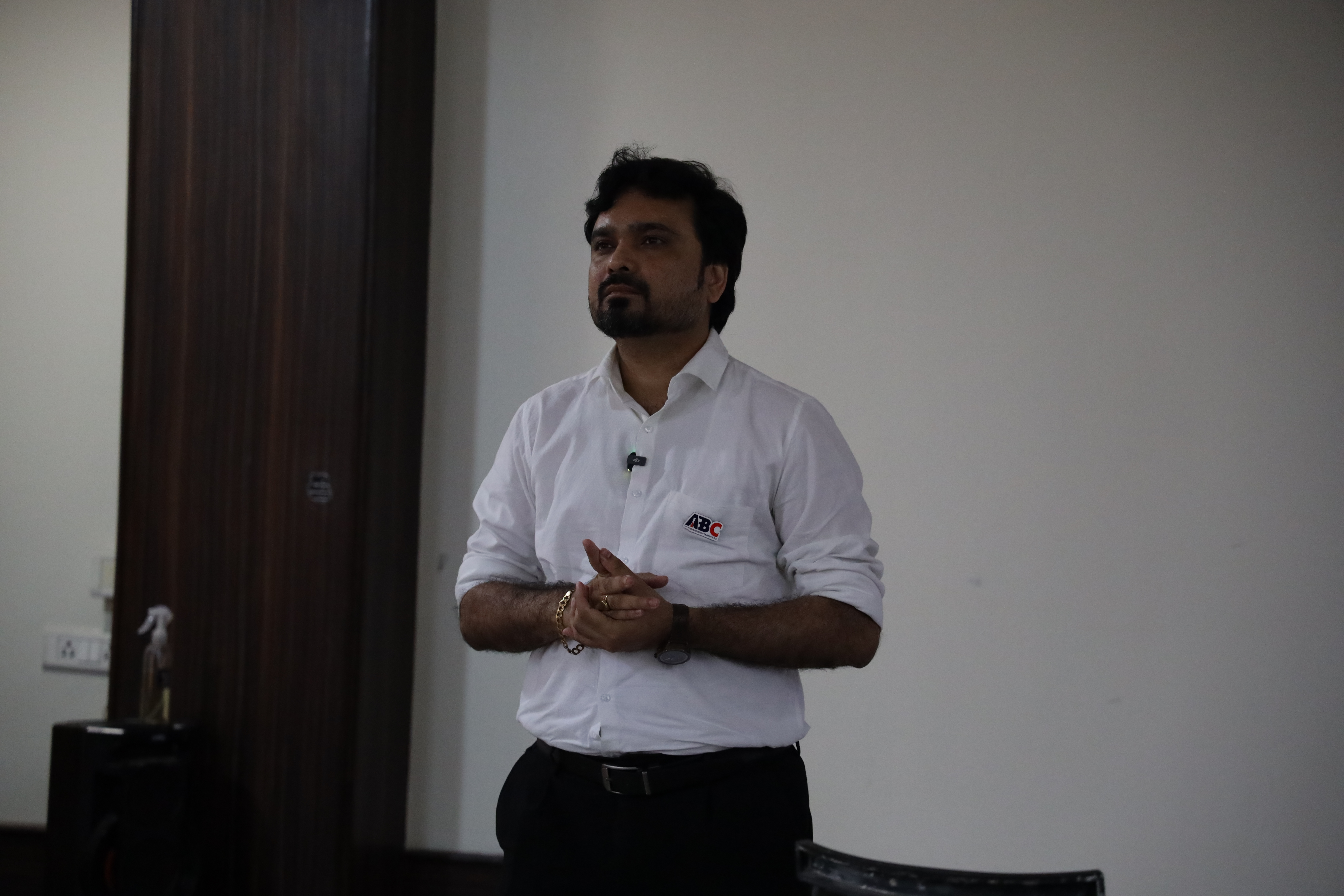
You just got promoted and made a manager. Your former colleagues don't respect your decisions. Your team doesn't follow your direction. Senior management quietly wonders if you were ready. This exact scenario plays out thousands of times every week across Indian organizations — and it doesn't have to. In 20 years of training over a lakh professionals at RBI, BARC, JSW, Reliance, and Mahindra, I've identified the 5 mistakes that destroy new managers — and the 7 practical steps to transform from an average employee to an effective, inspiring leader.
TL;DR- New managers in India most commonly fail from lack of self-awareness, poor communication, inability to build trust, low emotional intelligence, and stopping learning after promotion
- The transition from individual contributor to manager is the most dangerous career cliff — technical excellence does not transfer to leadership effectiveness
- 7 practical steps: self-awareness, communication upgrade, trust building, emotional intelligence, delegation, feedback culture, and continuous learning
- These 7 steps are drawn from 20 years of real case studies at RBI, BARC, JSW, Reliance, and Mahindra — not theory
- New managers who apply these 7 steps consistently transform into inspiring leaders within 6 months
The New Manager Trap: Why Promotion Does Not Automatically Create a Leader
The most dangerous assumption a new manager makes is this: "I was promoted because I'm good — and now my team will respect me because of my title." It doesn't work that way. Respect for a manager is earned through behavior, not granted through appointment. In India's corporate culture, where hierarchy is real and seniority matters, a promotion creates formal authority — but formal authority is the weakest kind of leadership. The most powerful kind of leadership is what I call earned authority: the kind that comes from your team trusting your judgment, respecting how you treat them, and believing you have their growth in mind. I've trained over a lakh professionals in India — at RBI, BARC, JSW, Reliance, and Mahindra — and every experienced leader I've spoken to says the same thing: "The day I got promoted was the day I realized I knew nothing about leadership."
Mistake 1 — Low Self-Awareness: You Think Your Promotion Changed Your Relationships
The first and most damaging mistake new managers make is assuming that their relationships with former colleagues remain unchanged after promotion. They don't. When you become the manager of people who were your peers, the entire social contract changes. Your former "work friends" now have a reporting line to you. They need to know: will you treat them fairly, or show bias toward people you were close to? Will you share their confidences up the chain? Will you advocate for them or manage them as resources? Most new managers don't explicitly address these changed dynamics — they try to pretend nothing has changed, which confuses everyone. The self-aware manager acknowledges the change directly and early: "Our relationship has changed, and I want to be transparent about what that means for how we work together." That single conversation, done well, builds more trust than months of pretending.
Mistake 2 — Poor Communication: Giving Orders Instead of Creating Clarity
The second mistake is communication — specifically, the transition from receiving instructions as an individual contributor to giving instructions as a manager, without developing the communication skills the new role demands. Many new managers communicate the way they were communicated to by their previous managers — which, in Indian corporate culture, often means short directives without context. "Get this done by Friday." The problem: when people don't understand why something is important, they prioritize their own judgment over your direction. Clear managerial communication has four elements: what needs to be done, why it matters, what success looks like, and what support is available. This isn't extra work — it's the investment that prevents the 37 clarification emails and the missed deadline that result from unclear direction. At Reliance and JSW client sessions, I consistently find that communication clarity improvement alone increases on-time delivery by 18–22%.
Mistake 3 — Failing to Build Trust: Why Your Team Doesn't Follow Your Direction Yet
The third critical mistake is failing to build trust, which happens in two specific ways. First: micromanagement. New managers, anxious about their team's performance reflecting on them, often over-supervise — checking every deliverable, questioning every decision, and essentially telling their team that they're not trusted. The irony is that micromanagement produces exactly the underperformance it was trying to prevent. Second: inconsistency. New managers who apply different standards to different team members — more leniency toward favorites, more scrutiny toward others — destroy team trust within weeks. Trust is built through consistent, fair behavior over time. At KPIT and BARC, I teach new managers a simple trust audit: every week, ask yourself, "Did I treat my team members consistently this week? Did I do what I said I would do? Did I give credit where it was due?" Three yes answers = trust-building week. Two or fewer = investigate and adjust.
| Mistake | What It Looks Like | The Fix |
|---|---|---|
| Low Self-Awareness | Assuming promotion changed nothing about peer relationships | Address changed relationship dynamics directly and early |
| Poor Communication | Short directives without context or success criteria | Add why, what success looks like, and available support to every instruction |
| Failing to Build Trust | Micromanagement or inconsistent standards across team members | Weekly trust audit: consistent, fair, delivers on commitments |
| Low Emotional Intelligence | Frustration visible to team; missing emotional signals of struggle | EI development: recognize triggers, read team state, separate person from performance |
| Stopping Learning | Treating promotion as destination, figuring it out alone | Immediate mentor search + formal leadership program enrollment |
Mistake 4 — Low Emotional Intelligence: Managing Tasks Instead of Leading People
The fourth mistake is low emotional intelligence — the most common reason technically brilliant professionals fail as managers. Here's what low EI looks like in a new manager context: getting visibly frustrated when team members ask basic questions ("I've already explained this!"). Taking it personally when team members don't perform at the manager's own previous standard. Being unable to recognize when a team member is struggling — not from laziness, but from a personal problem, unclear direction, or skill gap. Missing the emotional signals that someone is about to resign. High-EI managers, by contrast, recognize their own emotional triggers and manage them consciously. They read their team's emotional state and adjust accordingly. They separate a person's current performance from their potential. At Mahindra and Infosys client coaching, the managers who develop EI as a priority consistently report the most dramatic improvements in team performance and retention.
Mistake 5 — Stopping Learning: Thinking the Promotion Was the Destination
The fifth and final mistake is perhaps the subtlest: treating the promotion as the destination rather than the beginning of a new learning journey. Many new managers stop deliberately developing themselves after promotion. They reason: "I've earned this role — now I'll figure it out on the job." The problem is that the "figuring it out on the job" approach takes years and leaves a trail of damaged team relationships and missed opportunities in the interim. LinkedIn India's 2026 report shows that leadership skills are the #1 skill set Indians are actively seeking to develop — yet many new managers don't invest in formal leadership development until they're already failing. The most effective new managers I've coached — at Tata Tech, KPIT, and Indian Army officer training contexts — deliberately seek out mentors, reading, formal coaching, and peer learning from day one of their new role.
The 7 Steps to Transform from New Manager to Inspiring Leader in India 2026
Here are the 7 practical steps that I've consistently seen transform new managers into effective, inspiring leaders in Indian organizations. Step 1: Develop self-awareness — get honest feedback from your team and peers within your first 90 days. Step 2: Upgrade your communication — add context, purpose, and success criteria to every directive you give. Step 3: Build trust deliberately — be consistent, do what you say, give credit where it's due, and address the changed relationship with former peers directly. Step 4: Develop emotional intelligence — start noticing your triggers, reading your team's emotional state, and separating people from their performance. Step 5: Delegate effectively — your job is no longer to do; it's to enable. Give your team autonomy with clear parameters. Step 6: Create a feedback culture — give specific, timely feedback weekly and create safe conditions for your team to give you feedback too. Step 7: Keep learning — find a mentor, join a leadership development program, and treat your own growth as your most important ongoing responsibility. These seven steps, applied consistently over six months, are the difference between a new manager who survives and one who genuinely leads.
Book Avinash Chate for Your Next Event
TEDx speaker. 11+ yrs training Army, BRO, RBI, BARC, JSW. Available for keynotes, leadership training, team building & manager development at your office or event venue.
✅ Thanks! Avinash team will reach out within 24 hours.'}).catch(function(e){f.outerHTML='Something went wrong. WhatsApp +91 8793630001
'});return false;">Select ServiceKeynote / Motivational SpeakingLeadership Development TrainingTeam Building WorkshopManager DevelopmentEmployee TrainingOutbound TrainingBook Avinash Now →Or WhatsApp directly: +91 87936 30001
Related Articles by Avinash Chate
- Wanting vs Doing: How to Close the Ambition-Action Gap in India 2026
- Build a Culture of Learning: Corporate Training That Goes Beyond Basics India
- From Failure to Victory: Afghanistan Cricket's Comeback Lesson for Indian Teams
Avinash Chate TEDx Speaker · Founder, The Future Corporate · 11+ yrs experience Avinash has trained Indian Army, BRO, RBI, BARC, JSW Steel and 1000+ corporate leaders across India. His work focuses on leadership development, communication skills, and behavioural training rooted in Indian values and modern business needs. |
Frequently Asked Questions
Why do so many technically excellent employees fail when promoted to manager in India?
The core reason is that the skills that make someone an excellent individual contributor — technical precision, depth of expertise, independent problem-solving — are almost the opposite of the skills that make someone an effective manager. A great engineer solves problems directly. A great manager creates the conditions for their team to solve problems. A great analyst delivers precise outputs. A great manager helps five analysts deliver better outputs collectively than any one could alone. This transition requires an entirely new skill set: communication, trust-building, emotional intelligence, delegation, feedback, and self-awareness. None of these are taught in the technical education that got the person promoted in the first place. Without deliberate development, the brilliant individual contributor becomes the ineffective, frustrated manager — and often blames the team rather than recognizing the real gap.
What is the most important skill a new manager in India needs to develop first?
Based on 20 years of new manager coaching across organizations including RBI, BARC, JSW, Reliance, and Mahindra, the single most important skill to develop first is self-awareness. Not because it sounds profound, but for a specific practical reason: self-awareness determines your ability to develop every other skill. Without self-awareness, you don't know your communication blind spots, so you can't fix them. Without self-awareness, you don't recognize your emotional triggers, so you can't manage them. Without self-awareness, you don't see how your behavior affects your team, so you can't adjust. The fastest way to develop self-awareness as a new manager: ask for structured 360-degree feedback within your first 60 days, and listen to it without defensiveness. What your team and peers experience about you is data, not judgment.
How do you build trust as a new manager when your team were formerly your colleagues?
Building trust after a peer-to-colleague promotion requires three specific actions. First, address the relationship change directly and early — don't pretend nothing changed. Have an honest conversation with former peers: "Our relationship has shifted, and I want to be transparent about how I'll handle that." Second, be explicitly fair — apply consistent standards to everyone, and be visibly aware of the fairness concern when making decisions that affect your former close colleagues. Third, advocate for your team with senior management — speak about your team's achievements and defend their interests when needed. Former colleagues become loyal team members when they see that their manager is in their corner, not just managing them. This transition typically takes 60–90 days of consistent behavior to establish.
How long does it typically take to become an effective manager in India with proper development?
With deliberate development — a structured leadership program, a mentor, active application of feedback — most professionals can become meaningfully effective managers within 6 months of promotion. Without deliberate development, "figuring it out on the job" typically takes 2–3 years and leaves significant damage in the interim: team attrition, missed project outcomes, and damaged relationships that are hard to repair. The key variable is commitment to growth as a manager, not just performance as a manager. At organizations where I've run structured new manager development programs — RBI, BARC, Mahindra — participants who complete the full six-month program with coaching report that they feel confident and effective by month four. Those who skip the program report ongoing struggles 12+ months into the role.
Avinash Chate services
Corporate Trainer in Maharashtra · Top Corporate Trainers in Maharashtra · Leadership Trainer in Maharashtra · Top Leadership Trainers in Maharashtra · Team Building Trainer in Maharashtra · Top Team Building Trainers in Maharashtra · Motivational Speaker in Maharashtra · Top Motivational Speakers in Maharashtra · All service locations
← Back to all articles · Book Avinash Chate
By Avinash Chate — Maharashtra’s #1 Corporate Trainer & Motivational Speaker. .