5 Ways to Motivate Your Sales Team Amidst Economic Challenges
Discover five practical ways to keep your sales team motivated during economic uncertainty through stronger leadership, communication, recognition, coaching, and purpose-driven performance.
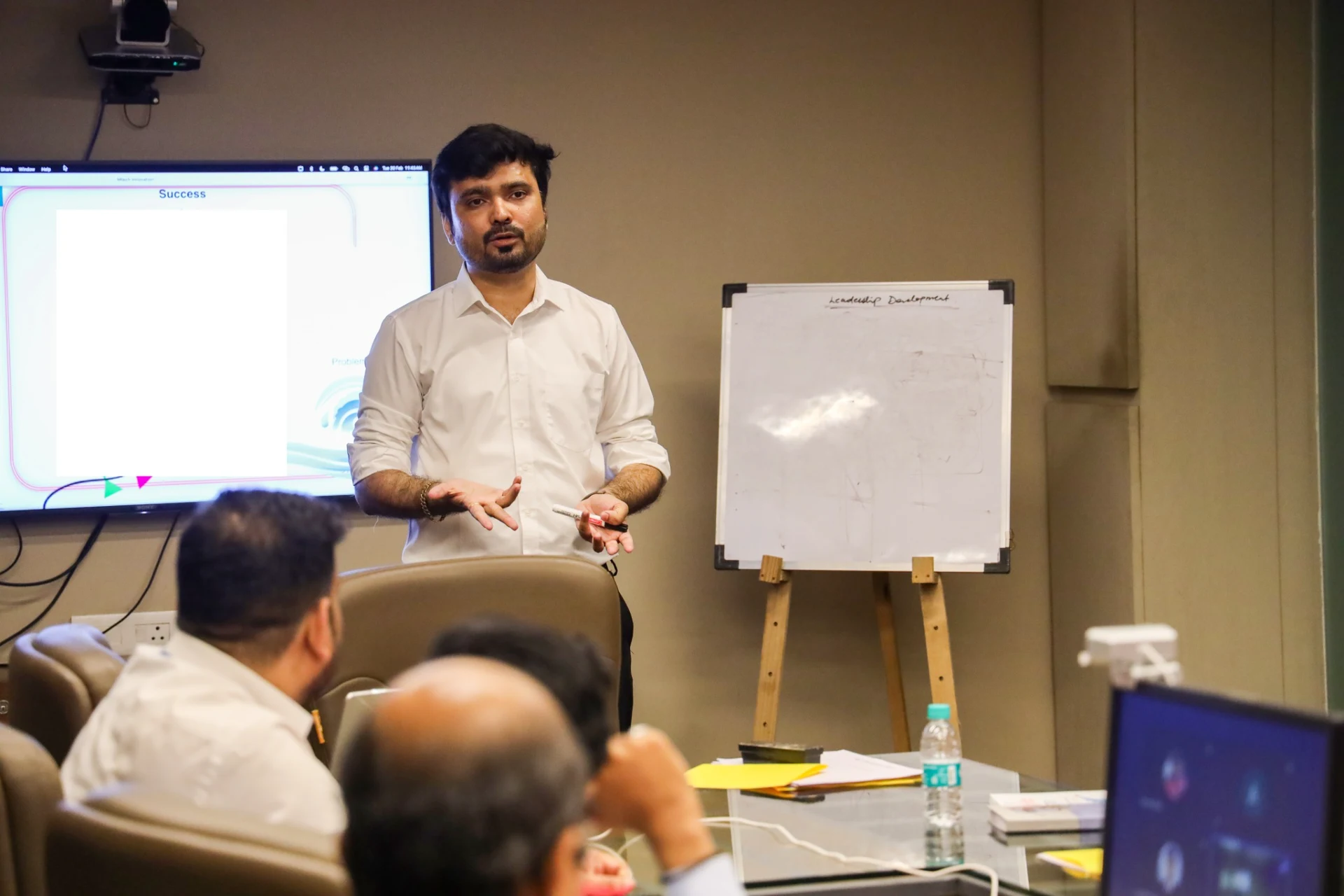
Avinash Chate - Corporate Coach at annual leadership conference
5 Ways to Motivate Your Sales Team Amidst Economic ChallengesWhen markets slow down, customer decisions take longer, and pressure rises, sales teams often carry the emotional weight of the entire business. I have seen this across industries: when uncertainty increases, motivation does not disappear overnight, but confidence can. That is why leaders must become more intentional about how they inspire, guide, and support their teams.
Key takeaway: during difficult economic phases, the best sales leaders do not motivate through pressure alone; they motivate through clarity, belief, recognition, coaching, and purpose.
As Avinash Chate, a TEDx speaker and author of The Winning Edge, I believe that sales motivation is not about hype. It is about creating the right emotional environment for consistent action. Over 15+ years, while working with professionals across 80+ organizations, I have seen that teams perform better when leaders strengthen human skills, not just targets. This is also where my KITE Leadership Framework becomes relevant: when leaders build knowledge, inspiration, trust, and execution, teams respond with resilience.
Whether I am addressing frontline teams, sales managers, or business heads, my message remains the same: economic challenges test culture before they test capability. If your people stay mentally strong, emotionally connected, and professionally focused, they can still create momentum even in a difficult market.
1. Replace Fear with Clarity and Honest Communication
In challenging times, silence creates anxiety. When salespeople do not know what is happening, they start filling gaps with assumptions. They worry about targets, incentives, customer sentiment, and job security. This emotional noise reduces performance.
One of the most effective ways I motivate sales teams is by helping leaders communicate with honesty and steadiness. Do not pretend that the market is easy. Acknowledge reality. At the same time, give your team a clear direction. Tell them what has changed, what has not changed, and what the organization expects now.
Clarity reduces stress. A team that understands the current priorities can focus better. For example, instead of only saying, “Close more business,” define what winning looks like in the present environment. It may mean improving follow-up discipline, increasing quality conversations, strengthening customer relationships, or protecting existing accounts.
Avinash Chate often emphasizes that communication is not only about information; it is about emotional stability. A calm leader creates a calmer team. In one of my sessions with professionals from Gadharva Finchart Enterprises LLP, we discussed how transparent communication from leaders can improve morale even when the market feels unpredictable. People do not expect perfection from leaders. They expect direction.
If you want to deepen morale-building communication in your organization, you may also explore Motivational Speaker in Pune for Wakad, Baner, and Talawade — Boosting Morale in the Emerging IT and Startup Corridor.
2. Shift the Focus from Pressure to Progress
When revenue becomes harder to achieve, many leaders increase pressure. They monitor more, question more, and demand more. While accountability matters, excessive pressure often weakens motivation. People start working from fear instead of confidence.
I advise leaders to shift from pressure-based management to progress-based motivation. This means celebrating movement, not only final outcomes. In a difficult economy, every positive action matters: a meaningful client meeting, a revived lead, a strong presentation, a referral conversation, or a saved relationship.
Sales teams need to feel that effort still has value. If leaders recognize only the final number, they miss the behaviors that eventually create that number. Motivation grows when people feel seen for what they are doing right.
This does not mean lowering standards. It means broadening what you measure emotionally. A team member who is disciplined, proactive, and improving should receive encouragement. Recognition reinforces productive habits. Once confidence returns, results often follow.
In my corporate training programs, I encourage managers to ask better questions: What progress did you make this week? What conversation moved forward? What did you learn from a lost deal? Which customer relationship became stronger? These questions create a growth mindset and reduce helplessness.
Motivated sales teams are not built only by incentives. They are built by leaders who help people see momentum, even before the scoreboard fully reflects it.
3. Build Daily Recognition into Team Culture
One of the fastest ways to lift energy in a sales team is recognition. During economic stress, people often hear more about gaps than gains. Over time, this creates emotional fatigue. Recognition interrupts that fatigue.
I am not referring only to formal rewards. Daily recognition can be simple, specific, and powerful. Appreciate persistence. Highlight preparation. Praise listening skills. Acknowledge teamwork. Celebrate someone who handled rejection with maturity. Recognize a salesperson who supported a colleague.
These moments matter because they remind the team that success is not accidental. It is built through attitudes and behaviors that can be repeated.
As Avinash Chate, I have consistently seen that recognition improves not only morale but also ownership. People become more engaged when they feel respected. This is especially important in sales, where rejection can quietly affect self-worth. Leaders must therefore become active builders of confidence.
You can create a simple weekly rhythm:
Start meetings by appreciating one meaningful win.
Recognize effort linked to core values.
Invite peer appreciation within the team.
Share customer compliments publicly.
Celebrate consistency, not just star performers.
When recognition becomes part of culture, motivation becomes more sustainable. If you are exploring broader team engagement ideas, you may find value in Motivational Speaker for Mumbai's Diamond and Gems Industry — Team Building at Bharat Diamond Bourse, BKC.
4. Coach for Confidence, Not Just Conversion
Many sales managers spend most of their time reviewing numbers. Numbers are important, but they do not tell the full story. Behind every low-conversion phase, there may be hesitation, self-doubt, poor questioning, weak listening, or fear of objection handling. These are human performance issues, and they need coaching.
In difficult economic conditions, your sales team needs more developmental conversations, not fewer. Coaching helps people process setbacks, improve their approach, and regain confidence. Instead of only asking, “Why did you miss the target?” ask, “What part of the sales conversation felt difficult?” or “Where did the customer lose confidence?”
This is where leadership maturity matters. Through the KITE Leadership Framework, I teach leaders to combine accountability with encouragement. When managers coach with empathy and structure, they help salespeople stay resourceful under pressure.
Good coaching in sales should focus on:
Preparation before customer meetings
Confidence in opening conversations
Questioning and listening skills
Handling objections without defensiveness
Following up with professionalism and persistence
Learning from missed opportunities without blame
A motivated salesperson is not someone who never feels discouraged. It is someone who knows how to recover quickly. Coaching builds that recovery muscle. That is why corporate training in communication, persuasion, resilience, and mindset remains essential during uncertain times.
For organizations looking to strengthen motivation and performance culture, Corporate Motivational Speaker for Chikalthana MIDC Pharma Companies in Aurangabad offers additional perspective on energizing teams through human-centered leadership.
5. Reconnect the Team to Purpose and Meaning
When business becomes difficult, sales can start feeling mechanical. Teams chase numbers, follow up harder, and push themselves through fatigue. If this continues for too long, motivation drops because people lose emotional meaning in their work.
That is why I always encourage leaders to reconnect sales teams to purpose. Remind them that selling is not just about revenue. It is about solving problems, creating value, building trust, and helping customers make confident decisions. When people see the larger purpose of their role, their energy changes.
Purpose also strengthens ethical selling. In uncertain markets, customers become more cautious. They do not want pressure; they want assurance. Sales professionals who listen well, understand needs, and genuinely serve customers build stronger relationships. Those relationships often outlast the difficult phase.
Avinash Chate believes that long-term sales excellence is rooted in mindset. A team that works only for incentives may slow down when the market becomes tough. A team that works with purpose stays committed even when results are delayed.
As a TEDx speaker and author of The Winning Edge, I often remind organizations that motivation is sustained when people can answer one important question: why does my work matter? Leaders who keep that answer alive build teams that are more resilient, more engaged, and more loyal.
How Leaders Can Sustain Motivation Over Time
Motivating a sales team during economic challenges is not a one-time speech or a monthly review ritual. It is a leadership discipline. It requires consistency in communication, recognition, coaching, and emotional support. Teams watch leaders closely during difficult periods. They notice tone, attitude, patience, and presence.
If you want your sales team to stay motivated, remember these five practices:
Communicate with honesty and clarity.
Recognize progress, not only outcomes.
Make appreciation part of everyday culture.
Coach people to rebuild confidence.
Reconnect work with purpose and value.
These are not complicated ideas, but they require intention. In my experience, organizations that invest in soft skills, leadership development, and team motivation are far better prepared to navigate uncertainty than those that rely only on pressure.
If you want to strengthen your sales team’s motivation, resilience, communication, and performance mindset, book a corporate training session with Avinash Chate. I work with organizations across India to build confident teams, inspiring leaders, and high-performance cultures grounded in human excellence.
Frequently Asked Questions
How can I motivate my sales team when targets are becoming harder to achieve?
Start by reducing uncertainty through clear communication. Then focus on progress, recognize effort, coach regularly, and reconnect the team to purpose. Motivation improves when people feel supported, not only monitored.
Is recognition really important during economic slowdowns?
Yes. During difficult periods, recognition helps protect morale and confidence. It reminds salespeople that their effort, discipline, and attitude matter, even before large results become visible.
What kind of coaching helps sales teams most in challenging times?
Coaching that improves confidence, listening, questioning, objection handling, and follow-up discipline is especially valuable. Emotional encouragement combined with practical guidance creates better performance.
Why does purpose matter in sales motivation?
Purpose helps sales professionals see their work as meaningful. When they believe they are solving customer problems and creating value, they stay more committed even in a difficult market.
Can corporate training improve sales motivation?
Absolutely. Corporate training strengthens communication, resilience, leadership, collaboration, and customer engagement skills. These capabilities help sales teams stay focused, confident, and productive during uncertainty.
Related Articles by Avinash Chate
- How to Find the Right Motivational Speaker for Your Corporate Event
- 7 Ways to Create a Culture of Continuous Learning in Your Organization
- The Benefits of Combining NLP Techniques with Corporate Training
About the Author
Avinash Chate is a TEDx speaker, published author of The Winning Edge and The Unanswered, and founder of The Future Corporate & Business Coaching. With over 15 years of experience training 80+ organizations including Sports Authority of India, Sakla Group, Kiran Gems, Veritas Engineering & Erectors, Avinash is recognized as Maharashtra's leading corporate trainer. He created the KITE Leadership Framework and the 25-Star Competency Framework™, delivering high-impact programs across leadership, team building, sales transformation, and emotional intelligence.
📞 +91 8793630001 | ✉️ connect@avinashchate.com | 🌐 avinashchate.com
Book Avinash Chate for Your Next Event
Maharashtra's #1 Corporate Trainer · India's leading Motivational Speaker & Team Building Expert · 2x TEDx · Available across India in English, Hindi & Marathi.
✅ Thanks! Avinash team will reach out within 24 hours.'}).catch(function(e){f.outerHTML='Something went wrong. WhatsApp +91 8793630001
'});return false;"> Select Service Motivational Speaking / Keynote Team Building Workshop Corporate Training / Leadership Development Manager Development Employee Training Outbound Training Book Avinash Now →Or WhatsApp directly: +91 87936 30001
Avinash Chate services
Corporate Trainer in Maharashtra · Top Corporate Trainers in Maharashtra · Leadership Trainer in Maharashtra · Top Leadership Trainers in Maharashtra · Team Building Trainer in Maharashtra · Top Team Building Trainers in Maharashtra · Motivational Speaker in Maharashtra · Top Motivational Speakers in Maharashtra · All service locations
← Back to all articles · Book Avinash Chate
By Avinash Chate — Maharashtra’s #1 Corporate Trainer & Motivational Speaker. .