Communicating Bad News to Employees: The JCB Lesson
Use JCB’s 2008 story to train managers in communicating bad news to employees: explain constraints, invite honest questions and agree the next step with your team.
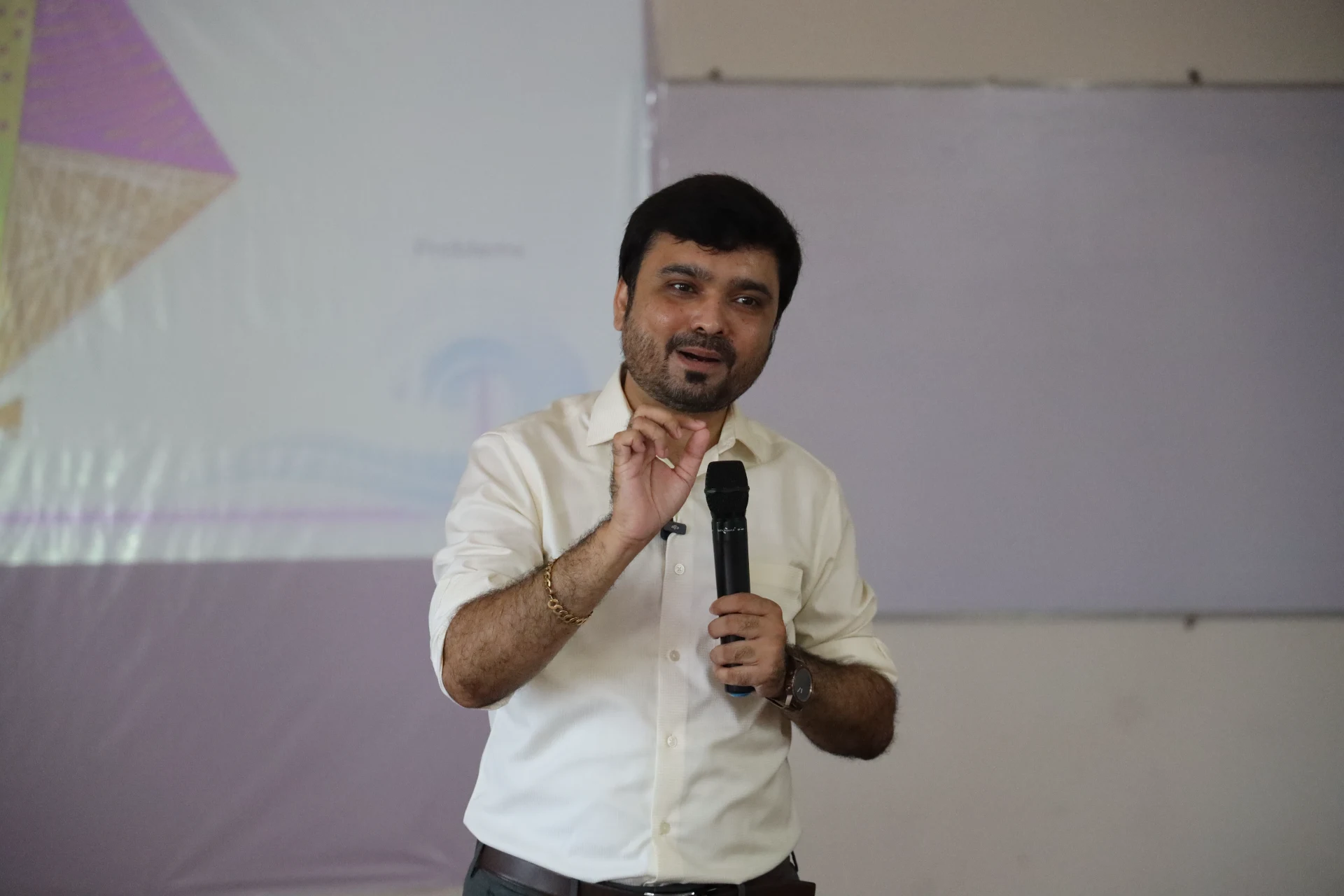
Communicating bad news to employees starts with explaining the constraint, the real choices and what happens next. I’m Avinash Chate, and my Marathi JCB story shows why employee voice matters. A 2018 IET survey found 65% of surveyed mid-size companies preferred soft-skills training for new employees, a reminder to practise communication deliberately.
TL;DR- Explain the business constraint and distinguish a proposal from a final decision.
- Invite questions about options that employees can actually influence.
- Listen without labelling disagreement as disloyalty or demanding a public show of support.
- Finish with a named owner, a next update and a record of unanswered questions.
What happened in the JCB story I shared?
In my Marathi video, I describe the choice JCB workers faced during the 2008 downturn: shorter hours and lower weekly pay, or more job losses. Eurofound’s contemporary account records a vote of more than two to one for shorter hours, intended to protect around 350 of 500 threatened jobs. Workers would lose an average of £50 a week. I use this episode to examine how a difficult trade-off was put before the people affected by it.
Why does the way a manager delivers bad news matter?
The line I want managers to remember is: वाईट बातमी तुम्ही बदलू शकत नाही पण ती कशी देता त्यातून तुमची ओळख बनते. In English: you may not be able to change the bad news, but how you deliver it shapes how people see you. My story then moves to an office appraisal budget. The communication lesson is to explain constraints and hear concerns before people are left guessing. In difficult conversations training for managers, we practise making that explanation clear.
What should a manager say in the first minute?
Use plain sentences: what has changed, who is affected and which parts are still open for discussion. Here is a practice opening for a delayed project: “The client has moved the launch date. We need to revise the work plan. The deadline is fixed, but the sequence of tasks is open for your input.” Then pause for questions. A manager should be able to say what they know and what they still need to find out. Avoid promises that the team will later discover were guesses.
How can employees participate without being pressured?
Start by naming the decision owner and the room employees have to influence the outcome. A genuine choice needs time to consider it and a way to raise concerns privately. In the JCB account, participation took the form of a union ballot. For a team workshop, use a project-priority or workload scenario that lets everyone practise speaking up. Managers should never turn the exercise into a public loyalty test. HR retains responsibility for the appropriate process when actual employment terms or personal circumstances are involved.
What role-play should HR include in a workshop?
Use groups of three: manager, employee and observer. Give the manager a changed project brief, give the employee a conflicting commitment, and give the observer the checklist below. Run the conversation, exchange feedback and repeat with roles switched. This is a proposed practice activity, so HR can adapt the scenario to its team. In my leadership training for managers, the useful debrief is specific: which sentence clarified the situation, which question opened discussion and what next step both people understood.
| Observe | Evidence to listen for | Debrief question |
|---|---|---|
| Clear explanation | The change and its reason are stated plainly | Could the employee repeat the main point? |
| Real participation | Fixed decisions and open choices are separated | What could the employee influence? |
| Listening | The manager checks understanding before responding | Which concern was acknowledged? |
| Honest limits | Unknown answers are recorded without guessing | Who will find the missing information? |
| Follow-through | An action owner and next update are agreed | What happens after this conversation? |
How should managers follow up after the conversation?
Send a short recap that records the decision, the explanation, the actions and the next update. Keep confidential individual concerns out of the group summary and arrange a separate conversation where needed. If a question remains unanswered, assign someone to find the answer and give a realistic update time. At the next manager review, ask whether employees can explain what changed and who owns the next action. A supportive conversation loses value when people have to chase the same unanswered question again.
How can HR book communication practice for managers?
Brief me on the managers’ experience, the conversations they avoid and the language their teams use. A focused workshop can centre on rehearsal and feedback, while a wider programme can include listening, delegation and follow-through. Sessions are available across India, including Pune, Mumbai, Chhatrapati Sambhajinagar and Sangli, in English, Hindi or Marathi. The fee depends on the format, duration and travel. Book a manager communication workshop with Avinash Chate and share one situation you want your managers to handle more clearly.
Book Avinash Chate for Your Next Event
TEDx speaker. 11+ yrs training Army, BRO, RBI, BARC, JSW. Available for keynotes, leadership training, team building & manager development at your office or event venue.
✅ Thanks! Avinash team will reach out within 24 hours.'}).catch(function(e){f.outerHTML='Something went wrong. WhatsApp +91 8793630001
'});return false;">Select ServiceKeynote / Motivational SpeakingLeadership Development TrainingTeam Building WorkshopManager DevelopmentEmployee TrainingOutbound TrainingBook Avinash Now →Or WhatsApp directly: +91 87936 30001
Related Articles by Avinash Chate
- Leadership Trainer in Gujarat | Avinash Chate
- Team Building Trainer in Gujarat | Avinash Chate
- Best Corporate Trainers in Maharashtra for Behavioral and Leadership Training
Work with Avinash Chate
- Best Motivational Speaker in Pune →
- Signature Corporate Training Programs →
- Best Motivational Speaker in Maharashtra →
Avinash Chate TEDx Speaker · Founder, The Future Corporate · 11+ yrs experience Avinash has trained Indian Army, BRO, RBI, BARC, JSW Steel and 1000+ corporate leaders across India. His work focuses on leadership development, communication skills, and behavioural training rooted in Indian values and modern business needs. |
Frequently Asked Questions
What is the best way to communicate bad news to employees?
State the change and its reason clearly, explain what is fixed and what can still be influenced, and allow questions. Acknowledge concerns without making unsupported promises. End with a named action owner and a clear time for the next update, then follow through.
What does JCB’s 2008 story teach managers?
My JCB video focuses on involving employees in a difficult trade-off. The 2008 account describes workers voting for shorter hours and reduced pay to protect jobs. For managers, the lesson is to explain the situation, make the available choice clear and give people a meaningful voice.
Can this workshop run in Marathi for plant supervisors?
Yes. Avinash Chate delivers sessions in Marathi, Hindi and English. For plant supervisors, HR can brief the workshop around shift handovers, workload changes or project delays. The practice should use language participants use at work and include time to repeat the conversation after feedback.
How should HR measure a manager communication workshop?
Use the same observer checklist before and after practice. Look for a clearer explanation, accurate listening, honest answers and a specific next step. Ask managers to apply the method to an agreed workplace conversation and review the follow-up. To plan the session, contact connect@avinashchate.com or 8793630001.
Avinash Chate services
Corporate Trainer in Chhatrapati Sambhajinagar (Aurangabad) · Top Corporate Trainers in Maharashtra · Leadership Trainer in Chhatrapati Sambhajinagar (Aurangabad) · Top Leadership Trainers in Maharashtra · Team Building Trainer in Chhatrapati Sambhajinagar (Aurangabad) · Top Team Building Trainers in Maharashtra · Motivational Speaker in Chhatrapati Sambhajinagar (Aurangabad) · Top Motivational Speakers in Maharashtra · All service locations
← Back to all articles · Book Avinash Chate
By Avinash Chate — Maharashtra’s #1 Corporate Trainer & Motivational Speaker. .