Conflict Resolution Skills That Build Stronger Corporate Teams in India 2026
Conflict in teams isn't the problem — avoiding it is. Here's how to turn workplace disagreements into growth opportunities and build stronger, more cohesive corporate teams across India.
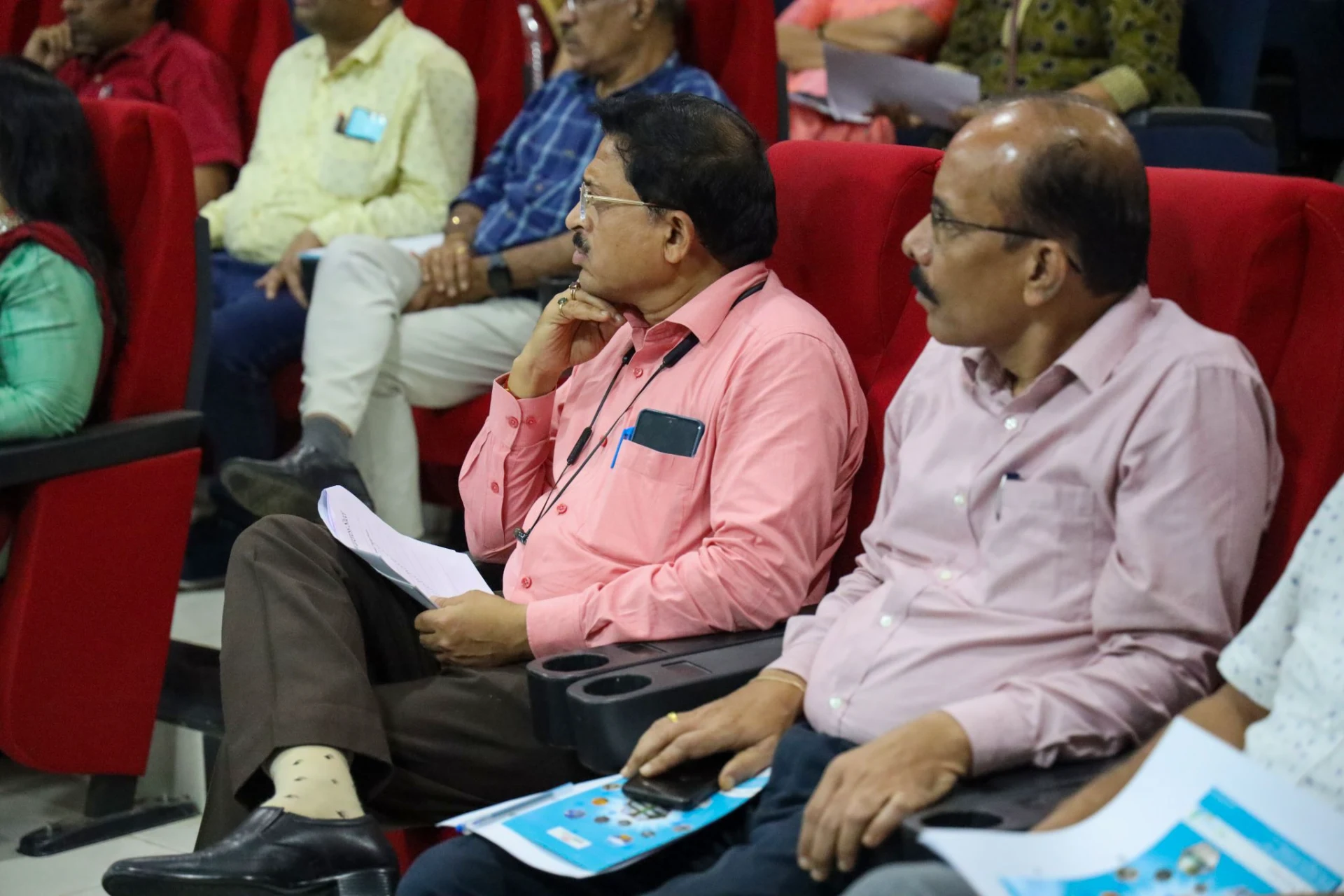
Here's the thing about conflict — it's not the enemy of great teamwork. Avoidance is. McKinsey India research shows Indian managers spend 21 hours per week in meetings, and a significant chunk of that time is spent managing fallout from unresolved tensions. I've spent 11 years helping teams at L&T, Mahindra, and the Indian Army turn conflict into the catalyst for their strongest breakthroughs.
TL;DR- Conflict avoided is conflict amplified — resolution makes teams stronger, not weaker
- Most Indian corporate conflicts stem from unclear roles, not personality clashes
- A structured 4-step resolution approach stops escalation and builds mutual respect
- Psychological safety determines whether conflict surfaces early or explodes late
- Teams that master conflict resolution consistently outperform those that suppress it
Why Conflict Is Not the Enemy of Great Teamwork in Indian Corporates
Every high-performing team I've ever trained — from Bajaj Auto engineers to RBI officers — has had conflict. Not despite their success, but in some ways because of it. When people care about their work and their outcomes, disagreement is inevitable. The question isn't how to eliminate conflict — it's how to resolve it constructively so the team emerges stronger. With 65% of Indian firms now investing in soft-skill training, conflict resolution has jumped to the top of L&D priority lists. And rightly so.
The Root Causes of Workplace Conflict That Indian Managers Miss
Here's what most managers get wrong: they assume conflict is personal. In my experience running sessions across Siemens, Bosch, and JSW, I'd say fewer than 20% of workplace conflicts are genuinely about personalities. The vast majority stem from unclear role boundaries, ambiguous decision rights, competing priorities from different managers, or poor communication of expectations. When you fix the structural causes, the personal friction usually dissolves. Don't try to change people — fix the system they're operating in.
| Conflict Approach | Avoidance | Structured Resolution |
|---|---|---|
| Short-term comfort | High — tension temporarily suppressed | Lower — requires difficult conversation |
| Long-term team trust | Erodes — unresolved resentment builds | Grows — mutual respect increases |
| Decision quality | Declines — groupthink dominates | Improves — diverse views are heard |
| Team performance | Stagnates or declines | Accelerates after resolution |
A Four-Step Framework for Resolving Team Conflict Effectively
The four-step framework I use in my conflict resolution workshops is built around: Pause and listen (both parties state their perspective without interruption), Identify the shared goal (what does both sides actually want at the outcome level?), Surface the real disagreement (separate positions from interests), and Co-create a solution with clear accountability. The magic is in step two — when both parties articulate the shared goal, they realise they're often arguing about method, not direction. That realisation alone dissolves 40% of the tension.
How to Have Difficult Conversations Without Destroying Relationships
Difficult conversations are where most Indian managers freeze. The instinct is to delay, soften, or avoid — and that instinct costs teams months of unresolved friction. The approach I teach at Tata Tech and Infosys is what I call the "direct and dignified" method: be specific about the behaviour (not the person), name the impact on the team or the work, invite their perspective genuinely, and agree on a specific change with a timeline. No blame, no jargon, no softening to the point of ambiguity. Clear, kind, and direct.
The Role of Leadership in Creating a Conflict-Resilient Team Culture
Leaders set the conflict culture — always. If a leader responds to disagreement with frustration or dismissal, their team learns quickly that conflict is dangerous. If a leader models healthy disagreement — naming tension openly, inviting pushback, acknowledging when they're wrong — their team learns that conflict is safe. I've seen this play out dramatically at Mahindra and KPIT: divisions led by psychologically safe managers resolve conflicts 3x faster and report significantly higher team satisfaction scores in annual surveys.
When Conflict Becomes Toxic: Warning Signs Indian Managers Must Recognise
Not all conflict is productive. When disagreements become personal attacks, when the same argument repeats more than twice without resolution, when team members stop communicating entirely, or when conflict begins affecting work quality and client relationships — these are signals that the conflict has crossed into toxic territory. At this stage, a neutral facilitator is often essential. I've mediated team conflicts at some of India's largest corporates, and the earlier a professional intervention happens, the faster and more complete the resolution.
Turning Conflict Into Growth: Real Examples from Indian Corporate Training
One of the most powerful moments in any team training I run is when participants realise that their biggest professional growth happened in the wake of a conflict they resolved — not one they avoided. At L&T, a construction division that had been locked in an inter-departmental conflict for eight months went through a structured resolution workshop and emerged with a collaboration protocol that actually became a company-wide best practice. The conflict wasn't the problem — it was the signal. Learn to read those signals, resolve them with structure, and watch your team grow in ways that smooth sailing never produces.
Book Avinash Chate for Your Next Event
TEDx speaker. 11+ yrs training Army, BRO, RBI, BARC, JSW. Available for keynotes, leadership training, team building & manager development at your office or event venue.
✅ Thanks! Avinash team will reach out within 24 hours.'}).catch(function(e){f.outerHTML='Something went wrong. WhatsApp +91 8793630001
'});return false;">Select ServiceKeynote / Motivational SpeakingLeadership Development TrainingTeam Building WorkshopManager DevelopmentEmployee TrainingOutbound TrainingBook Avinash Now →Or WhatsApp directly: +91 87936 30001
Related Articles by Avinash Chate
- Fun Team Building Activities That Foster Trust and Collaboration for Indian Corporates 2026
- Team Motivation Strategies That Energize and Inspire Corporate Teams India 2026
- Communication Skills That Transform Team Dynamics in Indian Corporates 2026
Avinash Chate TEDx Speaker · Founder, The Future Corporate · 11+ yrs experience Avinash has trained Indian Army, BRO, RBI, BARC, JSW Steel and 1000+ corporate leaders across India. His work focuses on leadership development, communication skills, and behavioural training rooted in Indian values and modern business needs. |
Frequently Asked Questions
What causes most workplace conflicts in Indian corporate teams?
The majority of workplace conflicts in Indian corporate teams stem from structural issues rather than personality clashes — unclear role boundaries, ambiguous decision rights, competing priorities from different managers, and poor communication of expectations. When these structural causes are addressed, most interpersonal friction dissolves naturally. Fewer than 20% of team conflicts are genuinely personal; the rest are system problems that look like people problems until you examine them closely.
What is the best way to resolve a conflict between two team members?
The most effective approach for resolving a conflict between two team members involves four steps: first, allow both parties to state their perspective fully without interruption; second, identify what both parties actually want at the outcome level — this shared goal often reveals they're arguing about method, not direction; third, surface the real disagreement by separating positions from interests; fourth, co-create a solution with clear accountability and a timeline. A neutral facilitator, typically the team leader or an external trainer, significantly improves the quality of this process.
How does a leader build a conflict-resilient team culture?
Leaders build a conflict-resilient culture by modelling healthy disagreement themselves — naming tension openly in meetings, inviting pushback on their own decisions, acknowledging mistakes without defensiveness, and explicitly rewarding early escalation of problems. When a leader demonstrates that conflict is safe, team members learn to surface issues early rather than letting them fester. Divisions with psychologically safe leaders resolve conflicts significantly faster and report higher team satisfaction than those where leaders treat disagreement as a threat.
When should conflict resolution training be a priority for an organisation?
Conflict resolution training should be a priority when teams report recurring interpersonal friction, when projects are regularly delayed due to coordination breakdowns, when meeting culture is dominated by avoidance or groupthink, or when talented people are leaving due to "team culture" reasons. Early investment in conflict resolution skills typically pays back in reduced HR intervention costs, faster project delivery, and measurably higher retention. In India's competitive corporate market, teams that resolve conflict well retain top talent longer than those that suppress it.
Avinash Chate services
Corporate Trainer in Maharashtra · Top Corporate Trainers in Maharashtra · Leadership Trainer in Maharashtra · Top Leadership Trainers in Maharashtra · Team Building Trainer in Maharashtra · Top Team Building Trainers in Maharashtra · Motivational Speaker in Maharashtra · Top Motivational Speakers in Maharashtra · All service locations
← Back to all articles · Book Avinash Chate
By Avinash Chate — Maharashtra’s #1 Corporate Trainer & Motivational Speaker. .