Difference Between a Leader and a Boss: What Changed Me
Most managers think leadership means control. A Disha Foundation training showed me the real difference between a leader and a boss - and it changed how I lead.
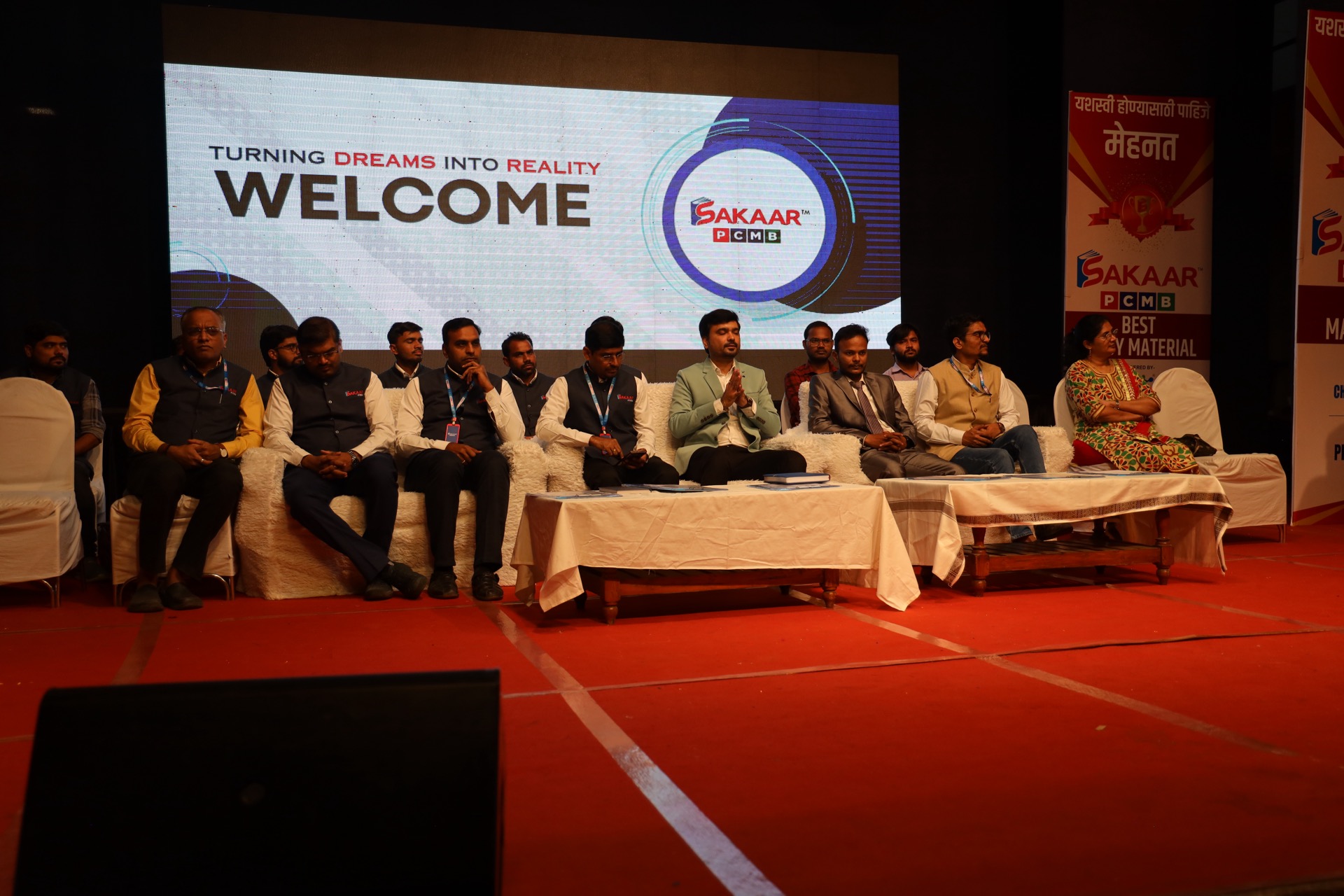
A boss manages tasks. A leader manages people - their emotions, their blind spots, what truly motivates them. I learned this at a Disha Foundation leadership training, and it changed how I lead. McKinsey found Indian managers spend 21 hours a week in meetings - most never pause to ask which one they're being.
TL;DR- A boss controls tasks; a leader understands people, emotions, and blind spots.
- Avinash Chate's own leadership shift came from a Disha Foundation training programme.
- The training's core lesson: adopt a "giver" mindset instead of an "expecting" one.
- Indian managers spend 21 hours a week in meetings (McKinsey) - few use that time to actually lead.
- Emotional intelligence, not authority, is what separates leaders from bosses.
What Is the Real Difference Between a Leader and a Boss?
A boss thinks in tasks, deadlines, and control. A leader thinks in people - what they need, what's holding them back, and how to bring out their best work. That's the line I kept coming back to after a leadership training organised by the Disha Foundation for the Abasaheb Kakade Educational Group. It didn't hand me a new title; it gave me a framework to see the people I lead differently. If you're evaluating a leadership trainer in Pune for your own team, start by asking whether the programme teaches control or understanding - that's the real fork in the road.
Why Most Managers Default to "Boss" Mode
It's not that managers set out to be bosses - it's the default setting under pressure. Deadlines pile up, targets get reviewed weekly, and the fastest way to look effective is to direct rather than develop. I've seen this pattern across factory floors and boardrooms alike, from IT parks to MIDC belts. The irony is that command-and-control costs more time in the long run: unclear expectations lead to rework, and disengaged teams need more supervision, not less. Leadership training exists precisely to interrupt that default before it hardens into habit.
| Aspect | Boss | Leader |
|---|---|---|
| Focus | Tasks and deadlines | People and outcomes together |
| Motivation style | Authority and control | Trust and emotional intelligence |
| Mindset | Expecting | Giving |
| Feedback | Corrective, after the fact | Ongoing, developmental |
| Response to mistakes | Blame | Coaching and blind-spot review |
| Team's long-term response | Compliance | Commitment |
The Training That Changed How I Lead
The programme I attended, led by Advocate Dr. Shivaji Shivajirao Kakade for the Abasaheb Kakade Educational Group, didn't focus on management theory - it focused on people. Somewhere in that room, I understood what I now call the "diagram of excellent leadership": a leader reads the people around them before reading the situation. I also began noticing feelings I'd usually miss - frustration behind silence, effort behind quiet work. That single shift, from watching outcomes to watching people, is what separates a boss from a leader.
Emotional Intelligence: The Skill Bosses Skip
Emotional intelligence isn't a soft add-on to leadership - it's the operating system. A boss reacts to what people do; a leader responds to why they do it. Reading frustration, fatigue, or quiet disengagement early lets you address a problem before it becomes attrition. In corporate training rooms across sectors - manufacturing, IT, defence - I keep seeing the same pattern: teams don't leave managers who challenge them, they leave managers who never noticed them. Emotional intelligence is what closes that gap.
Recognising Your Own Blind Spots as a Leader
No one likes discovering their blind spots, but that's exactly what good leadership training forces you to do. Mine showed up as impatience - wanting people to arrive at conclusions as fast as I did, without walking them through the reasoning. A boss papers over blind spots with authority. A leader asks the people closest to them - direct reports, peers, even family - what patterns they notice, and takes the answer seriously even when it stings.
The Giver Mindset: Leadership's Missing Ingredient
The single biggest shift from that training was moving from an "expecting" mindset to a "giving" one. A boss asks: what can this team do for me? A leader asks: what does this team need from me to do their best work? That single reframe changes everything - how you run meetings, how you give feedback, how you handle a missed deadline. It's a small mental move with a large practical payoff, and it's the difference every team eventually feels.
How to Build These Leadership Qualities in Your Team
These qualities - emotional intelligence, self-awareness, a giver mindset - aren't personality traits you're born with; they're trained. If you're building this into your organisation's leadership pipeline, structured, practice-based training works far better than a one-off lecture. I run leadership and behavioural programmes for corporate teams across India, built around real workplace scenarios rather than theory. You can see the full range of formats on signature leadership programmes or get in touch via the contact page to discuss what your team needs.
Book Avinash Chate for Your Next Event
TEDx speaker. 11+ yrs training Army, BRO, RBI, BARC, JSW. Available for keynotes, leadership training, team building & manager development at your office or event venue.
✅ Thanks! Avinash team will reach out within 24 hours.'}).catch(function(e){f.outerHTML='Something went wrong. WhatsApp +91 8793630001
'});return false;">Select ServiceKeynote / Motivational SpeakingLeadership Development TrainingTeam Building WorkshopManager DevelopmentEmployee TrainingOutbound TrainingBook Avinash Now →Or WhatsApp directly: +91 87936 30001
Related Articles by Avinash Chate
- Rakesh, the Chennai Manufacturing Manager Who Listened His Way Out of a Crisis
- Sana's Journey to Shark Tank India
- Why Indian Employees Quit After Feedback: The Emotional Bond Gap 2026
Work with Avinash Chate
- Motivational Speaking for Corporate Events →
- Team Building Trainer in Pune →
- Best Motivational Speaker in Mumbai →
Avinash Chate TEDx Speaker · Founder, The Future Corporate · 11+ yrs experience Avinash has trained Indian Army, BRO, RBI, BARC, JSW Steel and 1000+ corporate leaders across India. His work focuses on leadership development, communication skills, and behavioural training rooted in Indian values and modern business needs. |
Frequently Asked Questions
What is the main difference between a leader and a boss?
A boss directs tasks and expects compliance, while a leader understands people - their motivations, emotions, and blind spots - and earns commitment rather than just compliance.
Can leadership qualities be trained, or are they innate?
They can absolutely be trained. Emotional intelligence, self-awareness, and a giver mindset are skills built through structured practice and feedback, not fixed personality traits.
How do blind spots affect leadership?
Blind spots make leaders repeat the same mistakes without realising it - like expecting instant understanding without explaining reasoning. Structured training and honest feedback from your team help surface and correct them.
How can I bring this kind of leadership training to my organisation?
Reach out via the contact page to discuss a programme tailored to your team's size, industry, and specific leadership gaps.
Avinash Chate services
Corporate Trainer in Maharashtra · Top Corporate Trainers in Maharashtra · Leadership Trainer in Maharashtra · Top Leadership Trainers in Maharashtra · Team Building Trainer in Maharashtra · Top Team Building Trainers in Maharashtra · Motivational Speaker in Maharashtra · Top Motivational Speakers in Maharashtra · All service locations
← Back to all articles · Book Avinash Chate
By Avinash Chate — Maharashtra’s #1 Corporate Trainer & Motivational Speaker. .