Givers vs Takers vs Matchers: Which Mindset Builds Leaders?
Learn the givers, takers and matchers framework and see how Dr. APJ Abdul Kalam's mindset shift can help you build real leadership impact at work every day.
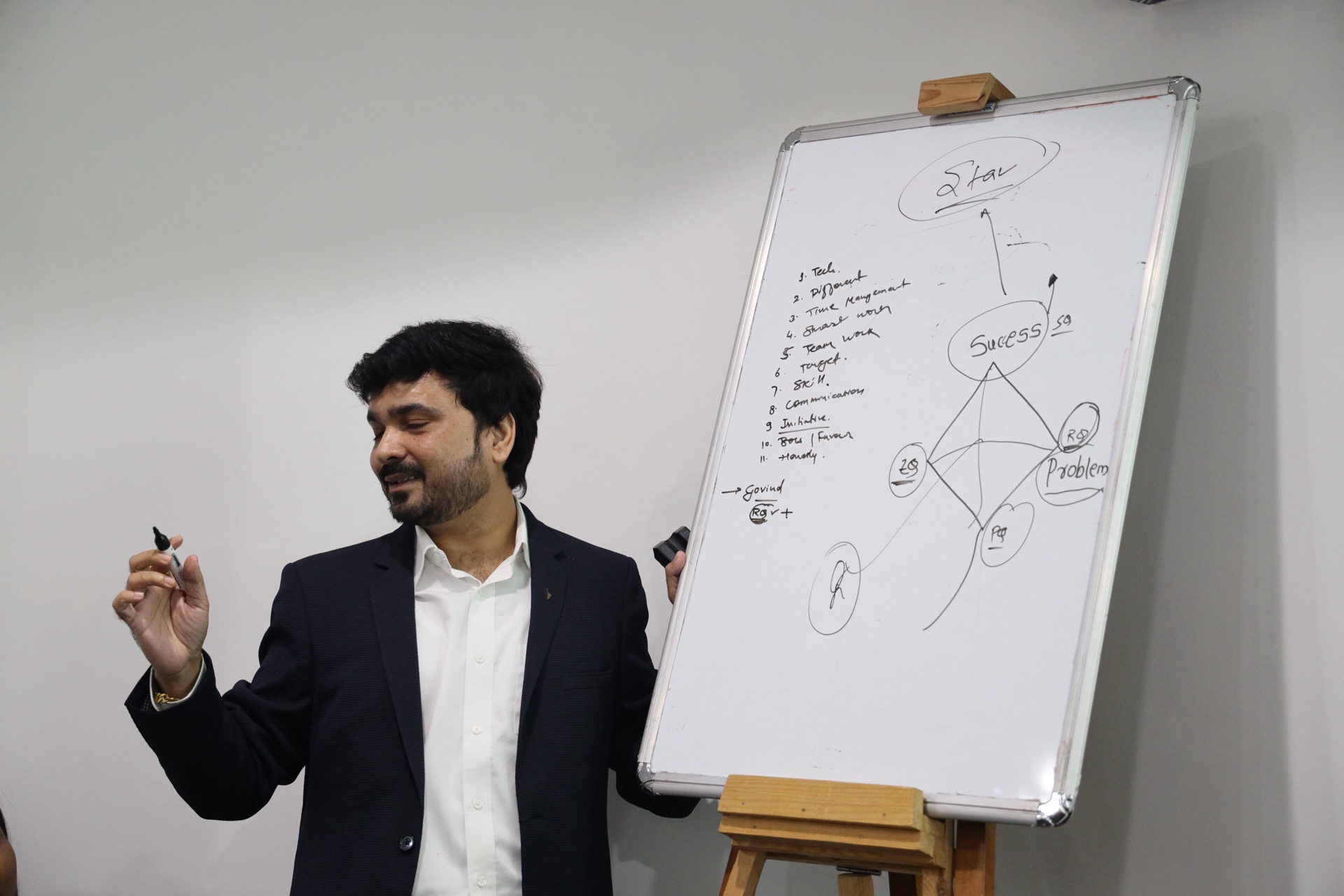
A giver creates value beyond their job description, a taker extracts it, and a matcher only gives back what they receive first - and most professionals get stuck as matchers. Dr. APJ Abdul Kalam, Verghese Kurien and other Indian visionaries chose the giver path instead. It's no surprise 65% of Indian firms now invest in soft-skill training to build that same mindset in their teams.
TL;DR- Givers, takers and matchers describe three mindsets people bring to work and life
- Most professionals default to being matchers, which caps their impact at "fair exchange"
- Dr. APJ Abdul Kalam, Verghese Kurien and Sam Pitroda built national change by acting as givers
- Shifting from matcher to giver starts with taking ownership beyond your job description
- 65% of Indian firms now invest in soft-skill training to build this mindset at scale
What Are Givers, Takers and Matchers?
In his research on workplace behaviour, the psychologist Adam Grant described three mindsets: givers who create value first, takers who extract it, and matchers who only give back what they receive. I see all three every week in the corporate programs I run. Givers volunteer for the messy, unglamorous problem nobody owns. Takers protect their turf. Matchers wait for a fair exchange before they move an inch - and that caution quietly caps how far they ever rise.
Why Most Professionals Get Stuck as Matchers
Most professionals aren't takers, they're matchers, and that's the trap. A matcher will help a colleague who helped them first, hit the targets in their appraisal form, and stop exactly there. It feels safe and even feels fair. But nobody remembers a career built on fairness alone. The managers I coach who get promoted fastest are the ones who solve a problem before anyone asks them to - they act like the outcome is theirs to own, not just their assigned slice of it.
| Mindset | Core Behaviour | Workplace Focus | Typical Career Outcome |
|---|---|---|---|
| Taker | Extracts more value than they give | Protects turf and personal credit | Short-term wins, long-term trust deficit |
| Matcher | Gives only in exact exchange for what they get | Meets targets, rarely exceeds them | Steady but capped growth |
| Giver | Creates value first, without waiting for return | Owns outcomes beyond formal job description | Slower start, disproportionate long-term impact |
How Dr. APJ Abdul Kalam Thought Beyond His Job Description
Dr. APJ Abdul Kalam's job description as a scientist never said "inspire a billion people." Yet he chose to write, teach and mentor students across the country on top of his official charge at DRDO and ISRO. That is a giver's move - taking responsibility for an outcome that was never formally his to carry. It's the same instinct I ask leaders to build in my leadership training programs in Pune: stop asking "is this my job" and start asking "does this need to get done."
Other Indian Visionaries Who Built With a Giver Mindset
Kalam wasn't alone. Verghese Kurien built India's dairy cooperative movement instead of running one factory well. Dr. M.S. Swaminathan pushed the Green Revolution beyond his research brief. Sam Pitroda rewired India's telecom access when nobody had asked him to. Narayana Murthy built an institution, not just a company. Each of them had a narrow official role and a far wider sense of what they owed the country - and that gap is exactly where their impact lived.
How to Shift From a Matcher to a Giver at Work
Shifting from matcher to giver doesn't require a grand mission. It starts small: fix the process nobody flagged, mentor the junior colleague nobody assigned you, raise the idea in the meeting even when it isn't your department. Track how often you say "not my job" this month and challenge yourself to catch it. Over a quarter, that habit compounds into the kind of reputation that gets you handed bigger rooms and bigger decisions.
What This Means for Corporate Leadership Training
This is precisely why 65% of Indian firms now invest in soft-skill training - technical skill gets someone hired, but a giver mindset is what gets them promoted into leadership. In my corporate leadership and motivation programs, I use exactly this Kalam-Kurien-Pitroda lens to help managers see the difference between doing their job and owning their impact, because teams follow people who take ownership, not people who wait to be told.
How Organizations Can Build a Giver Culture
A giver culture doesn't happen by accident - it has to be designed into how a team works. That means recognising people publicly for what they did beyond their role, not just their KPI, and building shared problems into how teams operate day to day. When I run team-building sessions for corporate teams, I structure the exercises so the "not my job" instinct gets exposed and challenged in a low-stakes setting first - so it doesn't have to be learned the hard way, on a real deadline, years later.
Book Avinash Chate for Your Next Event
TEDx speaker. 11+ yrs training Army, BRO, RBI, BARC, JSW. Available for keynotes, leadership training, team building & manager development at your office or event venue.
✅ Thanks! Avinash team will reach out within 24 hours.'}).catch(function(e){f.outerHTML='Something went wrong. WhatsApp +91 8793630001
'});return false;">Select ServiceKeynote / Motivational SpeakingLeadership Development TrainingTeam Building WorkshopManager DevelopmentEmployee TrainingOutbound TrainingBook Avinash Now →Or WhatsApp directly: +91 87936 30001
Related Articles by Avinash Chate
- Motivating Mumbai's Commute-Stressed Workforce — How Speakers Help Teams Crushed by 2-3 Hour Daily Commutes
- Why Nashik's Defense Manufacturing Companies Need Specialized Motivational Speakers — HAL Ozar and India's National Security Workforce
- SRK-Vivek Controversy: Communication Mistake Explained
Work with Avinash Chate
- Team Building Trainer in Pune →
- Best Motivational Speaker in Pune →
- Best Motivational Speaker in Mumbai →
Avinash Chate TEDx Speaker · Founder, The Future Corporate · 11+ yrs experience Avinash has trained Indian Army, BRO, RBI, BARC, JSW Steel and 1000+ corporate leaders across India. His work focuses on leadership development, communication skills, and behavioural training rooted in Indian values and modern business needs. |
Frequently Asked Questions
What is the difference between a giver, a taker and a matcher?
A taker extracts more value than they give, a matcher trades value for value on a strictly fair basis, and a giver creates value first without waiting for something in return. Most people default to being matchers because it feels safe, but the leaders who stand out over a career are almost always givers.
Why did Dr. APJ Abdul Kalam think beyond his job description?
Kalam's official role was a scientist at DRDO and ISRO, but he chose to spend enormous personal time teaching, writing and mentoring students across India - responsibilities no job description ever assigned him. That choice to own an outcome bigger than his formal charge is what separates a giver from someone who simply does their job well.
How can I become a giver-mindset leader at work?
Start small and specific: fix one process nobody owns, mentor someone outside your reporting line, or raise an idea in a meeting outside your department. Track how often you catch yourself thinking "not my job" and consciously override it. Done consistently over months, this visibly changes how leaders and peers see you.
Does Avinash Chate cover this concept in corporate training programs?
Yes - this Givers, Takers and Matchers framework, along with real examples from Dr. Kalam and other Indian visionaries, is part of the leadership and motivation programs I run for corporate teams. If your organisation wants this built into a training session, you can reach out through the contact page to discuss your team's specific goals.
Avinash Chate services
Corporate Trainer in Maharashtra · Top Corporate Trainers in Maharashtra · Leadership Trainer in Maharashtra · Top Leadership Trainers in Maharashtra · Team Building Trainer in Maharashtra · Top Team Building Trainers in Maharashtra · Motivational Speaker in Maharashtra · Top Motivational Speakers in Maharashtra · All service locations
← Back to all articles · Book Avinash Chate
By Avinash Chate — Maharashtra’s #1 Corporate Trainer & Motivational Speaker. .